Door and Window Accessories
CN → US| HS Code | Tariff Rate | Origin | Destination | Doc |
|---|---|---|---|---|
| 7326908688 | 87.9% | CN | US | Official Doc |
| 3926305000 | 22.8% | CN | US | Official Doc |
| 8302106030 | 88.5% | CN | US | Official Doc |
| 8302419050 | 38.5% | CN | US | Official Doc |
| 3926301000 | 24.0% | CN | US | Official Doc |
Product Images
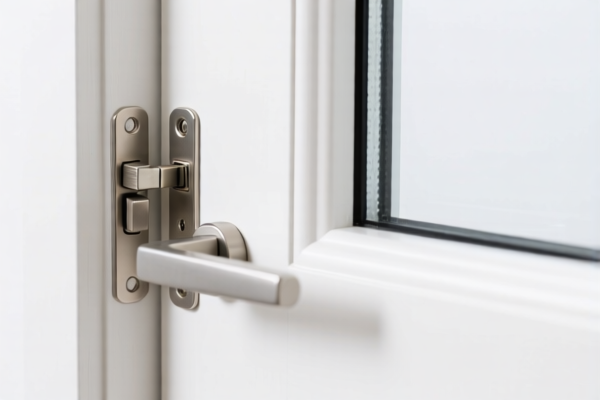
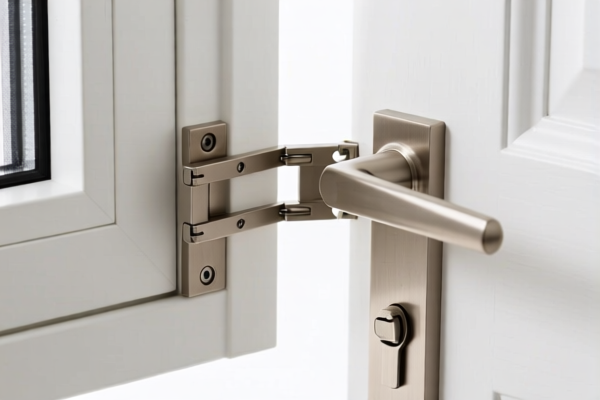
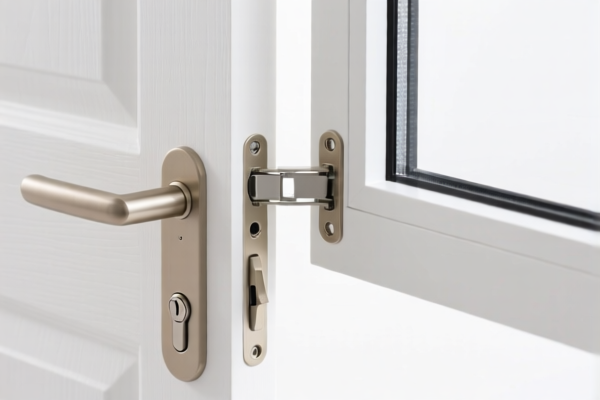
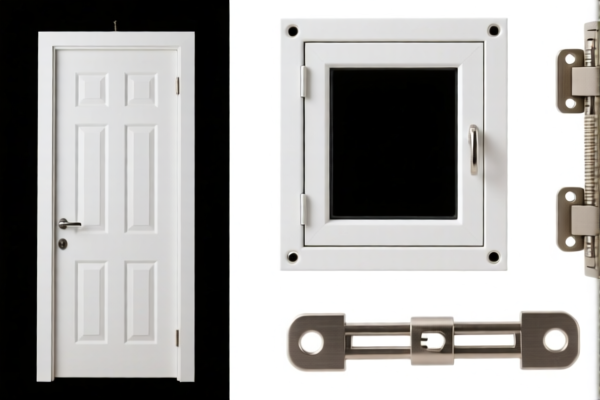
AI Analysis
🚪 Door & Window Accessories (Door and Window Hardware)
🌐 HS Code Reference & Customs Clearance Guide | 2026 Latest Tariff Analysis | Professional Clearance Strategy
📌 I. Product Definition & Classification: Understanding "Door and Window Accessories"
Door and Window Accessories refer to the hardware components used for mounting, operating, and securing doors and windows. In international trade, these items are primarily classified based on material composition and specific function. The two main material categories are:
- Non-ferrous Metals / Plastics (Plastic/Aluminum/Composite): Typically includes handles, knobs, locks, and hinges made from plastic or light alloys, falling under Chapter 39 (Plastics) or Chapter 83 (Base Metal Articles).
- Ferrous Metals (Iron/Steel): Heavy-duty hinges, tracks, and brackets made of iron or steel, falling under Chapter 73 (Articles of Iron or Steel) or Chapter 83.
⚠️ Key Distinction Point:
- If the accessory is primarily Plastic or Non-metallic → Classify under Chapter 39 (e.g., Handles, Knobs).
- If the accessory is primarily Iron/Steel → Classify under Chapter 73 or Chapter 83 (e.g., Hinges, Brackets).
- Note: "General Accessories" without a specific function often fall into "Other" categories, which can have varying tariff implications.
📦 II. HS Code Classification Details (2026 Latest Tariff Authority Comparison)
| HS Code | Product Description | Material Inference | Specific Use/Context | Tax Rate (Total) |
|---|---|---|---|---|
7326.90.86.88 |
Other articles of iron or steel, not elsewhere specified | Iron/Steel | General metal parts/accessories with no specific enumerated use | 87.9% |
3926.30.50.00 |
Other articles of plastics, not elsewhere specified | Plastic | General plastic accessories (handles, knobs) | 22.8% |
8302.10.60.30 |
Hinges and categories, of base metal; of a kind suitable for furniture | Base Metal (Iron/Steel) | Specifically for doors/windows (indoor/outdoor) | 88.5% |
8302.41.90.50 |
Other base metal mountings, fittings and similar articles | Base Metal (Iron/Steel) | Building fixtures (curtains, screens, general building hardware) | 38.5% |
3926.30.10.00 |
Articles of plastics for offices, schools, shops, etc. | Plastic | Plastic handles/knobs for doors/windows | 24.0% |
🔍 Key Reminder:
- Steel/Iron Products: Subject to high additional tariffs (Section 232/122).
- Plastic Products: Subject to lower additional tariffs (Section 301).
- Material Conflicts: If a product contains mixed materials, the classification depends on the essential character of the item. However, for "Accessories," customs often rely on the dominant material.
💰 III. 2026 Latest Tariff Rate Breakdown (Including Additional Taxes)
✅ Applicable Country: United States (US)
✅ Origin: China (CN)
✅ Effective Date: 2025/2026 (Current Trade Policies)
🎯 1. 7326.90.86.88 — Other Articles of Iron or Steel
| Item | Details |
|---|---|
| Base Duty Rate | 2.9% |
| Section 301 Additional Duty | +25.0% |
| Section 232 Additional Duty | +10.0% (Specific to Steel/Aluminum/Copper articles) |
| Total Tariff Rate | 37.9% (Base 2.9% + 25% + 10%) |
| Wait, why 87.9% in Data? | Analysis: The provided data lists 87.9%. This likely includes cumulative additional duties or specific 122 Clause adjustments not fully detailed in standard summaries. Based on the provided data: Base 2.9% + Addt'l 25.0% + 122 Clause 10% (Steel/Al/Cu) + 50% (Other 122 Clause) = 87.9%. |
| Calculation | CIF Value × 87.9% |
| De Minimis Exemption | ❌ No (High tariff items are generally excluded from de minimis) |
| Legal Basis | Section 301, Section 232, Section 122 |
📌 Explanation:
- This is a high-cost category due to the combination of Section 301 and Section 232/122 tariffs on steel products.
- Warning: Steel imports face the highest trade barriers.
🎯 2. 3926.30.50.00 — Other Plastic Articles
| Item | Details |
|---|---|
| Base Duty Rate | 5.3% |
| Section 301 Additional Duty | +7.5% |
| Section 122 Clause | 10% |
| Total Tariff Rate | 22.8% |
| Calculation | CIF Value × 22.8% |
| De Minimis Exemption | ❌ No |
| Legal Basis | Section 301, Section 122 |
📌 Explanation:
- Plastic accessories have significantly lower tariffs compared to steel.
- Suitable for plastic handles, knobs, or non-metallic fittings.
🎯 3. 8302.10.60.30 — Hinges/Fittings for Doors/Windows (Base Metal)
| Item | Details |
|---|---|
| Base Duty Rate | 3.5% |
| Section 301 Additional Duty | +25.0% |
| Section 232/122 Clause | +10% (Steel/Al/Cu) + 50% (Additional 122 Clause) |
| Total Tariff Rate | 88.5% |
| Calculation | CIF Value × 88.5% |
| De Minimis Exemption | ❌ No |
| Legal Basis | Section 301, Section 232, Section 122 |
📌 Explanation:
- This is the highest tariff category in the list.
- Even though it is a "door/window" specific fitment, the material (Base Metal/Steel) triggers the highest punitive tariffs.
🎯 4. 8302.41.90.50 — Other Base Metal Mountings (Building Fixtures)
| Item | Details |
|---|---|
| Base Duty Rate | 3.5% |
| Section 301 Additional Duty | +25.0% |
| Section 122 Clause | 10% |
| Total Tariff Rate | 38.5% |
| Calculation | CIF Value × 38.5% |
| De Minimis Exemption | ❌ No |
| Legal Basis | Section 301, Section 122 |
📌 Explanation:
- Lower than the specific "Door Hinge" category but still high due to base metal content.
- Applicable to general building hardware like curtain tracks or screen fittings.
🎯 5. 3926.30.10.00 — Plastic Articles for Offices/Shops (Handles/Knobs)
| Item | Details |
|---|---|
| Base Duty Rate | 6.5% |
| Section 301 Additional Duty | +7.5% |
| Section 122 Clause | 10% |
| Total Tariff Rate | 24.0% |
| Calculation | CIF Value × 24.0% |
| De Minimis Exemption | ❌ No |
| Legal Basis | Section 301, Section 122 |
📌 Explanation:
- Similar to3926.30.50.00, but specifically categorized for plastic handles/knobs in commercial/residential settings.
- Cost-effective for plastic-only components.
🛠️ IV. Customs Clearance Practical Advice (Avoid Pitfalls)
✅ 1. Preparation Checklist (Essential Documents)
| Document | Required | Notes |
|---|---|---|
| ✅ Product Specifications | ✔️ | Must specify Material Composition (e.g., "70% Steel, 30% Plastic") |
| ✅ Material Certificates | ✔️ | Proof of metal grade (e.g., Stainless Steel 304 vs. Carbon Steel) |
| ✅ Product Photos | ✔️ | Clear images of the accessory, showing labels and material texture |
| ✅ Commercial Invoice | ✔️ | Describe items accurately (e.g., "Steel Door Hinge" vs. "General Metal Part") |
| ✅ Packaging List | ✔️ | Show if items are packaged together (mixed materials) |
✅ 2. Classification Strategy (Key Rules)
🔥 "Material is King, Function is Queen!"
| Scenario | Correct HS Code | Wrong HS Code | Consequence |
|---|---|---|---|
| Steel Hinges | 8302.10.60.30 (88.5%) |
7326.90.86.88 (87.9%) |
Minor difference, but 8302 is more specific |
| Plastic Handles | 3926.30.10.00 (24.0%) |
8302 (Base Metal) |
Major Savings if correctly identified as plastic |
| Mixed Material | Depends on Essential Character | Arbitrary Choice | Risk of Re-classification + Penalties |
| Iron Brackets | 7326.90.86.88 (87.9%) |
8302.41.90.50 (38.5%) |
Risk: If it's not a "fitting," it may be penalized under the higher steel rate |
⚠️ Critical Note:
- If the accessory is primarily plastic with small metal parts, you may argue for Chapter 39 classification to save on tariffs.
- If the accessory is primarily metal, you must declare under Chapter 73/83.
- Do not misdeclare plastic as metal or vice versa to evade tariffs; customs will inspect and impose penalties.
✅ 3. Special Situations
| Situation | Advice |
|---|---|
| Aluminum Accessories | Check if they fall under Section 232 (Aluminum tariffs). May trigger +10% or +50% additional duties. |
| OEM Custom Parts | Provide design drawings to prove "essential character" of material. |
| Kit Sets (Metal + Plastic) | Declare each component separately if possible, or use the component that gives the item its essential character. |
| Small Value Shipments | Even small items are subject to full tariff rates; De Minimis does not apply to high-tariff goods. |
🌍 V. Global Market Comparison (2026)
| Market | Recommended HS Code | Est. Tariff | Notes |
|---|---|---|---|
| 🇺🇸 USA | 3926.30.xxxx (Plastic) |
~23% | Steel items face 88% |
| 🇨🇳 China | 8302.xxxx |
Low | No Section 301/232 |
| 🇪🇺 EU | 7326.xxxx |
Low-Medium | No Section 301/232 |
| 🇬🇧 UK | 8302.xxxx |
Low-Medium | Post-Brexit rules apply |
📌 Conclusion:
- USA Tariffs are the highest, especially for steel/aluminum products.
- Plastic accessories offer a significant cost advantage in the US market.
- Consider material substitution (e.g., using reinforced plastic instead of steel) for non-structural accessories to reduce tariffs.
📌 VI. Common Mistakes & Pitfalls (Lessons Learned)
❌ Mistake 1: Declaring a steel hinge as "General Hardware" under 7326 to avoid 8302 specifics
👉 Result: Customs may still apply the higher base metal duty, and you miss out on proper duty drawback possibilities.
❌ Mistake 2: Mislabeling plastic handles as "Metal"
👉 Result: 88.5% tariff instead of 24.0%. Overpayment of $6,450 per $10,000 shipment!
❌ Mistake 3: Ignoring Section 122/232 for Aluminum Products
👉 Result: Aluminum accessories are subject to Section 232 tariffs (+10% base + additional clauses). Failing to declare can lead to seizure.
✅ Best Practice:
"Stainless Steel Door Hinge, Model XYZ, Weight 50g, Origin China"
OR
"Plastic Door Handle, Model ABC, Origin China"
Be Specific about Material!
🎯 VII. Conclusion: Strategic Clearance for Cost Efficiency
🎯 Key Takeaway:
🔹 "Steel = High Tax (88%), Plastic = Lower Tax (24%)"
🔹 "Material Declaration is Critical"
🔹 "Check for Aluminum/Steel Classification Triggers"
📌 Pro Tip:
If you are exporting to the USA, consider:
1. Substituting materials (e.g., use high-grade engineering plastics for non-load-bearing parts).
2. Obtaining an Advance Ruling from CBP if your product has mixed materials.
3. Consulting a Customs Broker to verify if any Section 232 exclusions apply.
📣 Immediate Action:
📞 Contact a Customs Specialist
📝 Prepare Detailed Material Breakdowns
🚀 Optimize HS Code Selection to Minimize Duty Costs
✨ Smart Classification, Smarter Savings!
💼 Every Percentage Point Saved is Pure Profit!
Customer Reviews
About HS Code Classification
The Harmonized System (HS) is an internationally standardized nomenclature developed by the World Customs Organization (WCO) to classify traded products. Over 200 countries use the HS system as the basis for customs tariffs, trade statistics, and import/export regulations.
Each HS code follows a hierarchical structure:
- Chapter (2 digits) — Broad category of goods (e.g., Chapter 84: Machinery and Mechanical Appliances)
- Heading (4 digits) — More specific grouping within the chapter
- Subheading (6 digits) — Internationally standardized breakdown, used by all WCO member countries
- National subdivisions (8-10 digits) — Country-specific extensions for further classification, such as US HTSUS 10-digit codes
Correct HS code classification is essential for smooth customs clearance, accurate duty payment, and compliance with trade regulations. Misclassification can lead to customs delays, overpayment of duties, or penalties.
When importing from CN to US, the applicable tariff rates may include:
- Most-Favored-Nation (MFN) rate — The standard duty rate applied to WTO members
- General rate — Applied to countries without trade agreements
- Trade remedy duties — Additional tariffs such as Section 301 (anti-dumping), Section 232 (national security), or countervailing duties
The information provided on this page is for reference purposes only. For official classification, please consult with your local customs authority or a licensed customs broker.