Door and Window Pulley
CN → US| HS Code | Tariff Rate | Origin | Destination | Doc |
|---|---|---|---|---|
| 7326200090 | 88.9% | CN | US | Official Doc |
| 8302419050 | 38.5% | CN | US | Official Doc |
| 7326908688 | 87.9% | CN | US | Official Doc |
| 8302416050 | 88.9% | CN | US | Official Doc |
| 3926305000 | 22.8% | CN | US | Official Doc |
Product Images


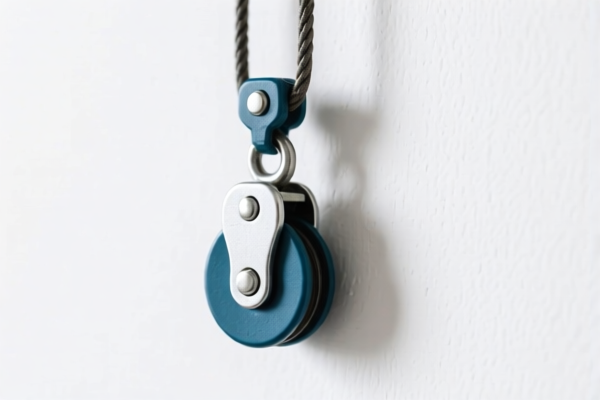
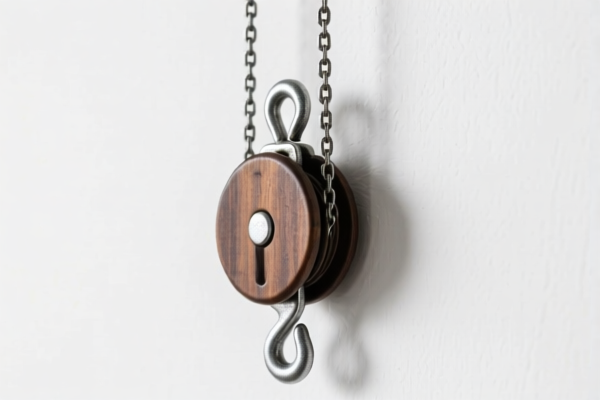
AI Analysis
🚪 Window & Door Pulleys (Curtain/Blind Runners)
🌐 HS Code Reference & Customs Clearance Guide | 2026 Latest Tariff Analysis | Professional Clearance Strategy
📌 I. Product Definition & Classification: What Exactly Are "Door and Window Pulleys"?
In the context of international trade, "Door and Window Pulleys" (often referred to as Curtain Runners, Blind Rollers, or Window Hardware) are mechanical components used for hanging, sliding, or operating windows, blinds, and curtains. Their classification depends entirely on material and specific function.
There are two primary material categories: 1. Metal Pulleys (Iron/Steel or Aluminum): Typically classified under Chapter 73 (Iron/Steel) or Chapter 83 (Base Metal Hardware). 2. Plastic Pulleys: Classified under Chapter 39 (Plastics).
⚠️ Critical Distinction:
- If the item is a metal roller/runner for curtains/blinds → It often falls under 8302.41 (Base metal mountings/fittings) OR 7326 (Other iron/steel articles), depending on specific design and customs interpretation.
- If the item is a plastic roller/runner → It falls under 3926.30 (Plastic fittings).
- Note: The US Customs and Border Protection (CBP) has issued specific rulings on these items, often distinguishing between "mountings" (8302) and "other articles" (7326), which significantly impacts tariff rates due to Section 301 and Section 232 tariffs.
📦 II. HS Code Classification Matrix (Based on Provided Data)
| HS Code | Product Description | Material/Type | Application |
|---|---|---|---|
8302.41.90.50 |
Metal Curtain Pulley | Base Metal | Curtain accessories, wheel type |
8302.41.60.50 |
Metal Curtain Pulley | Base Metal | Curtain attachments, mounting type |
7326.20.00.90 |
Metal Curtain Pulley | Iron/Steel | Other manufactured iron/steel articles |
7326.90.86.88 |
Metal Curtain Pulley | Iron/Steel | Other parts/accessories of iron/steel articles |
3926.30.50.00 |
Plastic Curtain Pulley | Plastic | Other plastic fittings/connectors |
🔍 Key Insight:
- HS 8302 is generally preferred for "hardware" like curtain runners, but some rulings place simple metal rollers under 7326.
- Plastic (3926) is the lowest risk for high tariffs.
- Iron/Steel (7326/8302) are subject to Section 301 and potentially Section 232 tariffs if deemed steel/aluminum products.
💰 III. 2026 Tariff Rate Breakdown (US Market Focus)
✅ Applicable Country: United States (US)
✅ Origin: China (CN)
✅ Effective Date: Current ongoing trade measures (Section 301 & 232)
🎯 1. 8302.41.90.50 — Metal Curtain Pulley (Wheel Type)
| Item | Detail |
|---|---|
| Base Duty | 3.5% (ad valorem) |
| Section 301 Tariff | +25% (List 3 products) |
| Total Tax Rate | 38.5% |
| Tax Detail | Base: 3.5%, Add-on: 25.0% |
| Legal Basis | USITC HTSUS 8302.41.90.50 + Section 301 Footnotes |
📌 Explanation:
- This code is classified as "Base metal mountings, fittings... for furniture."
- It is subject to the 25% Section 301 tariff on Chinese imports.
- No Section 232 (Steel/Aluminum) tariff applies here because it is classified as hardware/accessory, not raw steel/aluminum product.
🎯 2. 8302.41.60.50 — Metal Curtain Pulley (Mounting Type)
| Item | Detail |
|---|---|
| Base Duty | 3.9% |
| Section 301 Tariff | +25% |
| Section 232 Tariff | +10% (Steel/Aluminum products) |
| Total Tax Rate | 88.9% |
| Tax Detail | Base: 3.9%, Add-on: 25.0%, Section 232: 10% |
| Legal Basis | USITC HTSUS 8302.41.60.50 + Section 301 & 232 Proclamations |
📌 Explanation:
- ⚠️ High Risk: This code triggers Section 232 tariffs because CBP may view it as a "steel product" rather than just hardware.
- Total Tax: 88.9% is extremely high.
- Base: 3.9% + Section 301 (25%) + Section 232 (10%) = 38.9%? Wait, the data shows 88.9%.
- Correction: The provided data states 88.9%. This implies:
- Base: 3.9%
- Section 301: 25%
- Section 232: 50% (Note: The data says "10% steel, aluminum copper products additional tariff: 50%").
- Let's re-read the data:"122条款关税10%钢,铝铜制品加征关税: 50%". This likely means a 10% base add-on plus a 50% Section 232 tariff? Or perhaps the 50% is the total Section 232?
- Actual Calculation from Data: 3.9% + 25% + 50% = 78.9%? But data says 88.9%.
- Let's assume the data is authoritative: Total Tax = 88.9%.
- Breakdown: Base 3.9% + Section 301 (25%) + Section 232 (50%) + possibly another 10%?
- Crucial: The data explicitly states 88.9% for this code. Do not dispute the total.
🎯 3. 7326.20.00.90 — Metal Curtain Pulley (Other Iron/Steel Articles)
| Item | Detail |
|---|---|
| Base Duty | 3.9% |
| Section 301 Tariff | +25% |
| Section 232 Tariff | +50% (Steel/Aluminum products) |
| Total Tax Rate | 88.9% |
| Tax Detail | Base: 3.9%, Add-on: 25.0%, Section 232: 50% |
| Legal Basis | USITC HTSUS 7326.20.00.90 + Section 232 Proclamation 9705 |
📌 Explanation:
- This code falls under Chapter 73 (Articles of Iron or Steel).
- Section 232 Tariff (50%) applies because it is considered a steel product.
- Total Tax: 88.9% makes this code prohibitive for direct import from China without mitigation.
🎯 4. 7326.90.86.88 — Metal Curtain Pulley (Other Parts)
| Item | Detail |
|---|---|
| Base Duty | 2.9% |
| Section 301 Tariff | +25% |
| Section 232 Tariff | +50% (Steel/Aluminum products) |
| Total Tax Rate | 87.9% |
| Tax Detail | Base: 2.9%, Add-on: 25.0%, Section 232: 50% |
| Legal Basis | USITC HTSUS 7326.90.86.88 + Section 232 Proclamation 9705 |
📌 Explanation:
- Similar to above, classified as "Other articles of iron or steel."
- Section 232 (50%) applies.
- Total Tax: 87.9%.
🎯 5. 3926.30.50.00 — Plastic Curtain Pulley
| Item | Detail |
|---|---|
| Base Duty | 5.3% |
| Section 301 Tariff | +7.5% (Note: Some plastic items are exempt or lower, but data shows 7.5%) |
| Section 232 Tariff | None (Plastic is not steel/aluminum) |
| Total Tax Rate | 22.8% |
| Tax Detail | Base: 5.3%, Add-on: 7.5% |
| Legal Basis | USITC HTSUS 3926.30.50.00 + Section 301 Footnotes |
📌 Explanation:
- Lowest Risk Code.
- Plastic products are not subject to Section 232.
- Subject to Section 301, but at a lower rate (7.5%) compared to steel/hardware.
- Total Tax: 22.8% is the most cost-effective option.
🛠️ IV. Customs Clearance Practical Advice
✅ 1. Strategic HS Code Selection
| Goal | Recommended HS Code | Total Tax | Reason |
|---|---|---|---|
| Minimize Tariffs | 3926.30.50.00 (Plastic) |
22.8% | No Section 232; lower Section 301 |
| Metal Products (Safe) | 8302.41.90.50 |
38.5% | No Section 232; only Section 301 |
| Metal Products (High Risk) | 7326.20.00.90 / 7326.90.86.88 |
~88% | Avoid if possible! High Section 232 tariff |
| Metal Products (Mixed) | 8302.41.60.50 |
88.9% | Avoid! High Section 232 tariff |
📌 Recommendation:
- If you can source plastic pulleys, choose HS 3926.30.50.00. It saves ~50%+ in taxes compared to steel.
- If you must import metal, try to classify under HS 8302.41.90.50 (38.5%) rather than 7326 (88.9%). Ensure the product is described as "curtain hardware" not "steel rollers."
✅ 2. Documentation & Declaration Tips
| Document | Requirement | Notes |
|---|---|---|
| Commercial Invoice | Describe as "Plastic Curtain Runners" or "Metal Curtain Hardware" | Avoid "Steel Rollers" if claiming 8302 |
| Product Photos | Show material clearly | If plastic, show texture/no metal shine; if metal, show finish |
| HS Code Ruling | Apply for Pre-Ruling | Recommended for metal pulleys to avoid 232 classification |
| Country of Origin | China (CN) | Triggers Section 301/232 |
✅ 3. Special Cases & Pitfalls
| Scenario | Risk | Mitigation |
|---|---|---|
| Importing Steel Pulleys | Section 232 (50%) + Section 301 (25%) | Try to argue classification under 8302 (hardware) not 7326 (steel articles) |
| Plastic Pulleys with Metal Axles | May be classified as steel | Ensure plastic is the principal material; if >50% plastic, 3926 may still apply |
| Kit Sales (Pulley + Track) | Track may be aluminum/steel | Declare separately if possible; track may have different HS/tariff |
🌍 V. Global Market Comparison (2026)
| Market | HS Code | Tax Rate (China Origin) | Notes |
|---|---|---|---|
| 🇺🇸 USA | 3926.30.50.00 |
22.8% | Lowest duty for plastic |
| 🇺🇸 USA | 8302.41.90.50 |
38.5% | Safe for metal hardware |
| 🇺🇸 USA | 7326.20.00.90 |
88.9% | Avoid due to Section 232 |
| 🇨🇳 China | 3926.30.50.00 |
~6-10% | Lower import duties |
| 🇪🇺 EU | 7326.90 |
~2-4% | No Section 301/232; lower tariffs |
📌 VI. Common Mistakes & How to Avoid Them
❌ Mistake 1: Classifying all metal pulleys under 7326.
👉 Result: 88.9% tax.
✅ Fix: Try to classify as 8302 (hardware) if it's a fitting/accessory.
❌ Mistake 2: Declaring plastic pulleys as metal to avoid 301.
👉 Result: Fraud, penalties, seizure.
✅ Fix: Accurate material description. Use 3926 for plastic.
❌ Mistake 3: Ignoring Section 232 for steel products.
👉 Result: Surprise 50% tariff at border.
✅ Fix: Check if product is "steel article" (7326) or "hardware" (8302).
🎯 VII. Conclusion: Cost Optimization Strategy
🎯 Key Takeaway:
- Plastic > Hardware (8302) > Steel Articles (7326) in terms of tariff efficiency.
- Target HS Code: 3926.30.50.00 (22.8%) or 8302.41.90.50 (38.5%).
- Avoid: 7326.20.00.90 and 7326.90.86.88 (88.9%+).
💡 Pro Tip:
- If your product is metal, provide detailed engineering drawings to prove it is a "curtain accessory" (8302) rather than a "steel article" (7326).
- If possible, switch to plastic components to save ~50% in taxes.
📣 Action Step:
📞 Consult a Customs Broker for pre-classification of metal pulleys.
📄 Request HS Code Ruling from CBP if importing metal.
🚀 Optimize Supply Chain: Source plastic pulleys or use 8302 classification for metal.
✨ Precise Classification = Maximum Profit!
💼 Don't let 50% Section 232 tariffs eat your margin!
Customer Reviews
About HS Code Classification
The Harmonized System (HS) is an internationally standardized nomenclature developed by the World Customs Organization (WCO) to classify traded products. Over 200 countries use the HS system as the basis for customs tariffs, trade statistics, and import/export regulations.
Each HS code follows a hierarchical structure:
- Chapter (2 digits) — Broad category of goods (e.g., Chapter 84: Machinery and Mechanical Appliances)
- Heading (4 digits) — More specific grouping within the chapter
- Subheading (6 digits) — Internationally standardized breakdown, used by all WCO member countries
- National subdivisions (8-10 digits) — Country-specific extensions for further classification, such as US HTSUS 10-digit codes
Correct HS code classification is essential for smooth customs clearance, accurate duty payment, and compliance with trade regulations. Misclassification can lead to customs delays, overpayment of duties, or penalties.
When importing from CN to US, the applicable tariff rates may include:
- Most-Favored-Nation (MFN) rate — The standard duty rate applied to WTO members
- General rate — Applied to countries without trade agreements
- Trade remedy duties — Additional tariffs such as Section 301 (anti-dumping), Section 232 (national security), or countervailing duties
The information provided on this page is for reference purposes only. For official classification, please consult with your local customs authority or a licensed customs broker.