Door mounted Coat Rack
CN → US| HS Code | Tariff Rate | Origin | Destination | Doc |
|---|---|---|---|---|
| 7326200020 | 88.9% | CN | US | Official Doc |
| 7326908688 | 87.9% | CN | US | Official Doc |
| 3926301000 | 24.0% | CN | US | Official Doc |
| 9403608093 | 35.0% | CN | US | Official Doc |
| 3926305000 | 22.8% | CN | US | Official Doc |
Product Images
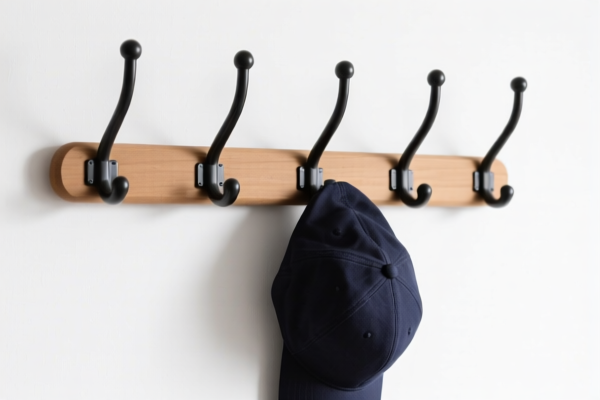
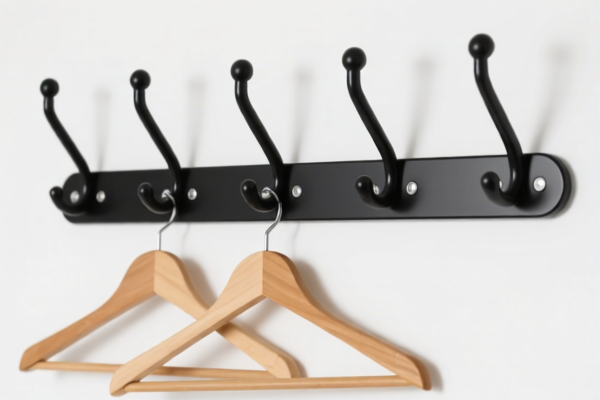
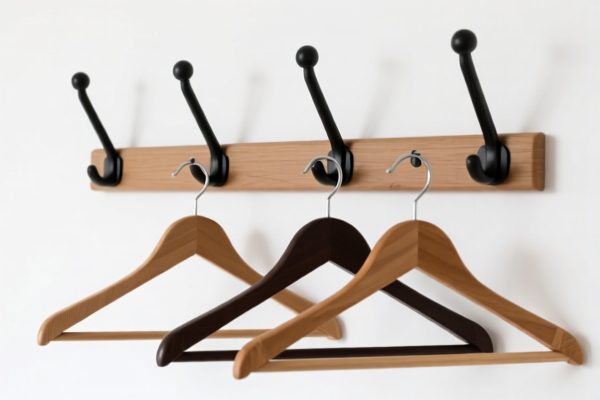
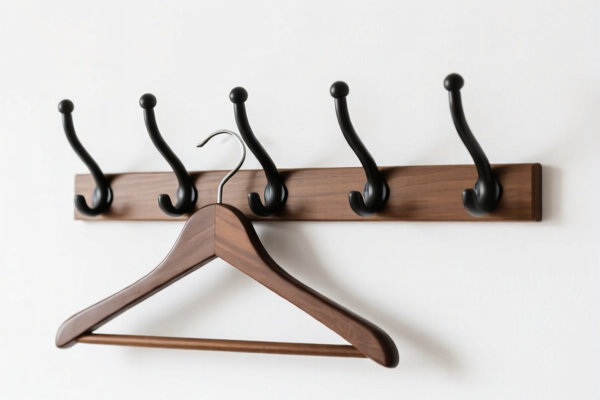
AI Analysis
🚪 Door Mounted Coat Rack (Back-of-Door Hangers)
🌐 HS Code Reference & Customs Clearance Guide | 2026 Latest Tariff Analysis | Strategic Compliance for US Imports
📌 I. Product Definition & Classification: What Exactly is a "Door Mounted Coat Rack"?
A Door Mounted Coat Rack is a space-saving storage solution designed to hang behind standard interior doors. In international trade, its classification is highly contentious and depends entirely on Material, Structure, and Intended Use. Misclassification can lead to catastrophic duty differences (from ~23% to nearly 90%).
The product generally falls into one of three categories: 1. Metal/Hardware Components: If made of iron/steel and considered a "part" or "accessory" of furniture. 2. Furniture: If made of wood or certain metals, intended for household storage. 3. Plastic Household Articles: If made primarily of plastic.
⚠️ Key Distinction Point:
- Is it a plastic clip/hanger? → Likely 3926.30
- Is it a wooden/steel rack? → Likely 9403 (Furniture) or 7326 (Miscellaneous Metal)
- Note: The US CBP often scrutinizes "furniture-like" items made of metal, sometimes reclassifying them as "miscellaneous articles of base metal" if they lack structural furniture integrity.
📦 II. HS Code Classification Matrix (2026 Latest Tariff Data)
Based on the provided data, here are the five potential HS Codes with their corresponding duty rates and tax details.
| HS Code | Product Description | Material/Structure | Total Tax Rate | Key Tax Components |
|---|---|---|---|---|
| 7326.20.00.20 | Door Mounted Coat Rack | Iron or Steel (Hanging type) | 88.9% | Base 3.9% + Sec 301 25% + Sec 232/10% Steel 50% |
| 7326.90.86.88 | Door Mounted Coat Rack | Iron/Steel (Other) | 87.9% | Base 2.9% + Sec 301 25% + Sec 232/10% Steel 50% |
| 3926.30.10.00 | Door Mounted Coat Rack | Plastic (Household/Furniture use) | 24.0% | Base 6.5% + Sec 301 7.5% + Section 122 10% |
| 9403.60.80.93 | Door Mounted Coat Rack | Wood or Metal (Furniture) | 35.0% | Base 0.0% + Sec 301 25% + Section 122 10% |
| 3926.30.50.00 | Door Mounted Coat Rack | Plastic (Furniture/Body Connectors) | 22.8% | Base 5.3% + Sec 301 7.5% + Section 122 10% |
🔍 Critical Insight:
- Steel Products (7326) are subject to the harshest tariffs due to Section 232 (National Security) steel tariffs, pushing rates to ~88%.
- Plastic (3926) and Furniture (9403) options are significantly cheaper but depend on strict material verification.
- Section 122 (10% tariff) appears to be a specific trade clause affecting China-origin goods in these categories.
💰 III. Detailed Tax Breakdown (2026 Analysis)
✅ Applicable Country: United States (US)
✅ Origin: Likely China (CN) (Implied by high tariffs and "122 Clause")
✅ Validity: 2026 Current Rates
🎯 1. 7326.20.00.20 & 7326.90.86.88 —— The "Steel Trap"
These codes apply if the rack is made of iron or steel and is classified as a "miscellaneous article" rather than furniture.
| Item | Detail |
|---|---|
| Base Duty | 2.9% - 3.9% |
| Section 301 Duty | +25.0% (Trade War Tariff) |
| Section 232/122 Steel Surcharge | +50.0% (Specific to Steel/Aluminum products) |
| Total Effective Rate | 87.9% - 88.9% |
| Legal Basis | 19 CFR 122 (Steel/Aluminum provisions) + Section 301 |
📌 Explanation:
- This is the wor-case scenario. If your door hanger is metal, CBP may classify it as "Other articles of base metal" (7326) rather than furniture (9403) because it lacks legs or a fixed frame.
- The 50% steel surcharge is the killer here. It is additive to the 25% Section 301 tax.
- Result: You pay nearly double the product value in duties.
🎯 2. 9403.60.80.93 —— The "Furniture" Argument
This code applies if the rack is considered "Other Furniture" (Wood or Metal).
| Item | Detail |
|---|---|
| Base Duty | 0.0% |
| Section 301 Duty | +25.0% |
| Section 122 Surcharge | +10.0% |
| Total Effective Rate | 35.0% |
| Legal Basis | HTSUS 9403.60 (Other wooden furniture); Note 7 to Chapter 94 |
📌 Explanation:
- This is a competitive rate compared to steel.
- Condition: The item must be defined as "Furniture." Hooks hanging on a door may struggle here unless they have a solid frame or are marketed explicitly as storage furniture.
- CBP often rejects metal racks as "Furniture" if they are merely accessories, pushing them to 7326.
🎯 3. 3926.30.10.00 & 3926.30.50.00 —— The "Plastic" Route
These codes apply if the product is made of plastic.
| Item | Detail |
|---|---|
| Base Duty | 5.3% - 6.5% |
| Section 301 Duty | +7.5% |
| Section 122 Surcharge | +10.0% |
| Total Effective Rate | 22.8% - 24.0% |
| Legal Basis | HTSUS 3926 (Other articles of plastics) |
📌 Explanation:
- Lowest Tariff Option.
- Condition: The product must be >50% plastic by weight or principal material.
- If the rack has metal hooks but plastic bodies, customs may still apply plastic rates if metal is incidental, or split the tariff.
🛠️ IV. Customs Clearance Strategy & Recommendations
✅ 1. Material Optimization is Key
To minimize costs, the material composition is your primary lever.
| Material | Recommended HS Code | Est. Duty | Risk Level |
|---|---|---|---|
| Plastic | 3926.30.10.00 |
24.0% | 🟢 Low |
| Plastic/Connectors | 3926.30.50.00 |
22.8% | 🟢 Low |
| Wood/Metal Furniture | 9403.60.80.93 |
35.0% | 🟡 Medium |
| Iron/Steel | 7326.20/90 |
~88% | 🔴 High (Avoid) |
💡 Strategy:
- If possible, switch from metal to plastic or wood.
- If metal is required for strength, try to incorporate a wooden frame or plastic housing to argue for the9403or3926classification, rather than "miscellaneous metal."
✅ 2. Documentation Requirements (Avoid Re-classification)
| Document | Requirement | Purpose |
|---|---|---|
| Commercial Invoice | Clearly state Material Composition (e.g., "90% Plastic, 10% Metal Hook") | Prevents CBP from defaulting to worst-case metal tariff |
| Product Photos | Show close-ups of materials | Prove plastic/wood vs. bare steel |
| Bill of Materials (BOM) | List all components and percentages | Crucial for 3926 or 9403 claims |
| Product Description | Use terms: "Plastic Door Organizer", "Household Storage Rack" | Avoid terms like "Steel Hardware" or "Industrial Hanger" |
✅ 3. Common Pitfalls & How to Avoid Them
| ❌ Mistake | ✅ Solution |
|---|---|
Declaring Metal Racks as Furniture (9403) |
CBP may reject this if it’s just hooks. If it’s a rigid frame, it might pass. If it’s flexible hooks, expect 7326. |
| Ignoring Section 122 | All plastic and furniture codes listed include a 10% surcharge. Do not ignore this in cost calculations. |
| Mixing Materials Ambiguously | If you say "Metal and Plastic," CBP may apply the higher duty (Steel) or split the shipment. Be specific. |
Assuming "Hanger" = 6307 (Textile) |
Door racks are rarely textiles. Do not use textile HS codes; they will be rejected. |
🌍 V. Global Market Comparison (2026)
| Market | Recommended HS | Duty Rate (China Origin) | Notes |
|---|---|---|---|
| 🇺🇸 USA | 3926.30.10.00 (Plastic) |
24.0% | Lowest risk if plastic. Steel is prohibitive (~88%). |
| 🇺🇸 USA | 9403.60.80.93 (Wood/Metal) |
35.0% | Good if structured as furniture. |
| 🇪🇺 EU | Varies | Varies | EU generally has lower base duties but higher VAT. No Section 301. |
| 🇨🇳 China | Varies | Low/0% | Exporting from China has minimal duty, but importing into US is the challenge. |
📌 VI. Final Conclusion & Action Plan
-
Audit Your Product: Is it metal, plastic, or wood?
- Metal Only → STOP. Duties are ~88%. Not viable for US market unless value-added significantly.
- Plastic → GO. Use HS
3926.30.10.00. Duty is ~24%. - Wood/Metal Frame → MAYBE. Use HS
9403.60.80.93. Duty is ~35%.
-
Request a Pre-Ruling:
Submit your product samples and detailed specs to US CBP for a Binding Ruling. This protects you from audits and retroactive duty changes. -
Optimize Supply Chain:
If manufacturing is in China, consider:- Sourcing plastic components from non-China sources (e.g., Vietnam) to potentially bypass Section 301 (though Section 122 may still apply).
- Redesigning to reduce metal content.
-
Clear Labeling:
Ensure your invoice and packing list explicitly describe the product as "Plastic Household Door Organizer" or "Wooden Door Hook Rack" to align with the lower-tariff HS codes.
🚀 Pro Tip:
"Material is Money."
A $1.00 change from steel to plastic can save you $0.60+ per unit in duties. Don't let classification errors eat your margin!
✨ Professional Customs Clearance Starts with Precise Classification!
💼 Every percentage point of duty affects your bottom line.
Customer Reviews
About HS Code Classification
The Harmonized System (HS) is an internationally standardized nomenclature developed by the World Customs Organization (WCO) to classify traded products. Over 200 countries use the HS system as the basis for customs tariffs, trade statistics, and import/export regulations.
Each HS code follows a hierarchical structure:
- Chapter (2 digits) — Broad category of goods (e.g., Chapter 84: Machinery and Mechanical Appliances)
- Heading (4 digits) — More specific grouping within the chapter
- Subheading (6 digits) — Internationally standardized breakdown, used by all WCO member countries
- National subdivisions (8-10 digits) — Country-specific extensions for further classification, such as US HTSUS 10-digit codes
Correct HS code classification is essential for smooth customs clearance, accurate duty payment, and compliance with trade regulations. Misclassification can lead to customs delays, overpayment of duties, or penalties.
When importing from CN to US, the applicable tariff rates may include:
- Most-Favored-Nation (MFN) rate — The standard duty rate applied to WTO members
- General rate — Applied to countries without trade agreements
- Trade remedy duties — Additional tariffs such as Section 301 (anti-dumping), Section 232 (national security), or countervailing duties
The information provided on this page is for reference purposes only. For official classification, please consult with your local customs authority or a licensed customs broker.