Doped Solar Silicon Wafer
CN → US| HS Code | Tariff Rate | Origin | Destination | Doc |
|---|---|---|---|---|
| 3818000020 | 60.0% | CN | US | Official Doc |
| 3818000095 | 60.0% | CN | US | Official Doc |
| 2849202000 | 10.5% | CN | US | Official Doc |
| 2849201000 | 10.0% | CN | US | Official Doc |
| 3818000020 | 60.0% | CN | US | Official Doc |
Product Images
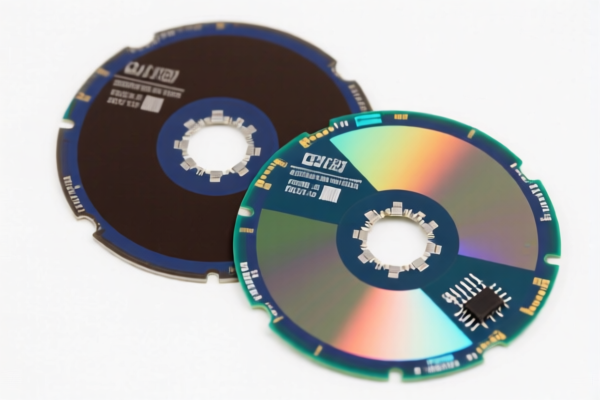
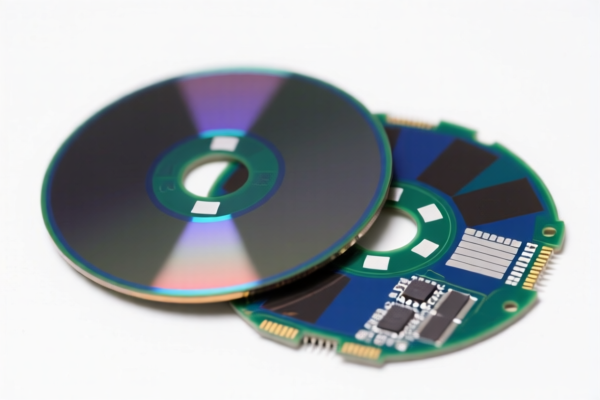
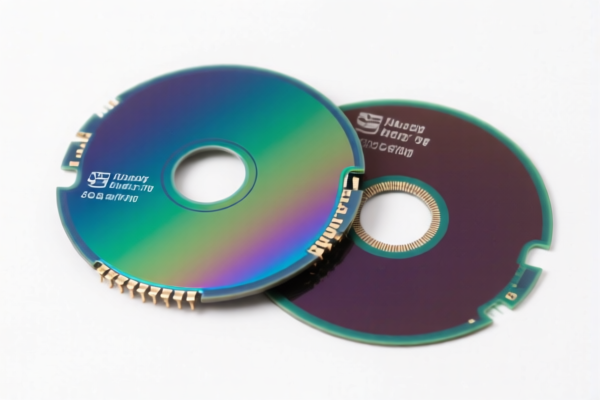
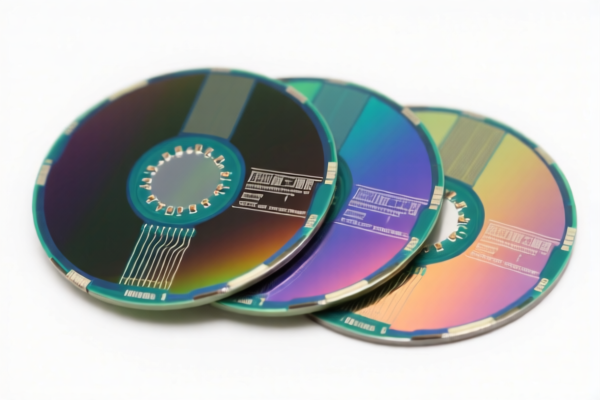
AI Analysis
☀️ Doped Solar Silicon Wafer (光伏掺杂硅片)
🌐 HS Code Reference & Customs Clearance Guide | 2026 Latest Tariff Analysis | Professional Strategy for US Imports
📌 I. Product Definition & Classification: What Exactly Is "Doped Solar Silicon"?
Doped solar silicon wafers are the fundamental semiconductor building blocks of photovoltaic (PV) cells. Unlike pure silicon, these wafers have been chemically altered ("doped") with impurities (such as Boron or Phosphorus) to create p-type or n-type conductivity, enabling the generation of electricity when exposed to light.
In international trade, these materials are categorized based on their purity, physical form, and processing state:
Monocrystalline/Polycrystalline Wafers (3818 Series):
Highly refined silicon wafers ready for cell fabrication. They possess specific doping characteristics and are typically flat, disc-shaped, or wafer-cut.
Silicon Carbide Precursors (2849 Series):
Raw materials, granules, or powders used to produce silicon or silicon-based materials. These are not finished wafers but rather the chemical feedstock or intermediate products.
⚠️ Key Distinction Point:
- If the item is a finished wafer with specific doping for solar applications →归入 3818
- If the item is a chemical compound/powder/granules (Silicon Carbide) used as raw material →归入 2849
📦 II. HS Code Classification Details (2026 Latest Tariff Authority Comparison)
| HS Code | Product Description | Application Scenario | Doping/Processing State |
|---|---|---|---|
3818.00.00.20 |
Doped silicon photovoltaic materials or silicon wafers, featuring specific doping characteristics and polycrystalline silicon wafer material traits | Finished solar wafers (Mono/Polycrystalline) ready for cell production | ✅ Yes, specific doping |
3818.00.00.95 |
Doped materials, silicon-based, falling under other doped elements or compounds (catch-all category) | Other doped silicon materials not specifically described in 3818.00.00.20 | ✅ Yes, general doping |
2849.20.20.00 |
Silicon Carbide in granular, ground, or refined form, suitable for PV materials | Raw materials, granules, or refined powders for PV manufacturing | ❌ No (Chemical Compound) |
2849.20.10.00 |
Unrefined Silicon Carbide, suitable for raw or primary product form PV materials | Crude Silicon Carbide, raw chunks, unprocessed feedstock | ❌ No (Unrefined) |
🔍 Critical Reminder:
- Finished Wafers (cut, polished, doped) MUST be classified under 3818. Do not misclassify as raw materials to avoid penalties. - Silicon Carbide (SiC) is a compound (Si + C), not pure silicon. It is classified under 2849, even if used for solar-related purposes. - The term "Doped" in the product name strongly points toward 3818 if it is elemental silicon, but if the chemical structure is SiC, it falls under 2849.
💰 III. 2026 Latest Tariff Rate Details (Including Surtaxes & Policy Add-ons)
✅ Applicable Country: United States (US)
✅ Origin: China (CN)
✅ Effective Date: 2025–2026 (Current Trade Rules)
🎯 1. 3818.00.00.20 —— Doped Silicon Solar Wafers (Specific)
| Item | Content |
|---|---|
| Base Tariff | 0.0% (ad valorem) |
| Section 301 Surtax | +50.0% (Trade Remedy Duties on Chinese Goods) |
| Section 122 Tariff | +10.0% (Specific provision for solar materials/related goods) |
| Total Tariff | 60.0% |
| Tax Calculation | CIF Value × 60% |
| De Minimis Eligibility | ❌ NO (deny_de_minimis) |
| Legal Basis Path | USITC:3818.00.00.20 → Section 301: 50% → Section 122: 10% |
📌 Explanation:
- The 50% surtax is the current standard Section 301 tariff for many Chinese electronic components and raw materials. - The 10% Section 122 tariff is an additional layer specifically targeting certain solar-related inputs or strategic materials. - Total 60% is a VERY HIGH tariff. Cost planning must account for this massive markup.
🎯 2. 3818.00.00.95 —— Other Doped Silicon Materials (Catch-all)
| Item | Content |
|---|---|
| Base Tariff | 0.0% |
| Section 301 Surtax | +50.0% |
| Section 122 Tariff | +10.0% |
| Total Tariff | 60.0% |
| Tax Calculation | CIF Value × 60% |
| De Minimis Eligibility | ❌ NO |
| Legal Basis Path | USITC:3818.00.00.95 → Section 301: 50% → Section 122: 10% |
📌 Note:
- Same high tariff burden as3818.00.00.20. - Used for doped silicon materials that don't fit the specific "polycrystalline wafer" definition but are still elemental silicon-based doping agents.
🎯 3. 2849.20.20.00 —— Refined Silicon Carbide
| Item | Content |
|---|---|
| Base Tariff | 0.5% |
| Section 301 Surtax | 0.0% (Note: Some SiC categories may have different Section 301 rates, but per data provided, it is 0%) |
| Section 122 Tariff | +10.0% |
| Total Tariff | 10.5% |
| Tax Calculation | CIF Value × 10.5% |
| De Minimis Eligibility | ❓ Check specific ruling, but generally lower risk |
| Legal Basis Path | USITC:2849.20.20.00 → Section 122: 10% |
📌 Explanation:
- Silicon Carbide is treated differently from pure silicon wafers. - Only 10.5% total tariff. This is significantly cheaper than the 60% for doped silicon wafers. - Crucial: Ensure the product is indeed SiC granules/powder, not pure silicon wafers.
🎯 4. 2849.20.10.00 —— Unrefined Silicon Carbide
| Item | Content |
|---|---|
| Base Tariff | 0.0% |
| Section 301 Surtax | 0.0% |
| Section 122 Tariff | +10.0% |
| Total Tariff | 10.0% |
| Tax Calculation | CIF Value × 10.0% |
| De Minimis Eligibility | ❓ Check specific ruling |
| Legal Basis Path | USITC:2849.20.10.00 → Section 122: 10% |
📌 Note:
- Lowest tariff option at 10%. - Applies only to unrefined SiC. Misdeclaring refined wafers as unrefined raw material is a serious customs violation.
🛠️ IV. Customs Clearance Practical Advice (Combat Pitfall Guide)
✅ 1. Required Documentation Checklist (Non-negotiable)
| Document | Mandatory? | Description |
|---|---|---|
| ✅ Product Specification Sheet | ✔️ | Must clearly state: "Doped Silicon Wafer" OR "Silicon Carbide Powder". Include doping type (P/N type) and concentration. |
| ✅ Technical Data Sheet (TDS) | ✔️ | Shows chemical composition. Essential to distinguish between pure Silicon (Si) and Silicon Carbide (SiC). |
| ✅ Product Photos (Clear Labels) | ✔️ | Show wafer shape/size for Si, or granular form for SiC. |
| ✅ Commercial Invoice | ✔️ | Must accurately describe the good. Avoid vague terms like "Solar Parts". Use "Doped Silicon Wafers, HS 3818.00.00.20". |
| ✅ Certificate of Origin (CO) | ✔️ | If not from China, may avoid tariffs. For Chinese origin, tariffs apply. |
| ✅ Bill of Lading / Air Waybill | ✔️ | Consistent description with invoice. |
✅ 2. Declaration Tips (Key Mantras)
🔥 "Wafer is 3818, SiC is 2849, Don't Mix Them Up!"
| Scenario | Correct Declaration | Incorrect Action |
|---|---|---|
| Finished Solar Wafer | 3818.00.00.20 / 3818.00.00.95 |
Declare as "Raw Material" → 60% Tax |
| Silicon Carbide Granules | 2849.20.20.00 |
Declare as "Silicon Wafer" → 10.5% Tax (if SiC) vs 60% (if mislabeled Si) |
| Unrefined SiC | 2849.20.10.00 |
Declare as "Refined SiC" → 10.0% Tax |
| Mixed Shipment | Split Declaration | Combine into one line item → Customs Audit Risk |
📌 Warning:
- Never declare a doped silicon wafer as Silicon Carbide to save tax. Chemical analysis will reveal the difference. - Never declare refined SiC as unrefined if it has been processed/purified.
✅ 3. Special Circumstances Handling
| Situation | Handling Advice |
|---|---|
| OEM Custom Doping | Provide doping concentration reports. If doping is unusual, may fall under 3818.00.00.95. |
| SiC for PV Substrates | Ensure HS code is 2849, not 3818. SiC substrates are chemically different from silicon wafers. |
| Transshipment via Vietnam | High risk of scrutiny. Origin must be truly transformed. Tariff evasion attempts are heavily penalized. |
| Pre-Ruling Application | Highly recommended for large shipments. Apply for an Advance Ruling from US CBP to confirm HS Code and duty rate. |
🌍 V. Global Market Comparison (2026 Latest)
| Country/Region | Recommended HS Code | Tariff (China Origin) | Certification | Notes |
|---|---|---|---|---|
| 🇺🇸 USA | 3818.00.00.20 / 2849.20.xx |
60% (Si) / 10-10.5% (SiC) | None specific | Highest Tariff Risk. Section 122 & 301 apply. |
| 🇨🇳 China | 3818 / 2849 |
0% - 5% | N/A | Export market. |
| 🇪🇺 EU | 3818 / 2849 |
0% - 6% | CE, RoHS | No Section 122 equivalent. |
| 🇮🇳 India | 3818 / 2849 |
10% - 28% | BIS | Anti-dumping duties may apply. |
📌 Conclusion:
- USA is the most expensive market for doped silicon wafers due to the 60% combined tariff. - Silicon Carbide (SiC) is significantly cheaper to import into the US (10-10.5%) but is a different product than silicon wafers. Do not confuse them.
📌 VI. Common Errors & Pitfall Guide (Blood & Tears Lessons)
❌ Mistake 1: Declaring Doped Silicon Wafers as Raw Silicon or SiC
👉 Consequence: Customs detects mismatch via chemical analysis. 60% Tax becomes due + penalties + seizure.
❌ Mistake 2: Declaring Finished Wafers as Unrefined SiC
👉 Consequence: Legal fraud. Heavy fines. Loss of import privileges.
❌ Mistake 3: Ignoring Section 122
👉 Consequence: Under-declaration. If Section 122 applies, you owe an extra 10% on top of Section 301.
❌ Mistake 4: Using vague descriptions like "Solar Materials"
👉 Consequence: CBP detention, audit, and potential reclassification to a higher duty rate.
✅ Correct Approach:
"Doped Silicon Wafers, Polycrystalline, P-Type, 156mm, for Solar Cell Manufacturing, HS 3818.00.00.20"
OR
"Silicon Carbide, Refine Powder, for PV Substrates, HS 2849.20.20.00"
🎯 VII. Conclusion: Professional Declaration, Cost Control & Efficiency
🎯 Remember the Mantra:
🔹 "Silicon Wafer = 60% Tax, SiC Powder = 10% Tax"
🔹 "HS Code Determines Destiny, 50% Difference in Cost"
🔹 "Declare Accurately, Avoid Detention, Protect Your Margin!"
📌 Pro Tip:
If your products are originating from Vietnam, Malaysia, or Thailand, and undergo substantial transformation, you MAY qualify for 0% Section 301 tariff. However, you must provide solid proof of origin (Form B, production records). Simple transshipment is illegal.
📣 Immediate Action:
📞 Contact a licensed US Customs Broker
📝 Provide Product Specs + Photos
🚀 Apply for CBP Advance Ruling to lock in the correct HS Code and tariff rate before shipping.
✨ Professional Clearance Starts with Accurate Classification!
💼 Every cent counts. Optimize your tariff strategy today!
Customer Reviews
About HS Code Classification
The Harmonized System (HS) is an internationally standardized nomenclature developed by the World Customs Organization (WCO) to classify traded products. Over 200 countries use the HS system as the basis for customs tariffs, trade statistics, and import/export regulations.
Each HS code follows a hierarchical structure:
- Chapter (2 digits) — Broad category of goods (e.g., Chapter 84: Machinery and Mechanical Appliances)
- Heading (4 digits) — More specific grouping within the chapter
- Subheading (6 digits) — Internationally standardized breakdown, used by all WCO member countries
- National subdivisions (8-10 digits) — Country-specific extensions for further classification, such as US HTSUS 10-digit codes
Correct HS code classification is essential for smooth customs clearance, accurate duty payment, and compliance with trade regulations. Misclassification can lead to customs delays, overpayment of duties, or penalties.
When importing from CN to US, the applicable tariff rates may include:
- Most-Favored-Nation (MFN) rate — The standard duty rate applied to WTO members
- General rate — Applied to countries without trade agreements
- Trade remedy duties — Additional tariffs such as Section 301 (anti-dumping), Section 232 (national security), or countervailing duties
The information provided on this page is for reference purposes only. For official classification, please consult with your local customs authority or a licensed customs broker.