Double Layer Double Drawer Large Desktop Storage Box
CN → US| HS Code | Tariff Rate | Origin | Destination | Doc |
|---|---|---|---|---|
| 4421919880 | 38.3% | CN | US | Official Doc |
| 4421999880 | 38.3% | CN | US | Official Doc |
| 3926100000 | 15.3% | CN | US | Official Doc |
| 3926909989 | 22.8% | CN | US | Official Doc |
| 4421999880 | 38.3% | CN | US | Official Doc |
Product Images
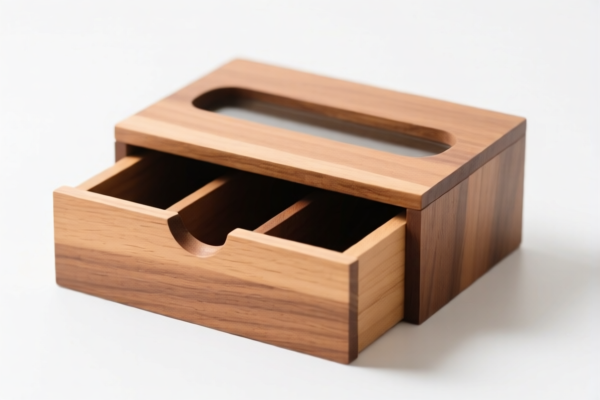
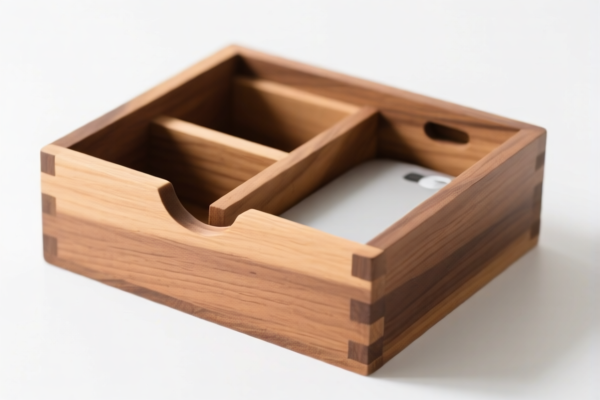
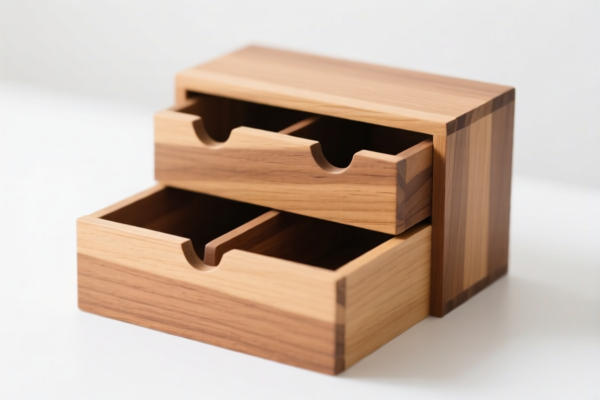
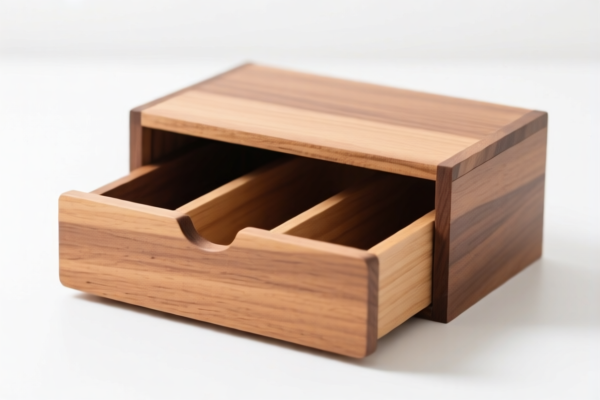
AI Analysis
📦 Large Desktop Storage Box (Double Layer, Double Drawer)
🌐 HS Code Reference & Customs Clearance Guide | 2026 Latest Tariff Analysis | Professional Clearance Strategy
📌 I. Product Definition & Classification: What Exactly Is This "Storage Box"?
A "Double Layer, Double Drawer Large Desktop Storage Box" is a versatile organizational tool used in offices, schools, and homes. In international trade, its classification depends entirely on the material composition. The same physical structure can fall under drastically different tariff codes if made of wood versus plastic.
Key Distinction Points: 1. Wooden Variants: If made of wood, MDF, or bamboo, it is classified under Chapter 44 (Wood and articles of wood). 2. Plastic Variants: If made of ABS, PP, PVC, or other plastics, it is classified under Chapter 39 (Plastics and articles thereof). 3. Hybrid/Complex: Rarely, if it contains significant metal mechanisms, it might shift, but pure wood/plastic storage boxes follow the primary material rule.
⚠️ Critical Warning:
- If you declare a wooden box as plastic (or vice versa), it constitutes misdeclaration, leading to customs detention, fines, or forced return of goods.
- The "Double Drawer" feature does not create a new HS code category; it is considered part of the "other" or "miscellaneous" classification within the material chapter.
📦 II. HS Code Classification Details (Based on Provided Data)
The following HS Codes are inferred from the product name based on material assumptions. Note that Wooden items attract significantly higher tariffs due to additional duties.
| HS Code | Material Inferred | Summary/Description | Total Tariff Rate | Tax Breakdown |
|---|---|---|---|---|
| 4421.91.98.80 | Wood | Classified as other wooden products, specifically storage/organization items. | 38.3% | Base: 3.3% Add'l: 25.0% Sec 122: 10% |
| 4421.99.98.80 | Wood | Fallback category for other wooden products. Fits desktop organization features. | 38.3% | Base: 3.3% Add'l: 25.0% Sec 122: 10% |
| 3926.10.00.00 | Plastic | Office/school supplies made of plastic. | 15.3% | Base: 5.3% Add'l: 0.0% Sec 122: 10% |
| 3926.90.99.89 | Plastic | Other plastic articles not specifically listed elsewhere. | 22.8% | Base: 5.3% Add'l: 7.5% Sec 122: 10% |
🔍 Analysis of Tariff Disparity:
- Wooden Options (4421.xxxx): Carry a 25% additional tariff (likely Section 301 or similar trade remedy) + 10% (Section 122), resulting in 38.3% total.
- Plastic Options (3926.xxxx): Carry either 0% or 7.5% additional tariff + 10% (Section 122), resulting in 15.3% or 22.8% total.
- Savings: Choosing the correct plastic classification can save you ~15-23% in tariffs compared to wood.
💰 III. Tariff Rate Detailed Explanation (2026 Latest)
✅ Applicable Country: United States (US)
✅ Origin: China (CN) (Inferred from "Section 122" and high additional tariffs typical of US-China trade)
✅ Effective Time: Current Trade Policies
🎯 1. Wooden Storage Boxes (4421.91.98.80 / 4421.99.98.80)
| Item | Detail |
|---|---|
| Base Tariff | 3.3% |
| Additional Tariff | +25.0% (High penalty rate for Chinese wooden goods) |
| Section 122 Tariff | +10.0% (Specific provision for certain imports) |
| Total Effective Rate | 38.3% |
| Calculation | CIF Value × 38.3% |
| De Minimis Exemption | ❌ Not Eligible (Value likely exceeds $800, or specific exclusions apply to wooden items) |
📌 Explanation:
- Wooden desktop organizers are heavily taxed. The 25% additional duty is the primary cost driver.
- The 10% Section 122 tariff applies to specific categories, possibly related to security or trade enforcement measures.
- Risk: High duty burden reduces profit margins significantly for wooden SKUs.
🎯 2. Plastic Storage Boxes (3926.10.00.00 / 3926.90.99.89)
| Item | Detail |
|---|---|
| Base Tariff | 5.3% |
| Additional Tariff | 0.0% (for 3926.10) OR 7.5% (for 3926.99) |
| Section 122 Tariff | +10.0% |
| Total Effective Rate | 15.3% (for Office Supplies) or 22.8% (for Other Plastics) |
| Calculation | CIF Value × 15.3% or 22.8% |
| De Minimis Exemption | ❌ Not Eligible (Standard policy for these HS codes from China) |
📌 Explanation:
-3926.10.00.00is the most favorable code for plastic office/school supplies. It has no additional duty beyond the base + Sec 122.
-3926.90.99.89is a "catch-all" for plastics. It incurs a 7.5% additional duty, making it more expensive than3926.10.
- Strategy: If your plastic box can be described as "Office/Stationery Supplies," insist on3926.10.00.00to save the 7.5% additional tariff.
🛠️ IV. Customs Clearance Practical Advice (Pitfall Avoidance)
✅ 1. Material Declaration is Key
| Material | Correct HS Code | Common Mistake | Consequence |
|---|---|---|---|
| Wood/MDF | 4421.91.98.80 or 4421.99.98.80 |
Declare as Plastic | Severe Penalty: Misdeclaration, fines, cargo hold |
| Plastic | 3926.10.00.00 |
Declare as "Furniture" | Wrong Code: Furniture has different rates; potential re-classification delay |
| Metal Parts | Check for mixed materials | Ignore metal hinges | If >70% plastic, still plastic. If metal frame, may shift to Chapter 83 |
🔥 Golden Rule:
"Material Dictates Code, Function Dictates Sub-Code."
- First, confirm: Is it Wood or Plastic?
- Second, for Plastic: Is it specifically for "Office/School" use? If yes, aim for3926.10. If not, use3926.99.
✅ 2. Documentation Requirements
| Document | Required | Notes |
|---|---|---|
| Product Photos | ✔️ | Clear shots of material texture (wood grain vs. smooth plastic) |
| Material Spec Sheet | ✔️ | Explicitly state "100% ABS Plastic" or "Bamboo/Wood" |
| Commercial Invoice | ✔️ | Description: "Plastic Desktop Storage Organizer, Office Use" |
| Packing List | ✔️ | Include dimensions and weight |
| Certifications | ✔️ | If applicable: CARB (for wood), FDA/REACH (for plastics) |
✅ 3. Optimization Strategies
| Scenario | Recommendation |
|---|---|
| Selling Wooden Boxes | Accept the 38.3% duty. Consider pricing in accordingly or sourcing from non-China origins to avoid additional duties. |
| Selling Plastic Boxes | Strongly Prefer 3926.10.00.00. Use keywords like "Office Organizer," "Stationery Holder" in documentation to justify this sub-heading. |
| Hybrid Products | If the box is wood with plastic drawers, determine the essential character. Usually, the main body (wood) dictates the classification, leading to higher taxes. Avoid mixed materials if cost is a concern. |
🌍 V. Global Market Comparison (Quick Reference)
| Market | Recommended HS Code (Plastic) | Estimated Duty (China Origin) | Key Consideration |
|---|---|---|---|
| 🇺🇸 USA | 3926.10.00.00 |
15.3% | High Section 122 tariff. Wood is ~38.3%. |
| 🇪🇺 EU | 3926.90.99 |
~6.5% | No additional "Section 122" style tariffs. |
| 🇨🇦 Canada | 3926.10.00 |
~5% | CUSMA may offer 0% if rules of origin met. |
📌 Conclusion:
The US market imposes heavy burdens on Chinese-origin goods, especially wood. For desktop storage, plastic is the tariff-friendly choice. Within plastic,3926.10is the cheapest due to the absence of additional duties.
📌 VI. Common Errors & Pitfalls (Lessons Learned)
❌ Error 1: Declaring a Wooden box as Plastic to avoid the 25% additional duty.
👉 Result: Customs inspection finds wood grain. Cargo seized, fines imposed, broker blacklisted.
❌ Error 2: Using 3926.99.89 for Office Plastic boxes when 3926.10.00 is available.
👉 Result: Paying 7.5% extra unnecessarily. Total cost 22.8% vs 15.3%.
❌ Error 3: Vague Description: "Storage Box."
👉 Result: Customs officer chooses the highest duty code or delays for clarification.
✅ Fix: Use specific descriptions: "Plastic Desktop Organizer, Double Drawer, for Office Stationery."
🎯 VII. Conclusion: Smart Classification, Maximized Profit
🎯 Key Takeaways:
1. Material First: Verify if your product is Wood or Plastic.
2. Plastic is Cheaper: In the US, Plastic (15.3%-22.8%) is significantly cheaper than Wood (38.3%).
3. Aim for 3926.10: If Plastic, ensure it qualifies as "Office/School Supplies" to get the 0% additional tariff rate.
4. Be Accurate: Never misdeclare material. The risk outweighs the savings.
🔹 "Correct Code, Lower Tax, Smooth Clearance."
📌 Pro Tip:
For large volume shipments, consider applying for a Customs Binding Ruling (CBR) to lock in the HS Code (3926.10.00.00) and avoid future disputes. This provides legal certainty on the 15.3% rate.
📣 Action Item:
📞 Confirm material composition with your supplier immediately.
📄 Update your commercial invoice description to match3926.10.00.00if plastic.
🚀 Optimize your supply chain to maximize profit margins!
✨ Professional Clearance Starts with Accurate Classification!
💼 Your Bottom Line Depends on the First 8 Digits!
Customer Reviews
About HS Code Classification
The Harmonized System (HS) is an internationally standardized nomenclature developed by the World Customs Organization (WCO) to classify traded products. Over 200 countries use the HS system as the basis for customs tariffs, trade statistics, and import/export regulations.
Each HS code follows a hierarchical structure:
- Chapter (2 digits) — Broad category of goods (e.g., Chapter 84: Machinery and Mechanical Appliances)
- Heading (4 digits) — More specific grouping within the chapter
- Subheading (6 digits) — Internationally standardized breakdown, used by all WCO member countries
- National subdivisions (8-10 digits) — Country-specific extensions for further classification, such as US HTSUS 10-digit codes
Correct HS code classification is essential for smooth customs clearance, accurate duty payment, and compliance with trade regulations. Misclassification can lead to customs delays, overpayment of duties, or penalties.
When importing from CN to US, the applicable tariff rates may include:
- Most-Favored-Nation (MFN) rate — The standard duty rate applied to WTO members
- General rate — Applied to countries without trade agreements
- Trade remedy duties — Additional tariffs such as Section 301 (anti-dumping), Section 232 (national security), or countervailing duties
The information provided on this page is for reference purposes only. For official classification, please consult with your local customs authority or a licensed customs broker.