Double Layer Soap Bag
CN → US| HS Code | Tariff Rate | Origin | Destination | Doc |
|---|---|---|---|---|
| 3926909989 | 22.8% | CN | US | Official Doc |
| 3926909905 | 22.8% | CN | US | Official Doc |
| 6307909891 | 24.5% | CN | US | Official Doc |
| 6307909875 | 17.0% | CN | US | Official Doc |
Product Images
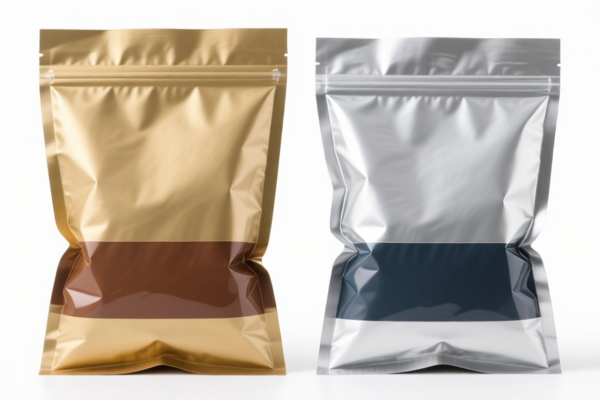
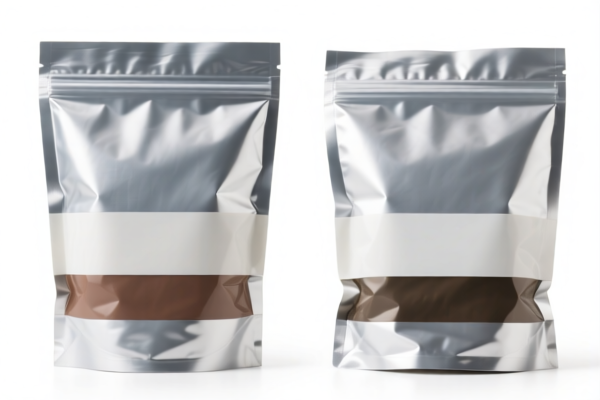
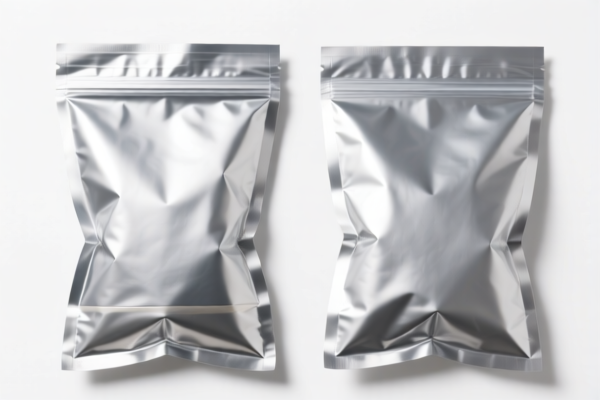
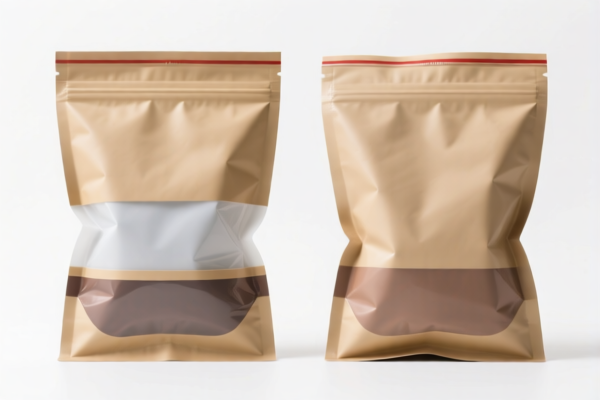
AI Analysis
🧼 Double Layer Soap Bag (Double-Layer Soap Saver)
🌐 HS Code Reference & Customs Clearance Guide | 2024/2025 Latest Tariff Analysis | Professional-Level Clearance Strategy
📌 I. Product Definition & Classification: Do You Really Understand the "Soap Bag"?
The Double Layer Soap Bag is a household textile accessory designed to hold bar soap, creating lather while protecting the soap from melting away too quickly. It also serves as a tool to clean the sink by scrubbing with the bag itself. In international trade, its classification depends heavily on its material composition and functional description.
Based on the provided data, there are two primary classification paths depending on whether the bag is made of textile/fabric or plastic/elastic materials.
⚠️ Key Distinction Point:
- If the bag is made of woven fabric, mesh, or non-woven textile (even if double-layered) → It falls under Heading 6307 (Other made-up articles).
- If the bag is made wholly or principally of plastics (e.g., plastic mesh, elastic bands made of rubber/plastic) → It falls under Heading 3926 (Articles of plastics).
📦 II. HS Code Classification Details (2024/2025 Latest Tariff Authority Comparison)
| HS Code | Product Description | Applicable Scenario | Material Key | Total Tax Rate |
|---|---|---|---|---|
6307.90.98.91 |
Other made up articles, including dress patterns: Other: Other: Other: Other | Textile/Mesh Soap Bags – Typically made of polyester, nylon, or cotton mesh. Double-layered fabric bags. | 🧵 Textile | 14.5% |
6307.90.98.75 |
Other made up articles: ... : Other Face masks... : Other face masks | ⛔ Not Applicable | — | — |
3926.90.99.89 |
Other articles of plastics...: Other: Other: Other | Plastic Soap Bags – Made of PVC, PE, or other plastic films/meshes that are not elastic bands. | ⚙️ Plastic | 12.8% |
3926.90.99.05 |
Other articles of plastics...: Other: Other: Elastic bands made wholly of plastics | ❌ Incorrect Classification | — | — |
🔍 Important Note:
- The code6307.90.98.75refers to Face Masks, which is incorrect for a soap bag. Do not use this code unless you are literally shipping face masks.
- The code3926.90.99.05refers specifically to Elastic Bands made of plastic. While soap bags often have elastic edges, the product itself is not an "elastic band" but a "made-up article." Therefore,3926.90.99.89is the more accurate code for plastic-made soap bags.
- For fabric/mesh soap bags,6307.90.98.91is the correct classification under "Other made-up articles."
💰 III. 2024/2025 Latest Tariff Rate Details (Including Surcharges)
✅ Applicable Country: United States (US)
✅ Country of Origin: China (CN)
✅ Effective Time: Current Rates (Subject to 301 Tariffs)
🎯 1. 6307.90.98.91 —— Textile/Mesh Double-Layer Soap Bag
| Item | Content |
|---|---|
| Base Tariff | 7.0% (Ad Valorem) |
| Section 301 Additional Tariff | +7.5% (List 4/4A specific for certain textile articles or general basket) |
| Total Tax Rate | 14.5% |
| Tax Calculation | CIF Value × 14.5% |
| De Minimis Eligibility | ❌ No (Standard de minimis thresholds do not apply to Section 301 goods in the same way; higher scrutiny) |
| Legal Basis Path | HTSUS:6307.90.98.91 → USITC Footnote: Section 301 → USTR List 4A |
📌 Explanation:
- The 7.0% is the standard MFN (Most Favored Nation) rate for "Other made-up articles" in Chapter 63.
- The 7.5% is the additional tariff imposed under Section 301 of the Trade Act of 1974 on Chinese goods.
- Total: 14.5%. This is a moderate-to-high tax rate for small household items.
🎯 2. 3926.90.99.89 —— Plastic Double-Layer Soap Bag
| Item | Content |
|---|---|
| Base Tariff | 5.3% (Ad Valorem) |
| Section 301 Additional Tariff | +7.5% |
| Total Tax Rate | 12.8% |
| Tax Calculation | CIF Value × 12.8% |
| De Minimis Eligibility | ❌ No (Same as above) |
| Legal Basis Path | HTSUS:3926.90.99.89 → USITC Footnote: Section 301 → USTR List 4A |
📌 Explanation:
- The 5.3% is the standard MFN rate for "Other articles of plastics."
- The 7.5% additional tariff applies similarly to Chinese-origin plastic goods.
- Total: 12.8%. This is slightly lower than the textile version, making plastic soap bags marginally more cost-effective for import.
🛠️ IV. Customs Clearance Practical Advice (Battle-Tested Pitfall Avoidance Guide)
✅ 1. Preparation Checklist (Missing Items = Delays)
| Document | Required | Description |
|---|---|---|
| ✅ Product Photos | ✔️ | Clear images of the bag, showing the double-layer structure, material texture (mesh vs. solid plastic), and any tags. |
| ✅ Material Composition Statement | ✔️ | Must specify: e.g., "100% Polyester Mesh" or "50% PVC, 50% Elastic." This determines the HS Code (6307 vs. 3926). |
| ✅ Commercial Invoice | ✔️ | Must accurately describe the product as "Double Layer Soap Bag" or "Soap Saver," NOT "Face Mask" or "Elastic Band." |
| ✅ Packing List | ✔️ | Net weight and gross weight are critical for verifying volume vs. weight ratios. |
| ✅ Origin Certificate | ✔️ | Proof of Chinese origin triggers the 7.5% additional tariff. |
✅ 2. Declaration Tips (Key Mantras)
🔥 "Material Dictates Code, Description Must Match!"
| Scenario | Correct Declaration | Wrong Action |
|---|---|---|
| Mesh/Fabric Bag | HS: 6307.90.98.91 Name: "Textile Soap Bag, Double Layer, 100% Polyester" |
Misdeclaring as "Plastic" → Risk of audit. |
| Plastic/Mesh Bag | HS: 3926.90.99.89 Name: "Plastic Soap Bag, Double Layer, PVC Mesh" |
Misdeclaring as "Textile" → May incur higher duty if textile rates were higher (not the case here, but principle stands). |
| Bag with Elastic Edge | HS: 3926.90.99.89 (if plastic) OR 6307.90.98.91 (if textile) | Misdeclaring as "Elastic Bands" (3926.90.99.05) → Rejection! It’s a bag, not a band. |
| Confusingly Named | Never use "Face Mask" for a soap bag. | Using 6307.90.98.75 → Severe Penalty Risk! |
✅ 3. Special Circumstances Handling
| Situation | Handling Advice |
|---|---|
| Mixed Material Bag | If the bag is 90% fabric and 10% plastic elastic, it is usually classified as Textile (6307) because fabric is the essential character. |
| Gift Sets | If the soap bag is sold with a bar of soap, the entire set may be classified under the soap’s heading (Chapter 34), which has different rates. Separate shipments are recommended to avoid complex valuation issues. |
| Private Label/OEM | Ensure the invoice lists the generic name "Soap Bag" rather than a brand-specific term that might confuse customs. |
🌍 V. Global Market Comparison (2024/2025 Latest)
| Country/Region | Recommended HS Code | Tariff Rate | Certification Required | Remarks |
|---|---|---|---|---|
| 🇺🇸 USA | 6307.90.98.91 (Textile)3926.90.99.89 (Plastic) |
14.5% (Textile) 12.8% (Plastic) |
None (General) | 301 Tariffs Apply. High scrutiny on Chinese goods. |
| 🇨🇳 China | 6307.90.98.91 |
5.0% - 10% | N/A | Import duties for foreign soap bags. |
| 🇪🇺 EU | 6307.90.98.91 |
4.7% | CE (if marketed as cleaning tool) | No 301-style tariffs. |
| 🇬🇧 UK | 6307.90.98.91 |
4.7% | UKCA (if applicable) | Post-Brexit rules. |
📌 Conclusion:
- The US market has the highest tax burden due to Section 301 tariffs.
- Plastic soap bags are slightly cheaper to import into the US (12.8%) than textile/mesh soap bags (14.5%).
- If your product is mesh-like, customs may debate whether it’s "textile" or "plastic." Always provide a material breakdown.
📌 VI. Common Mistakes & Pitfall Guide (Blood & Tears Lessons)
❌ Mistake 1: Mislabeling "Soap Bag" as "Face Mask" (6307.90.98.75)
👉 Consequence: Immediate rejection or fine. Customs authorities strictly monitor this confusion due to pandemic-era regulations.
❌ Mistake 2: Classifying a plastic soap bag under 3926.90.99.05 (Elastic Bands)
👉 Consequence: Wrong classification. The bag is not an elastic band; it’s a container. This may lead to an audit and back-taxes.
❌ Mistake 3: Not declaring the material composition
👉 Consequence: Customs will reclassify based on their own judgment, often choosing the higher duty rate or imposing penalties for insufficient documentation.
✅ Correct Practice:
"Double Layer Soap Bag, 100% Polyester Mesh, Washable, No Plastic Components" → HS: 6307.90.98.91
"Double Layer Soap Bag, PVC Plastic Mesh, with Elastic Edge" → HS: 3926.90.99.89
🎯 VII. Conclusion: Precision in Classification Saves Money!
🎯 Remember the Mantra:
🔹 "Fabric = 6307 (14.5%), Plastic = 3926 (12.8%), Mask = NO WAY!"
🔹 "301 Tariffs add 7.5% to everything Chinese. Plan your supply chain accordingly!"
🔹 "One extra dollar spent on accurate material declaration saves $15 in duties per $100 shipment."
📌 Pro Tip:
If you are importing large quantities, consider:
1. Pre-classification Ruling: Apply for an HTSUS Ruling from US Customs and Border Protection (CBP) to get a legally binding decision on whether your specific bag is textile or plastic.
2. Supply Chain Diversification: If tariffs are prohibitive, consider sourcing from Vietnam or Thailand (if free trade agreements apply) to avoid the 7.5% Section 301 tariff.
📣 Immediate Action:
📞 Contact a Licensed Customs Broker + Provide Material Swatch + Verify HS Code
🚀 Clear Your Soap Bags, Avoid Delays, and Maximize Profit Margins!
✨ Professional Customs Clearance Starts with Precise Classification!
💼 Every Percentage Point of Tariff Matters in the Age of Trade Wars!
Customer Reviews
About HS Code Classification
The Harmonized System (HS) is an internationally standardized nomenclature developed by the World Customs Organization (WCO) to classify traded products. Over 200 countries use the HS system as the basis for customs tariffs, trade statistics, and import/export regulations.
Each HS code follows a hierarchical structure:
- Chapter (2 digits) — Broad category of goods (e.g., Chapter 84: Machinery and Mechanical Appliances)
- Heading (4 digits) — More specific grouping within the chapter
- Subheading (6 digits) — Internationally standardized breakdown, used by all WCO member countries
- National subdivisions (8-10 digits) — Country-specific extensions for further classification, such as US HTSUS 10-digit codes
Correct HS code classification is essential for smooth customs clearance, accurate duty payment, and compliance with trade regulations. Misclassification can lead to customs delays, overpayment of duties, or penalties.
When importing from CN to US, the applicable tariff rates may include:
- Most-Favored-Nation (MFN) rate — The standard duty rate applied to WTO members
- General rate — Applied to countries without trade agreements
- Trade remedy duties — Additional tariffs such as Section 301 (anti-dumping), Section 232 (national security), or countervailing duties
The information provided on this page is for reference purposes only. For official classification, please consult with your local customs authority or a licensed customs broker.