Double sided Cloth Tape
CN → US| HS Code | Tariff Rate | Origin | Destination | Doc |
|---|---|---|---|---|
| 3919905060 | 40.8% | CN | US | Official Doc |
| 3926909989 | 22.8% | CN | US | Official Doc |
| 3926904590 | 38.5% | CN | US | Official Doc |
| 5603910090 | 35.0% | CN | US | Official Doc |
| 5603110070 | 35.0% | CN | US | Official Doc |
Product Images
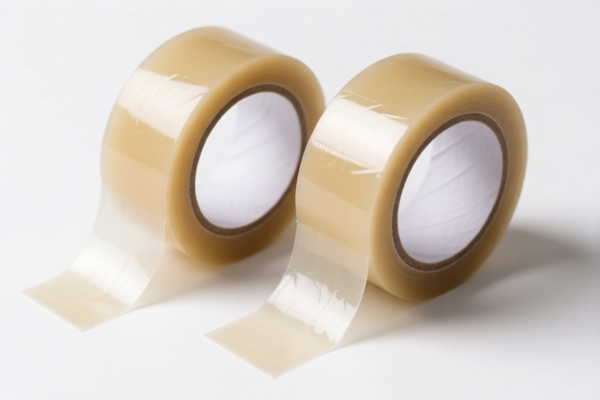
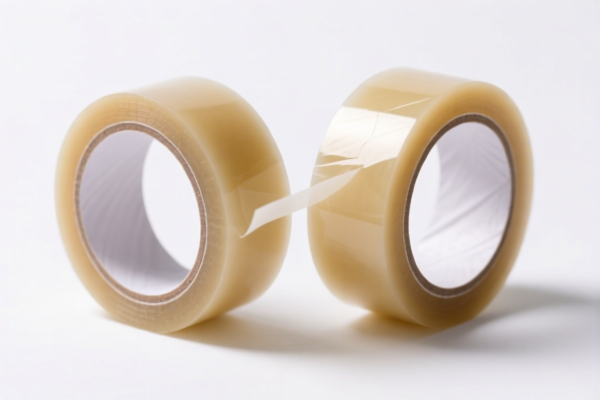
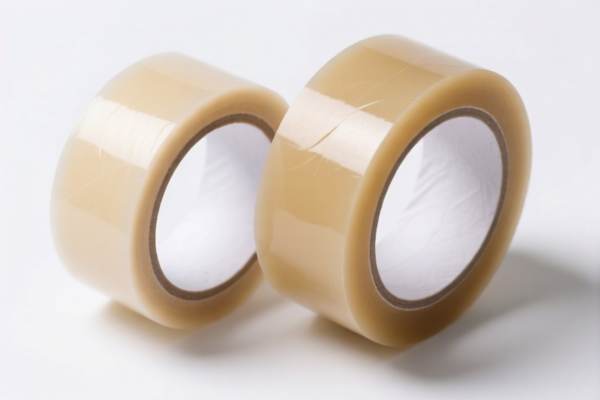
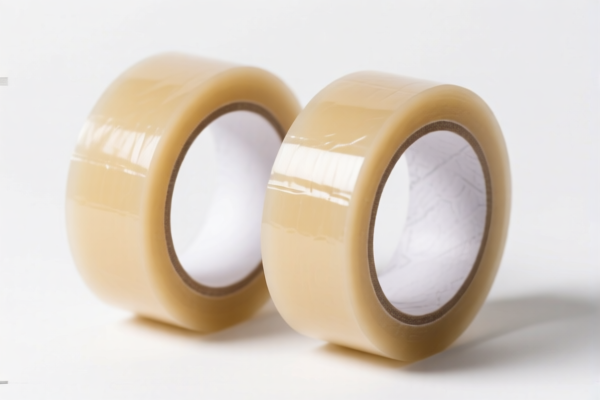
AI Analysis
🩹 Double-Sided Cloth Tape: The Ultimate Industrial Binding Solution
🌐 HS Code Reference & Customs Clearance Guide | 2026 Latest Tariff Analysis | Professional-Level Clearance Strategy
📌 I. Product Definition & Classification: Do You Really Know "Double-Sided Cloth Tape"?
Double-sided cloth tape (often referred to as cloth duct tape or heavy-duty adhesive tape) is a versatile bonding material consisting of a cloth substrate laminated with pressure-sensitive adhesive on both sides. In international trade, its classification hinges on two critical factors: Base Material and Form.
Key Distinction: - Plastic-Backed Tape: If the backing is primarily PVC, PET, or PP film, it falls under Chapter 39 (Plastics). - Cloth/Non-Woven-Backed Tape: If the backing is woven fabric or non-woven material, it falls under Chapter 56 (Textiles/Non-wovens) or Chapter 39 (if classified as a plastic impregnated product).
⚠️ Critical Classification Point:
- If the cloth base is dominant and clearly identifiable as textile/non-woven → Chapter 56 or 39 (depending on specific composition).
- If the adhesive/coating makes it primarily a plastic product → Chapter 39.
- Note: Customs often scrutinizes "cloth tape" to determine if it's essentially a textile product with plastic backing or a plastic product with cloth reinforcement.
📦 II. HS Code Classification Details (2026 Latest Tariff Authority Comparison)
Based on the provided data, here are the five most relevant HS Codes for Double-Sided Cloth Tape, along with their tax implications for imports into the US from China.
| HS Code | Summary & Classification Logic | Total Tax Rate | Tax Detail Breakdown |
|---|---|---|---|
| 3919.90.50.60 | Primary Fit: Classified as other flat-shaped plastic products. Inferred material is plastic substrate. Suitable for tapes where plastic backing is dominant. | 40.8% | Base Duty: 5.8% Section 301 Duty: 25.0% Section 122 Duty: 10% |
| 3926.90.99.89 | Fallback Category: "Other articles of plastics and articles of other materials." Fits if the tape is considered a miscellaneous plastic article not elsewhere specified. | 22.8% | Base Duty: 5.3% Section 301 Duty: 7.5% Section 122 Duty: 10% |
| 3926.90.45.90 | Sealing/Gasket Category: Inferred as plastic/synthetic base, shaped for sealing/adhesive purposes. Fits "other gaskets, washers, or similar articles." | 38.5% | Base Duty: 3.5% Section 301 Duty: 25.0% Section 122 Duty: 10% |
| 5603.91.00.90 | Non-Woven Category: Inferred material is non-woven fabric or similar base. Classified under non-wovens, coated or laminated. | 35.0% | Base Duty: 0.0% Section 301 Duty: 25.0% Section 122 Duty: 10% |
| 5603.11.00.70 | Non-Woven Light Weight: Inferred non-woven material, lightweight. Fits non-woven products application scope with no obvious conflict. | 35.0% | Base Duty: 0.0% Section 301 Duty: 25.0% Section 122 Duty: 10% |
🔍 Key Takeaway:
- Highest Cost:3919.90.50.60at 40.8% (if classified strictly as plastic tape).
- Lowest Cost:3926.90.99.89at 22.8% (if classified as a general plastic article with lower Section 301 rate).
- Material-Based:5603.xxxxcodes have 0% base duty, but still carry 35.0% total due to Section 301 and 122 duties.
💰 III. 2026 Latest Tariff Rate Breakdown (Including Surcharges & Policy Add-ons)
✅ Applicable Country: United States (US)
✅ Country of Origin: China (CN)
✅ Effective Date: From November 10, 2025 (for subsequent imports)
🎯 1. 3919.90.50.60 —— Plastic Backed Tape (Other Flat-Shaped Products)
| Item | Content |
|---|---|
| Base Duty Rate | 5.8% (Ad Valorem) |
| Section 301 Duty | +25.0% (High Risk Category) |
| Section 122 Duty | +10.0% (China-Specific) |
| Total Duty Rate | 40.8% |
| Tax Calculation | CIF Value × 40.8% |
| De Minimis Exemption | ❌ Not Eligible (High tariff rate exceeds threshold) |
| Legal Authority Path | USITC:3919.90.50.60 → Section 301: 25% → Section 122: 10% |
📌 Explanation:
- This classification assumes the tape is primarily a plastic product.
- Section 301 (25%) is the most significant burden, applied to many plastic tape products.
- Section 122 (10%) is a specific surcharge on certain Chinese imports.
- Total 40.8% is extremely high; precise material documentation is crucial to argue for a lower category.
🎯 2. 3926.90.99.89 —— Other Plastic Articles (Best Cost Option?)
| Item | Content |
|---|---|
| Base Duty Rate | 5.3% |
| Section 301 Duty | +7.5% (Lower Rate Category) |
| Section 122 Duty | +10.0% |
| Total Duty Rate | 22.8% |
| Tax Calculation | CIF Value × 22.8% |
| De Minimis Exemption | ❌ Not Eligible |
| Legal Authority Path | USITC:3926.90.99.89 → Section 301: 7.5% → Section 122: 10% |
📌 Note:
- This is a "catch-all" category for plastic articles.
- Significant Savings: Only 22.8% total duty vs. 40.8%.
- Strategy: If your cloth tape has a plastic coating/backing that doesn't fit "flat shaped plastic products" (3919), argue for this broader category to save 18% in taxes.
🎯 3. 3926.90.45.90 —— Other Gaskets/Washers/Seals
| Item | Content |
|---|---|
| Base Duty Rate | 3.5% |
| Section 301 Duty | +25.0% |
| Section 122 Duty | +10.0% |
| Total Duty Rate | 38.5% |
| Tax Calculation | CIF Value × 38.5% |
| De Minimis Exemption | ❌ Not Eligible |
| Legal Authority Path | USITC:3926.90.45.90 → Section 301: 25% → Section 122: 10% |
📌 Caution:
- This classification is risky. Cloth tape is rarely considered a "gasket" or "washer" unless specifically manufactured for sealing purposes in a mechanical context.
- High Cost: Only slightly better than 3919.90.50.60.
🎯 4. & 5. 5603.91.00.90 / 5603.11.00.70 —— Non-Woven Fabric Base
| Item | Content |
|---|---|
| Base Duty Rate | 0.0% |
| Section 301 Duty | +25.0% |
| Section 122 Duty | +10.0% |
| Total Duty Rate | 35.0% |
| Tax Calculation | CIF Value × 35.0% |
| De Minimis Exemption | ❌ Not Eligible |
| Legal Authority Path | USITC:5603.xxxx → Section 301: 25% → Section 122: 10% |
📌 Opportunity:
- 0% Base Duty is attractive, but the 35% Total is still higher than the 22.8% option.
- Condition: Must prove the base material is non-woven fabric (e.g., polyester non-woven) and not woven cloth or plastic film.
- Documentation: Must provide material composition sheets proving non-woven status.
🛠️ IV. Customs Clearance Practical Advice (Battle-Tested Pitfall Avoidance)
✅ 1. Essential Documentation Checklist (Non-Negotiable)
| Document | Required | Explanation |
|---|---|---|
| ✅ Product Specification Sheet | ✔️ | Must detail: Substrate (Cloth/Non-woven/Plastic), Adhesive Type, Thickness, Width. |
| ✅ Material Composition Report | ✔️ | Crucial for determining if it falls under Chapter 39 (Plastic) or Chapter 56 (Textile/Non-woven). |
| ✅ Product Photos (Clear & Labeled) | ✔️ | Show cross-section if possible, to distinguish layers. |
| ✅ Commercial Invoice | ✔️ | Must accurately describe the product (e.g., "Double-Sided Adhesive Tape, Non-Woven Base"). |
| ✅ Packing List | ✔️ | Clear indication of net/gross weight and number of rolls. |
| ✅ Third-Party Test Report | ✔️ | Optional but helpful: ASTM or ISO standards for adhesive strength. |
✅ 2. Declaration Strategy (Key Mnemonics)
🔥 “Base Material Matters, Adhesive is Secondary, Describe Clearly, Save on Taxes!”
| Scenario | Correct Declaration | Wrong Practice |
|---|---|---|
| Plastic-Backed Cloth Tape | 3919.90.50.60 or 3926.90.99.89 |
Mislabeling as "Textile Tape" → Penalty for misclassification. |
| Non-Woven Cloth Tape | 5603.91.00.90 or 5603.11.00.70 |
Declaring as "Plastic Tape" → Missed 0% base duty opportunity. |
| General Cloth Tape | 3926.90.99.89 (Lowest Tax) |
Declaring as 3919.90.50.60 → Paying 18% more tax. |
| Sealing Tape (Industrial) | 3926.90.45.90 |
Only if specifically for gasket/washer use; otherwise risky. |
✅ 3. Special Situations
| Situation | Handling Advice |
|---|---|
| OEM Custom Tape | Provide customer order + design specs. Avoid "general" descriptions. |
| Mixed Shipments | Do NOT mix different HS Codes on one invoice without clear separation. |
| High-Value Shipment | Consider applying for an Advance Ruling from CBP to lock in the HS Code and tax rate. |
| Non-Woven Proof | If claiming 5603 codes, provide a lab test report proving non-woven structure (no weaving threads). |
🌍 V. Global Market Comparison (2026 Latest)
| Country/Region | Recommended HS Code | Tariff (China Origin) | Certification | Notes |
|---|---|---|---|---|
| 🇺🇸 USA | 3926.90.99.89 |
22.8% | N/A | Best balance of cost and flexibility. |
| 🇨🇳 China | 3919.10.00.00 |
~5-10% | CCC (if applicable) | Import duty lower, but export from China is the focus. |
| 🇪🇺 EU | 3919.10.00.00 |
6.5% | CE (if self-adhesive) | No Section 301/122 equivalent. |
| 🇬🇧 UK | 3919.10.00.00 |
6.5% | UKCA | Post-Brexit rules apply. |
| 🇯🇵 Japan | 3919.10.00.00 |
6.0% | PSE (if electrical) | Generally low tariffs. |
📌 Conclusion:
- USA is the most expensive market due to Section 301 and 122 duties.
- Strategic Recommendation: Aim for3926.90.99.89(22.8%) by arguing the tape is a "miscellaneous plastic article" rather than a "flat plastic product."
- Alternative: If the base is truly non-woven,5603codes offer 35.0%, which is still better than 40.8% but worse than 22.8%.
📌 VI. Common Errors & Pitfall Guide (Lessons from the Field)
❌ Error 1: Describing the product simply as "Tape"
👉 Consequence: Customs may assign a default high-rate code or reject the entry.
👉 Fix: Always specify "Double-Sided Adhesive Tape, [Material] Base."
❌ Error 2: Claiming "Textile Tape" for Plastic-Backed Tape
👉 Consequence: Misclassification penalty, potential detention.
👉 Fix: If the backing is plastic, it’s Chapter 39, even if it has a cloth-like appearance.
❌ Error 3: Ignoring Section 122 Duties
👉 Consequence: Underpaying taxes, resulting in back taxes + interest.
👉 Fix: Always factor in the 10% Section 122 surcharge for China-origin goods in these categories.
❌ Error 4: Using "Cloth Tape" without material proof
👉 Consequence: If CBP inspects and finds plastic, they will reassess at 3919.90.50.60 (40.8%).
👉 Fix: Have lab reports ready to prove material composition.
✅ Correct Practice:
"Double-Sided Adhesive Tape, Polypropylene Film Backing, Acrylic Adhesive, 50mm Width, Industrial Use"
→ Declared under3926.90.99.89(22.8%)
🎯 VII. Conclusion: Precision in Classification Saves Money!
🎯 Remember the Mantra:
🔹 "Base Material Dictates Chapter, Section 301 Adds 25%, Section 122 Adds 10%."
🔹 "Aim for 3926.90.99.89 to Save 18% vs. 3919.90.50.60."
🔹 "Non-Woven? Consider 5603. But Check Base Duty!"
📌 Pro Tip:
If your tape qualifies as non-woven fabric, provide lab test reports proving the structure. This can help argue for Chapter 56, though 3926.90.99.89 remains the lowest cost option at 22.8%.
For high-volume shipments, apply for a CBP Advance Ruling to secure the 22.8% rate and avoid surprise audits.
📣 Immediate Action:
📞 Consult a Licensed Customs Broker
📄 Prepare Material Composition Reports
🚀 Secure Your HS Code Pre-Ruling
💰 Optimize Your Supply Chain Costs Today!
✨ Professional Clearance, Precise Classification, Maximum Savings!
💼 Every Percentage Point of Duty is a Line Item in Your P&L!
Customer Reviews
About HS Code Classification
The Harmonized System (HS) is an internationally standardized nomenclature developed by the World Customs Organization (WCO) to classify traded products. Over 200 countries use the HS system as the basis for customs tariffs, trade statistics, and import/export regulations.
Each HS code follows a hierarchical structure:
- Chapter (2 digits) — Broad category of goods (e.g., Chapter 84: Machinery and Mechanical Appliances)
- Heading (4 digits) — More specific grouping within the chapter
- Subheading (6 digits) — Internationally standardized breakdown, used by all WCO member countries
- National subdivisions (8-10 digits) — Country-specific extensions for further classification, such as US HTSUS 10-digit codes
Correct HS code classification is essential for smooth customs clearance, accurate duty payment, and compliance with trade regulations. Misclassification can lead to customs delays, overpayment of duties, or penalties.
When importing from CN to US, the applicable tariff rates may include:
- Most-Favored-Nation (MFN) rate — The standard duty rate applied to WTO members
- General rate — Applied to countries without trade agreements
- Trade remedy duties — Additional tariffs such as Section 301 (anti-dumping), Section 232 (national security), or countervailing duties
The information provided on this page is for reference purposes only. For official classification, please consult with your local customs authority or a licensed customs broker.