Double sided Film
CN → US| HS Code | Tariff Rate | Origin | Destination | Doc |
|---|---|---|---|---|
| 3919102055 | 40.8% | CN | US | Official Doc |
| 4823906000 | 35.0% | CN | US | Official Doc |
| 4823906700 | 35.0% | CN | US | Official Doc |
Product Images
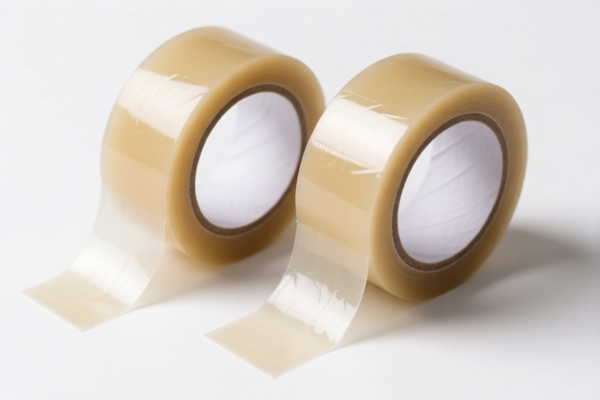
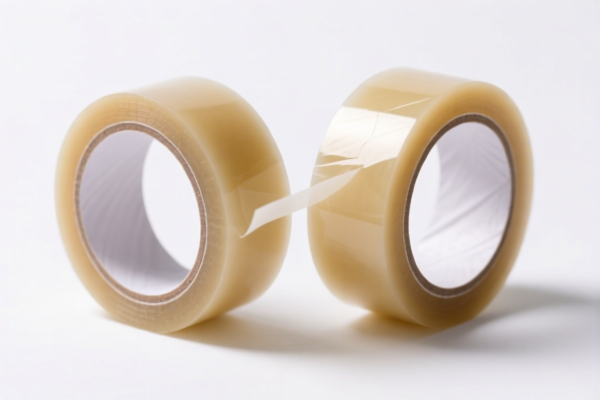
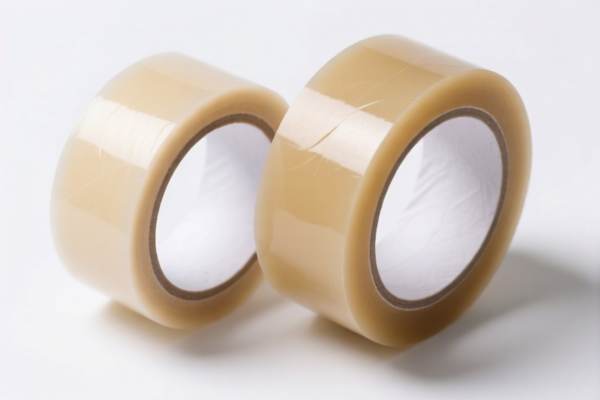
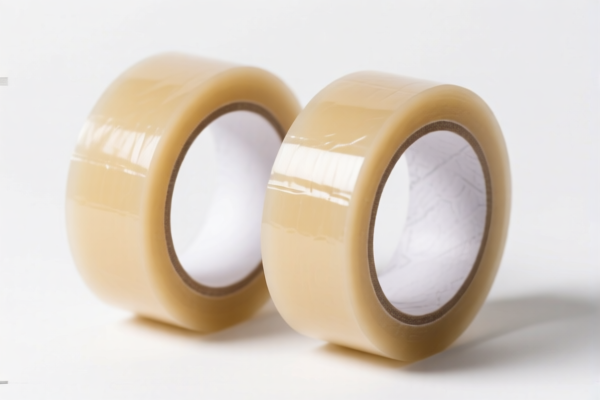
AI Analysis
🎞️ Double-Sided Film (Adhesive Tapes & Paper-Based Adhesives)
🌐 HS Code Reference & Customs Clearance Guide | 2026 Latest Tariff Analysis | Professional Clearance Strategy
📌 Part 1: Product Definition & Classification: What is "Double-Sided Film"?
"Double-Sided Film" is a broad term in international trade that typically refers to adhesive tapes or tapes with a film-like backing that have adhesive coating on both sides. However, under HS Code classification, the critical differentiator is the base material:
-
Plastic/Polymer Based (Plastic Self-Adhesive Tape):
- Material: PVC, PET, PE, PP, or other plastic films.
- Form: Flat, self-adhesive (pressure-sensitive).
- Key Feature: The backing is clearly plastic.
- Typical HS Code: 3919.10.20.55
-
Paper/Fiber Based (Adhesive Gaskets, Seals, or Coated Paper):
- Material: Paper, cardboard, or cellulose fiber.
- Form: Adhesive seals, gaskets, or coated paper products.
- Key Feature: The backing is paper or fiber-based, often used for sealing, cushioning, or insulation.
- Typical HS Codes: 4823.90.60.00 (Gaskets/Seals) or 4823.90.67.00 (Coated/Processed Paper).
⚠️ Critical Distinction Point: * If the base is Plastic → It is a "Plastic Self-Adhesive Tape" → HS 3919 * If the base is Paper and used as a Gasket/Seal → HS 4823.90.60 * If the base is Paper and Coated/Filmed (not primarily a gasket) → HS 4823.90.67
📦 Part 2: HS Code Classification Details (2026 Latest Tariff Authority)
| HS Code | Product Description | Material | Application/Feature | Total Tax Rate (CN Origin) |
|---|---|---|---|---|
| 3919.10.20.55 | Plastic Self-Adhesive Tape, Flat | Plastic (PVC, PET, etc.) | General purpose double-sided tape, mounting films | 40.8% |
| 4823.90.60.00 | Paper/Cellophan-Based Gaskets & Seals | Paper/Cellulose | Adhesive seals, cushioning gaskets, insulation pads | 35.0% |
| 4823.90.67.00 | Other Coated/Covered Paper Products | Paper/Film | Laminated paper, coated tape backing (non-gasket) | 35.0% |
🔍 Key Clarification: * 3919.10.20.55 applies when the item is unmistakably a plastic-based self-adhesive product. This is the most common classification for standard "Double-Sided Tape" used in electronics, construction, or packaging. * 4823.90.60.00 applies if the product is primarily a paper-based gasket or seal with adhesive. * 4823.90.67.00 is a residual category for paper products that are coated, covered, impregnated, or cut, but do not fit specific descriptions like "gaskets."
💰 Part 3: 2026 Latest Tariff Rate Breakdown (Including Additional Duties & Policy Surcharges)
✅ Applicable Country: United States (US) ✅ Origin: China (CN) ✅ Effective Date: From November 10, 2025 (including subsequent imports)
🎯 1. 3919.10.20.55 – Plastic Self-Adhesive Tape
| Item | Content |
|---|---|
| Base Tariff | 5.8% (Ad valorem) |
| Section 301 Surcharge | +25.0% |
| Section 122 Surcharge | +10.0% |
| Total Rate | 40.8% |
| Tax Calculation | CIF Value × 40.8% |
| De Minimis Eligibility | ❌ NO (deny_de_minimis) |
| Legal Basis Path | Base: 3919.10.20.55 → Section 301: 25% → Section 122: 10% |
📌 Explanation: * Base Tariff (5.8%): Standard MFN rate for plastic self-adhesive tapes. * Section 301 (25%): Additional duty imposed on Chinese goods under Section 301 of the Trade Act of 1974. * Section 122 (10%): Additional duty under Section 122 of the Trade Act of 1974 (National Security/Emergency Provisions). * Total 40.8%: This is a high tariff category. Accurate classification is crucial as misclassification could lead to significant underpayment or overpayment penalties.
🎯 2. 4823.90.60.00 & 4823.90.67.00 – Paper-Based Adhesives
| Item | Content |
|---|---|
| Base Tariff | 0.0% (Ad valorem) |
| Section 301 Surcharge | +25.0% |
| Section 122 Surcharge | +10.0% |
| Total Rate | 35.0% |
| Tax Calculation | CIF Value × 35.0% |
| De Minimis Eligibility | ❌ NO (deny_de_minimis) |
| Legal Basis Path | Base: 4823.90.60/67 → Section 301: 25% → Section 122: 10% |
📌 Explanation: * Base Tariff (0.0%): Paper-based gaskets/seals often have lower base duties. * Section 301 (25%): Same additional duty as plastic tapes. * Section 122 (10%): Same additional duty as plastic tapes. * Total 35.0%: While the base is 0%, the total effective rate is still high (35%) due to the mandatory surcharges.
🛠️ Part 4: Customs Clearance Practical Advice (Avoiding Pitfalls)
✅ 1. Documentation Checklist (Essential)
| Document | Must Provide? | Description |
|---|---|---|
| ✅ Product Specification Sheet | ✔️ | Must clearly state Base Material (Plastic vs. Paper). |
| ✅ Composition Analysis | ✔️ | Confirm % of adhesive, backing material, and liner. |
| ✅ Product Photos | ✔️ | Show cross-section if possible to distinguish plastic vs. paper backing. |
| ✅ Commercial Invoice | ✔️ | Use precise description: e.g., "Plastic-Based Double-Sided Adhesive Tape" OR "Paper-Based Adhesive Gasket." |
| ✅ Material Safety Data Sheet (MSDS) | ✔️ | If applicable, to confirm non-hazardous nature. |
| ✅ Packing List | ✔️ | Detailed quantity and weight. |
✅ 2. Classification Tips (Key Mantra)
🔥 "Material First, Function Second! Plastic = 3919, Paper = 4823!"
| Scenario | Correct HS Code | Risk if Misclassified |
|---|---|---|
| Standard 3M-type double-sided tape (PET/PVC backing) | 3919.10.20.55 |
If declared as Paper (4823), risk of underpayment (35% vs 40.8%). |
| Paper-based foam tape used for sealing doors/windows | 4823.90.60.00 |
If declared as Plastic (3919), risk of overpayment (40.8% vs 35%) and audit flags. |
| Coated paper tape for packaging (not a gasket) | 4823.90.67.00 |
Ensure it’s not classified as a generic "tape" under 4823.90.90 (which may have different treatment). |
✅ 3. Special Considerations
- De Minimis Exemption: ❌ DO NOT USE 8000/8001 (De Minimis) for these items if originating from China. Both HS codes are subject to high tariffs and are generally excluded from de minimis treatment for Chinese origin goods.
- Origin Marking: Ensure the product and packaging are properly marked "Made in China."
- Section 122 vs. 301: Both surcharges apply. Do not assume one cancels out the other. They are additive.
🌍 Part 5: Global Market Comparison (2026 Latest)
| Country/Region | Recommended HS Code | Base Tariff | Additional Surcharges | Total Est. Rate (CN) | Notes |
|---|---|---|---|---|---|
| 🇺🇸 USA | 3919.10.20.55 |
5.8% | +35% (301 + 122) | 40.8% | High cost for plastic tapes. |
| 🇺🇸 USA | 4823.90.60.00 |
0.0% | +35% (301 + 122) | 35.0% | Slightly lower cost for paper seals. |
| 🇨🇳 China | 3919.10.20.55 |
~5-10% | None | ~5-10% | Lower cost domestically. |
| 🇪🇺 EU | 3919.10.00 |
~6% | None | ~6% | No Section 301/122 equivalents. |
| 🇬🇧 UK | 3919.10.00 |
~6% | None | ~6% | Post-Brexit tariff alignment with EU. |
📌 Conclusion: * USA is the highest cost market due to the combination of Section 301 and Section 122 tariffs. * Paper-based products (
4823) offer a 5.8% tariff advantage over plastic-based products (3919) in the US market. If your product allows, consider if a paper-based alternative is feasible for the US market to reduce costs.
📌 Part 6: Common Errors & Pitfalls (Lessons Learned)
❌ Error 1: Declaring all double-sided tapes as 3919 regardless of material.
👉 Consequence: If it’s actually paper, you pay 5.8% more on base tariff. More importantly, customs may reject the declaration if it doesn’t match the physical product inspection.
❌ Error 2: Using "Double-Sided Tape" as the only description. 👉 Consequence: Too vague. Customs needs to know the backing material. Use "Plastic-Based" or "Paper-Based" in the description.
❌ Error 3: Assuming De Minimis applies. 👉 Consequence: Packages from China under $800 may still be audited and assessed full duties if the HS code is subject to Section 301/122 restrictions. Always declare accurately.
✅ Correct Declaration Example:
"Plastic-Based Double-Sided Adhesive Tape, 12mm Width, 50m Roll, PET Backing, Industrial Use." vs "Paper-Based Adhesive Gasket, 100mm Diameter, 5mm Thickness, For Sealing Applications."
🎯 Part 7: Conclusion: Professional Declaration for Cost Efficiency
🎯 Remember the Mantra:
🔹 "Material Defines Code: Plastic = 3919, Paper = 4823." 🔹 "Total Tax = Base + 25% (301) + 10% (122)." 🔹 "No De Minimis for China Origin on These Codes."
📌 Pro Tip:
If you are importing plastic-based tapes (3919), evaluate if your product can be modified to use a paper-based backing (4823) without compromising quality. This could save 5.8% in base tariffs (though surcharges remain, the total rate drops from 40.8% to 35.0%).
📣 Immediate Action:
📞 Contact your customs broker with a material composition sheet. 📝 Verify the exact backing material (Plastic vs. Paper). 🚀 Ensure accurate HS Code selection to avoid delays, seizures, or unexpected tax liabilities.
✨ Professional clearance starts with precise classification! 💼 Every percentage point counts in global trade!
Customer Reviews
About HS Code Classification
The Harmonized System (HS) is an internationally standardized nomenclature developed by the World Customs Organization (WCO) to classify traded products. Over 200 countries use the HS system as the basis for customs tariffs, trade statistics, and import/export regulations.
Each HS code follows a hierarchical structure:
- Chapter (2 digits) — Broad category of goods (e.g., Chapter 84: Machinery and Mechanical Appliances)
- Heading (4 digits) — More specific grouping within the chapter
- Subheading (6 digits) — Internationally standardized breakdown, used by all WCO member countries
- National subdivisions (8-10 digits) — Country-specific extensions for further classification, such as US HTSUS 10-digit codes
Correct HS code classification is essential for smooth customs clearance, accurate duty payment, and compliance with trade regulations. Misclassification can lead to customs delays, overpayment of duties, or penalties.
When importing from CN to US, the applicable tariff rates may include:
- Most-Favored-Nation (MFN) rate — The standard duty rate applied to WTO members
- General rate — Applied to countries without trade agreements
- Trade remedy duties — Additional tariffs such as Section 301 (anti-dumping), Section 232 (national security), or countervailing duties
The information provided on this page is for reference purposes only. For official classification, please consult with your local customs authority or a licensed customs broker.