Douglas Fir Wood
CN → US| HS Code | Tariff Rate | Origin | Destination | Doc |
|---|---|---|---|---|
| 4403250140 | 35.0% | CN | US | Official Doc |
| 4403260140 | 35.0% | CN | US | Official Doc |
| 4407190055 | 35.0% | CN | US | Official Doc |
| 4407190056 | 35.0% | CN | US | Official Doc |
| 4401110000 | 35.0% | CN | US | Official Doc |
Product Images
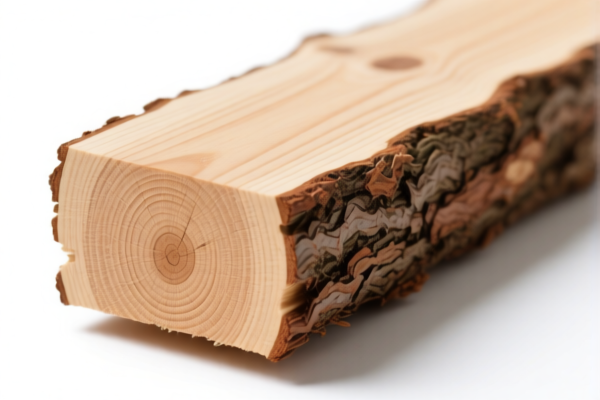
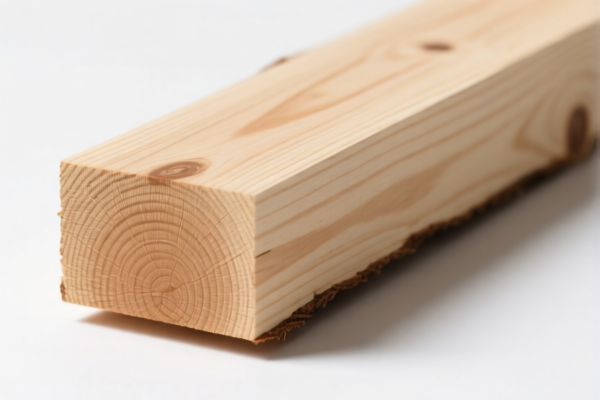
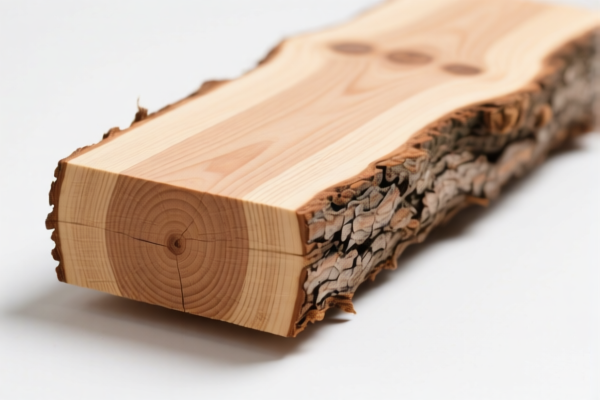
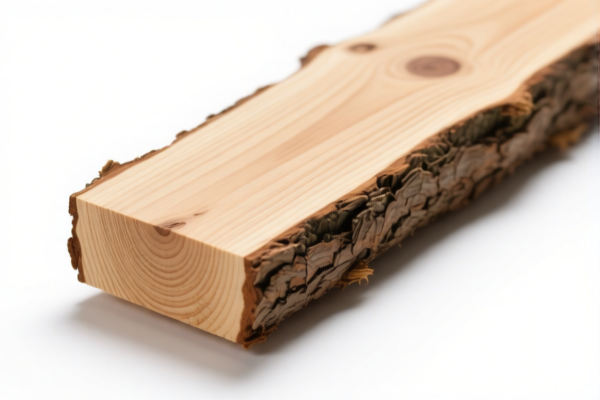
AI Analysis
🌲 Douglas Fir Wood (Log & Timber)
🌐 HS Code Reference & Customs Clearance Guide | 2026 Latest Tariff Analysis | Professional Compliance Strategy
📌 I. Product Definition & Classification: Do You Truly Understand "Douglas Fir"?
Douglas Fir (Pseudotsuga menziesii) is one of the most widely traded softwoods globally, valued for its strength and versatility in construction, furniture, and manufacturing. In international trade, it is categorized strictly by its physical form and processing stage.
Key Distinctions:
- Round Logs: Unprocessed or merely debarked timber in its natural state.
- Sawn Wood: Wood cut longitudinally (sawn, sliced, or peeled).
- Fuel Wood: Chopped or fragmented timber intended primarily for combustion.
⚠️ Critical Classification Point:
- If the wood is in its natural, unworked form (logs), it falls under 4403 or 4401.
- If the wood has been sawn longitudinally (planks, beams, strips), it falls under 4407.
- Misclassification Risk: Declaring sawn timber as "logs" or vice versa can lead to severe penalties and shipment delays.
📦 II. HS Code Classification Details (2026 Latest Tariff Authority)
| HS Code | Product Description | Applicable Scenario | Processing State |
|---|---|---|---|
4403.25.01.40 |
Douglas Fir Logs, Material: Douglas Fir, Form: Log | Raw timber export/import; unprocessed logs | ✅ Log (Unworked) |
4403.26.01.40 |
Douglas Fir Logs, Variety: Douglas Fir, Form: Log & Timber | Broad category for Douglas Fir in log form | ✅ Log (Unworked) |
4407.19.00.55 |
Douglas Fir, Material: Douglas Fir, Form: Sawn or Veneered | Planks, beams, lumber ready for construction | ✅ Sawn/Sliced |
4407.19.00.56 |
Douglas Fir, Material: Douglas Fir, Form: Unprocessed Sawn/Sliced/Peeled | Rough-sawn timber; not yet planed or smoothed | ✅ Sawn/Sliced (Unprocessed) |
4401.11.00.00 |
Douglas Fir, Material: Coniferous, Form: Fuel Wood | Chopped logs or branches intended for burning | ✅ Fuel/Biomass |
🔍 Key Reminder:
- Logs (4403) and Sawn Wood (4407) are distinct chapters.
- Fuel Wood (4401) has a different purpose and tax implication.
- Even if "unprocessed," if it is cut lengthwise, it is 4407, not 4403.
💰 III. 2026 Latest Tariff Rate Breakdown (Including Surtaxes & Policy Surcharges)
✅ Applicable Country: United States (US)
✅ Origin: China (CN) (Note: If origin is Canada, rates may differ; this guide assumes Chinese origin as per standard high-tariff context in the data)
✅ Effective Date: Current 2025-2026 Trade Rules
🎯 1. 4403.25.01.40 & 4403.26.01.40 —— Douglas Fir Logs (Unprocessed)
| Item | Detail |
|---|---|
| Base Tariff | 0.0% (ad valorem) |
| Section 301 Surcharge | +25.0% (Additional Duty) |
| Section 122 Duty | +10.0% (Specific Policy Duty) |
| Total Tax Rate | 35.0% |
| Tax Calculation | CIF Value × 35% |
| De Minimis Eligibility | ❌ No (Not applicable for wood products of this volume/type) |
| Legal Basis | Base Rate + Section 301 (Footnote 9903.88.01) + Section 122 |
📌 Explanation:
- Section 301 (25%): Applied under U.S. Trade Law to Chinese-origin softwoods due to trade tensions.
- Section 122 (10%): Additional duty under specific trade acts affecting certain raw material imports.
- Total 35%: This is a high-cost entry for raw logs. Importers must factor this into landed costs.
🎯 2. 4407.19.00.55 & 4407.19.00.56 —— Douglas Fir Sawn Wood (Sliced/Sawn)
| Item | Detail |
|---|---|
| Base Tariff | 0.0% (ad valorem) |
| Section 301 Surcharge | +25.0% (Additional Duty) |
| Section 122 Duty | +10.0% (Specific Policy Duty) |
| Total Tax Rate | 35.0% |
| Tax Calculation | CIF Value × 35% |
| De Minimis Eligibility | ❌ No |
| Legal Basis | Base Rate + Section 301 + Section 122 |
📌 Note:
- Despite being "processed" (sawn), the tariff rate remains 35% due to the same trade restrictions.
- Classification as 4407 (sawn) vs. 4403 (log) does not reduce the tariff burden in this context.
- Ensure accurate description: "Sawn Douglas Fir" vs. "Raw Logs" to avoid customs scrutiny.
🎯 3. 4401.11.00.00 —— Douglas Fir Fuel Wood
| Item | Detail |
|---|---|
| Base Tariff | 0.0% (ad valorem) |
| Section 301 Surcharge | +25.0% (Additional Duty) |
| Section 122 Duty | +10.0% (Specific Policy Duty) |
| Total Tax Rate | 35.0% |
| Tax Calculation | CIF Value × 35% |
| De Minimis Eligibility | ❌ No |
| Legal Basis | Base Rate + Section 301 + Section 122 |
📌 Warning:
- Even for fuel wood, the 35% total rate applies.
- Do not misdeclare fuel wood as "construction timber" to avoid inspection; customs verifies via wood species and dimensions.
🛠️ IV. Customs Clearance Practical Advice (Battle-Tested Pitfall Avoidance)
✅ 1. Documentation Checklist (Essential)
| Document | Required? | Explanation |
|---|---|---|
| ✅ Phytosanitary Certificate | ✔️ | Mandatory. Issued by the exporting country’s plant quarantine agency to prove freedom from pests. |
| ✅ Commercial Invoice | ✔️ | Must clearly state: "Douglas Fir," HS Code, Weight, Volume, and Section 301/122 compliance. |
| ✅ Bill of Lading | ✔️ | Match description with invoice exactly. |
| ✅ Wood Packaging Declaration (ISPM 15) | ✔️ | If wood is packed in pallets/crates, they must be heat-treated or fumigated and marked. |
| ✅ Species Declaration | ✔️ | Scientific name (Pseudotsuga menziesii) preferred to avoid ambiguity. |
✅ 2. Declaration Tips (Key Mantras)
🔥 “Log vs. Sawn: Form Determines Code. Tax is 35% No Matter What.”
| Scenario | Correct Declaration | Wrong Action |
|---|---|---|
| Raw logs, debarked | 4403.25.01.40 or 4403.26.01.40 |
Calling it "lumber" → Inspection delay |
| Sawn planks, rough | 4407.19.00.55 or 4407.19.00.56 |
Calling it "logs" → Wrong tariff category |
| Chipped logs for burning | 4401.11.00.00 |
Calling it "construction wood" → Fraud risk |
| Mixed shipment | Separate HS Codes per item | Combining logs and sawn wood into one line item |
✅ 3. Special Case Handling
| Situation | Handling Advice |
|---|---|
| Origin: Canada | Check if USMCA/CUSMA applies. Note: The 35% rate in DATA is likely for Chinese origin. Canadian Douglas Fir may have 0% base + no Section 301, but verify current status. |
| Impregnated/Treated Wood | If chemically treated, it may fall under 4403 but requires additional safety data sheets (SDS). |
| Mixed Dimensions | If logs vary in diameter, use the primary form for classification. Document all sizes. |
| Pre-Cut Bundles | If bundled for easy transport, still classified as logs if not sawn. |
🌍 V. Global Market Comparison (2026 Latest)
| Country/Region | Recommended HS Code | Tariff (CN Origin) | Certification | Notes |
|---|---|---|---|---|
| 🇺🇸 USA | 4403.25.01.40 / 4407.19.00.55 |
35% (Base 0% + 301 25% + 122 10%) | Phytosanitary + ISPM 15 | High tariff due to trade policy |
| 🇨🇳 China | 4403.25.01.40 |
~2-10% (Varies) | CIQ Inspection | Lower entry barrier |
| 🇪🇺 EU | 4403.25.00 / 4407.19.00 |
0% (Most) | FSC/PEFC Certification | Strong environmental standards |
| 🇬🇧 UK | 4403.25.00 / 4407.19.00 |
0-5% | FSC/PEFC | Post-Brexit rules apply |
| 🇯🇵 Japan | 4403.25.00 / 4407.19.00 |
0-5% | Phytosanitary | Strict pest control |
📌 Conclusion:
- USA imposes the highest burden (35%) for Chinese-origin Douglas Fir due to Section 301 and Section 122.
- EU and Japan are more lenient but demand strict phytosanitary and sustainability certifications (FSC/PEFC).
- Strategic Tip: Consider sourcing Douglas Fir from Canada or New Zealand for US imports to potentially avoid Section 301 tariffs (verify current trade agreements).
📌 VI. Common Errors & Pitfall Avoidance (Lessons Learned)
❌ Error 1: Misdeclaring sawn wood as logs to simplify description
👉 Consequence: Customs inspection, potential reclassification, and penalties.
❌ Error 2: Ignoring Section 122 duty
👉 Consequence: Underpayment of 10% → Back taxes + interest.
❌ Error 3: No Phytosanitary Certificate
👉 Consequence: Shipment rejected or destroyed at port.
❌ Error 4: Using "Timber" or "Wood" generically
👉 Consequence: Customs may detain for species verification. Always use "Douglas Fir" or "Pseudotsuga menziesii".
✅ Correct Approach:
"Douglas Fir (Pseudotsuga menziesii) Sawn Lumber, Rough Sawn, Unplaned, For Construction Use, HS Code: 4407.19.00.56, Origin: China"
🎯 VII. Conclusion: Precision in Classification, Savings in Duty
🎯 Remember the Mantra:
🔹 "Logs are 4403, Sawn are 4407. Fuel is 4401. All at 35% for China."
🔹 "HS Code dictates form. Tariff dictates cost. Origin dictates exemption."
📌 Pro Tip:
If your Douglas Fir is sourced from Canada, Chile, or Australia, it may qualify for lower or zero tariffs under free trade agreements.
Always apply for an Advance Ruling if unsure about the processing stage (e.g., "Is peeled wood 4403 or 4407?").
📣 Immediate Action:
📞 Consult a licensed customs broker + Provide Species & Form details + Verify Origin
🚀 Ensure Phytosanitary Compliance to avoid port rejection
✨ Professional Clearance Starts with Accurate Classification!
💼 Every Percent of Tariff Matters in Wood Trade!
Customer Reviews
About HS Code Classification
The Harmonized System (HS) is an internationally standardized nomenclature developed by the World Customs Organization (WCO) to classify traded products. Over 200 countries use the HS system as the basis for customs tariffs, trade statistics, and import/export regulations.
Each HS code follows a hierarchical structure:
- Chapter (2 digits) — Broad category of goods (e.g., Chapter 84: Machinery and Mechanical Appliances)
- Heading (4 digits) — More specific grouping within the chapter
- Subheading (6 digits) — Internationally standardized breakdown, used by all WCO member countries
- National subdivisions (8-10 digits) — Country-specific extensions for further classification, such as US HTSUS 10-digit codes
Correct HS code classification is essential for smooth customs clearance, accurate duty payment, and compliance with trade regulations. Misclassification can lead to customs delays, overpayment of duties, or penalties.
When importing from CN to US, the applicable tariff rates may include:
- Most-Favored-Nation (MFN) rate — The standard duty rate applied to WTO members
- General rate — Applied to countries without trade agreements
- Trade remedy duties — Additional tariffs such as Section 301 (anti-dumping), Section 232 (national security), or countervailing duties
The information provided on this page is for reference purposes only. For official classification, please consult with your local customs authority or a licensed customs broker.