Dove Soap
CN → US| HS Code | Tariff Rate | Origin | Destination | Doc |
|---|---|---|---|---|
| 3307900000 | 40.4% | CN | US | Official Doc |
| 3401111000 | 35.0% | CN | US | Official Doc |
| 3307305000 | 39.9% | CN | US | Official Doc |
| 3401115000 | 35.0% | CN | US | Official Doc |
Product Images
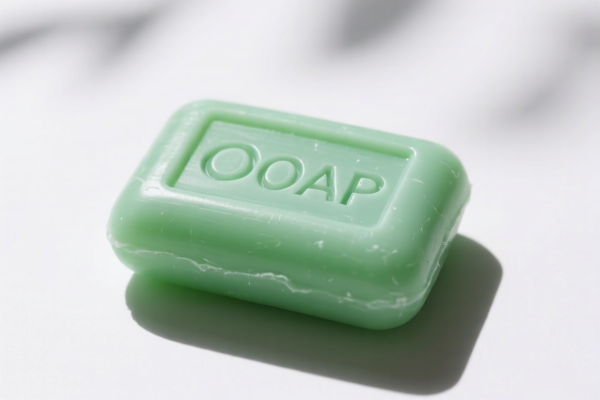
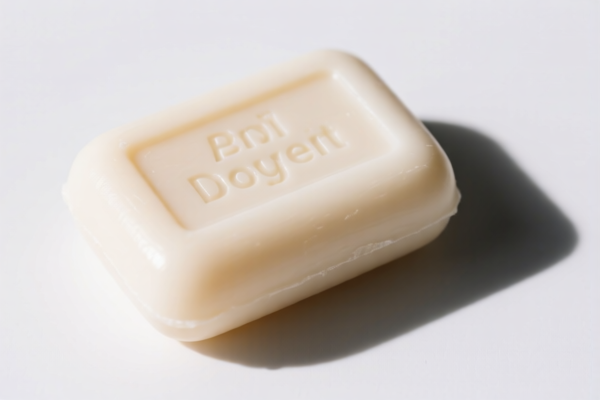
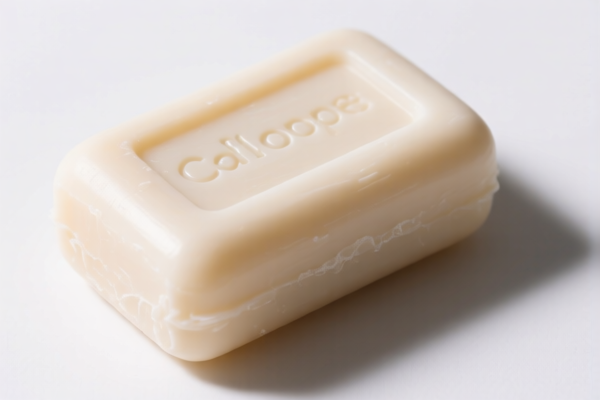

AI Analysis
🧼 Dove Soap (Personal Care & Hygiene Products)
🌐 HS Code Reference & Customs Clearance Guide | 2026 Latest Tariff Analysis | Professional Compliance Strategy
📌 I. Product Definition & Classification: What Exactly is "Dove Soap"?
Dove Soap is a globally recognized brand of syndet bars (synthetic detergent bars) and solid cleansers. In international trade, it is typically classified based on its chemical composition (organic surfactants vs. traditional soap) and primary function (cleansing skin).
The classification bifurcates into two main categories: 1. Cosmetic/Perfumed Preparations: If the product is formulated primarily for its scent, moisturizing properties, or cosmetic appeal, it may fall under Chapter 33. 2. Toilet Soap/Surfactants: If the product is primarily defined by its function as a cleansing agent containing organic surface-active products, it falls under Chapter 34.
⚠️ Key Distinction Point:
- If classified as a Cosmetic/Toiletry Preparation → Code starts with 3307 (Toilet, Perfumery or Cosmetic Preparations).
- If classified as Soap/Surfactant → Code starts with 3401 (Soap and Organic Surface-Active Products).
📦 II. HS Code Classification Details (2026 Latest Tariff Authority Comparison)
Based on the provided data, here are the four potential classifications with their corresponding tax implications:
| HS Code | Product Description | Applicability Scenario | Total Tax Rate (US/CN) |
|---|---|---|---|
3307.90.00.00 |
Toilet, Perfumery or Cosmetic Preparations (N.E.S.) | Dove soap classified as a "toiletry/cosmetic" due to added fragrances/moisturizers not strictly fitting "soap" definition. | 40.4% |
3401.11.10.00 |
Toilet Soaps, Including Washed Soap; Soap Films, Blocks and Strips | Dove soap classified strictly as "Toilet Soap" (organic surfactant product for washing skin). | 35.0% |
3401.11.50.00 |
Other Soap; Organic Surface-Active Products (Bar/Block Form) | Dove soap classified as "Other Soap" (solid form, block/cookie shape), emphasizing physical form and washing utility. | 35.0% |
3307.30.50.00 |
Perfume or Toilet Waters / Liquid/Other Preparations | Note: Data indicates this for "Bath/Cleansing Preparations". Typically for liquids, but data applies it to cleansers. Used if form/preparation doesn't fit solid soap. | 39.9% |
🔍 Focus Reminder:
-3401Codes (35.0%) are generally more favorable than3307Codes (39.9%-40.4%).
- The core argument for3401is that Dove bars are primarily organic surface-active products used for washing skin, fitting the Chapter 34 definition perfectly.
- The argument for3307relies on the product being a "cosmetic preparation" due to branding or added moisturizers, but this attracts a higher tax burden.
💰 III. 2026 Latest Tariff Rate Breakdown (Including Surcharges)
✅ Applicable Country: United States (US)
✅ Origin: China (CN)
✅ Effective Date: Post-2025 (Current High-Tariff Regime)
🎯 1. 3307.90.00.00 —— Toilet/Cosmetic Preparations (Highest Tax)
| Item | Content |
|---|---|
| Base Tariff | 5.4% |
| Section 301 Surcharge | +25.0% |
| Section 122 Tariff | +10.0% |
| Total Tax Rate | 40.4% |
| Tax Calculation | CIF Value × 40.4% |
| De Minimis Eligibility | ❌ No (Denied for Chinese origin under current rules) |
| Legal Basis Path | Base: 3307.90.00.00 → USITC: 25% → 122 Clause: 10% |
📌 Explanation:
- The 5.4% is the standard MFN (Most Favored Nation) duty for cosmetic/toiletry preparations.
- The 25% is the Section 301 tariff on "other cosmetic products."
- The 10% is an additional surcharge (referred to as "Section 122" in the data context, likely referring to specific trade remedy clauses).
- Result: This is the most expensive classification. Avoid if3401is applicable.
🎯 2. 3401.11.10.00 —— Toilet Soap (Lowest Tax Option A)
| Item | Content |
|---|---|
| Base Tariff | 0.0% |
| Section 301 Surcharge | +25.0% |
| Section 122 Tariff | +10.0% |
| Total Tax Rate | 35.0% |
| Tax Calculation | CIF Value × 35.0% |
| De Minimis Eligibility | ❌ No |
| Legal Basis Path | Base: 3401.11.10.00 → USITC: 25% → 122 Clause: 10% |
📌 Explanation:
- The 0.0% base rate is a significant advantage for "Toilet Soaps" compared to cosmetic preparations.
- Even with the 25% and 10% surcharges, the total remains 35.0%, which is 5.4% lower than the3307classification.
- Strategic Advantage: Classifying as "Toilet Soap" (organic surfactant) saves money because the base duty is zero.
🎯 3. 3401.11.50.00 —— Other Soap / Surfactant Blocks (Lowest Tax Option B)
| Item | Content |
|---|---|
| Base Tariff | 0.0% |
| Section 301 Surcharge | +25.0% |
| Section 122 Tariff | +10.0% |
| Total Tax Rate | 35.0% |
| Tax Calculation | CIF Value × 35.0% |
| De Minimis Eligibility | ❌ No |
| Legal Basis Path | Base: 3401.11.50.00 → USITC: 25% → 122 Clause: 10% |
📌 Explanation:
- Identical tax treatment to3401.11.10.00.
- The distinction lies in the specific subheading definition: "Other Soap" or "Organic Surface-Active Products" in bar/block form.
- Key Argument: If the product is marketed as a "cleansing bar" rather than a "fragrant cosmetic soap," this code supports the 0% base rate.
🎯 4. 3307.30.50.00 —— Bath/Cleansing Preparations (Intermediate Tax)
| Item | Content |
|---|---|
| Base Tariff | 4.9% |
| Section 301 Surcharge | +25.0% |
| Section 122 Tariff | +10.0% |
| Total Tax Rate | 39.9% |
| Tax Calculation | CIF Value × 39.9% |
| De Minimis Eligibility | ❌ No |
| Legal Basis Path | Base: 3307.30.50.00 → USITC: 25% → 122 Clause: 10% |
📌 Explanation:
- This code applies to "Bath or Cleansing Preparations" under the cosmetic chapter.
- The base rate is 4.9%, slightly lower than3307.90but still significantly higher than the 0.0% base rate for3401.
- Risk: If customs determines the item is a solid soap bar, they may force reclassification to3401, potentially leading to penalties for misclassification if not argued properly.
🛠️ IV. Customs Clearance Practical Advice (Avoid Pitfalls)
✅ 1. Preparation Checklist (Mandatory)
| Document | Required | Description |
|---|---|---|
| ✅ Product Specifications | ✔️ | Ingredient list, pH level, form (bar/liquid), weight. Crucial to prove "organic surfactant" content. |
| ✅ Ingredient Label | ✔️ | Highlight surfactants (e.g., Sodium Lauroyl Isethionate) to support 3401 classification. |
| ✅ Product Photos | ✔️ | Show the bar shape, packaging, and any "Toilet Soap" labeling. |
| ✅ Commercial Invoice | ✔️ | Description: "Solid Cleansing Bar, Organic Surfactant Base, For Personal Hygiene." Avoid "Cosmetic Cream" if it's a bar. |
| ✅ Certificate of Origin | ✔️ | Required for calculating Section 301 and 122 surcharges. |
| ✅ Customs Ruling (Optional) | ✔️ | Consider applying for a Pre-Ruling to confirm 3401 eligibility. |
✅ 2. Declaration Strategy (Key Mantra)
🔥 "Focus on Surfactants, Not Fragrance. Bar Form, Washing Use. 3401 is the Key!"
| Scenario | Correct Declaration | Incorrect Declaration |
|---|---|---|
| Standard Dove Bar | 3401.11.10.00 or 3401.11.50.00 (Base 0%) |
3307.90.00.00 (Base 5.4%) → Higher Tax! |
| Liquid Dove Body Wash | 3307.30.50.00 or similar (Check Liquid Codes) |
3401.11.10.00 (Only for Bars/Solids) |
| Set: Soap + Lotion | Declare separately if possible. Soap as 3401. |
Mixed declaration → Risk of full cosmetic tax. |
| Small Sample (< $800) | ❌ Not Eligible | Claiming De Minimis → Seizure Risk |
✅ 3. Special Handling Notes
| Situation | Handling Advice |
|---|---|
| High Surcharge Awareness | Be aware that 35-40% is the effective landed cost tax. Budget accordingly. |
| Misclassification Risk | Do not use "Cosmetic" in the commercial name if you intend to use 3401. Use "Cleansing Bar" or "Soap." |
| Section 122 & 301 | These are cumulative. There is no exemption for personal care goods from these surcharges currently. |
| Labeling | Ensure labels clearly state "Soap" or "Cleansing Bar" and list surfactant ingredients. |
🌍 V. Global Market Comparison (2026 Context)
| Country/Region | Recommended HS Code | Tariff (China Origin) | Notes |
|---|---|---|---|
| 🇺🇸 USA | 3401.11.10.00 |
35.0% (Base 0% + 35% surcharges) | Highest effective tax. Avoid 3307. |
| 🇨🇳 China | 3401.11.10.00 |
Low/Zero | Domestic trade benefits from lower rates. |
| 🇪🇺 EU | 3401.11.10.00 |
6.5% | No Section 301/122 equivalents. |
| 🇬🇧 UK | 3401.11.10.00 |
6.5% | Post-Brexit standard duties apply. |
📌 Conclusion:
- The US market is unique due to the 35-40% effective tariff.
- Classifying as3401(Soap) instead of3307(Cosmetic) saves 5.4% on the CIF value.
- For high-volume shipments, this difference is substantial.
📌 VI. Common Errors & Pitfalls (Lessons Learned)
❌ Error 1: Labeling as "Cosmetic Cleanser" and declaring as 3307.90.00.00
👉 Consequence: You pay 40.4% tax. If customs accepts 3401, you could have paid 35.0%. Overpayment!
❌ Error 2: Claiming De Minimis for shipments under $800
👉 Consequence: Seizure or Penalty. Chinese-origin toiletries are explicitly excluded from De Minimis exemptions under current enforcement.
❌ Error 3: Confusing "Soap" with "Detergent Bar"
👉 Consequence: Both fall under 3401, but ensure the description matches the chemical nature (organic surfactant).
❌ Error 4: Ignoring Section 122 Surcharge
👉 Consequence: Underestimating landed cost by 10%. Budget must include this.
✅ Correct Practice:
"Solid Cleansing Bar, Formulated with Organic Surfactants, For Washing Skin, HS 3401.11.10.00"
🎯 VII. Conclusion: Professional Classification, Cost Optimization!
🎯 Remember the Mantra:
🔹 "Soap Base = 0% Duty. Cosmetic Base = 5.4% Duty. Always pick 3401 if it's a bar!"
🔹 "Total Tax is 35% (Soap) vs 40.4% (Cosmetic). Don't leave 5.4% on the table."
📌 Pro Tip:
- If your product contains >50% organic surfactants and is in bar form, aggressively advocate for
3401.- Keep ingredient lists handy to prove the "soap/surfactant" nature vs. "cosmetic preparation."
- Consult a customs broker for a Pre-Ruling if you are unsure. A ruling protects you from penalties.
📣 Immediate Action:
📞 Review your commercial invoices: Are you using "Cosmetic"? Change to "Soap/Cleansing Bar".
🚀 Re-calculate landed costs using 35.0% instead of 40.4%. See the savings!
✨ Precise Classification Starts with Understanding the Chemistry!
💼 Every Percentage Point Counts in International Trade!
Customer Reviews
About HS Code Classification
The Harmonized System (HS) is an internationally standardized nomenclature developed by the World Customs Organization (WCO) to classify traded products. Over 200 countries use the HS system as the basis for customs tariffs, trade statistics, and import/export regulations.
Each HS code follows a hierarchical structure:
- Chapter (2 digits) — Broad category of goods (e.g., Chapter 84: Machinery and Mechanical Appliances)
- Heading (4 digits) — More specific grouping within the chapter
- Subheading (6 digits) — Internationally standardized breakdown, used by all WCO member countries
- National subdivisions (8-10 digits) — Country-specific extensions for further classification, such as US HTSUS 10-digit codes
Correct HS code classification is essential for smooth customs clearance, accurate duty payment, and compliance with trade regulations. Misclassification can lead to customs delays, overpayment of duties, or penalties.
When importing from CN to US, the applicable tariff rates may include:
- Most-Favored-Nation (MFN) rate — The standard duty rate applied to WTO members
- General rate — Applied to countries without trade agreements
- Trade remedy duties — Additional tariffs such as Section 301 (anti-dumping), Section 232 (national security), or countervailing duties
The information provided on this page is for reference purposes only. For official classification, please consult with your local customs authority or a licensed customs broker.