Drain Basket
CN → US| HS Code | Tariff Rate | Origin | Destination | Doc |
|---|---|---|---|---|
| 7323999030 | 88.4% | CN | US | Official Doc |
| 6911108090 | 38.3% | CN | US | Official Doc |
| 7323930060 | 62.0% | CN | US | Official Doc |
| 3924103000 | 22.8% | CN | US | Official Doc |
| 3924104000 | 13.4% | CN | US | Official Doc |
| 6911108010 | 38.3% | CN | US | Official Doc |
Product Images

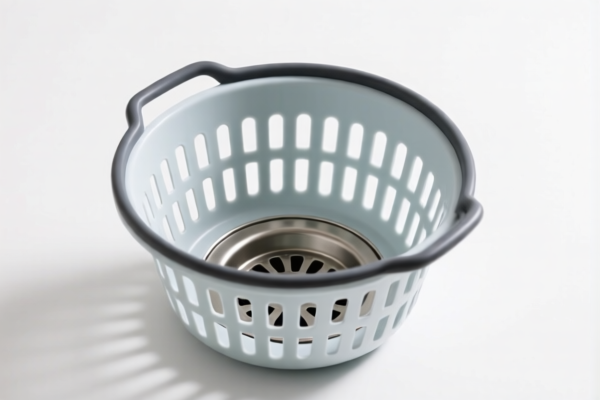
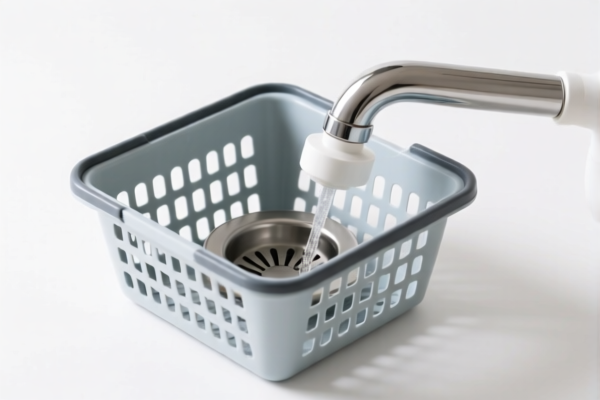
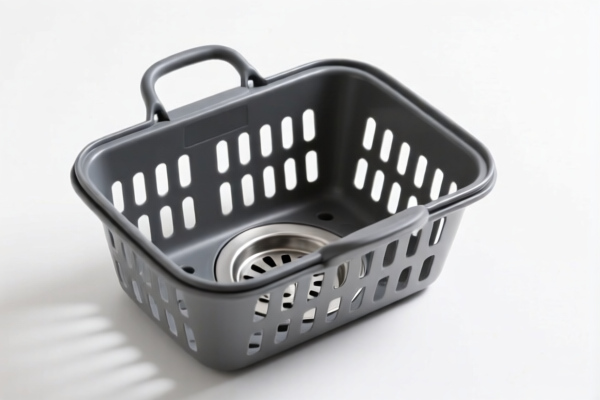
AI Analysis
🧺 Drain Basket (Drain Basket) Classification & Tariff Analysis
2026 US Import Guide | Material-Based HS Code Selection | Cost Optimization Strategy
🌐 HS Code Reference & Customs Clearance Guide | 2026 Latest Tariff Structure | Professional Clearance Strategy
📌 1. Product Definition & Classification: What is a "Drain Basket"?
A Drain Basket (also known as a sink strainer, filter basket, or colander insert) is a kitchen accessory used to catch food debris while allowing water to drain. In international trade, its classification depends strictly on its material. Since the input is generic ("Drain Basket"), it falls into three main material categories: Plastic, Metal (Steel/Iron), and Ceramic.
⚠️ Critical Classification Point:
- Plastic: Falls under Chapter 39 (Articles of Plastics). Generally lowest tax burden if structured correctly. - Metal (Steel/Iron): Falls under Chapter 73 (Articles of Iron/Steel). Subject to heavy "Section 232" steel/aluminum tariffs. - Ceramic: Falls under Chapter 69 (Ceramic Products). Moderate to high base tariffs.
📦 2. HS Code Classification Details (2026 Latest Tariff Alignment)
Based on the available data, here are the valid HS Codes for Drain Baskets, categorized by material and associated tax implications.
| HS Code | Material Inference | Summary/Description | Total Tax Rate | Tax Detail Breakdown |
|---|---|---|---|---|
3924.10.40.00 |
Plastic | Kitchen/household plastic items. No obvious material conflict with metals. | 13.4% | Base: 3.4% Add-on: 0.0% Sec 232: 10% |
3924.10.30.00 |
Plastic | Kitchen/household plastic items. No obvious material conflict. | 22.8% | Base: 5.3% Add-on: 7.5% Sec 232: 10% |
7323.99.90.30 |
Iron/Steel | Kitchen/tableware items. Typically iron/steel. Matches "Other" category. | 88.4% | Base: 3.4% Add-on: 25.0% Sec 232: 50% (Steel/Alu/Cu) |
7323.93.00.60 |
Stainless Steel | Kitchenware, typically stainless steel/iron. "Other/Residual" category. | 62.0% | Base: 2.0% Add-on: 0.0% Sec 232: 50% (Steel/Alu/Cu) |
6911.10.80.10 |
Ceramic | Kitchen utensils/containers. Food contact scenario. | 38.3% | Base: 20.8% Add-on: 7.5% Sec 232: 10% |
6911.10.80.90 |
Ceramic | Kitchenware/household items. Ceramic or related materials. | 38.3% | Base: 20.8% Add-on: 7.5% Sec 232: 10% |
🔍 Key Insight:
- Plastic (3924...) offers the lowest effective tax rate (13.4% - 22.8%).
- Steel/Iron (7323...) incurs punitive tariffs due to Section 232 (Steel/Aluminum) rules, pushing rates to 62.0% - 88.4%.
- Ceramic (6911...) has high base tariffs but avoids the 50% Section 232 steel levy, resulting in 38.3%.
💰 3. 2026 Latest Tariff Rate Details (Including Add-ons & Policy Levies)
✅ Applicable Country: USA (US)
✅ Origin: China (CN) (Inferred from "Add-on" and Sec 232 context)
✅ Effective Date: Current 2026 Tariff Structure
🎯 A. Plastic Drain Baskets (Optimal Cost Choice)
1. 3924.10.40.00 – Best Rate Option
| Item | Detail |
|---|---|
| Base Tariff | 3.4% |
| Add-on Tariff | 0.0% |
| Sec 232 Tariff (122 Clause) | 10% |
| Total Effective Rate | 13.4% |
| Calculation | CIF Value × 13.4% |
2. 3924.10.30.00 – Standard Plastic Option
| Item | Detail |
|---|---|
| Base Tariff | 5.3% |
| Add-on Tariff | 7.5% |
| Sec 232 Tariff (122 Clause) | 10% |
| Total Effective Rate | 22.8% |
| Calculation | CIF Value × 22.8% |
📌 Explanation:
- Plastic items are not subject to the heavy 50% Section 232 steel/aluminum tariffs.
-3924.10.40.00is significantly cheaper than3924.10.30.00due to lower add-ons.
- Recommendation: If the product is plastic, classify under3924.10.40.00to minimize costs.
🎯 B. Steel/Iron Drain Baskets (High Cost Warning)
1. 7323.93.00.60 – Stainless Steel
| Item | Detail |
|---|---|
| Base Tariff | 2.0% |
| Add-on Tariff | 0.0% |
| Sec 232 Tariff (122 Clause) | 50% (Steel/Alu/Cu) |
| Total Effective Rate | 62.0% |
| Calculation | CIF Value × 62.0% |
2. 7323.99.90.30 – Other Metal (Iron/Steel)
| Item | Detail |
|---|---|
| Base Tariff | 3.4% |
| Add-on Tariff | 25.0% |
| Sec 232 Tariff (122 Clause) | 50% (Steel/Alu/Cu) |
| Total Effective Rate | 88.4% |
| Calculation | CIF Value × 88.4% |
📌 Explanation:
- CRITICAL WARNING: Steel and Iron products face the 50% Section 232 Tariff.
- Even if the base rate is low (2.0-3.4%), the 50% surcharge makes these items extremely expensive to import.
-7323.93.00.60is cheaper than7323.99.90.30because it avoids the 25% Add-on Tariff, but both are heavily taxed.
🎯 C. Ceramic Drain Baskets (Moderate Cost)
1. 6911.10.80.10 & 6911.10.80.90
| Item | Detail |
|---|---|
| Base Tariff | 20.8% |
| Add-on Tariff | 7.5% |
| Sec 232 Tariff (122 Clause) | 10% |
| Total Effective Rate | 38.3% |
| Calculation | CIF Value × 38.3% |
📌 Explanation:
- Ceramic items have a high base rate (20.8%) but avoid the 50% Section 232 levy.
- This makes them cheaper than Steel but more expensive than Plastic.
🛠️ 4. Customs Clearance Practical Advice (Pitfall Avoidance Guide)
✅ 1. Documentation Checklist (Non-Negotiable)
| Document | Required? | Description |
|---|---|---|
| Product Specifications | ✔️ | Must clearly state MATERIAL (Plastic, Steel, Ceramic). This is the primary determinant for HS Code. |
| Product Photos | ✔️ | Clear images showing the material texture and structure. |
| Commercial Invoice | ✔️ | Must specify "Drain Basket" and material. Do not use vague terms like "Kitchen Accessory." |
| Packing List | ✔️ | Detail contents to avoid confusion with packaging materials. |
| Third-Party Testing | ✔️ | If claiming FDA compliance (food contact), provide test reports. |
✅ 2. Declaration Strategy (Key Mantra)
🔥 "Material is King! Plastic is Cheap, Steel is Expensive, Ceramic is Middle."
| Scenario | Correct Declaration | Incorrect Declaration | Consequence |
|---|---|---|---|
| Plastic Basket | 3924.10.40.00 (Plastic Kitchenware) |
7323.99.90.30 (Metal) |
Overpaid Tax: 88.4% instead of 13.4% |
| Steel Basket | 7323.93.00.60 (Stainless Steel) |
3924.10.40.00 (Plastic) |
Severe Penalty: Under-declared tax, possible fraud charges |
| Ceramic Basket | 6911.10.80.10 (Ceramic Utensil) |
7323.99.90.30 (Metal) |
Overpaid Tax: 88.4% instead of 38.3% |
✅ 3. Special Handling
| Situation | Advice |
|---|---|
| Mixed Material | If the basket has a plastic handle but a steel mesh, Customs may classify the entire item by the principal material or the material making up the essential character. Often, the mesh (steel) dominates, leading to the 88.4% rate. Design Tip: Use plastic baskets if cost is a priority. |
| OEM Customization | Provide design drawings showing material composition. If the steel is only a small insert, argue for plastic classification (risky, needs legal backing). |
| Pre-Ruling | For large volumes, apply for an Advance Ruling from CBP to confirm the HS Code based on physical samples. |
🌍 5. Global Market Comparison (2026)
| Market | Recommended HS Code | Est. Tariff (China Origin) | Notes |
|---|---|---|---|
| 🇺🇸 USA | 3924.10.40.00 (Plastic) |
13.4% | Lowest cost. Steel faces 50% Sec 232. |
| 🇺🇸 USA | 7323.93.00.60 (Steel) |
62.0% | High cost due to Section 232. |
| 🇺🇸 USA | 6911.10.80.10 (Ceramic) |
38.3% | Moderate cost. |
| 🇪🇺 EU | Check local Nomenclature | Varied | EU does not have Section 232 equivalent. Steel tariffs are lower. |
| 🇨🇳 China | Check Chinese Nomenclature | Varied | Import duties may differ. |
📌 Conclusion:
- The USA market is hostile to Steel Imports due to the 50% Section 232 tariff.
- Plastic Drain Baskets are the most cost-effective choice for US imports (13.4% total).
- Ceramic is a viable alternative if plastic is not feasible, but Steel should be avoided unless the value proposition is extremely high.
📌 6. Common Errors & Pitfalls (Lessons Learned)
❌ Error 1: Declaring a Steel Basket as Plastic (3924...)
👉 Consequence: Customs inspection reveals steel. Back-tariff of ~75% + penalties + seizure.
❌ Error 2: Declaring a Plastic Basket as Steel (7323...)
👉 Consequence: Overpayment of taxes. Loss of profit margin (13.4% vs 88.4%).
❌ Error 3: Using vague terms like "Kitchen Sink Part"
👉 Consequence: Customs may reclassify based on their guess, leading to delays and potential higher tariffs.
✅ Correct Practice:
"Plastic Kitchen Sink Drain Basket, Model XYZ, FDA Compliant, Material: PP/ABS"
"Stainless Steel Sink Strainer, Model ABC, 304 Steel Mesh"
"Ceramic Sink Liner, Model DEF, Glazed Finish"
🎯 7. Conclusion: Professional Declaration for Cost Efficiency
🎯 Remember the Mantra:
🔹 "Plastic Wins, Steel Burns, Ceramic Learns."
🔹 "HS Code Determines Fate, Tax Difference is Life."
📌 Pro Tip:
If you are designing a new product line for the US market, prioritize Plastic (3924.10.40.00) or Ceramic (6911.10.80.10) to avoid the punitive 50% Section 232 Steel Tariff. Only choose Steel if your product value is high enough to absorb the 62-88% tax burden.
📣 Immediate Action:
📞 Contact your Customs Broker + Provide Material Specs + Apply for HS Code Pre-Ruling
🚀 Clear Customs Smoothly, Maximize Profit, Minimize Risk!
✨ Professional Clearance Starts with Accurate Classification!
💼 Every Penny of Cost Counts!
Customer Reviews
About HS Code Classification
The Harmonized System (HS) is an internationally standardized nomenclature developed by the World Customs Organization (WCO) to classify traded products. Over 200 countries use the HS system as the basis for customs tariffs, trade statistics, and import/export regulations.
Each HS code follows a hierarchical structure:
- Chapter (2 digits) — Broad category of goods (e.g., Chapter 84: Machinery and Mechanical Appliances)
- Heading (4 digits) — More specific grouping within the chapter
- Subheading (6 digits) — Internationally standardized breakdown, used by all WCO member countries
- National subdivisions (8-10 digits) — Country-specific extensions for further classification, such as US HTSUS 10-digit codes
Correct HS code classification is essential for smooth customs clearance, accurate duty payment, and compliance with trade regulations. Misclassification can lead to customs delays, overpayment of duties, or penalties.
When importing from CN to US, the applicable tariff rates may include:
- Most-Favored-Nation (MFN) rate — The standard duty rate applied to WTO members
- General rate — Applied to countries without trade agreements
- Trade remedy duties — Additional tariffs such as Section 301 (anti-dumping), Section 232 (national security), or countervailing duties
The information provided on this page is for reference purposes only. For official classification, please consult with your local customs authority or a licensed customs broker.