Drain Pad
CN → US| HS Code | Tariff Rate | Origin | Destination | Doc |
|---|---|---|---|---|
| 4016910000 | 37.7% | CN | US | Official Doc |
| 4016990500 | 20.9% | CN | US | Official Doc |
| 3924901050 | 13.3% | CN | US | Official Doc |
| 3924104000 | 13.4% | CN | US | Official Doc |
| 7323999080 | 88.4% | CN | US | Official Doc |
Product Images
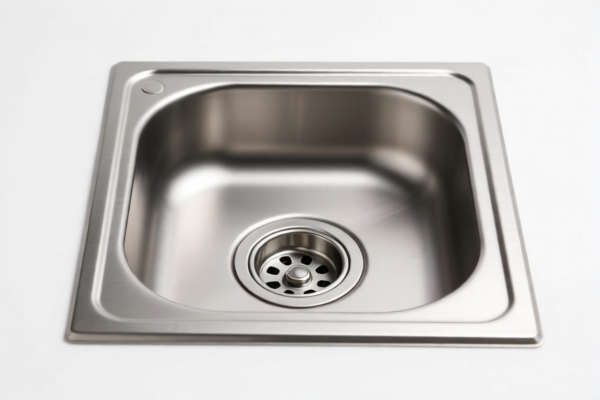
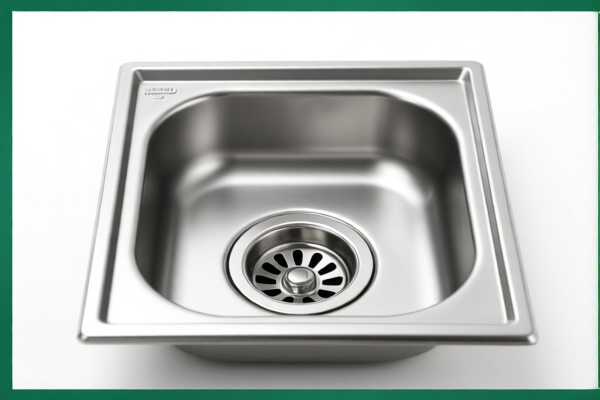
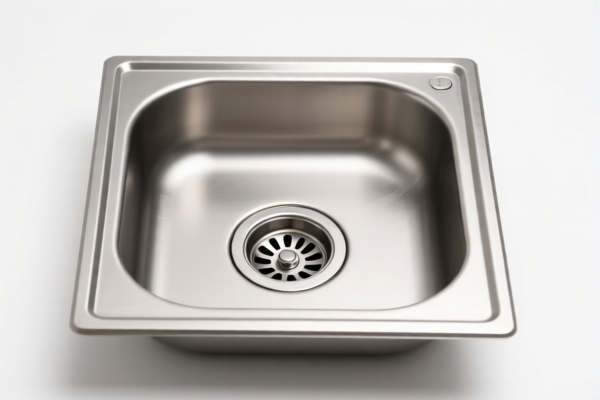
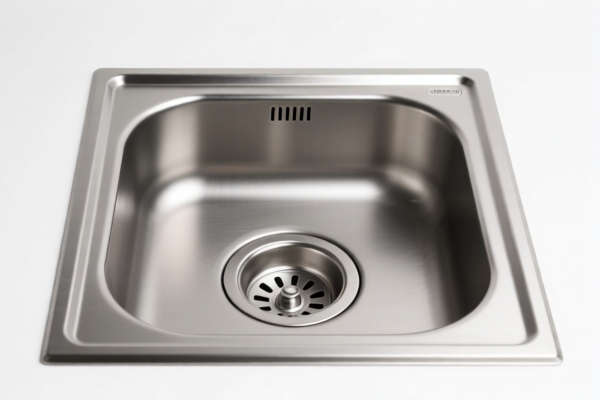
AI Analysis
🥗 Drain Pad (Silicone Kitchen Sink Mat)
🌐 HS Code Reference & Customs Clearance Guide | 2026 Latest Tariff Analysis | Professional Clearance Strategy
📌 I. Product Definition & Classification: Do You Really Understand "Drain Pad"?
A Drain Pad (commonly known as a Silicone Drying Mat or Sink Liner) is an essential kitchen accessory used to drain water from washed dishes, fruits, or vegetables, protecting countertops from moisture and stains.
In international trade, its classification depends heavily on material composition and functional description. The most critical distinction is whether it is viewed as a Rubber/Elastomer product (common for 100% silicone) or a Plastic product (if mixed with synthetic resins or classified under general household plastics).
⚠️ Key Distinction Point:
- If the product is 100% Silicone (Sulfurized Rubber/Elastomer) → Classified under Chapter 40 (Rubber).
- If the product is described as Plastic/Synthetic Resin for household use → Classified under Chapter 39 (Plastics).
- Avoid Misclassification: Do NOT classify as Metal (Chapter 73) unless it is a metal rack/frame, as this triggers massive tariffs.
📦 II. HS Code Classification Details (2026 Latest Tariff Authority Comparison)
| HS Code | Product Description | Application Scenario | Material Type | Total Tax Rate (China Origin → US) |
|---|---|---|---|---|
4016.91.00.00 |
Rubber articles (other than vulcanized fiber) for mechanical uses, mats, linings, etc. | Silicone mats for drying dishes, mats, linings | Sulfurized Rubber/Elastomer | 37.7% |
4016.99.05.00 |
Other rubber articles (not elsewhere specified), household articles | Other unlisted household items, silicone mats | Sulfurized Rubber/Elastomer | 20.9% |
3924.90.10.50 |
Tableware and kitchenware of plastics, other (mats, coasters, etc.) | Household mats, sink liners | Plastic/Synthetic Resin | 13.3% |
3924.10.40.00 |
Tableware and kitchenware of plastics (plates, bowls, etc., including mats) | Household items, sink drains | Plastic/Synthetic Material | 13.4% |
7323.99.90.80 |
Table, kitchen or other household articles of iron or steel | Metal racks, steel drain racks | Steel/Aluminum/Copper | 88.4% |
🔍 Key Reminder:
- Silicone is technically a form of rubber/elastomer (Chapter 40). However, customs may sometimes accept Plastic classification (Chapter 39) if the material is described as "synthetic polymer" or "food-grade plastic-like silicone" to benefit from lower tariffs.
- Never classify a silicone mat as Iron/Steel (7323...) just because it’s used in a kitchen. This results in punitive tariffs.
💰 III. 2026 Latest Tariff Rate Breakdown (Including Surtaxes & Policy Surcharges)
✅ Applicable Country: United States (US)
✅ Origin: China (CN)
✅ Effective Date: November 10, 2025 onwards (including subsequent imports)
🎯 1. 4016.91.00.00 – Rubber Articles (Mats, Linings)
| Item | Content |
|---|---|
| Base Tariff | 2.7% (ad valorem) |
| Section 301 Surcharge | +25.0% |
| Section 122 Surcharge | +10.0% |
| Total Tariff | 37.7% |
| Tax Calculation | CIF Value × 37.7% |
| De Minimis Exemption? | ❌ No (deny_de_minimis) |
| Legal Basis Path | USITC:4016.91.00.00 → FOOTNOTE:301 → FOOTNOTE:122 |
📌 Explanation:
- This code classifies the product as a rubber mat.
- The 25% Section 301 tariff and 10% Section 122 tariff are mandatory surcharges for Chinese-origin goods.
- Total burden: 37.7%. High, but manageable for high-margin kitchen goods.
🎯 2. 4016.99.05.00 – Other Rubber Articles (Household)
| Item | Content |
|---|---|
| Base Tariff | 3.4% (ad valorem) |
| Section 301 Surcharge | +7.5% |
| Section 122 Surcharge | +10.0% |
| Total Tariff | 20.9% |
| Tax Calculation | CIF Value × 20.9% |
| De Minimis Exemption? | ❌ No |
| Legal Basis Path | USITC:4016.99.05.00 → FOOTNOTE:301 → FOOTNOTE:122 |
📌 Note:
- This code is for "other unlisted household rubber items".
- It has a lower Section 301 surcharge (7.5%) compared to4016.91.00.00(25%).
- Total burden: 20.9%. This is a strategic alternative if customs accepts the classification as "other household articles" rather than "mats/linings."
🎯 3. 3924.90.10.50 – Plastic Tableware/Kitchenware (Other)
| Item | Content |
|---|---|
| Base Tariff | 3.3% (ad valorem) |
| Section 301 Surcharge | +0.0% |
| Section 122 Surcharge | +10.0% |
| Total Tariff | 13.3% |
| Tax Calculation | CIF Value × 13.3% |
| De Minimis Exemption? | ❌ No |
| Legal Basis Path | USITC:3924.90.10.50 → FOOTNOTE:122 |
📌 Critical Insight:
- If the product is classified as Plastic/Synthetic Resin (even if it’s silicone), the Section 301 surcharge is 0%.
- Total burden: 13.3%. This is the most cost-effective classification for silicone drain pads, IF customs accepts the plastic classification.
🎯 4. 3924.10.40.00 – Plastic Tableware/Kitchenware (Plates/Bowls/etc.)
| Item | Content |
|---|---|
| Base Tariff | 3.4% (ad valorem) |
| Section 301 Surcharge | +0.0% |
| Section 122 Surcharge | +10.0% |
| Total Tariff | 13.4% |
| Tax Calculation | CIF Value × 13.4% |
| De Minimis Exemption? | ❌ No |
| Legal Basis Path | USITC:3924.10.40.00 → FOOTNOTE:122 |
📌 Note:
- Very similar to3924.90.10.50in tax burden (13.4%).
- Use this if the product is explicitly marketed as "kitchenware" or "tableware accessory" rather than just a "mat."
🎯 5. 7323.99.90.80 – Iron/Steel Tableware (DO NOT USE)
| Item | Content |
|---|---|
| Base Tariff | 3.4% (ad valorem) |
| Section 301 Surcharge | +25.0% |
| Section 122 Surcharge | +10.0% |
| Steel/Aluminum/Copper Surcharge | +50.0% |
| Total Tariff | 88.4% |
| Tax Calculation | CIF Value × 88.4% |
| De Minimis Exemption? | ❌ No |
| Legal Basis Path | USITC:7323.99.90.80 → FOOTNOTE:301 → FOOTNOTE:122 → METAL_SURCHARGE |
📌 WARNING:
- DO NOT classify silicone drain pads as steel/iron products.
- This results in a punitive 88.4% tariff.
- Only applicable if the product is a metal rack or steel drying stand.
🛠️ IV. Customs Clearance Practical Advice (Real-World Pitfall Guide)
✅ 1. Document Preparation Checklist (Mandatory)
| Document | Required | Description |
|---|---|---|
| ✅ Product Specification Sheet | ✔️ | Include dimensions, material composition (e.g., "100% Food-Grade Silicone" vs. "Plastic Polymer"), color, weight. |
| ✅ Material Test Report | ✔️ | Third-party report (SGS, Intertek) confirming Silicone (Rubber) or Plastic content. Crucial for classification. |
| ✅ Product Photos | ✔️ | Clear images showing texture, flexibility, and usage (draining water). |
| ✅ Commercial Invoice | ✔️ | Clearly state "Silicone Drain Mat" or "Plastic Kitchen Mat". Avoid vague terms like "Kitchen Accessory." |
| ✅ Packing List | ✔️ | Specify net/gross weight, carton dimensions. |
| ✅ COO (Certificate of Origin) | ✔️ | Essential for surcharge calculations. |
✅ 2. Declaration Strategy (Key Mantras)
🔥 “Material First, Function Second, Code Accurate, Tax Minimized!”
| Scenario | Correct Declaration | Wrong Practice |
|---|---|---|
| 100% Silicone Mat | 4016.91.00.00 (37.7%) OR 4016.99.05.00 (20.9%) |
❌ Misdeclare as Plastic → Audit Risk |
| Plastic-Like Silicone | 3924.90.10.50 (13.3%) |
❌ Misdeclare as Rubber → Higher Tax |
| Metal Rack + Silicone Mat | Separate HS Codes | ❌ Combine as "Set" → Potential Misclassification |
| Silicone Mat | 7323.99.90.80 |
❌ Never! 88.4% Tax |
📌 Pro Tip:
- If you want to achieve the 13.3% tax rate, ensure your Commercial Invoice and Product Description emphasize "Plastic/Synthetic Polymer" or "Food-Grade Resin" rather than "Rubber," and provide test reports supporting plastic composition.
- However, be honest: If it is truly 100% Silicone (a rubber derivative), customs may challenge this. Consult a broker.
✅ 3. Special Case Handling
| Situation | Handling Advice |
|---|---|
| OEM Custom Colors | Provide color swatches and PMS codes to avoid "unidentified goods" delays. |
| Silicone vs. Plastic Dispute | If customs questions the material, provide a material safety data sheet (MSDS) or chemical composition report. |
| Sets (Mat + Rack) | If sold as a set with a metal rack, declare separately. Do not combine into one HS Code. |
| De Minimis (Section 321) | ❌ Not Applicable. All listed HS Codes for drain pads are denied de minimis (value > $800 or specific exclusions apply). Full duty payment required. |
🌍 V. Global Market Clearance Comparison (2026 Latest)
| Country/Region | Recommended HS Code | Tariff (China Origin) | Certification Requirements | Notes |
|---|---|---|---|---|
| 🇺🇸 USA | 3924.90.10.50 (Plastic) |
13.3% | FDA (Food Contact), Prop 65 | 4016 codes face 37.7% tax. |
| 🇨🇳 China | 3924.10.40.00 |
5% | CCC (if applicable) | Low import tax for domestic sales. |
| 🇪🇺 EU | 3924.10.40.00 |
0-4% (varies) | LFGB, Food Contact Norms | No Section 301/122 surcharges. |
| 🇬🇧 UK | 3924.10.40.00 |
0-4% | UKCA Mark (if applicable) | Post-Brexit rules apply. |
| 🇦🇺 Australia | 3924.10.40.00 |
5% | ACCC (Food Contact) | Low surcharges. |
📌 Conclusion:
- The US market is the most expensive due to Section 301 (25%) and Section 122 (10%) surcharges.
- Plastic classification (3924...) is the only way to mitigate costs to 13.3%.
- European and Asian markets are far more favorable with 0-5% tariffs.
📌 VI. Common Mistakes & Pitfalls (Lessons Learned)
❌ Mistake 1: Classifying Silicone as "Rubber" (4016) without considering Plastic alternative
👉 Consequence: Paying 37.7% instead of 13.3% → Loss of competitiveness.
👉 Fix: Argue for Plastic classification if material composition allows.
❌ Mistake 2: Using vague terms like "Kitchen Pad" without specifying material
👉 Consequence: Customs assigns default higher tariff or requests clarification → Delays.
👉 Fix: Always specify "Silicone" or "Plastic" in the description.
❌ Mistake 3: Combining Silicone Mat with Metal Rack into one HS Code
👉 Consequence: Misclassification, potential penalty, and incorrect duty calculation.
👉 Fix: Declare two lines: One for the mat, one for the rack.
❌ Mistake 4: Assuming De Minimis ($800) applies
👉 Consequence: Goods held at border, demurrage charges apply.
👉 Fix: All these HS codes are excluded from de minimis. Prepare full entry documentation.
✅ Correct Approach:
"Silicone Kitchen Sink Drain Mat, Food-Grade, Plastic-Like Material, Model XYZ, FDA Compliant"
🎯 VII. Conclusion: Professional Declaration, Cost Optimization!
🎯 Remember the Mantra:
🔹 "Plastic Code = 13.3%, Rubber Code = 20-38%, Steel Code = 88%! Choose Wisely!"
🔹 "Material Report is Key, Invoice Description must Match, Avoid the 88% Trap!"
📌 Tips:
- For US imports, strongly consider negotiating with your supplier for a material test report that supports Plastic/Synthetic Resin classification if possible.
- Apply for an Advance Ruling from US Customs if the product is high-volume to ensure classification stability.
- Diversify Suppliers: If US tariffs remain high, consider sourcing from Vietnam, Thailand, or Mexico to potentially benefit from lower surcharges or trade agreements.
📣 Take Action Now:
📞 Contact a Licensed Customs Broker + Provide Material Test Reports + Apply for Advance Ruling
🚀 Ensure Smooth Clearance, Maximize Profits, and Stay Compliant!
✨ Professional Customs Clearance Starts with Accurate Classification!
💼 Every Cent of Duty Matters in the Kitchen Goods Industry!
Customer Reviews
About HS Code Classification
The Harmonized System (HS) is an internationally standardized nomenclature developed by the World Customs Organization (WCO) to classify traded products. Over 200 countries use the HS system as the basis for customs tariffs, trade statistics, and import/export regulations.
Each HS code follows a hierarchical structure:
- Chapter (2 digits) — Broad category of goods (e.g., Chapter 84: Machinery and Mechanical Appliances)
- Heading (4 digits) — More specific grouping within the chapter
- Subheading (6 digits) — Internationally standardized breakdown, used by all WCO member countries
- National subdivisions (8-10 digits) — Country-specific extensions for further classification, such as US HTSUS 10-digit codes
Correct HS code classification is essential for smooth customs clearance, accurate duty payment, and compliance with trade regulations. Misclassification can lead to customs delays, overpayment of duties, or penalties.
When importing from CN to US, the applicable tariff rates may include:
- Most-Favored-Nation (MFN) rate — The standard duty rate applied to WTO members
- General rate — Applied to countries without trade agreements
- Trade remedy duties — Additional tariffs such as Section 301 (anti-dumping), Section 232 (national security), or countervailing duties
The information provided on this page is for reference purposes only. For official classification, please consult with your local customs authority or a licensed customs broker.