Drain Snake
CN → US| HS Code | Tariff Rate | Origin | Destination | Doc |
|---|---|---|---|---|
| 3926909940 | 22.8% | CN | US | Official Doc |
| 3926909989 | 22.8% | CN | US | Official Doc |
| 8205595560 | 40.3% | CN | US | Official Doc |
| 4016990500 | 20.9% | CN | US | Official Doc |
| 4016996050 | 37.5% | CN | US | Official Doc |
Product Images
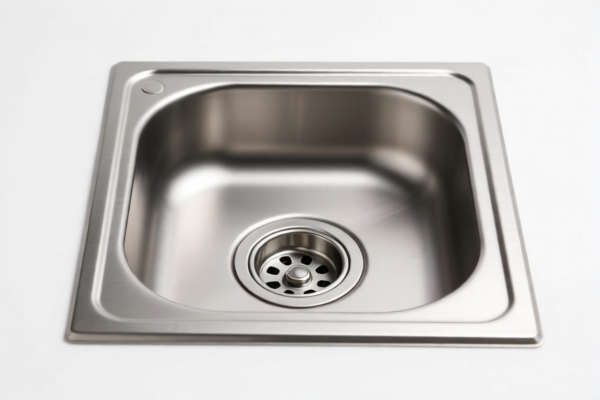
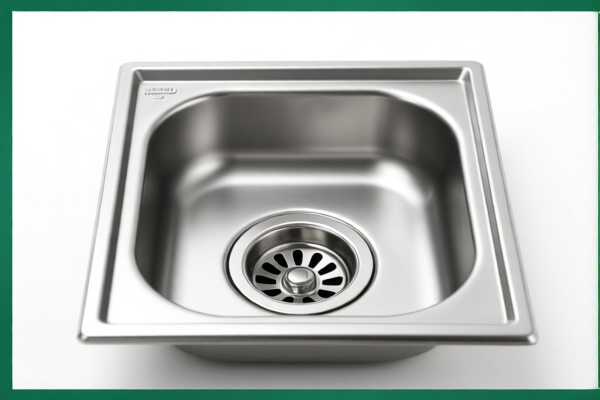
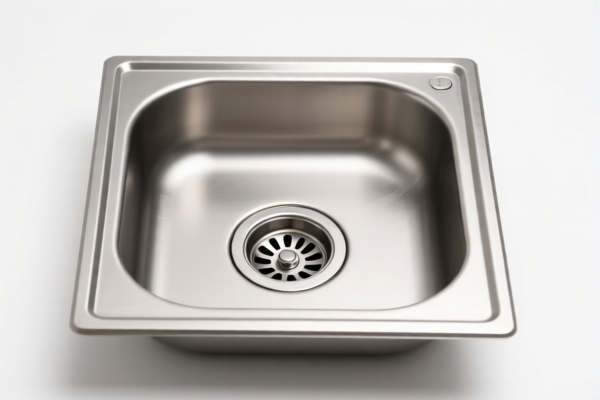
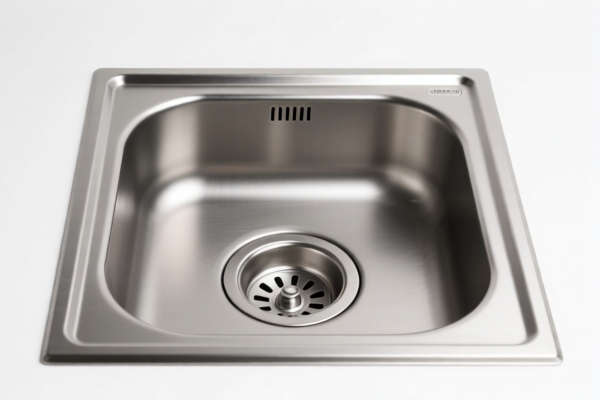
AI Analysis
🚰 Drain Snake (Plunger/Drain Cleaner)
🌐 HS Code Reference & Customs Clearance Guide | 2026 Latest Tariff Analysis | Professional Clearance Strategy
📌 I. Product Definition & Classification: Do You Really Know "Drain Snake"?
A Drain Snake (often referred to as a plunger or drain auger in international trade contexts based on the provided data) is a essential household tool used for unclogging pipes and drains. In international trade, its classification depends strictly on its manufacturing material, as different materials fall under entirely different Harmonized System (HS) chapters.
Material-Based Classification Categories: 1. Plastic Types (PVC/PE): Categorized as general plastic articles. 2. Rubber/Elastomer Types: Categorized as vulcanized rubber or polymeric products. 3. Metal Types (Iron/Steel): Categorized as hand tools.
⚠️ Key Distinction:
- If the primary material is Plastic (PVC/PE) →归入 3926.90.99.40 / 3926.90.99.89
- If the primary material is Rubber/Elastomer → 归入 4016.99.05.00 / 4016.99.60.50
- If the primary material is Metal (Iron/Steel) → 归入 8205.59.55.60
📦 II. HS Code Classification Details (2026 Latest Tariff Authority Comparison)
| HS Code | Product Description | Applicable Scenario | Primary Material |
|---|---|---|---|
3926.90.99.40 |
Other articles of plastic: Based on plastic material (e.g., PVC, PE), classified as other plastic products. | Standard plastic plunger pipes, PVC drain cleaners. | Plastic (PVC/PE) |
3926.90.99.89 |
Other articles of plastic: Based on plastic or composite materials, classified as unlisted other plastic products. | Composite plastic drain tools, non-standard plastic variants. | Plastic/Composite |
8205.59.55.60 |
Hand tools (other than cutting tools): Based on iron or steel material, classified as non-bladed hand tools. | Metal drain snakes, steel augers, heavy-duty metal uncloggers. | Iron/Steel |
4016.99.05.00 |
Other articles of vulcanized rubber: Based on vulcanized rubber material, classified as household rubber items. | Rubber plungers, household vulcanized rubber drain tools. | Vulcanized Rubber |
4016.99.60.50 |
Other articles of rubber/plastic: Based on rubber or plastic elastomer material, classified as general-purpose polymeric products for non-motor vehicles. | Elastomer-based drain tools, flexible rubber/plastic composites. | Rubber/Elastomer |
🔍 Critical Reminder:
- Material is King: The same product shape can have vastly different HS codes and tax rates depending on whether it is made of plastic, rubber, or metal. - Composite Materials: If the item combines materials, the classification follows the specific sub-headings provided (e.g., composite plastic goes to3926...).
💰 III. 2026 Latest Tariff Rate Breakdown (Including Surtaxes & Policy Add-ons)
✅ Applicable Country: United States (US)
✅ Origin: China (CN)
✅ Effective Time: Current rates including Section 301 and IEEPA additions
🎯 1. 3926.90.99.40 & 3926.90.99.89 —— Plastic Drain Snakes
| Item | Content |
|---|---|
| Base Tariff | 5.3% |
| Section 301 Surtax | +7.5% (Specific addition for this category) |
| Section 122 Surtax | +10% (Specific addition for this category) |
| Total Tariff | 22.8% |
| Tax Calculation | CIF Value × 22.8% |
| De Minimis Exemption | ❌ Not Applicable (Subject to full tariff calculation) |
| Legal Basis Path | Base Tariff: 5.3% → Surtax: 7.5% → Section 122: 10% |
📌 Explanation:
- Plastic drain snakes incur a moderate-high tariff of 22.8%. - The Section 122 and Section 301 additions significantly raise the cost compared to base rates.
🎯 2. 8205.59.55.60 —— Metal (Iron/Steel) Drain Snakes
| Item | Content |
|---|---|
| Base Tariff | 5.3% |
| Section 301 Surtax | +25.0% (High surtax for metal hand tools) |
| Section 122 Surtax | +10% |
| Total Tariff | 40.3% |
| Tax Calculation | CIF Value × 40.3% |
| De Minimis Exemption | ❌ Not Applicable |
| Legal Basis Path | Base Tariff: 5.3% → Surtax: 25.0% → Section 122: 10% |
📌 Explanation:
- Metal drain snakes are classified as hand tools, attracting the highest tariff among the options. - The 25% Section 301 surtax is standard for many metal tools imported from China, making this the most expensive option to clear.
🎯 3. 4016.99.05.00 —— Vulcanized Rubber Drain Snakes
| Item | Content |
|---|---|
| Base Tariff | 3.4% |
| Section 301 Surtax | +7.5% |
| Section 122 Surtax | +10% |
| Total Tariff | 20.9% |
| Tax Calculation | CIF Value × 20.9% |
| De Minimis Exemption | ❌ Not Applicable |
| Legal Basis Path | Base Tariff: 3.4% → Surtax: 7.5% → Section 122: 10% |
📌 Explanation:
- Vulcanized rubber items have the lowest base tariff (3.4%) and moderate surtaxes. - Total Tariff: 20.9%, making it the most cost-effective option for rubber-based products.
🎯 4. 4016.99.60.50 —— Rubber/Elastomer Drain Snakes
| Item | Content |
|---|---|
| Base Tariff | 2.5% |
| Section 301 Surtax | +25.0% (High surtax for specific polymeric goods) |
| Section 122 Surtax | +10% |
| Total Tariff | 37.5% |
| Tax Calculation | CIF Value × 37.5% |
| De Minimis Exemption | ❌ Not Applicable |
| Legal Basis Path | Base Tariff: 2.5% → Surtax: 25.0% → Section 122: 10% |
📌 Explanation:
- Although the base tariff is very low (2.5%), the 25% Section 301 surtax for this specific polymeric classification drives the total cost up. - Total Tariff: 37.5%, significantly higher than other rubber categories due to the specific sub-heading.
🛠️ IV. Customs Clearance Practical Advice (Battle-Tested Pitfall Avoidance)
✅ 1. Documentation Checklist (All Required)
| Document | Required | Notes |
|---|---|---|
| ✅ Product Specification Sheet | ✔️ | Must clearly state Material Composition (e.g., "100% PVC," "Vulcanized Rubber"). |
| ✅ Product Photos (Labeled) | ✔️ | Show the material texture; distinguish between rigid plastic and flexible rubber. |
| ✅ Commercial Invoice | ✔️ | Description must match HS Code (e.g., "Plastic Drain Pipe" vs. "Rubber Plunger"). |
| ✅ Packing List | ✔️ | List quantities and weights per item. |
| ✅ Certificate of Origin | ✔️ | Confirm Chinese origin to apply correct surtaxes. |
✅ 2. Declaration Tips (Key Mantras)
🔥 "Material Defines Code, Code Defines Cost!"
| Scenario | Correct HS Code | Wrong Practice | Consequence |
|---|---|---|---|
| PVC Plastic Plunger | 3926.90.99.40 |
Declare as Rubber | Misclassification penalty; Tax mismatch (22.8% vs 20.9%) |
| Steel Drain Auger | 8205.59.55.60 |
Declare as Plastic | Tax Jump from 22.8% to 40.3%; Potential fraud investigation |
| Vulcanized Rubber Plunger | 4016.99.05.00 |
Declare as Elastomer (4016.99.60.50) |
Tax Jump from 20.9% to 37.5%; Significant cost increase |
| Composite Plastic/Metal | Check Primary Material | Ambiguous Description | Customs delay for inspection; Higher duty assessment |
📌 Note:
- Vulcanized Rubber (4016.99.05.00) is cheaper than Elastomer/Polymeric (4016.99.60.50). Ensure your supplier declares "Vulcanized Rubber" if accurate, as it attracts only 7.5% in surtaxes vs 25%. - Metal items are heavily penalized. If possible, consider plastic or rubber alternatives for cost savings.
✅ 3. Special Case Handling
| Scenario | Handling Advice |
|---|---|
| Mixed Material Items | Identify the principal material. If plastic is dominant, use 3926...; if metal handle with rubber head, consult custom broker for best classification (often based on essential character). |
| OEM Custom Designs | Provide technical drawings showing material layers. |
| Samples for Testing | Even samples are subject to tariffs if shipped via commercial courier; declare accurately. |
🌍 V. Global Market Clearance Comparison (2026 Latest)
| Country/Region | Recommended HS Code | Tariff (China Origin) | Certification Required | Notes |
|---|---|---|---|---|
| 🇺🇸 USA | Depends on Material | 20.9% - 40.3% | None specific (Standard) | High Surtaxes Apply. Plastic=22.8%, Rubber=20.9%/37.5%, Metal=40.3%. |
| 🇨🇳 China | Depends on Material | 0% - 5% | None | Low import duty, but focus is on export. |
| 🇪🇺 EU | 3926.90 / 4016.99 | 0% - 6.5% | CE (if applicable) | No Section 301/122 equivalent; much cheaper than US. |
| 🇬🇧 UK | 3926.90 / 4016.99 | 0% - 5% | UKCA | Post-Brexit rules apply; generally low tariffs. |
| 🇦🇺 Australia | 3926.90 / 4016.99 | 5% | none | Standard MFN rate; no major surtaxes. |
📌 Conclusion:
- The USA market is the most expensive due to Section 301 and Section 122 tariffs. - Plastic and Vulcanized Rubber are the most tariff-efficient materials for the US. - Metal and Elastomer classifications face punitive surtaxes.
📌 VI. Common Mistakes & Pitfall Guide (Lessons Learned)
❌ Mistake 1: Declaring all drain snakes as "Plastic" (3926) regardless of material.
👉 Consequence: If it’s metal, you avoid the 40.3% tax initially but face heavy penalties and back taxes upon inspection.
❌ Mistake 2: Confusing "Vulcanized Rubber" (4016.99.05) with "Elastomer" (4016.99.60).
👉 Consequence: A 16.6% tax difference (37.5% vs 20.9%). Ensure your supplier uses correct chemical terminology.
❌ Mistake 3: Ignoring Section 122 Tariffs.
👉 Consequence: All listed items incur an additional 10% from Section 122. Forgetting this leads to underpayment.
✅ Correct Approach:
"Drain Snake, PVC Material, Household Use" → 3926.90.99.40 (22.8%)
"Drain Snake, Vulcanized Rubber, Household Plunger" → 4016.99.05.00 (20.9%)
"Drain Snake, Steel Auger, Non-bladed Hand Tool" → 8205.59.55.60 (40.3%)
🎯 VII. Conclusion: Professional Classification, Cost Optimization!
🎯 Remember the Mantra:
🔹 "Plastic is 22.8%, Rubber is 20.9% (Vulcanized), Metal is 40.3%."
🔹 "Section 122 adds 10% to ALL. Section 301 adds 7.5% to Plastic/Rubber or 25% to Metal/Elastomer."
📌 Pro Tip:
- For US Imports, prioritize Vulcanized Rubber (4016.99.05.00) or Plastic (3926...) for lowest tariffs.
- Avoid Metal unless necessary, as the 40.3% total tax is a significant cost burden.
- Always verify the exact material composition with your supplier before shipping to ensure the correct HS Code is used.
📣 Immediate Action:
📞 Consult with a customs broker to pre-classify your specific product.
📝 Provide Material Safety Data Sheets (MSDS) or Material Composition Certificates to support your HS Code declaration.
🚀 Optimize your supply chain, reduce tariff costs, and clear US customs smoothly!
✨ Professional Clearance Starts with Accurate Classification!
💼 Every percent of tariff saved is pure profit added!
Customer Reviews
About HS Code Classification
The Harmonized System (HS) is an internationally standardized nomenclature developed by the World Customs Organization (WCO) to classify traded products. Over 200 countries use the HS system as the basis for customs tariffs, trade statistics, and import/export regulations.
Each HS code follows a hierarchical structure:
- Chapter (2 digits) — Broad category of goods (e.g., Chapter 84: Machinery and Mechanical Appliances)
- Heading (4 digits) — More specific grouping within the chapter
- Subheading (6 digits) — Internationally standardized breakdown, used by all WCO member countries
- National subdivisions (8-10 digits) — Country-specific extensions for further classification, such as US HTSUS 10-digit codes
Correct HS code classification is essential for smooth customs clearance, accurate duty payment, and compliance with trade regulations. Misclassification can lead to customs delays, overpayment of duties, or penalties.
When importing from CN to US, the applicable tariff rates may include:
- Most-Favored-Nation (MFN) rate — The standard duty rate applied to WTO members
- General rate — Applied to countries without trade agreements
- Trade remedy duties — Additional tariffs such as Section 301 (anti-dumping), Section 232 (national security), or countervailing duties
The information provided on this page is for reference purposes only. For official classification, please consult with your local customs authority or a licensed customs broker.