Drainage Mat
CN → US| HS Code | Tariff Rate | Origin | Destination | Doc |
|---|---|---|---|---|
| 4421919880 | 38.3% | CN | US | Official Doc |
| 6304910170 | 23.3% | CN | US | Official Doc |
| 6304996040 | 20.7% | CN | US | Official Doc |
| 3924104000 | 13.4% | CN | US | Official Doc |
| 4016910000 | 37.7% | CN | US | Official Doc |
Product Images
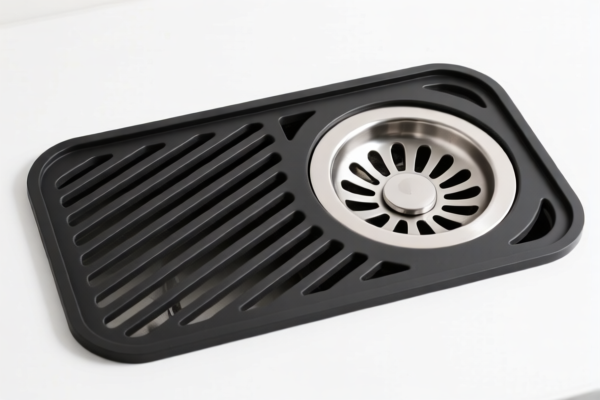
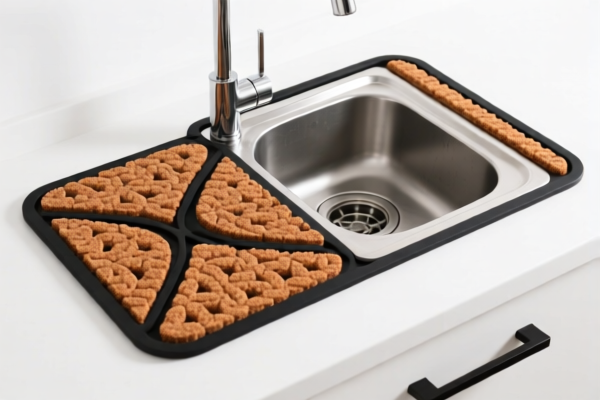
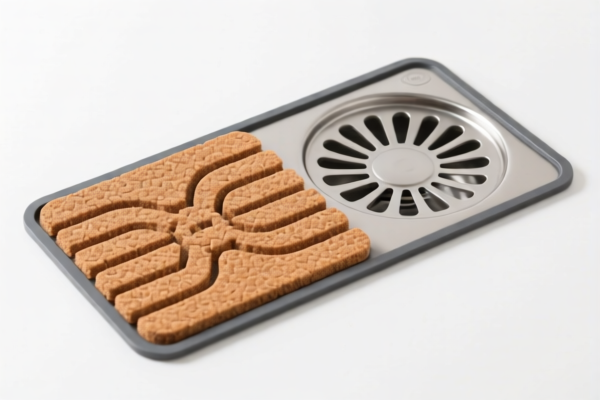
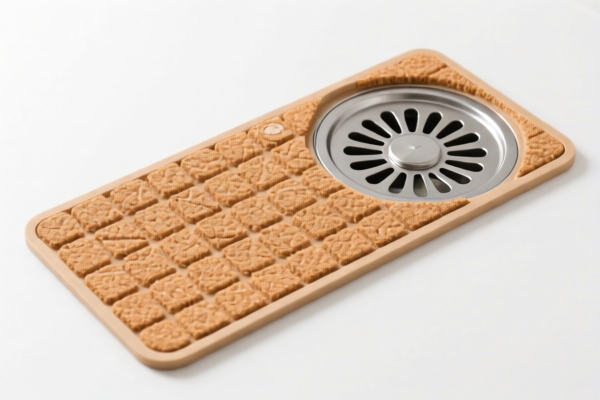
AI Analysis
🛁 Drainage Mat (Dehydrated/Silicone Kitchen Mats)
🌐 HS Code Reference & Customs Clearance Guide | 2026 Latest Tariff Analysis | Professional Entry Strategy
📌 I. Product Definition & Classification: Are You Classifying Your Mat Correctly?
The "Drainage Mat" is a broad category used in e-commerce and daily life, but in international trade, its classification depends entirely on material and manufacturing method. Misclassification here can lead to drastically different tariff rates due to US Section 301 and IEEPA penalties.
In the provided data, we see two distinct categories: 1. Wood-based Mats: Classified as general wooden articles. 2. Fabric/Textile Mats: Classified as knitted/crocheted or non-knitted household textiles. 3. Silicone Mats: Split between Plastic and Rubber categories, which have vastly different tax implications.
⚠️ Critical Distinction Point:
- If the mat is made of Wood: It falls under Chapter 44.
- If the mat is made of Fabric/Textile: It falls under Chapter 63.
- If the mat is made of Silicone: It must be determined if it is a "Plastic Article" (Ch 39) or a "Rubber Product" (Ch 40). This is the most common error zone.
📦 II. HS Code Classification Details (2026 Latest Tariff Mapping)
Based on the provided data, here are the specific HS Codes, their summaries, and applicable tax structures.
| HS Code | Product Description (Summary) | Material/Nature | Total Tax Rate |
|---|---|---|---|
| 4421.91.98.80 | Other articles of wood | Wooden Mat | 38.3% |
| 6304.91.01.70 | Other knitted/crocheted furnishing articles | Knitted Fabric Mat | 23.3% |
| 6304.99.60.40 | Other non-knitted/crocheted household textiles | Non-Knitted Fabric Mat | 20.7% |
| 3924.10.40.00 | Tableware & kitchenware, of plastics | Silicone (Plastic Type) | 13.4% |
| 4016.91.00.00 | Rubber mats & other floor coverings | Silicone (Rubber Type) | 37.7% |
🔍 Key Insight:
- Plastic vs. Rubber: Silicone is technically a synthetic rubber, but US customs sometimes classifies it under plastics (Ch 39) if it meets specific curing criteria, or under rubber (Ch 40). The difference in total tax is massive: 13.4% vs. 37.7%.
- Wood vs. Textile: Wooden mats incur higher base duties due to the 25% Section 301 tariff applied to wood products.
💰 III. Detailed Tariff Rate Breakdown (2026)
✅ Applicable Country: United States (US)
✅ Origin: China (CN)
✅ Effective Date: Current rates apply including Section 301 and IEEPA provisions.
🎯 1. 4421.91.98.80 —— Wooden Drainage Mat
| Item | Content |
|---|---|
| Base Duty | 3.3% |
| Section 301 Duty | +25.0% |
| IEEPA Duty (Section 122) | +10.0% |
| Total Effective Tax | 38.3% |
| De Minimis Exemption | ❌ Not Eligible (Value > $800 requires full entry; < $800 still subject to duty if not exempted by specific rules, but typically high-duty goods are scrutinized) |
📌 Explanation:
- Wood products are heavily targeted by trade policies.
- The 25% Section 301 tariff is the primary driver of the high cost.
- Advice: High cost. Consider sourcing wood from non-China origins to avoid the 25% add-on.
🎯 2. 6304.91.01.70 —— Knitted/Crocheted Fabric Mat
| Item | Content |
|---|---|
| Base Duty | 5.8% |
| Section 301 Duty | +7.5% |
| IEEPA Duty (Section 122) | +10.0% |
| Total Effective Tax | 23.3% |
| De Minimis Exemption | ❌ Not Eligible |
📌 Explanation:
- Textile mats have a higher base duty (5.8%) but a lower Section 301 add-on (7.5%) compared to wood or rubber mats.
- Advice: Moderate cost. Ensure the "knitted" nature is clearly documented to avoid being misclassified as non-knitted.
🎯 3. 6304.99.60.40 —— Non-Knitted Fabric Mat
| Item | Content |
|---|---|
| Base Duty | 3.2% |
| Section 301 Duty | +7.5% |
| IEEPA Duty (Section 122) | +10.0% |
| Total Effective Tax | 20.7% |
| De Minimis Exemption | ❌ Not Eligible |
📌 Explanation:
- This is one of the most cost-effective options in the dataset.
- Lowest base duty (3.2%) combined with a manageable Section 301 rate.
- Advice: Preferred classification for fabric mats if they are not knitted.
🎯 4. 3924.10.40.00 —— Silicone Mat (Plastic Classification)
| Item | Content |
|---|---|
| Base Duty | 3.4% |
| Section 301 Duty | +0.0% |
| IEEPA Duty (Section 122) | +10.0% |
| Total Effective Tax | 13.4% |
| De Minimis Exemption | ❌ Not Eligible |
📌 Explanation:
- THE LOWEST TAX OPTION.
- If Customs accepts your silicone mat as a "Plastic Article" (Ch 39), it incurs NO Section 301 tariff (0.0%).
- Only the 10% IEEPA tariff applies.
- Risk: Customs may challenge this classification and reclassify as Rubber (Ch 40).
🎯 5. 4016.91.00.00 —— Silicone Mat (Rubber Classification)
| Item | Content |
|---|---|
| Base Duty | 2.7% |
| Section 301 Duty | +25.0% |
| IEEPA Duty (Section 122) | +10.0% |
| Total Effective Tax | 37.7% |
| De Minimis Exemption | ❌ Not Eligible |
📌 Explanation:
- Although the base duty is low (2.7%), the 25% Section 301 tariff applies to rubber products.
- Total tax jumps to 37.7%, making it nearly as expensive as wooden mats.
- Advice: This is a high-cost classification. Avoid if possible by arguing for Plastics (Ch 39).
🛠️ IV. Customs Clearance Practical Advice
✅ 1. Preparation Checklist (Non-Negotiable)
| Document | Required? | Notes |
|---|---|---|
| Product Specifications | ✅ Yes | Must specify material composition (e.g., "100% Silicone," "Bamboo Wood"). |
| Technical Data Sheet | ✅ Yes | For silicone mats, provide proof of plastic vs. rubber properties. |
| High-Res Photos | ✅ Yes | Show texture, stitching (for textiles), and cross-section (for silicone). |
| Commercial Invoice | ✅ Yes | Describe goods precisely (e.g., "Silicone Kitchen Drainage Mat," not just "Mat"). |
| Origin Certificate | ✅ Yes | Critical for determining Section 301 applicability. |
✅ 2. Strategic Classification Tips
🔥 "Silicone is the Battlefield: Fight for Plastic!"
| Scenario | Recommended HS Code | Total Tax | Strategy |
|---|---|---|---|
| Silicone Mat | 3924.10.40.00 |
13.4% | Provide material test reports proving it is classified as plastic under USHTS. Argue against Ch 40. |
| Fabric Mat | 6304.99.60.40 |
20.7% | Specify "Non-knitted woven" or "non-woven." Avoid "knitted" unless necessary. |
| Wooden Mat | 4421.91.98.80 |
38.3% | High cost. Consider sourcing from Vietnam/Thailand to avoid Section 301. |
| Rubber Mat | 4016.91.00.00 |
37.7% | Last resort. Only use if Ch 39 argument fails. |
✅ 3. Special Considerations
| Issue | Solution |
|---|---|
| Silicone vs. Rubber Dispute | Submit a binding ruling request to US CBP before shipment. Provide chemical composition analysis. |
| Textile Composition | If the mat has a rubber backing, it may be considered a composite good. Primary character test applies. |
| De Minimis (Section 321) | Warning: Most of these HS codes (especially those with Section 301 tariffs) are excluded from the $800 de minimis exemption. Do not rely on informal entry for high-volume shipments. |
🌍 V. Global Market Comparison (2026)
| Market | Recommended HS Code | Est. Total Duty | Key Requirement |
|---|---|---|---|
| 🇺🇸 USA | 3924.10.40.00 (Plastic) |
13.4% | Avoid Ch 40. Prove Plastic nature. |
| 🇺🇸 USA | 6304.99.60.40 (Textile) |
20.7% | Clear textile classification. |
| 🇪🇺 EU | 3924.10 / 6304 |
~4-5% | No Section 301. Lower risk. |
| 🇨🇳 China | 3924.10 / 6304 |
~0-10% | Lower tariffs, focus on domestic market. |
📌 Conclusion for US Importers:
- Winning Strategy: Classify Silicone Mats as Plastics (3924.10.40.00) to achieve 13.4% total tax.
- Runner-Up: Non-knitted Fabric Mats (6304.99.60.40) at 20.7%.
- Avoid: Wooden Mats (4421.91.98.80) and Rubber-classified Silicone (4016.91.00.00) due to 37-38% total tax.
📌 VI. Common Pitfalls & Blood-Soaked Lessons
❌ Pitfall 1: Calling a Silicone Mat "Rubber Mat"
👉 Result: Tax jumps from 13.4% to 37.7%.
💡 Fix: Use "Food-Grade Silicone" in descriptions; provide MSDS showing plastic classification.
❌ Pitfall 2: Assuming All Textiles Are "Knitted"
👉 Result: Higher base duty (5.8% vs 3.2%).
💡 Fix: Specify "Woven," "Non-woven," or "Crocheted" accurately.
❌ Pitfall 3: Ignoring Section 301 on Wood
👉 Result: Unexpected 25% hit on wooden mats.
💡 Fix: Shift supply chain to non-China origins for wooden products.
🎯 VII. Conclusion: Precision Saves Profit!
🎯 Recall the Formula:
🔹 Silicone = Plastic (13.4%) > Fabric (20.7%) > Wood/Rubber (37%+)
🔹 "Don't let Customs classify your Silicone as Rubber!"
📌 Pro Tip:
For high-value shipments of Silicone Mats, apply for a Binding Ruling from US CBP to lock in the 3924.10.40.00 classification. This prevents audits from reclassifying it as Rubber later.
📣 Act Now:
📞 Consult your freight forwarder to verify material specs.
📄 Prepare technical dossiers proving "Plastic" nature for Silicone Mats.
🚀 Clear customs smoothly, protect your margin!
✨ Professional Classification, Every Time!
💼 Your Bottom Line Depends on These 8 Digits!
Customer Reviews
About HS Code Classification
The Harmonized System (HS) is an internationally standardized nomenclature developed by the World Customs Organization (WCO) to classify traded products. Over 200 countries use the HS system as the basis for customs tariffs, trade statistics, and import/export regulations.
Each HS code follows a hierarchical structure:
- Chapter (2 digits) — Broad category of goods (e.g., Chapter 84: Machinery and Mechanical Appliances)
- Heading (4 digits) — More specific grouping within the chapter
- Subheading (6 digits) — Internationally standardized breakdown, used by all WCO member countries
- National subdivisions (8-10 digits) — Country-specific extensions for further classification, such as US HTSUS 10-digit codes
Correct HS code classification is essential for smooth customs clearance, accurate duty payment, and compliance with trade regulations. Misclassification can lead to customs delays, overpayment of duties, or penalties.
When importing from CN to US, the applicable tariff rates may include:
- Most-Favored-Nation (MFN) rate — The standard duty rate applied to WTO members
- General rate — Applied to countries without trade agreements
- Trade remedy duties — Additional tariffs such as Section 301 (anti-dumping), Section 232 (national security), or countervailing duties
The information provided on this page is for reference purposes only. For official classification, please consult with your local customs authority or a licensed customs broker.