Drainage/Ventilation Pipe Fittings
CN → US| HS Code | Tariff Rate | Origin | Destination | Doc |
|---|---|---|---|---|
| 7307110045 | 39.8% | CN | US | Official Doc |
| 7307110060 | 14.8% | CN | US | Official Doc |
| 7412200045 | 88.0% | CN | US | Official Doc |
| 3917400050 | 15.3% | CN | US | Official Doc |
| 7412200090 | 88.0% | CN | US | Official Doc |
Product Images


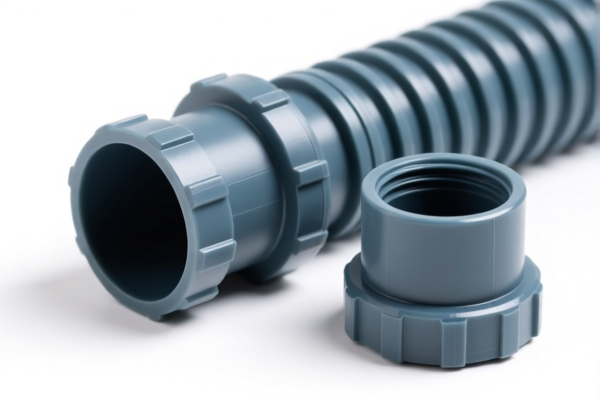

AI Analysis
🌐 Drainage/Ventilation Pipe Fittings | HS Code & Tariff Guide 2026 | Expert Customs Clearance Strategy
📌 1. Product Definition & Classification: What Are Drainage/Ventilation Pipe Fittings?
Drainage and ventilation pipe fittings are essential components in plumbing systems, used to connect, redirect, or terminate pipes in residential, commercial, and industrial buildings. These fittings ensure proper flow of wastewater (drainage) and air pressure balance (ventilation) in plumbing networks.
They are classified based on: - Material (copper alloy, cast iron, plastic, steel, aluminum) - Form (elbows, couplings, tees, reducers, caps, bends) - Function (drain, vent, waste, or vent-stack connections) - Application (DWV – Drain, Waste, and Vent systems)
⚠️ Critical Distinction:
- Metal fittings (especially copper, cast iron, steel, aluminum) are subject to high附加 tariffs under U.S. trade laws.
- Plastic fittings (e.g., PVC, CPVC) generally face lower tariffs, but still require accurate classification.
📦 2. HS Code Classification Summary (2026 U.S. Tariff Schedule)
| HS Code | Material & Description | Key Features | Tax Rate |
|---|---|---|---|
7412.20.00.90 |
Copper alloy fittings (e.g., elbows, couplings) | Metallic, non-ferrous, for drainage/ventilation | 88.0% |
7307.11.00.45 |
Non-ductile cast iron fittings | Cast iron, non-ductile, for drainage/ventilation | 39.8% |
7307.11.00.60 |
Other metal fittings (non-iron, non-copper) | General-purpose metal pipe attachments | 14.8% |
7412.20.00.45 |
Copper alloy fittings (e.g., bends, connectors) | Matched to pipe attachment forms | 88.0% |
3917.40.00.50 |
Plastic fittings (PVC/CPVC) for DWV systems | Non-metallic, used in drainage/waste/vent systems | 15.3% |
🔍 Note:
-7412.20.00.90and7412.20.00.45are identical in code but differ in application context (90 vs 45 suffix).
- Plastic fittings are not subject to steel/aluminum/copper-specific tariffs.
💰 3. 2026 U.S. Tariff Breakdown (Detailed & Compliant)
✅ Applicable Country: United States (US)
✅ Origin: China (CN)
✅ Effective Date: November 10, 2025 (including future imports)
🎯 1. 7412.20.00.90 — Copper Alloy Pipe Fittings (High-Tax Category)
| Component | Rate | Legal Basis |
|---|---|---|
| Base Duty | 3.0% | U.S. Harmonized Tariff Schedule (HTSUS) |
| Section 301 Tariff (USITC) | +25.0% | From U.S. Trade Act 301 (China-specific) |
| Section 122 Tariff (10% Steel/Aluminum/Copper Add-on) | +10.0% | Under 19 U.S.C. § 122, applies to steel, aluminum, and copper products |
| Additional 50% Tariff (Steel/Aluminum/Copper Product Penalty) | +50.0% | Exclusive to copper alloys under 122条款 (Section 122) – "Steel, Aluminum, and Copper Products" |
| Total Effective Rate | 88.0% | CIF × 88% |
📌 Explanation: - "122条款" (Section 122) is a special punitive tariff applied to copper-based products (including alloys) from China. - The 50% surcharge is not part of the base 301 tariff — it’s a separate, additional penalty. - No de minimis exemption applies → even small shipments are fully taxed.
🎯 2. 7307.11.00.45 — Non-Ductile Cast Iron Pipe Fittings
| Component | Rate | Legal Basis |
|---|---|---|
| Base Duty | 4.8% | HTSUS |
| Section 301 Tariff (USITC) | +25.0% | China-specific 301 tariffs |
| Section 122 Tariff (10% Steel/Aluminum/Copper Add-on) | +10.0% | Applies to all metal products, including cast iron |
| Additional 50% Surcharge? | ❌ No | Not applicable to cast iron |
| Total Effective Rate | 39.8% | CIF × 39.8% |
📌 Note:
- Cast iron is NOT subject to the 50% copper-specific penalty. - Still faces high combined tariffs due to 301 + 122.
🎯 3. 7307.11.00.60 — Other Metal Pipe Fittings (General Metal)
| Component | Rate | Legal Basis |
|---|---|---|
| Base Duty | 4.8% | HTSUS |
| Section 301 Tariff (USITC) | +0.0% | Not included in this subheading |
| Section 122 Tariff (10% Add-on) | +0.0% | Not applicable to this category |
| Total Effective Rate | 14.8% | CIF × 14.8% |
📌 Why Lower?
- This code is exempt from both 301 and 122 tariffs. - Used for non-copper, non-steel, non-aluminum metal fittings (e.g., brass, nickel-plated, or other alloys not covered under 122).
🎯 4. 3917.40.00.50 — Plastic Pipe Fittings (DWV Systems)
| Component | Rate | Legal Basis |
|---|---|---|
| Base Duty | 5.3% | HTSUS |
| Section 301 Tariff (USITC) | +0.0% | Not applied to plastic |
| Section 122 Tariff (10% Add-on) | +0.0% | Only applies to metals |
| Total Effective Rate | 15.3% | CIF × 15.3% |
📌 Key Advantage:
- Plastic fittings are NOT subject to any metal-specific tariffs. - No 50% copper penalty, no 10% steel/aluminum/copper add-on. - Best option for cost-sensitive shipments from China.
🛠️ 4. Customs Clearance Best Practices (Pro Tips to Avoid Penalties)
✅ 1. Documentation Checklist (Must-Have)
| Document | Required? | Purpose |
|---|---|---|
| ✅ Product Specification Sheet | ✔️ | Material, dimensions, form (elbow, tee, etc.) |
| ✅ Material Certificate (MTC) | ✔️ | Prove copper alloy vs. plastic vs. cast iron |
| ✅ Product Photos (with label) | ✔️ | Show material, brand, model, and markings |
| ✅ Third-Party Test Report | ✔️ | ASTM, ISO, or UL certification (if applicable) |
| ✅ Commercial Invoice | ✔️ | Clearly state: “Plastic Drainage Pipe Fitting, DWV, PVC” or “Copper Alloy Fitting, Elbow” |
| ✅ Certificate of Origin (CO) | ✔️ | Critical for tariff eligibility |
| ✅ Packing List | ✔️ | Show quantity, weight, and packaging |
✅ 2.申报技巧 (Declaration Strategy)
🔥 "Material First, Form Second, Tax Last!"
| Scenario | Correct HS Code | Wrong Code | Risk |
|---|---|---|---|
| Copper alloy elbow (China origin) | 7412.20.00.90 |
7307.11.00.45 |
+50% tax |
| Plastic tee (PVC) for DWV | 3917.40.00.50 |
7412.20.00.90 |
88% vs 15.3% → 5.5× higher cost |
| Cast iron coupling | 7307.11.00.45 |
7307.11.00.60 |
+25% tariff |
| General metal fitting (non-copper) | 7307.11.00.60 |
7412.20.00.90 |
Avoid 88% tax |
📌 Pro Tip:
- Never label copper alloy fittings as "metal" only — specify "copper alloy". - Never label plastic fittings as "plastic pipe" — use "plastic pipe fitting, DWV".
✅ 3. Special Cases & Solutions
| Case | Solution |
|---|---|
| Mixed shipment (copper + plastic) | Separate by HS Code — declare two invoices, avoid "combined" classification |
| OEM custom fittings | Provide design drawings + material test reports to prove classification |
| Fittings used in HVAC systems | May qualify for non-plumbing exemption — consult customs broker |
| Fittings for military/industrial use | Apply for special use exemption — requires documentation |
🌍 5. Global Customs Comparison (2026)
| Country | Recommended HS Code | Tariff | Certification | Notes |
|---|---|---|---|---|
| 🇺🇸 USA | 7412.20.00.90 (copper) |
Up to 88.0% | FCC, ASTM, ISO | High tariffs on metal |
| 🇨🇳 China | 7412.20.00.90 |
5% | CCC, CE | No 301/122 tariffs |
| 🇪🇺 EU | 7412.20.00.90 |
0% (if CE) | CE, RoHS | No 301/122 |
| 🇦🇺 Australia | 3917.40.00.50 |
5% | RCM | No metal tariffs |
| 🇯🇵 Japan | 3917.40.00.50 |
0% | PSE | No metal surcharges |
📌 Insight:
- China-origin copper fittings are most expensive in the U.S.
- Plastic fittings are the safest bet for U.S. exports from China.
📌 6. Common Mistakes & How to Avoid Them
❌ Mistake 1: Labeling copper alloy fittings as "metal" without specifying "copper alloy"
👉 Result: Wrong HS code → 88% tax applied → huge overpayment
❌ Mistake 2: Combining plastic and metal fittings in one shipment under one HS Code
👉 Result: Customs may apply highest applicable tariff to entire shipment
❌ Mistake 3: Not providing material certificate for copper fittings
👉 Result: Customs may reclassify as higher-risk → delayed clearance or rejection
❌ Mistake 4: Using generic name like "pipe fitting" without specifying material + function
👉 Result: Misclassification → penalties + interest
✅ Correct Declaration Example:
"Plastic Drainage/Vent Pipe Fitting, PVC, DWV System, 90° Elbow, 2-inch, for Residential Plumbing, Made in China, ASTM F441 Certified"
🎯 7. Final Verdict: Smart Strategy for Profit & Compliance
🔥 Golden Rule:
"If it’s copper → expect 88%. If it’s plastic → expect 15.3%. If it’s cast iron → 39.8%. If it’s general metal → 14.8%."
📌 Strategic Recommendations: - Shift to plastic fittings (PVC/CPVC) for U.S. market to avoid 88% tax. - Use Vietnam/Mexico as manufacturing hubs to avoid China-origin tariffs. - Apply for Advance Ruling (Pre-Approval) on HS Code classification. - Use a U.S.-based customs broker with experience in plumbing and metal tariffs.
📣 Act Now: Avoid Costly Mistakes!
📞 Contact a certified customs broker today
🚀 Get your HS Code pre-approved
💼 Save thousands per shipment
🌐 Ensure smooth, fast, and compliant clearance
✨ Your shipment’s success starts with the right HS Code.
💼 Precision in classification = Profit in logistics.
Customer Reviews
About HS Code Classification
The Harmonized System (HS) is an internationally standardized nomenclature developed by the World Customs Organization (WCO) to classify traded products. Over 200 countries use the HS system as the basis for customs tariffs, trade statistics, and import/export regulations.
Each HS code follows a hierarchical structure:
- Chapter (2 digits) — Broad category of goods (e.g., Chapter 84: Machinery and Mechanical Appliances)
- Heading (4 digits) — More specific grouping within the chapter
- Subheading (6 digits) — Internationally standardized breakdown, used by all WCO member countries
- National subdivisions (8-10 digits) — Country-specific extensions for further classification, such as US HTSUS 10-digit codes
Correct HS code classification is essential for smooth customs clearance, accurate duty payment, and compliance with trade regulations. Misclassification can lead to customs delays, overpayment of duties, or penalties.
When importing from CN to US, the applicable tariff rates may include:
- Most-Favored-Nation (MFN) rate — The standard duty rate applied to WTO members
- General rate — Applied to countries without trade agreements
- Trade remedy duties — Additional tariffs such as Section 301 (anti-dumping), Section 232 (national security), or countervailing duties
The information provided on this page is for reference purposes only. For official classification, please consult with your local customs authority or a licensed customs broker.