Drawer Cabinet
CN → US| HS Code | Tariff Rate | Origin | Destination | Doc |
|---|---|---|---|---|
| 9403100020 | 85.0% | CN | US | Official Doc |
| 9403608093 | 35.0% | CN | US | Official Doc |
| 7326908688 | 87.9% | CN | US | Official Doc |
| 4421999880 | 38.3% | CN | US | Official Doc |
| 5903102090 | 35.0% | CN | US | Official Doc |
Product Images


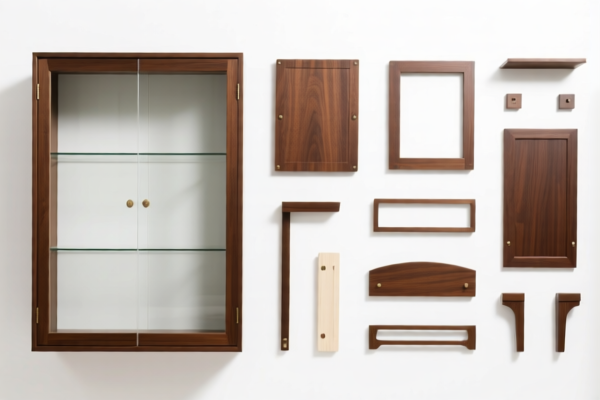
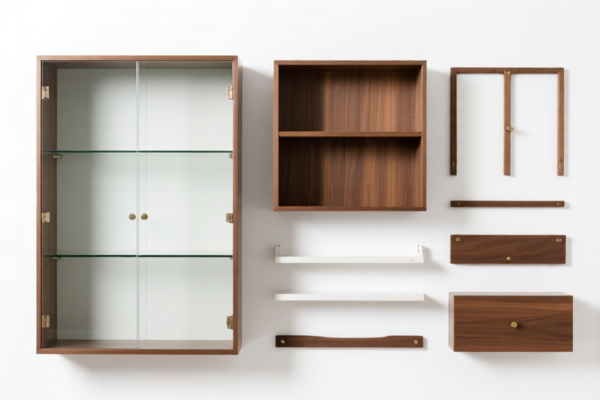
AI Analysis
Here is the comprehensive Drawer Cabinet (抽屉柜) Customs Classification and Tariff Guide, based strictly on the provided data.
🪑 Drawer Cabinet (Drawer Unit / Storage Cabinet)
🌐 HS Code Classification & Tariff Strategy | 2026 U.S. Import Compliance | Cost Optimization Guide
⚠️ CRITICAL ALERT: Drawer cabinets are a high-risk category for classification disputes in the US market. The difference between "Furniture" (Wood/Metal) and "Other Articles" (Steel/Aluminum) can swing your tariff rate from 35% to 88%. Precision is non-negotiable.
🧐 One: Product Definition & The "Material Trap"
The Drawer Cabinet is a storage unit with sliding compartments, used in offices, homes, and industrial settings. However, under US Customs (CBP), the HS Code is dictated almost entirely by the primary material composition, not the function.
Two Main Classification Paths:
1. Furniture Classification (Wood or Metal):
* Applies if the cabinet is primarily made of wood (solid or composite) or metal (steel/aluminum) but classified specifically as "Furniture."
* Target HS Codes: 9403.10.00.20 or 9403.60.80.93.
2. General Articles Classification (The "Catch-All" for Metal/Aluminum):
* Applies if the item is deemed a "finished article" made of iron/steel that doesn't fit specific furniture sub-categories, often triggering higher "Section 122" penalties.
* Target HS Code: 7326.90.86.88.
💡 The "Hidden Trap": If you misclassify a metal cabinet as general articles (
7326...), you face a 50% penalty on top of standard tariffs. If classified as wood furniture, you avoid this specific 50% penalty.
📦 Two: HS Code Breakdown & Tariff Analysis (2026 Latest)
Based on the provided data, here is the exact breakdown for 3 Potential Scenarios.
🎯 Scenario A: Metal or Wooden Cabinet (High-Tax Furniture)
HS Code: 9403.10.00.20
* Description: Drawer Cabinet (Furniture), inferred material: Metal or Wood.
* Function: Office/Home Storage.
* Total Tariff Rate: 85.0% 🚨
| Tax Component | Rate | Source/Logic |
|---|---|---|
| Base Tariff | 0.0% | Standard MFN rate for this sub-class. |
| Section 301 (Add-on) | 25.0% | Standard "Made in China" tariff. |
| Section 122 (Steel/Al) | 50.0% | Critical: Applies because material is inferred as Steel, Aluminum, or Copper. |
| Total | 85.0% | Highest Risk Category |
📝 Logic: This code treats the cabinet as "Furniture," but because the material is metal, the 122条款 (Section 122) penalty kicks in with a massive 50% surcharge on the steel/aluminum content.
🎯 Scenario B: Purely Wooden Cabinet (Lowest Tax)
HS Code: 9403.60.80.93
* Description: Drawer Cabinet (Other Wooden Furniture).
* Function: General Wooden Storage.
* Total Tariff Rate: 35.0% ✅ Best Case
| Tax Component | Rate | Source/Logic |
|---|---|---|
| Base Tariff | 0.0% | Standard MFN rate. |
| Section 301 (Add-on) | 25.0% | Standard "Made in China" tariff. |
| Section 122 (Steel/Al) | 10.0% | Low Penalty: Only 10% applied (likely due to non-ferrous components or specific wood classification exemption). |
| Total | 35.0% | Most Cost-Effective |
📝 Logic: By proving the cabinet is primarily wood, you avoid the 50% metal penalty. You only pay a reduced 10% Section 122 penalty (or potentially 0% depending on exact alloy content), bringing the total to a manageable 35%.
🎯 Scenario C: Metal "Finished Articles" (The "Catch-All" Risk)
HS Code: 7326.90.86.88
* Description: Drawer Cabinet as a "Finished Product/Article" (General Iron/Steel Articles).
* Function: Storage (Generic).
* Total Tariff Rate: 87.9% 💀 Worst Case
| Tax Component | Rate | Source/Logic |
|---|---|---|
| Base Tariff | 2.9% | Non-zero base rate for general metal articles. |
| Section 301 (Add-on) | 25.0% | Standard "Made in China" tariff. |
| Section 122 (Steel/Al) | 50.0% | Max Penalty: Full 50% applied to steel/aluminum/copper products. |
| Total | 87.9% | Extremely High |
📝 Logic: This code is for "Other articles of iron or steel." It carries a 2.9% base tax plus the 50% Section 122 penalty. This is the "worst of both worlds" and should be avoided if possible.
🛠️ Three: Special Component Analysis (Drawer Liners)
If the cabinet includes Drawer Liners (Drawer Pads), these are taxed separately or as part of the bundle.
| HS Code | Material Description | Total Tariff | Tax Details |
|---|---|---|---|
4421.99.98.80 |
Wooden Liners (Wood/Composite) | 38.3% | Base: 3.3% + 301: 25% + 122: 10% |
5903.10.20.90 |
Textile/Plastic Liners (Textile + PVC) | 35.0% | Base: 0.0% + 301: 25% + 122: 10% |
💡 Note: Even if the cabinet is metal, the liner might be taxed differently. If the liner is textile/plastic, it falls under
5903with a 35% rate. If it is wood,4421at 38.3%.
🚀 Four: Clearance & Operational Strategy
✅ 1. The "Material Declaration" Strategy
Do not simply declare "Drawer Cabinet."
* Action: If the product is Wood, explicitly declare "Wooden Drawer Cabinet" and provide a Bill of Materials (BOM) showing >90% wood content.
* Goal: Target 9403.60.80.93 (35% Total).
* Action: If the product is Metal, be prepared for the 85.0% or 87.9% rate.
* Goal: Try to argue for furniture classification (9403) over general articles (7326) to avoid the 2.9% base tax, saving 2.9% (85% vs 87.9%).
✅ 2. Avoid the "Section 122" 50% Penalty
- Risk: The 50% Section 122 tariff is triggered by "Steel, Aluminum, Copper" products.
- Strategy:
- If the cabinet is Metal, can you prove it is not steel/aluminum (e.g., plastic composite frame)? Unlikely for a drawer cabinet.
- Best Defense: Ensure the primary material is argued as Wood to move to the 35% bracket.
- Secondary Defense: If Metal, ensure it is classified under Furniture (9403) to avoid the Base Tax (2.9%) found in the "Other Articles" category.
✅ 3. Document Checklist for CBP
To support the 35.0% claim (Wood) or minimize risk on Metal: 1. Detailed BOM (Bill of Materials): Must list wood percentage vs. metal percentage clearly. 2. Photos: High-res photos showing wood grain (if claiming wood). 3. Structure Diagram: Showing that the frame is wood, not steel. 4. Sample Request: Be prepared to send a physical sample for CBP testing. 5. Liner Declaration: Clearly separate drawer liners to avoid misclassification of the main unit.
⚖️ Five: Cost Comparison Summary (Per $100 Goods)
| HS Code | Material Assumption | Base Tax | 301 Tax (25%) | 122 Tax (Steel/Al) | Total Duty ($) | Verdict |
|---|---|---|---|---|---|---|
9403.60.80.93 |
Wood | $0.00 | $25.00 | $10.00 | $35.00 | ✅ OPTIMAL |
9403.10.00.20 |
Metal | $0.00 | $25.00 | $50.00 | $85.00 | ⚠️ HIGH |
7326.90.86.88 |
Metal (Articles) | $2.90 | $25.00 | $50.00 | $87.90 | ❌ WORST |
5903.10.20.90 |
Liner (Textile) | $0.00 | $25.00 | $10.00 | $35.00 | ✅ GOOD |
4421.99.98.80 |
Liner (Wood) | $3.30 | $25.00 | $10.00 | $38.30 | ✅ GOOD |
💡 Golden Rule: Classify as Wood if possible. Moving from Metal (
9403.10or7326) to Wood (9403.60) saves you $50 on every $100 of goods (85% → 35%).
📢 Final Clearance Advice
- Pre-Arrival Ruling: MUST file for a binding ruling from CBP before shipping. Do not guess.
- Product Design: If designing new cabinets, prioritize wood construction or composite materials that can be legally defined as wood to avoid the 50% Section 122 penalty.
- Liner Separation: If shipping liners separately, ensure they are declared under the correct textile (
5903) or wood (4421) codes to keep their rate at 35%. - Avoid "Other Articles": Never use
7326.90.86.88unless you have no other choice. The 2.9% base tax is a hidden trap.
🔥 Remember: In US Customs, Material = Money. A "Drawer Cabinet" is just a label; the wood or steel inside decides your destiny.
Disclaimer: This guide is based on the provided data and general customs knowledge. Tariff rates are subject to change based on trade policy. Always consult a licensed customs broker for final classification.
Customer Reviews
About HS Code Classification
The Harmonized System (HS) is an internationally standardized nomenclature developed by the World Customs Organization (WCO) to classify traded products. Over 200 countries use the HS system as the basis for customs tariffs, trade statistics, and import/export regulations.
Each HS code follows a hierarchical structure:
- Chapter (2 digits) — Broad category of goods (e.g., Chapter 84: Machinery and Mechanical Appliances)
- Heading (4 digits) — More specific grouping within the chapter
- Subheading (6 digits) — Internationally standardized breakdown, used by all WCO member countries
- National subdivisions (8-10 digits) — Country-specific extensions for further classification, such as US HTSUS 10-digit codes
Correct HS code classification is essential for smooth customs clearance, accurate duty payment, and compliance with trade regulations. Misclassification can lead to customs delays, overpayment of duties, or penalties.
When importing from CN to US, the applicable tariff rates may include:
- Most-Favored-Nation (MFN) rate — The standard duty rate applied to WTO members
- General rate — Applied to countries without trade agreements
- Trade remedy duties — Additional tariffs such as Section 301 (anti-dumping), Section 232 (national security), or countervailing duties
The information provided on this page is for reference purposes only. For official classification, please consult with your local customs authority or a licensed customs broker.