Drawer Lock
CN → US| HS Code | Tariff Rate | Origin | Destination | Doc |
|---|---|---|---|---|
| 8301300060 | 23.2% | CN | US | Official Doc |
| 3926902500 | 24.0% | CN | US | Official Doc |
| 8302426000 | 20.9% | CN | US | Official Doc |
| 8301300090 | 23.2% | CN | US | Official Doc |
| 3926305000 | 22.8% | CN | US | Official Doc |
Product Images
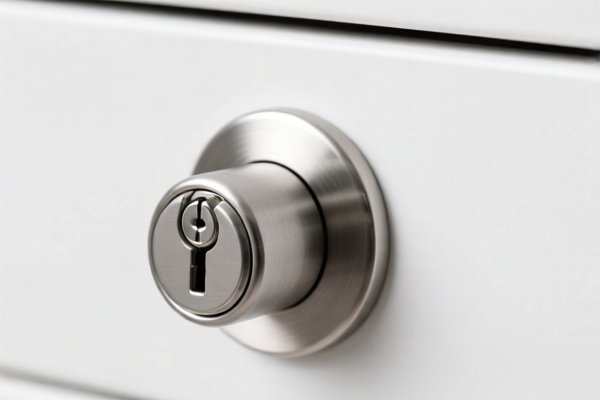
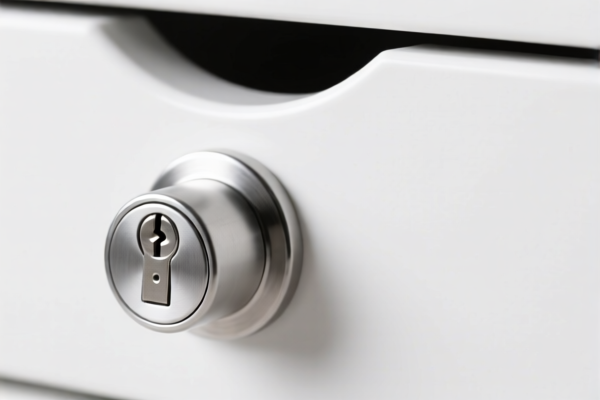
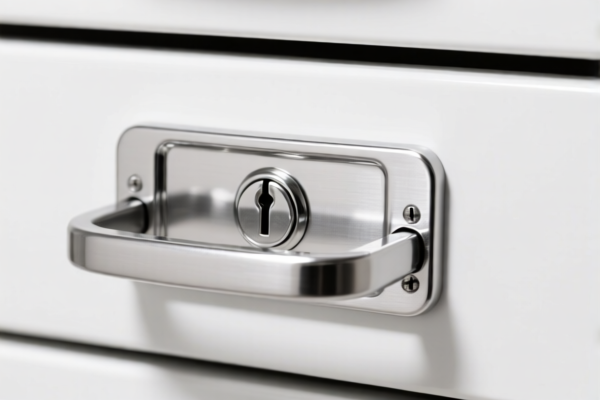
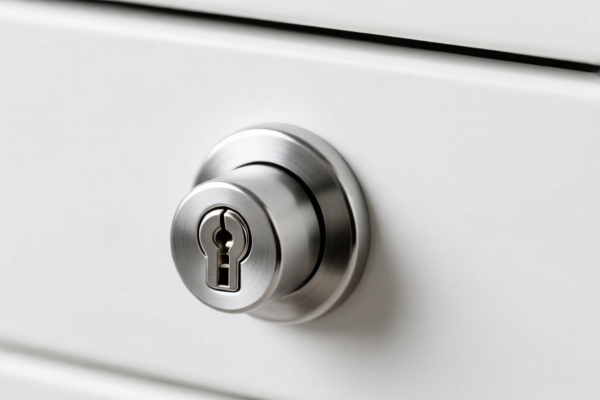
AI Analysis
🗝️ Drawer Locks (Furniture Security Hardware)
🌐 HS Code Reference & Customs Clearance Guide | 2026 Latest Tariff Analysis | Professional Entry Strategy
📌 I. Product Definition & Classification: Are You Sure You Know a "Drawer Lock"?
A "Drawer Lock" is a generic term for security hardware used to secure furniture drawers. In international trade, it is not a single unified classification. The HS Code depends entirely on the primary material, function, and specific components.
The core distinction lies in: * Metal vs. Plastic: Is the body made of base metal or plastic? * Lock Mechanism vs. Accessory: Is it a complete locking device (HS Chapter 83) or a plastic connector/handle component (HS Chapter 39)? * Specific Application: Is it specifically for furniture?
⚠️ Key Distinction Point:
- If the lock body is Base Metal (iron, brass, zinc alloy) → It falls under Chapter 83 (Locks).
- If the primary visible part is Plastic (knobs, handles, casings) or it functions as a plastic connector → It falls under Chapter 39 (Plastics).
- Note on 122 Section: All items listed below are subject to the "122 Section" tariff (often related to Section 301 or specific executive orders affecting Chinese goods), adding a 10% surcharge on top of base duties.
📦 II. HS Code Classification Details (2026 Latest Tariff Authority Cross-Reference)
Based on the provided data, here are the 5 distinct classifications for "Drawer Locks":
| HS Code | Product Description | Key Material/Feature | Primary Use |
|---|---|---|---|
8301.30.00.60 |
Base Metal Lock, Furniture Type | Body made of base metal; specific sub-category for furniture | Standard metal padlocks/cam locks for desks/cabinets |
3926.90.25.00 |
Plastic Handle & Knob Assembly | Plastic body with mechanical parts; focuses on the handle/knob | Locks where plastic housing/handle is dominant |
8302.42.60.00 |
Base Metal Fittings, Furniture | Classified as a "Fitting" or "Accessory" rather than a standalone lock | Metal brackets, hinges, or integrated locking fittings |
8301.30.00.90 |
Other Base Metal Locks | Generic base metal lock not specified in other sub-heads | Miscellaneous metal locks for drawers |
3926.30.50.00 |
Plastic Furniture Connectors | Plastic components acting as connectors or locking mechanisms | Plastic inserts or connector parts for furniture assembly |
🔍 Critical Reminder:
- Do not assume all metal locks are the same.8301.30.00.60and8301.30.00.90have different base duties (5.7%). - Plastic components can drastically change the duty rate.3926.90.25.00(Plastic Handle) has a higher base duty (6.5%) than some metal fittings. - Misclassification Risk: Declaring a metal lock as a "plastic connector" to save duty is a red flag for customs. Evidence of material composition is required.
💰 III. 2026 Latest Tariff Rate Breakdown (Including Surcharges & Policy Add-ons)
✅ Applicable Country: United States (US)
✅ Origin: China (CN)
✅ Effective Date: Current rates include Section 122 / Section 301 add-ons
🎯 1. 8301.30.00.60 & 8301.30.00.90 — Base Metal Locks (Furniture)
| Item | Content |
|---|---|
| Base Duty Rate | 5.7% (ad valorem) |
| Section 301 / Add-on Duty | +7.5% |
| 122 Section Tariff | +10.0% |
| Total Tax Rate | 23.2% |
| Tax Calculation | CIF Value × 23.2% |
| De Minimis Exemption | ❌ Not Eligible (High duty threshold usually excludes de minimis) |
| Legal Basis Path | HTSUS:8301.30 → Section 301:7.5% → Section 122:10% |
📌 Explanation:
- These are standard metal drawer locks.
- The 23.2% rate is significant. It includes the base MFN rate, the punitive Section 301 rate, and the specific "122 Section" surcharge.
- Warning: Even small volumes of high-value metal locks can accumulate substantial duty costs.
🎯 2. 3926.90.25.00 — Plastic Handle & Knob Assemblies
| Item | Content |
|---|---|
| Base Duty Rate | 6.5% (ad valorem) |
| Section 301 / Add-on Duty | +7.5% |
| 122 Section Tariff | +10.0% |
| Total Tax Rate | 24.0% |
| Tax Calculation | CIF Value × 24.0% |
| De Minimis Exemption | ❌ Not Eligible |
| Legal Basis Path | HTSUS:3926.90 → Section 301:7.5% → Section 122:10% |
📌 Note:
- Despite being "plastic," the base duty is higher (6.5% vs 5.7%) than the metal lock (8301.30.00.60).
- Total rate is 24.0%, the highest among the metal/plastic lock categories listed.
🎯 3. 8302.42.60.00 — Base Metal Furniture Fittings
| Item | Content |
|---|---|
| Base Duty Rate | 3.4% (ad valorem) |
| Section 301 / Add-on Duty | +7.5% |
| 122 Section Tariff | +10.0% |
| Total Tax Rate | 20.9% |
| Tax Calculation | CIF Value × 20.9% |
| De Minimis Exemption | ❌ Not Eligible |
| Legal Basis Path | HTSUS:8302.42 → Section 301:7.5% → Section 122:10% |
📌 Optimization Tip:
- This is the lowest total tax rate (20.9%) in the list.
- However, it applies only to "Fittings" (e.g., metal brackets, hinges with locking mechanisms) rather than standalone locks. Ensure your product description matches "Fittings" to qualify, but be prepared for scrutiny.
🎯 4. 3926.30.50.00 — Plastic Furniture Connectors
| Item | Content |
|---|---|
| Base Duty Rate | 5.3% (ad valorem) |
| Section 301 / Add-on Duty | +7.5% |
| 122 Section Tariff | +10.0% |
| Total Tax Rate | 22.8% |
| Tax Calculation | CIF Value × 22.8% |
| De Minimis Exemption | ❌ Not Eligible |
| Legal Basis Path | HTSUS:3926.30 → Section 301:7.5% → Section 122:10% |
📌 Note:
- Lower base duty than the plastic handle lock (3926.90.25.00), resulting in a 22.8% total rate.
- Applicable to plastic parts that serve as connectors or integral parts of furniture assembly.
🛠️ IV. Customs Clearance Practical Advice (Real-World Pitfall Guide)
✅ 1. Documentation Checklist (缺一不可)
| Document | Required? | Explanation |
|---|---|---|
| ✅ Product Specifications | ✔️ | Must detail Material Composition (e.g., "Zinc Alloy Body, Plastic Key Cover"). |
| ✅ Product Photos | ✔️ | Clear images of the lock, key, and brand/model. Must show if it's a standalone lock or a fitting. |
| ✅ Commercial Invoice | ✔️ | Must clearly state "Drawer Lock" and HS Code. Do not use vague terms like "Hardware". |
| ✅ Packing List | ✔️ | Separate metal locks from plastic accessories if shipped together to avoid misclassification. |
| ✅ Material Certificate | ✔️ | Especially for metal locks to prove it is "Base Metal" and not steel (which might have different codes). |
| ✅ Origin Certificate | ✔️ | Essential for confirming China origin and applying correct Section 301/122 rates. |
✅ 2. Declaration Strategy (Key Mnemonics)
🔥 "Metal Body, Check 8301; Plastic Handle, Check 3926; Fittings Save Cost!"
| Scenario | Correct Declaration | Error to Avoid |
|---|---|---|
| Standard Metal Lock | 8301.30.00.60 |
Declaring as "Hardware" (Generic) → Risk of audit |
| Lock with Plastic Knobs | 3926.90.25.00 |
Declaring as Metal Lock → Wrong duty (24.0% vs 23.2%) |
| Metal Bracket with Lock | 8302.42.60.00 |
Declaring as Lock → Higher duty (20.9% vs 23.2%) |
| Plastic Connector Piece | 3926.30.50.00 |
Declaring as Lock → Higher duty (22.8% vs 24.0%) |
✅ 3. Special Handling Cases
| Case | Handling Advice |
|---|---|
| Mixed Containers (Metal + Plastic) | Split Declaration! Do not lump them under one code. Misdeclaration can lead to penalties. |
| OEM Custom Locks | Provide design drawings. If the design is unique, argue for the most accurate functional code. |
| "122 Section" Awareness | This is a mandatory surcharge. Do not attempt to avoid it via transshipment unless you have a proven rule of origin change (e.g., substantial transformation in Vietnam/Mexico). |
| High-Value Samples | Even for samples, the 20.9%-24.0% duty applies. Budget for it in your cost structure. |
🌍 V. Global Market Comparison (2026 Latest)
| Country/Region | Recommended HS Code | Total Duty (Approx.) | Certification Req. | Remarks |
|---|---|---|---|---|
| 🇺🇸 USA | 8301.30.00.60 / 8302.42.60.00 |
20.9% - 23.2% | No special certs | High add-on duties; Section 122 is critical |
| 🇨🇳 China | 8301.30.00.60 |
~3-5% | CCC (if electronic) | Low base duty, no US add-ons |
| 🇪🇺 EU | 8301.30.00.60 |
0-4% | CE (if applicable) | No Section 122 or 301 equivalent |
| 🇦🇺 Australia | 8301.30.00.60 |
5% | RCM | Moderate duty, no punitive add-ons |
| 🇯🇵 Japan | 8301.30.00.60 |
0-3% | PSE | Low duty, stable trade environment |
📌 Conclusion:
- The USA is the most expensive market for drawer locks due to the layered tariffs (Base + 301 + 122).
- EU and Japan offer much lower duty rates, making them more competitive for price-sensitive markets.
- Strategic Advice: If targeting the US, consider designing plastic-dominant fittings (8302.42.60.00at 20.9%) to minimize costs, but ensure legal compliance.
📌 VI. Common Mistakes & Pitfall Guide (Lessons Learned)
❌ Mistake 1: Declaring a Metal Lock as a "Plastic Connector" (3926.30.50.00) to save duty.
👉 Consequence: Customs inspection reveals metal content → Penalty + Back Duty + Potential Seizure.
❌ Mistake 2: Using a Generic HS Code (e.g., 7326.90 for other articles of iron/steel).
👉 Consequence: Incorrect classification → Delay in Clearance + Inquiry.
❌ Mistake 3: Ignoring the 122 Section Tariff.
👉 Consequence: Underpayment by 10% → Audit Trigger.
❌ Mistake 4: Combining Metal Locks and Plastic Handles in one line item.
👉 Consequence: Customs may assess the higher duty rate (24.0%) for the entire shipment or demand split billing.
✅ Correct Practice:
"Metal Drawer Lock, Zinc Alloy, for Furniture, Model XYZ, HS 8301.30.00.60"
"Plastic Cabinet Knob with Internal Lock Mechanism, HS 3926.90.25.00"
🎯 VII. Conclusion: Precision Classification Saves Money!
🎯 Remember the Mnemonic:
🔹 "Metal Locks: 23.2% / 20.9%; Plastic Handles: 24.0%; Fittings: 22.8%"
🔹 "Check Material, Check Function, Avoid 122 Penalties!"
📌 Pro Tip:
If your drawer locks are originally from China, the Section 122 (10%) + Section 301 (7.5%) add-ons are mandatory.
- Cost Optimization: Consider sourcing Plastic Fittings (8302.42.60.00) if your design allows, as it has the lowest total duty (20.9%).
- Pre-Clearance: Apply for an Advance Ruling from CBP if you have a new or complex design to lock in the HS Code before shipping.
📣 Immediate Action:
📞 Consult a Licensed Customs Broker
📦 Provide Detailed Material Breakdown
🚀 Optimize Your Supply Chain for US Entry Costs!
✨ Professional Clearance Starts with Accurate Classification!
💼 Every Percentage Point of Duty Counts!
Customer Reviews
About HS Code Classification
The Harmonized System (HS) is an internationally standardized nomenclature developed by the World Customs Organization (WCO) to classify traded products. Over 200 countries use the HS system as the basis for customs tariffs, trade statistics, and import/export regulations.
Each HS code follows a hierarchical structure:
- Chapter (2 digits) — Broad category of goods (e.g., Chapter 84: Machinery and Mechanical Appliances)
- Heading (4 digits) — More specific grouping within the chapter
- Subheading (6 digits) — Internationally standardized breakdown, used by all WCO member countries
- National subdivisions (8-10 digits) — Country-specific extensions for further classification, such as US HTSUS 10-digit codes
Correct HS code classification is essential for smooth customs clearance, accurate duty payment, and compliance with trade regulations. Misclassification can lead to customs delays, overpayment of duties, or penalties.
When importing from CN to US, the applicable tariff rates may include:
- Most-Favored-Nation (MFN) rate — The standard duty rate applied to WTO members
- General rate — Applied to countries without trade agreements
- Trade remedy duties — Additional tariffs such as Section 301 (anti-dumping), Section 232 (national security), or countervailing duties
The information provided on this page is for reference purposes only. For official classification, please consult with your local customs authority or a licensed customs broker.