Drawing Board
CN → US| HS Code | Tariff Rate | Origin | Destination | Doc |
|---|---|---|---|---|
| 9610000000 | 13.5% | CN | US | Official Doc |
| 4420908000 | 38.2% | CN | US | Official Doc |
| 4420190000 | 13.2% | CN | US | Official Doc |
| 8473509000 | 35.0% | CN | US | Official Doc |
| 7616995150 | 37.5% | CN | US | Official Doc |
Product Images
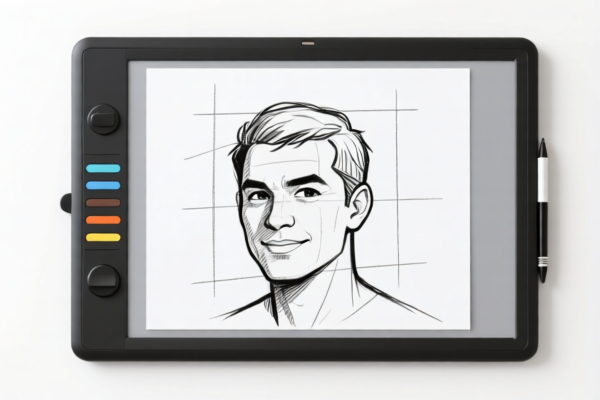
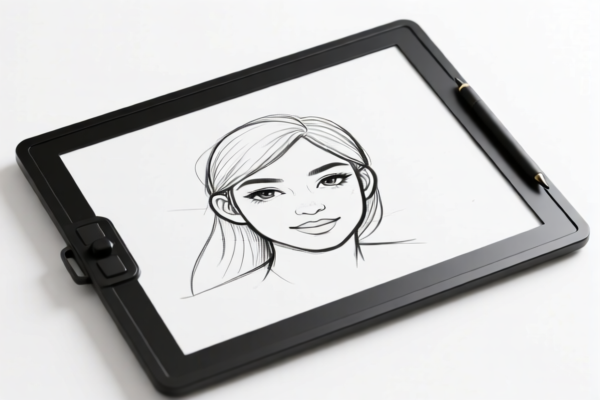
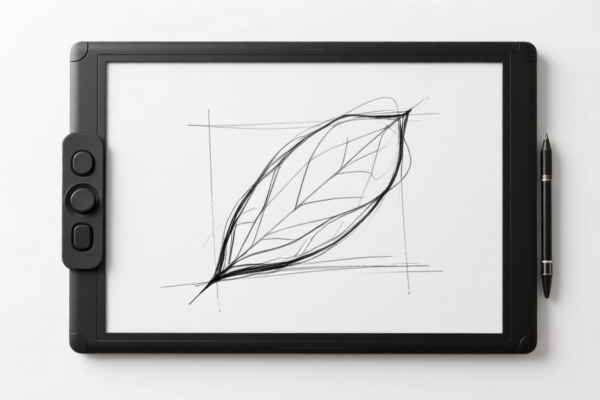
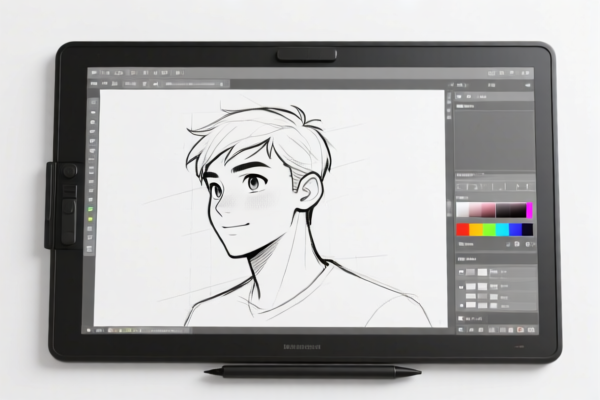
AI Analysis
🎨 Drawing Board (Drafting Boards & Support Structures)
🌐 HS Code Reference & Customs Clearance Guide | 2026 Latest Tariff Analysis | Professional Entry Strategies
📌 1. Product Definition & Classification: What Exactly Is a "Drawing Board"?
In international trade, the term "Drawing Board" is ambiguous and can refer to two distinct types of products, leading to drastically different tariff outcomes. Clarifying the exact nature of your product is critical to avoid customs penalties or excessive duty costs.
Type A: The Drawing Surface (Board Only) * Description: The flat surface used for sketching, drafting, or display. It can be made of wood, plastic, or composite materials. * Key Feature: It is a passive surface, often framed, without complex mechanical parts. * Classification Logic: If it’s a wooden decorative board or a simple writing surface, it may fall under Chapter 96 (Miscellaneous Manufactured Articles) or Chapter 44 (Wood and Articles of Wood).
Type B: The Drafting Table/Stanchion Assembly (The Stand + Mechanism) * Description: A mechanical apparatus that holds the drawing surface at an adjustable angle. It includes hinges, locking mechanisms, legs, and often metal brackets. * Key Feature: It contains functional mechanical parts (hinges, locks, supports). * Classification Logic: Customs often views the stand or bracket as the primary functional component. If the board is just an accessory to the mechanical stand, the mechanical accessory classification may apply, leading to higher tariffs.
⚠️ Critical Distinction:
- Is it just a flat board? → Look at 9610 or 4420.
- Does it have a stand/hinge/locking mechanism? → Look at 8473 or 7616.
- Misclassification Risk: Declaring a mechanical drafting table as a simple "wooden board" (4420) can lead to accusations of undervaluation or incorrect classification, triggering audits.
📦 2. HS Code Classification Details (2026 Latest Tariff Authority Mapping)
Based on the data provided, here are the five potential HS Codes for "Drawing Board" related products:
| HS Code | Product Description | Summary/Rationale |
|---|---|---|
| 9610.00.00.00 | Board for Drawing/Painting | Classified as a writing or drawing surface. Matches the definition of a board-like article. Lowest Duty Profile. |
| 4420.90.80.00 | Wooden Decorative/Artistic Article | Classified as a wooden decor item or craft. Heavy penalties due to being viewed as a finished wooden decorative good. Highest Duty Profile. |
| 4420.19.00.00 | Wooden Decorative/Artistic Accessory | Classified primarily by its wooden material. Viewed as an accessory to art/decor. Moderate-High Duty Profile. |
| 8473.50.90.00 | Machine Accessory (Drafting Stand) | Classified as a part/component of a machine. The stand/hinge mechanism is viewed as the functional part of a drafting machine. High Duty Profile. |
| 7616.99.51.50 | Other Aluminum Articles (Stand) | Classified by material (Aluminum). The stand is seen as a fabricated aluminum bracket/support. High Duty Profile. |
🔍 Key Insight:
- The same product can be taxed anywhere from 13.2% to 38.2% depending on whether you declare it as a "board" (9610/4420) or a "mechanical accessory" (8473/7616).
- 8473.50.90.00 and 7616.99.51.50 often result from declaring the stand separately or emphasizing its mechanical nature.
💰 3. 2026 Latest Tariff Rate Breakdown (Including Surcharges & Policy Add-ons)
✅ Applicable Country: United States (US)
✅ Origin: China (CN)
✅ Effective Time: 2025-11-10 (Includes subsequent imports)
⚠️ Note: All rates below include Base Tariff, Section 301 Surcharge, and Section 122 Tariff (10%).
🎯 1. 9610.00.00.00 —— Board for Drawing or Painting (Best Case Scenario)
| Item | Detail |
|---|---|
| Base Tariff | 3.5% |
| Section 301 Surcharge | 0.0% (Exempt from the 25% tariff) |
| Section 122 Tariff | 10.0% |
| Total Tax Rate | 13.5% |
| Tax Calculation | CIF Value × 13.5% |
| De Minimis Eligibility | ❌ No (Deemed > $800 threshold for certain categories or excluded from de minimis) |
| Legal Basis | USITC:9610.00.00.00 + Section 122 (10%) |
📌 Explanation:
- This is the most favorable classification.
- It benefits from 0% Section 301 surcharge, meaning only the base duty (3.5%) + Section 122 (10%) applies.
- Strategy: If the product is essentially a flat board (even if wooden), try to classify here by emphasizing its function as a "writing/drawing surface" rather than a decorative item or machine part.
🎯 2. 4420.90.80.00 —— Wooden Decorative/Artistic Articles (Pitfall Scenario)
| Item | Detail |
|---|---|
| Base Tariff | 3.2% |
| Section 301 Surcharge | 25.0% (High penalty for wooden decor/crafts) |
| Section 122 Tariff | 10.0% |
| Total Tax Rate | 38.2% |
| Tax Calculation | CIF Value × 38.2% |
| De Minimis Eligibility | ❌ No |
| Legal Basis | USITC:4420.90.80.00 + Section 301 (25%) + Section 122 (10%) |
📌 Warning:
- This is the highest tax rate.
- Customs may classify a wooden drawing board here if they view it as a "wooden craft" or "decorative object" rather than a utilitarian tool.
- Avoid this unless you are certain it’s a decorative piece.
🎯 3. 4420.19.00.00 —— Wooden Decorative Accessories
| Item | Detail |
|---|---|
| Base Tariff | 3.2% |
| Section 301 Surcharge | 0.0% |
| Section 122 Tariff | 10.0% |
| Total Tax Rate | 13.2% |
| Tax Calculation | CIF Value × 13.2% |
| De Minimis Eligibility | ❌ No |
| Legal Basis | USITC:4420.19.00.00 + Section 122 (10%) |
📌 Note:
- Very similar to 9610, but slightly lower base duty.
- Still avoids the 25% Section 301 surcharge.
- A good alternative if 9610 is rejected.
🎯 4. 8473.50.90.00 —— Parts and Accessories of Machines (Mechanical Stand)
| Item | Detail |
|---|---|
| Base Tariff | 0.0% |
| Section 301 Surcharge | 25.0% |
| Section 122 Tariff | 10.0% |
| Total Tax Rate | 35.0% |
| Tax Calculation | CIF Value × 35.0% |
| De Minimis Eligibility | ❌ No |
| Legal Basis | USITC:8473.50.90.00 + Section 301 (25%) + Section 122 (10%) |
📌 Explanation:
- This classification assumes the product is a part of a machine (e.g., a drafting machine).
- Even though the base duty is 0%, the 25% Section 301 surcharge makes it expensive.
- Common if the drawing board is sold with a complex adjustable stand and declared as "accessories."
🎯 5. 7616.99.51.50 —— Other Articles of Aluminum (Aluminum Stand)
| Item | Detail |
|---|---|
| Base Tariff | 2.5% |
| Section 301 Surcharge | 25.0% |
| Section 122 Tariff | 10.0% |
| Total Tax Rate | 37.5% |
| Tax Calculation | CIF Value × 37.5% |
| De Minimis Eligibility | ❌ No |
| Legal Basis | USITC:7616.99.51.50 + Section 301 (25%) + Section 122 (10%) |
📌 Warning:
- Applies if the stand/support is made of aluminum and classified as a fabricated aluminum article.
- High duty due to Section 301.
🛠️ 4. Customs Clearance Practical Advice (Battle-Tested Pitfall Avoidance)
✅ 1. Document Preparation Checklist (Non-Negotiable)
| Document | Required? | Reason |
|---|---|---|
| ✅ Product Photos | ✔️ | Must clearly show if it’s a simple board or a mechanical stand. |
| ✅ Detailed Description | ✔️ | Use terms like "Wooden Drafting Board" or "Adjustable Drawing Stand" accurately. |
| ✅ Bill of Materials (BOM) | ✔️ | To prove material composition (Wood vs. Aluminum). |
| ✅ Usage Statement | ✔️ | Is it for decorative purposes or professional drafting? |
| ✅ Invoice | ✔️ | Must match the HS Code description exactly. |
✅ 2. Classification Strategy (Key Mnemonic)
🔥 "Board First, Stand Second, Material Matters!"
| Scenario | Correct Approach | Wrong Approach |
|---|---|---|
| Simple Wooden Board | Declare as 9610.00.00.00 (13.5%) or 4420.19.00.00 (13.2%) | Declare as 4420.90.80.00 (38.2%) → Saves nothing, costs more. |
| Board + Mechanical Stand | Consider declaring as 8473.50.90.00 (35.0%) if stand is complex | Don't try to hide the stand; split shipment to avoid combined value issues. |
| Aluminum Stand Only | Declare as 7616.99.51.50 (37.5%) | Don't claim it's a "wooden board" if it's aluminum → Fraud risk. |
✅ 3. Special Handling Tips
| Situation | Recommendation |
|---|---|
| Hybrid Product (Board + Adjustable Stand) | Split Declaration: If possible, declare the board and stand separately. Board → 9610 (13.5%), Stand → 8473 (35.0%). Consult a broker for feasibility. |
| OEM Custom Boards | Provide design specs to prove it’s a "utilitarian drafting tool" not "decor." |
| Material Mix (Wood Board + Aluminum Stand) | Be very careful. Customs may classify the whole item based on the "essential character" (often the stand). |
🌍 5. Global Market Comparison (2026 Update)
| Region | Recommended HS Code | Est. Total Tariff (China Origin) | Note |
|---|---|---|---|
| 🇺🇸 USA | 9610.00.00.00 |
13.5% | Best rate. Avoid 4420.90/8473. |
| 🇺🇸 USA | 4420.90.80.00 |
38.2% | Worst case for wooden boards. |
| 🇺🇸 USA | 8473.50.90.00 |
35.0% | High due to Section 301. |
| 🇪🇺 EU | Varies | Check Local | EU does not have Section 301, but may have anti-dumping. |
| 🇨🇳 China | Varies | Check Local | Import duties may differ; focus on US market data here. |
📌 Conclusion for US Market:
- Goal: Target 9610.00.00.00 or 4420.19.00.00 for ~13% duty.
- Avoid: 4420.90.80.00 (38.2%) and 8473/7616 (35%+) unless unavoidable.
📌 6. Common Errors & Blood-Teaching Lessons
❌ Error 1: Calling a mechanical drafting table a "Wooden Board"
👉 Consequence: Customs sees the hinges/stand → Re-classifies to 8473 (35%) → Back taxes + Penalties.
❌ Error 2: Declaring a simple wooden board as "Wooden Decorative Item" (4420.90)
👉 Consequence: Hits the 25% Section 301 surcharge → Duty jumps from 13.5% to 38.2%.
❌ Error 3: Ignoring Section 122 (10%)
👉 Consequence: Underpaying duties. Section 122 applies to most Chinese imports regardless of base tariff.
✅ Correct Practice:
"Drawing Board, Wood, Flat Surface, No Mechanical Parts" → 9610.00.00.00
"Drafting Stand, Aluminum, Adjustable, No Board" → 7616.99.51.50 (or 8473 if considered machine part)
🎯 7. Conclusion: Precise Classification Saves Money!
🎯 Remember the Golden Rule:
🔹 "Board = 13.5%, Stand = 35%, Decor = 38.2%"
🔹 "Don't let the stand steal your profit!"
📌 Pro Tip:
If your product is a complex drafting table with electronics, motors, or digital interfaces, consider HS Code 8471 (Automatic Data Processing Machines) or 8543 (Electrical Apparatus), which may have different duty structures. However, based on the provided data, stick to the 9610/4420/8473/7616 hierarchy.
📣 Immediate Action:
📞 Contact a Customs Broker: Provide photos and ask for a Pre-Ruling (Advance Ruling) for HS Code 9610.00.00.00 to lock in the 13.5% rate.
🚀 Optimize Your Product Line: If possible, sell boards and stands separately to allow optimal classification for each.
✨ Professional Customs Clearance Starts with Precise Classification!
💼 Every Percentage Point Counts in Your Margin!
Customer Reviews
About HS Code Classification
The Harmonized System (HS) is an internationally standardized nomenclature developed by the World Customs Organization (WCO) to classify traded products. Over 200 countries use the HS system as the basis for customs tariffs, trade statistics, and import/export regulations.
Each HS code follows a hierarchical structure:
- Chapter (2 digits) — Broad category of goods (e.g., Chapter 84: Machinery and Mechanical Appliances)
- Heading (4 digits) — More specific grouping within the chapter
- Subheading (6 digits) — Internationally standardized breakdown, used by all WCO member countries
- National subdivisions (8-10 digits) — Country-specific extensions for further classification, such as US HTSUS 10-digit codes
Correct HS code classification is essential for smooth customs clearance, accurate duty payment, and compliance with trade regulations. Misclassification can lead to customs delays, overpayment of duties, or penalties.
When importing from CN to US, the applicable tariff rates may include:
- Most-Favored-Nation (MFN) rate — The standard duty rate applied to WTO members
- General rate — Applied to countries without trade agreements
- Trade remedy duties — Additional tariffs such as Section 301 (anti-dumping), Section 232 (national security), or countervailing duties
The information provided on this page is for reference purposes only. For official classification, please consult with your local customs authority or a licensed customs broker.