Drawing Paper Photosensitive Base Paper
CN → US| HS Code | Tariff Rate | Origin | Destination | Doc |
|---|---|---|---|---|
| 3703906000 | 37.8% | CN | US | Official Doc |
| 3703106000 | 38.1% | CN | US | Official Doc |
| 4803004000 | 35.0% | CN | US | Official Doc |
| 4803002000 | 35.0% | CN | US | Official Doc |
| 4823906700 | 35.0% | CN | US | Official Doc |
Product Images
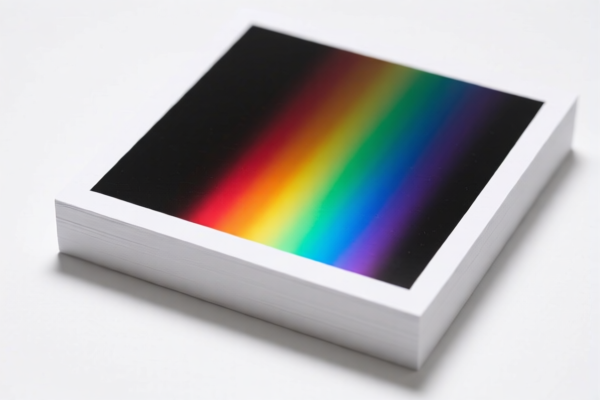
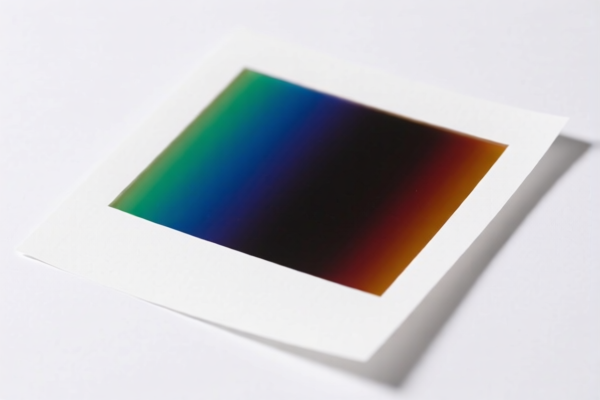
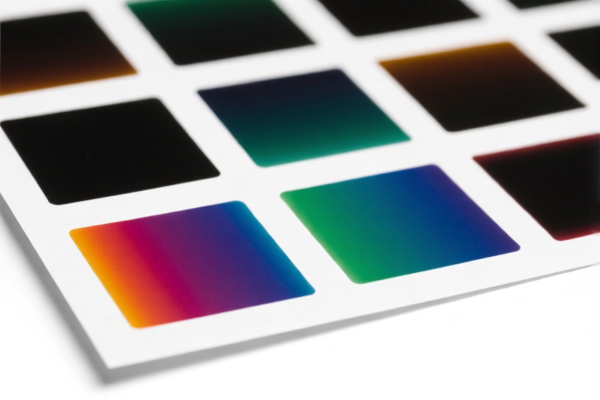
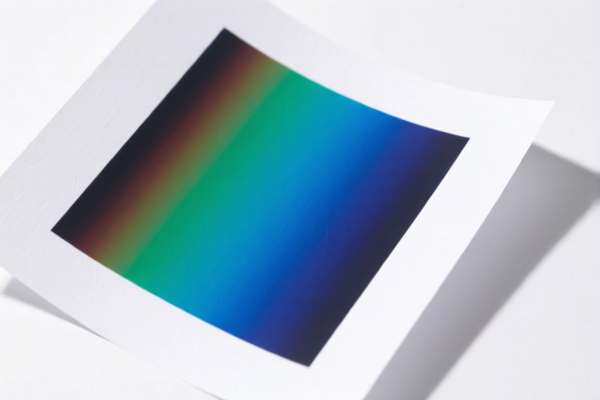
AI Analysis
📄 Drawing Paper / Photosensitive Base Paper (Photo-Sensitive Paper)
🌐 HS Code Reference & Customs Clearance Guide | 2026 Latest Tariff Analysis | Professional Clearance Strategy
📌 I. Product Definition & Classification: What exactly is "Photosensitive Base Paper"?
"Drawing Paper" and "Photosensitive Base Paper" generally refer to paper or paperboard coated or sensitized with light-sensitive substances (such as silver salts, diazo compounds, or photopolymers) used for technical drawings, engineering blueprints, or photographic purposes. In international trade, the key distinction lies in whether the product meets the legal definition of "Photographic Paper and Paperboard, Sensitized but not Exposed, Printed or not" (Chapter 37) or simply "Paper/Paperboard" (Chapter 48).
Key Classification Divergence: * Chapter 37 (HS 3703): If the paper is chemically treated to be light-sensitive and intended for photographic or technical drawing reproduction, it falls under Chapter 37. * Chapter 48 (HS 4803/4823): If the product is considered merely a base substrate for paper or a specific type of paper product without the full "photographic" characterization, it may fall under Chapter 48.
⚠️ Critical Distinction Point:
- If the product is explicitly defined as "sensitized" for the purpose of image recording (drawing/photo) → HS 3703.
- If the product is viewed as a "base paper" or generic paper product with specific physical properties → HS 4803 or HS 4823.
📦 II. HS Code Classification Details (2026 Latest Tariff Authority Comparison)
Based on the provided data, here are the four possible HS Codes and their corresponding tax implications. Note that all listed rates include a 25% Additional Tariff (Section 301) and a 10% 122 Clause Tariff, targeting Chinese-origin goods imported into the US.
| HS Code | Product Description | Applicable Scenario | Total Tax Rate |
|--------|----------|--------------------------|
| 3703.90.60.00 | Paper-based, Sensitized Paper: Matches the characteristics of photographic paper and sensitized, unexposed status. | Professional technical drawing paper, high-end photosensitive paper. | 37.8% |
| 3703.10.60.00 | Sensitized Paper: The name "sensitized paper" and "photographic paper" attributes align with paper/board material requirements. | Standard photosensitive drawing paper, blueprints. | 38.1% |
| 4803.00.40.00 | Paper/Board Material: Product is paper-based, fits the characteristics of raw paper (base stock). | Raw paper base for further processing, generic paper rolls. | 35.0% |
| 4803.00.20.00 | Cellulose-based Paper: Product is paper-based, fits the material requirements of cellulose paper, shape falls into raw paper category. | Cellulose-based base paper, generic paper stock. | 35.0% |
| 4823.90.67.00 | Paper/Paperboard Product: Material is paper-based/paperboard, shape belongs to specific articles of sensitized paper. | Finished or semi-finished paper products, cut photosensitive sheets. | 35.0% |
🔍 Key Reminder:
- HS 3703 Codes are higher (37.8% - 38.1%) because they explicitly classify the item as sensitized photographic/technical paper.
- HS 48xx Codes are lower (35.0%) because they classify the item as general paper/paperboard, ignoring the chemical sensitivity or treating it as a secondary feature.
- All Codes Include: Base Tariff + 25% Section 301 Tariff + 10% 122 Clause Tariff.
💰 III. 2026 Latest Tariff Rate Breakdown (Including Surcharges, Policy Surcharges)
✅ Applicable Country: United States (US)
✅ Country of Origin: China (CN)
✅ Effective Date: Post-2025 (Includes subsequent imports)
🎯 1. 3703.90.60.00 —— Paper-Based Sensitized Paper (Highest Priority for Photo/Drawings)
| Item | Content |
|---|---|
| Base Tariff | 2.8% |
| Section 301 Additional Tariff | +25.0% (USITC Footnote 9903.88.01 equivalent context) |
| 122 Clause Tariff | +10.0% (Targeting specific Chinese goods) |
| Total Tariff Rate | 37.8% |
| Tax Calculation | CIF Value × 37.8% |
| De Minimis Eligibility | ❌ No (Deny De Minimis for high-tariff goods) |
| Legal Basis Path | USITC:3703.90.60.00 → 301 Tariff List → 122 Clause |
📌 Explanation:
- This code is most accurate if the product is sold specifically as "Photosensitive Drawing Paper".
- The "Sensitized" nature triggers Chapter 37 rules.
- Total 37.8% is significantly higher than general paper.
🎯 2. 3703.10.60.00 —— Photosensitive Paper (Photographic Attributes)
| Item | Content |
|---|---|
| Base Tariff | 3.1% |
| Section 301 Additional Tariff | +25.0% |
| 122 Clause Tariff | +10.0% |
| Total Tariff Rate | 38.1% |
| Tax Calculation | CIF Value × 38.1% |
| De Minimis Eligibility | ❌ No |
| Legal Basis Path | USITC:3703.10.60.00 → 301 Tariff List → 122 Clause |
📌 Note:
- This code is used if the product is strictly classified as "Photographic Paper" (even if for technical use).
- Highest Total Rate (38.1%).
- Use this only if the product is explicitly marketed and documented as photographic paper.
🎯 3. 4803.00.40.00 & 4803.00.20.00 —— Base Paper / Raw Paper Category
| Item | Content |
|---|---|
| Base Tariff | 0.0% |
| Section 301 Additional Tariff | +25.0% |
| 122 Clause Tariff | +10.0% |
| Total Tariff Rate | 35.0% |
| Tax Calculation | CIF Value × 35.0% |
| De Minimis Eligibility | ❌ No (Check specific de minimis rules, but generally high tariffs void benefits) |
| Legal Basis Path | USITC:4803.00.xx.xx → 301 Tariff List → 122 Clause |
📌 Strategic Advantage:
- These codes result in the lowest total tariff (35.0%).
- Applicable if the product can be argued as a "Base Paper" or "Raw Paper" (e.g., uncoated or lightly treated substrate before final sensitization).
- Risk: Customs may challenge this if the paper is already sensitized and sold as "photosensitive."
🎯 4. 4823.90.67.00 —— Specific Paper Products
| Item | Content |
|---|---|
| Base Tariff | 0.0% |
| Section 301 Additional Tariff | +25.0% |
| 122 Clause Tariff | +10.0% |
| Total Tariff Rate | 35.0% |
| Tax Calculation | CIF Value × 35.0% |
| De Minimis Eligibility | ❌ No |
| Legal Basis Path | USITC:4823.90.67.00 → 301 Tariff List → 122 Clause |
📌 Note:
- Used for "Specific Articles" of paper that don't fit neatly into raw paper (4803) or photographic (3703).
- Good for cut sheets or specific shapes of photosensitive paper.
🛠️ IV. Customs Clearance Practical Advice (Combat Pitfall Guide)
✅ 1. Document Preparation Checklist (Essential)
| Document | Must Provide | Description |
|---|---|---|
| ✅ Product Specification Sheet | ✔️ | Must detail material composition (paper base), chemical coating (if any), and intended use (drawing/photo). |
| ✅ Technical Data Sheet | ✔️ | Shows if the paper is "Sensitized" (chemical treatment) or just "Base Paper." |
| ✅ Product Photos | ✔️ | Clear images of the product, packaging, and any labels indicating "Photosensitive" or "Drawing Paper." |
| ✅ Commercial Invoice | ✔️ | Must accurately describe the product. Avoid vague terms like "Paper." Use "Sensitized Drawing Paper" or "Base Paper." |
| ✅ Certificate of Origin (CO) | ✔️ | Required for determining 301 Tariff applicability (China-origin). |
| ✅ Bill of Lading | ✔️ | Standard shipping document. |
✅ 2. Declaration Tips (Key Mnemonics)
🔥 "Material Defines HS, Sensitization Triggers Ch37, Base Paper Lowers Rate!"
| Scenario | Correct Declaration | Incorrect Declaration | Consequence |
|---|---|---|---|
| Fully Sensitized Photo Paper | 3703.90.60.00 or 3703.10.60.00 |
4803.00.40.00 |
Audit Risk: Customs may reclassify to Ch37 + penalties. |
| Raw Base Paper (Uncoated/Unsensitized) | 4803.00.40.00 or 4803.00.20.00 |
3703.90.60.00 |
Overpayment: You paid 3% extra tax unnecessarily. |
| Cut Sheets of Sensitized Paper | 4823.90.67.00 |
4803.00.40.00 |
Misclassification: Risk of audit for "finished article" vs "raw paper." |
| Generic Drawing Paper (Non-Photo) | 4802.55.00.00 (Example) |
3703.90.60.00 |
Misclassification: If not photosensitive, Ch37 is wrong. |
⚠️ Warning:
- If the product is already sensitized, customs will likely insist on Chapter 37.
- Using Chapter 48 for sensitized paper is a common "cost-saving" tactic but carries a high risk of customs audits, penalties, and duty reassessments.
- Recommendation: If the paper is sensitized, use3703.90.60.00(37.8%) for compliance safety. If it's just base paper, use4803.00.40.00(35.0%) for cost savings.
✅ 3. Special Cases Handling
| Situation | Handling Advice |
|---|---|
| OEM Custom Sensitized Paper | Provide customer orders and technical specs to prove the "sensitized" nature. Avoid vague descriptions. |
| Mixed Shipments (Base + Sensitized) | Separate shipments or clear line-item descriptions. Do not mix to avoid "confusion of goods." |
| Non-Sensitized Drawing Paper | If the paper is NOT photosensitive (just coated for pencil/pen use), it is NOT Chapter 37. Use Chapter 48 (e.g., 4802.55.00.00). |
| High-Value Commercial Use | Consider applying for Section 301 Exclusions if applicable (check if your specific HS code has an exclusion list for 2026). |
🌍 V. Global Market Comparison (2026 Latest)
| Country/Region | Recommended HS Code | Tariff (China Origin) | Certification | Notes |
|---|---|---|---|---|
| 🇺🇸 USA | 3703.90.60.00 / 4803.00.40.00 |
37.8% / 35.0% | No specific certs | 301 + 122 Clause applies. High cost. |
| 🇨🇳 China | 3703.90.60.00 / 4803.00.40.00 |
3.0% / 0.0% (Import) | None | Low duty for domestic trade. |
| 🇪🇺 EU | 3703.90.90 / 4803.00 |
~0-5% | CE (if applicable) | No Section 301 equivalent. |
| 🇦🇺 Australia | 3703.90.90 / 4803.00 |
~5% | RCM | Moderate duty. |
| 🇯🇵 Japan | 3703.90.90 / 4803.00 |
~0-3% | PSE (if applicable) | Low duty. |
📌 Conclusion:
- USA is the most expensive market due to 301 and 122 Clause tariffs.
- Chapter 37 (Photosensitive) is taxed higher than Chapter 48 (Base Paper).
- Strategy: If possible, classify as Base Paper (Ch48) if the product allows (i.e., not yet sensitized or not meeting Ch37 criteria).
📌 VI. Common Errors & Pitfall Guide (Lessons Learned)
❌ Error 1: Declaring "Sensitized Paper" as "General Paper" (4803)
👉 Consequence: Customs audit, duty reassessment + penalties. The risk is not worth the 2.8% savings.
❌ Error 2: Using 3703 for Non-Photosensitive Paper
👉 Consequence: Overpayment. If the paper is just for drawing (no chemical sensitivity), it should be 4802 or 4810.
❌ Error 3: Vague Description "Paper Rolls"
👉 Consequence: Customs will request additional info, delaying clearance. Be specific!
❌ Error 4: Ignoring the 122 Clause
👉 Consequence: Underpayment by 10%. Always check for 122 Clause applicability for Chinese goods.
✅ Correct Practice:
"Sensitized Drawing Paper, Paper Base, Coated with Light-Sensitive Chemicals, Roll Format, Model XYZ, Origin China"
🎯 VII. Conclusion: Professional Declaration, Save Time & Money!
🎯 Remember the Mnemonic:
🔹 "Sensitized = Ch37 (Higher Tax), Base Paper = Ch48 (Lower Tax)"
🔹 "Declare Accurately, Avoid Audits, Save the Difference!"
🔹 "HS Code Determines Life or Death of Margins!"
📌 Tips:
- If your product is not yet sensitized (just base paper), use HS 4803 to save 2.8%.
- If it is sensitized, use HS 3703 to avoid compliance risks.
- Apply for Pre-Rulings if the product is borderline between Ch37 and Ch48.
📣 Immediate Action:
📞 Consult a Customs Broker + Provide Product Specs + Apply for HS Code Pre-Ruling
🚀 Ensure your Drawing Paper clears customs smoothly, efficiently, and profitably!
✨ Professional Clearance Starts with Accurate Classification!
💼 Every Cent of Cost is Worth Calculating Precisely!
Customer Reviews
About HS Code Classification
The Harmonized System (HS) is an internationally standardized nomenclature developed by the World Customs Organization (WCO) to classify traded products. Over 200 countries use the HS system as the basis for customs tariffs, trade statistics, and import/export regulations.
Each HS code follows a hierarchical structure:
- Chapter (2 digits) — Broad category of goods (e.g., Chapter 84: Machinery and Mechanical Appliances)
- Heading (4 digits) — More specific grouping within the chapter
- Subheading (6 digits) — Internationally standardized breakdown, used by all WCO member countries
- National subdivisions (8-10 digits) — Country-specific extensions for further classification, such as US HTSUS 10-digit codes
Correct HS code classification is essential for smooth customs clearance, accurate duty payment, and compliance with trade regulations. Misclassification can lead to customs delays, overpayment of duties, or penalties.
When importing from CN to US, the applicable tariff rates may include:
- Most-Favored-Nation (MFN) rate — The standard duty rate applied to WTO members
- General rate — Applied to countries without trade agreements
- Trade remedy duties — Additional tariffs such as Section 301 (anti-dumping), Section 232 (national security), or countervailing duties
The information provided on this page is for reference purposes only. For official classification, please consult with your local customs authority or a licensed customs broker.