Dried Beef Leather Base
CN → USProduct Images
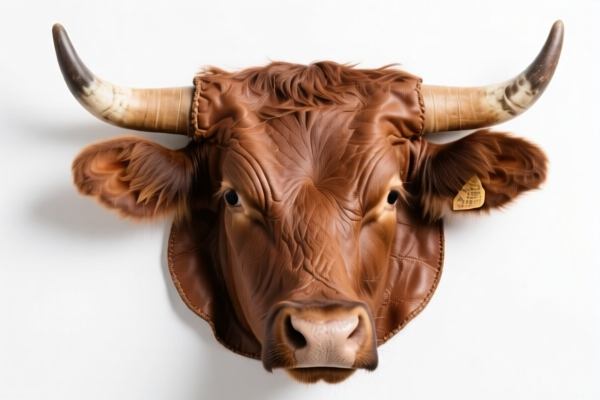
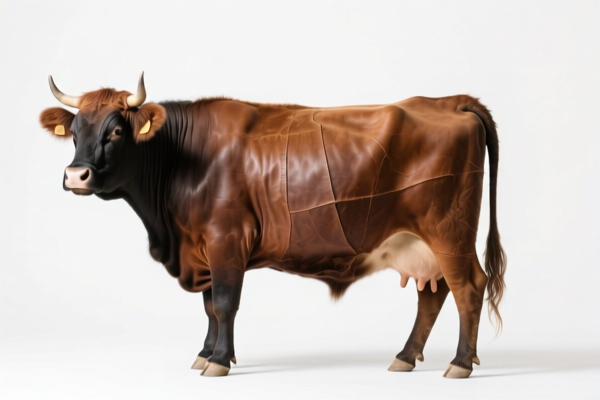
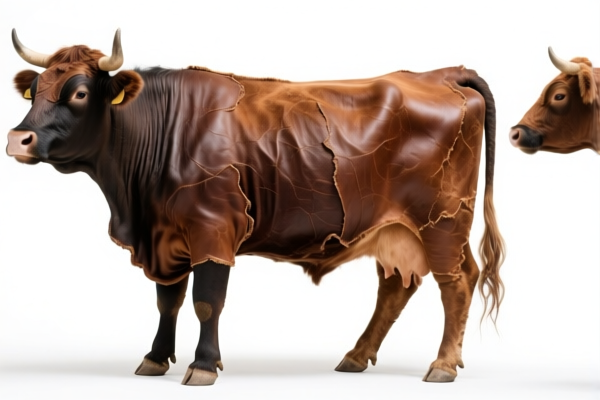
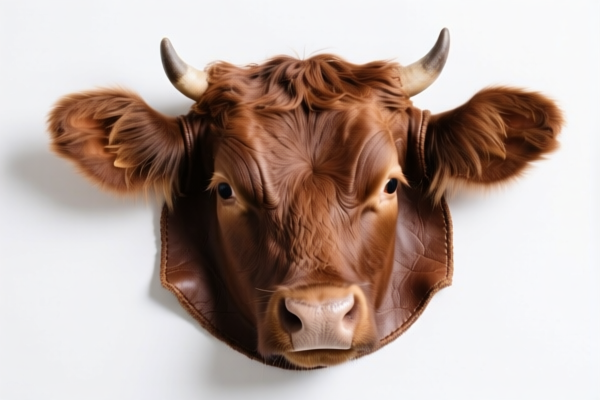
AI Analysis
🥩 Dried Beef Leather Base (Tanned Cowhide)
🌐 HS Code Reference & Customs Clearance Guide | 2026 Latest Tariff Analysis | Professional-Level Clearance Strategy
📌 I. Product Definition & Classification: Do You Truly Understand "Beef Leather Base"?
Dried Beef Leather Base refers to raw or semi-processed cowhide that has undergone initial tanning, drying, and mechanical processing but has not undergone final finishing (such as coloring, embossing, or splitting for specific end-uses like footwear or handbags). In international trade, it is categorized based on its state of preservation and processing level:
1. Salted vs. Dried:
- Salted Hides: Preserved with salt to prevent rotting during transport.
- Dried Hides: Sun-dried or machine-dried, often with reduced salt content.
2. Chrome Tanned vs. Vegetable Tanned:
- Chrome Tanned: Processed with chromium salts, softer, more pliable. Most common for leather goods.
- Vegetable Tanned: Tanned with tannins, firmer, often used for belts, saddlery, or high-end goods.
⚠️ Key Distinction Point:
- If the hide is raw, fresh, or salted (un-tanned) → Classified under Chapter 41 (Raw Hides and Skins).
- If the hide is tanned or crust leather (fully processed but not finished for final use) → Classified under Chapter 41 (Tanned Leather) or Chapter 40 (Rubber/Leather-like materials if synthetic).
- Beef Leather Base implies tanned/processed leather ready for cutting. It is NOT raw meat or food-grade beef leather.
📦 II. HS Code Classification Details (2026 Latest Tariff Authority Comparison)
| HS Code | Product Description | Application Scenario | Processing State |
|---|---|---|---|
4104.41.00.00 |
Chrome-tanned bovine leather, full grain, dried or crust | High-end footwear, handbags, belts (chrome-tanned base) | ✅ Tanned (Chrome) |
4104.51.00.00 |
Vegetable-tanned bovine leather, full grain, dried or crust | Saddlery, belting, artisanal goods (veg-tanned base) | ✅ Tanned (Veg) |
4105.10.00.00 |
Sheepskin or lambskin, dressed or crusted | Not applicable to Beef/Cowhide | ❌ Wrong Animal |
4102.10.00.00 |
Raw hides and skins, bovine, fresh or preserved | Unprocessed raw hides for export/import before tanning | ❌ Un-tanned |
3926.90.90.90 |
Artificial leather products | Not applicable if genuine leather | ❌ Synthetic |
🔍 Key Reminder:
- Full Grain vs. Corrected Grain: If the leather is split or corrected, it may fall under different subcategories (e.g.,4104.41.00for full grain,4104.49.00for other bovine leather).
- "Base" implies Crust or Semi-Finished: If the leather is only dyed on one side or not yet finished for final consumption, it is still classified as tanned leather under Chapter 41.
- Do NOT confuse with "Beef Jerky": If for human consumption, it is Chapter 2 (Meat). If for industrial/textile use, it is Chapter 41 (Leather).
💰 III. 2026 Latest Tariff Rate Details (Including Surtaxes, Policy Add-ons)
✅ Applicable Country: United States (US)
✅ Origin: China (CN)
✅ Effective Date: November 10, 2025 onwards (for subsequent imports)
🎯 1. 4104.41.00.00 —— Chrome-Tanned Bovine Leather (Full Grain)
| Item | Content |
|---|---|
| Base Tariff | 3.5% (ad valorem) |
| USITC Surtax | 0% (No Section 301 surtax for most leather goods) |
| IEEPA Surtax | 0% (Leather is generally exempt from IEEPA 10% surcharge) |
| Total Tariff | 3.5% |
| Tax Calculation | CIF Value × 3.5% |
| De Minimis Eligibility | ❌ No (Deny de minimis for leather goods from China) |
| Legal Basis Path | USITC:4104.41.00.00 → HTSUS Section 301 Exclusions |
📌 Explanation:
- Unlike electronics or steel, leather goods are not subject to the heavy Section 301 tariffs (25%) or IEEPA surcharges (10%).
- The tariff is relatively low at 3.5%, making it a favorable category for importers.
- However, anti-dumping duties (ADD) may apply if specific Chinese producers are found to be dumping leather. Check for ADD orders.
🎯 2. 4104.51.00.00 —— Vegetable-Tanned Bovine Leather (Full Grain)
| Item | Content |
|---|---|
| Base Tariff | 3.5% (ad valorem) |
| USITC Surtax | 0% |
| IEEPA Surtax | 0% |
| Total Tariff | 3.5% |
| Tax Calculation | CIF Value × 3.5% |
| De Minimis Eligibility | ❌ No |
| Legal Basis Path | USITC:4104.51.00.00 |
📌 Note:
- Vegetable-tanned leather is often used for higher-end, eco-friendly products.
- Tariff rate is identical to chrome-tanned leather in most cases.
🎯 3. 4104.49.00.00 —— Other Tanned Bovine Leather (e.g., Split, Corrected)
| Item | Content |
|---|---|
| Base Tariff | 3.5% |
| USITC Surtax | 0% |
| IEEPA Surtax | 0% |
| Total Tariff | 3.5% |
| Tax Calculation | CIF Value × 3.5% |
| De Minimis Eligibility | ❌ No |
🛠️ IV. Customs Clearance Practical Advice (Real-World Pitfall Avoidance Guide)
✅ 1. Documentation Checklist (All Required)
| Document | Must Provide | Explanation |
|---|---|---|
| ✅ Commercial Invoice | ✔️ | Must specify "Tanned Bovine Leather," "Chrome-Tanned" or "Vegetable-Tanned," and "Full Grain" or "Split." |
| ✅ Packing List | ✔️ | Detail weight, number of hides, and dimensions. |
| ✅ Certificate of Origin (CO) | ✔️ | To prove origin (China) and apply for any potential trade agreements. |
| ✅ Tanning Process Description | ✔️ | Crucial to prove it is tanned (Chapter 41) and not raw (Chapter 41) or food-grade (Chapter 2). |
| ✅ Fiber Content Test Report | ✔️ | From a third-party lab (e.g., SGS, BV) to confirm it is 100% genuine leather and not synthetic. |
| ✅ Anti-Dumping Declaration | ✔️ | If applicable, confirm if the specific manufacturer is on the ADD list. |
✅ 2. Declaration Tips (Key Mantra)
🔥 “Tanned is Leather, Raw is Hide, Dried for Use, Not for Food!”
| Scenario | Correct Declaration | Wrong Practice |
|---|---|---|
| Tanned, dried leather base | 4104.41.00.00 (Chrome) or 4104.51.00.00 (Veg) |
Misdeclare as "Raw Hides" → Higher scrutiny, possible delays |
| Leather for food (e.g., jerky) | Chapter 2 (Meat) | Misdeclare as Leather → Severe Penalty, FDA Detention |
| Synthetic leather base | 3926.90.90.90 |
Misdeclare as Genuine Leather → Customs Fraud Charges |
| Raw, salted hides | 4102.10.00.00 |
Misdeclare as Tanned Leather → Different Duty Rate, Inspection Risk |
✅ 3. Special Cases Handling
| Scenario | Handling Advice |
|---|---|
| OEM Custom Tanning | Provide customer’s tanning specification sheet. If tanning is done in a third country, apply for Origin Change Rules (if applicable). |
| Mixed Shipments | If leather is mixed with shoes/bags, declare each item separately. Do not combine under one HS code. |
| Anti-Dumping Duty (ADD) | Check if the specific Chinese tannery is on the ADD List. If yes, ADD rates can be 100-300%. Mitigation: Source from non-ADD suppliers or use tariff engineering. |
| Environmental Compliance | Ensure the tanning process complies with REACH (if exporting to EU) or EPA standards (US). Chromium VI levels must be below limit. |
🌍 V. Global Main Market Clearance Comparison (2026 Latest)
| Country/Region | Recommended HS Code | Tariff | Certification Requirements | Notes |
|---|---|---|---|---|
| 🇺🇸 USA | 4104.41.00.00 |
3.5% | None (unless ADD applies) | Low tariff, but check ADD lists. |
| 🇨🇳 China | 4104.41.00.00 |
10% | N/A | High import tariff for raw materials. |
| 🇪🇺 EU | 4104.41.00.00 |
6.4% | REACH, Chromate VI Limit | Strict environmental standards. |
| 🇦🇺 Australia | 4104.41.00.00 |
5% | None | Moderate tariff. |
| 🇯🇵 Japan | 4104.41.00.00 |
4.3% | JIS Standards | Low tariff, high quality expectations. |
📌 Conclusion:
- USA is the most favorable for leather imports due to low tariffs (3.5%) and no IEEPA/Section 301 surcharges.
- EU has higher tariffs (6.4%) and stricter environmental regulations.
- Always check for Anti-Dumping Duties (ADD) for Chinese leather, as this can significantly increase costs.
📌 VI. Common Mistakes & Pitfall Avoidance (Blood & Tears Lessons)
❌ Mistake 1: Declaring "Tanned Leather" as "Raw Hides" to avoid inspection
👉 Consequence: Customs may reject, demand fiber test, and delay shipment by weeks.
❌ Mistake 2: Confusing "Leather Base" with "Leather Goods" (e.g., shoes)
👉 Consequence: Wrong HS code (e.g., 6403 for shoes) leads to incorrect tariff application and penalties.
❌ Mistake 3: Ignoring Anti-Dumping Duty (ADD) lists
👉 Consequence: If the tannery is on the ADD list, you may face 100-300% additional tariffs.
❌ Mistake 4: Misdeclaring synthetic leather as genuine leather
👉 Consequence: Customs Fraud, seizure of goods, and fines.
✅ Correct Practice:
“Chrome-Tanned Bovine Leather Base, Full Grain, Dried, 100% Genuine Leather, Not for Human Consumption, Model XYZ, SGS Certified for Chromium VI”
🎯 VII. Conclusion: Professional Declaration, Save Time, Reduce Costs!
🎯 Remember the Mantra:
🔹 “Tanned is 4104, Raw is 4102, Dried for Use, Not for Food!”
🔹 “Check ADD Lists, Avoid 301 Surtaxes, Declare Fiber Content Clearly!”
📌 Pro Tip:
If your leather base is sourced from Vietnam, Thailand, or Indonesia, you may qualify for lower tariffs or exemptions from US-China trade tensions.
Consider tariff engineering by splitting shipments or using different tanning processes to optimize duty rates.
📣 Take Action Now:
📞 Contact a professional customs broker + Provide tanning specifications + Check ADD lists
🚀 Ensure your leather base clears customs smoothly, reduces costs, and boosts profits!
✨ Professional Clearance Starts with Accurate Classification!
💼 Every Cent Saved is Profit Earned!
Customer Reviews
About HS Code Classification
The Harmonized System (HS) is an internationally standardized nomenclature developed by the World Customs Organization (WCO) to classify traded products. Over 200 countries use the HS system as the basis for customs tariffs, trade statistics, and import/export regulations.
Each HS code follows a hierarchical structure:
- Chapter (2 digits) — Broad category of goods (e.g., Chapter 84: Machinery and Mechanical Appliances)
- Heading (4 digits) — More specific grouping within the chapter
- Subheading (6 digits) — Internationally standardized breakdown, used by all WCO member countries
- National subdivisions (8-10 digits) — Country-specific extensions for further classification, such as US HTSUS 10-digit codes
Correct HS code classification is essential for smooth customs clearance, accurate duty payment, and compliance with trade regulations. Misclassification can lead to customs delays, overpayment of duties, or penalties.
When importing from CN to US, the applicable tariff rates may include:
- Most-Favored-Nation (MFN) rate — The standard duty rate applied to WTO members
- General rate — Applied to countries without trade agreements
- Trade remedy duties — Additional tariffs such as Section 301 (anti-dumping), Section 232 (national security), or countervailing duties
The information provided on this page is for reference purposes only. For official classification, please consult with your local customs authority or a licensed customs broker.