Dried Bovine Hide
CN → US| HS Code | Tariff Rate | Origin | Destination | Doc |
|---|---|---|---|---|
| 4101201010 | 17.5% | CN | US | Official Doc |
| 4101901020 | 17.5% | CN | US | Official Doc |
| 4101901030 | 17.5% | CN | US | Official Doc |
| 4101201010 | 17.5% | CN | US | Official Doc |
| 4101901020 | 17.5% | CN | US | Official Doc |
Product Images
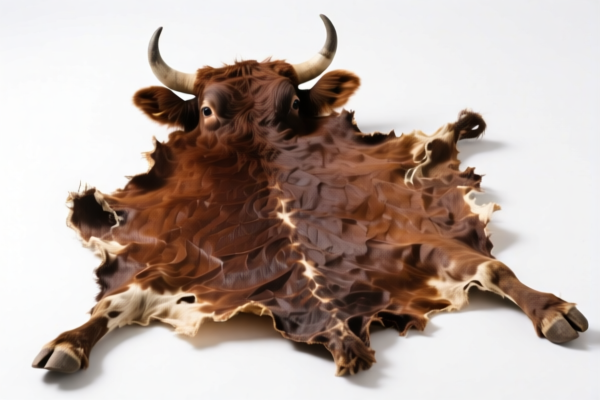
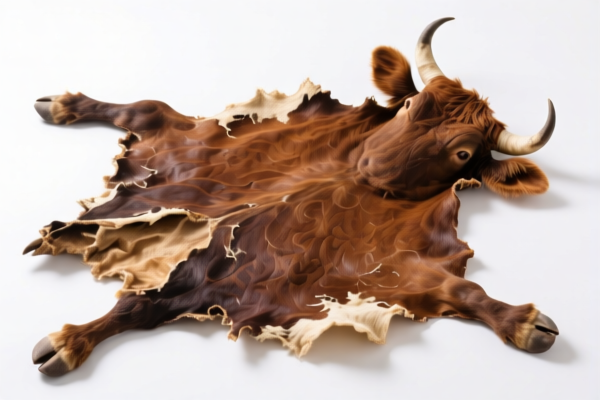
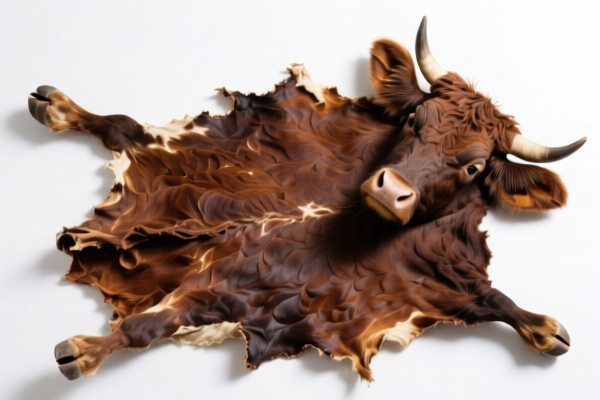
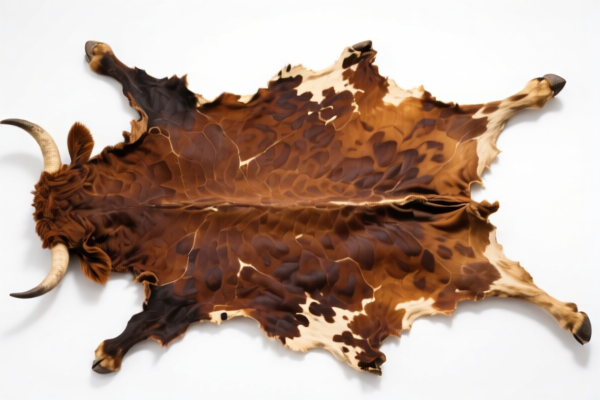
AI Analysis
🐂 Dried Bovine Hides (Un-tanned)
🌐 HS Code Reference & Customs Clearance Guide | 2026 Latest Tariff Analysis | Professional Customs Strategy
📌 I. Product Definition & Classification: Do You Really Understand "Dried Bovine Hides"?
In international trade, raw animal skins are strictly categorized based on their species, preservation method, and processing stage. Dried Bovine Hides refer specifically to the skin of cattle (cow/bull) that has been preserved through drying but has NOT undergone the tanning process. This distinguishes them from wet-salted hides, cured leather, or processed leather goods.
⚠️ Key Distinction Point:
- If the hide is dried and untanned → Classified under Chapter 41 (Raw Hides and Skins)
- If the hide is tanned → Classified under Chapter 41 or 42 (Leather)
- If the hide is wet-salted → Different HS subheadings within Chapter 41
- Crucial Note: The summary data indicates two primary 8-digit HS codes depending on specific sub-classification nuances (likely weight or further processing status not fully detailed in the summary but implied by the code difference).
📦 II. HS Code Classification Details (Latest Tariff Alignment)
Based on the provided data, the product falls under Chapter 41: Raw Hides and Skins (Other Than Fur Skins). The following codes are referenced:
| HS Code | Product Description | Applicable Scenario | Preservation Method |
|---|---|---|---|
4101.20.10.10 |
Dried Raw Bovine Hide (Un-tanned), Material: Bovine, Form: Dried | Standard dried cow hides for leather production; matches definition of un-tanned raw skin | ✅ Dried |
4101.90.10.20 |
Dried Raw Bovine Hide (Un-tanned), Material: Bovine, State: Dried | Dried bovine hides; no conflict in material or form | ✅ Dried |
4101.20.10.10 |
Dried Cow Hide, Material: Cow, Form: Dried | Matches dried preservation method for un-tanned raw skins | ✅ Dried |
4101.90.10.30 |
Dried Cow Hide, Material: Bovine, State: Dried | Consistent with bovine raw skin requirements; dry state is treated but not tanned | ✅ Dried |
🔍 Important Reminder:
- All listed codes confirm the product is "Dried" and "Un-tanned".
- The variation between.20.10and.90.10subheadings may relate to specific weight thresholds or additional processing notes not explicitly detailed in the summary, but both require identical tariff treatment according to the provided data.
💰 III. 2026 Latest Tariff Rate Breakdown (Including Surtaxes & Policy Add-ons)
✅ Applicable Country: United States (US)
✅ Country of Origin: China (CN)
✅ Effective Date: Current as per provided data (reflecting 301/IEEPA tariffs)
🎯 1. 4101.20.10.10 / 4101.20.10.30 / 4101.90.10.20 / 4101.90.10.30
Product: Dried Raw Bovine Hides (Un-tanned)
| Item | Content |
|---|---|
| Basic Tariff Rate | 0.0% (Ad Valorem) |
| Section 301 Surcharge | +7.5% |
| Section 122 Tariff | +10.0% |
| Total Effective Tariff Rate | 17.5% |
| Tax Calculation Base | CIF Value × 17.5% |
| De Minimis Exemption | ❌ Not Applicable (Raw agricultural/animal products generally excluded or not beneficial for B2B imports) |
| Legal Basis Path | HTSUS:4101.20.10 / 4101.90.10 → Section 301 Footnote → Section 122 Authority |
📌 Explanation:
- "Basic Tariff: 0.0%": Raw hides and skins often have low or zero base MFN rates.
- "Section 301 Surcharge: 7.5%": Part of the US Trade Representative’s list targeting Chinese industrial inputs.
- "Section 122 Tariff: 10%": Additional surcharge often applied to specific categories of Chinese goods under emergency trade provisions.
- Total 17.5%: This is a significant cost factor for importers. Unlike some high-tech components taxed at 25%+, this is a steady 17.5% on raw materials.
🛠️ IV. Customs Clearance Practical Advice (Real-World Pitfall Avoidance)
✅ 1. Documentation Checklist (Non-Negotiable)
| Document | Required | Notes |
|---|---|---|
| ✅ Commercial Invoice | ✔️ | Must clearly state "Dried Raw Bovine Hide", weight, origin (China), and HS Code. |
| ✅ Packing List | ✔️ | Detail gross/net weight, number of hides, packaging type (e.g., bales, boxes). |
| ✅ Certificate of Origin | ✔️ | Essential to prove CN origin and confirm applicability of Section 301/122 tariffs. |
| ✅ Health/Veterinary Certificate | ✔️ | Critical for Animal Products: Must certify no contagious diseases and compliance with USDAAPHIS regulations. |
| ✅ Bill of Lading/Air Waybill | ✔️ | Standard shipping document. |
| ✅ Product Description | ✔️ | Avoid vague terms like "Leather"; use "Raw Dried Skin" to avoid misclassification as processed leather. |
✅ 2. Declaration Tips (Key Mantras)
🔥 "Raw & Dry, Not Tanned; Origin China, Tariff 17.5%!"
| Scenario | Correct Declaration | Error to Avoid |
|---|---|---|
| Dried, Un-tanned | "Dried Bovine Hide (Raw), HS 4101.xx" | ❌ Calling it "Leather" → Misclassification (Chapter 41 vs 42) |
| Wet-Salted vs Dried | Specify "Dried" clearly | ❌ Mixing wet/salted and dried in one entry → Customs scrutiny |
| Origin Labeling | Clearly mark "Made in China" | ❌ Failing to declare origin → Penalties + higher tariffs |
| Packaging | Note if hides are compressed/baled | ❌ Inconsistent weight on invoice vs packing list → Delay |
✅ 3. Special Cases & Processing
| Situation | Handling Advice |
|---|---|
| Mixed Loads | If importing both Chinese and non-Chinese origins, declare separately. Only CN-origin goods incur the 17.5% surcharge. |
| Re-Export | If using in a Foreign Trade Zone (FTZ), tariffs may be deferred until entry into US commerce. |
| Sample Imports | Small quantities still subject to duties and regulations; do not assume "samples" are exempt. |
| USDA Compliance | Ensure hides are free from foreign animal diseases. Failure can lead to destruction or re-export at importer’s expense. |
🌍 V. Global Market Customs Comparison (2026 Context)
| Country/Region | Recommended HS Code | Tariff (CN Origin) | Certification | Notes |
|---|---|---|---|---|
| 🇺🇸 USA | 4101.20.10 / 4101.90.10 |
17.5% (Total) | USDA/Vet Cert | High compliance barrier for animal products |
| 🇨🇳 China | 4101 Series |
~0-5% | None | Domestic market has different raw material flows |
| 🇪🇺 EU | 4101 Series |
Varies (Often 0%) | REACH/Health Cert | Strict sanitary controls |
| 🇬🇧 UK | 4101 Series |
Varies | Post-Brexit Rules | Check UK TARIC code |
| 🇯🇵 Japan | 4101 Series |
Varies | FMD-Free Cert | Strict disease control |
📌 Conclusion:
- USA imposes a 17.5% effective tariff on Chinese dried bovine hides due to Section 301 and Section 122 measures.
- Sanitary/Phytosanitary (SPS) barriers are as critical as tariffs; USDAAPHIS approval is mandatory.
📌 VI. Common Mistakes & Pitfalls (Lessons Learned)
❌ Mistake 1: Calling "Dried Bovine Hide" as "Raw Leather"
👉 Consequence: Misclassification under Chapter 42 (Leather) or rejected entry for lack of proper animal health docs.
❌ Mistake 2: Ignoring Section 122 Tariff
👉 Consequence: Underpayment of duties. The 10% surcharge is often overlooked alongside the 7.5% Section 301 rate.
❌ Mistake 3: Inconsistent Weight Declarations
👉 Consequence: Customs audit, fines, or delays. Net weight of hides must match packing list exactly.
❌ Mistake 4: Lack of Veterinary Certification
👉 Consequence: Seizure or Destruction by USDAAPHIS. No amount of tariff payment can override health regulations.
✅ Correct Practice:
"Dried Raw Bovine Hides, Un-tanned, Origin: China, HS 4101.20.10.10, Weight: XXX kg, Certified Free of Foot-and-Mouth Disease."
🎯 VII. Conclusion: Professional Declaration, Cost Control, Compliance
🎯 Remember the Mantra:
🔹 "Raw & Dried, Not Tanned; 17.5% Total Tax on CN Origin!"
🔹 "Vet Cert is King, Tariff is Queen; Both are Mandatory for Entry!"
📌 Pro Tip:
- If possible, explore Foreign Trade Zones (FTZ) to defer duties.
- Ensure supplier documentation matches customs requirements before shipment.
- Consult a licensed customs broker to verify the exact subheading (
.10vs.90) based on hide weight/thickness specifications.
📣 Immediate Action:
📞 Contact your customs broker + Provide Product Specs + Verify Vet Health Cert + Prepare for 17.5% Duty Payment.
🚀 Ensure Smooth Clearance, Avoid Seizures, and Control Landed Costs!
✨ Professional Customs, Starting with Precise Classification!
💼 Your Cost Efficiency Depends on Accurate Tariff Application!
Customer Reviews
About HS Code Classification
The Harmonized System (HS) is an internationally standardized nomenclature developed by the World Customs Organization (WCO) to classify traded products. Over 200 countries use the HS system as the basis for customs tariffs, trade statistics, and import/export regulations.
Each HS code follows a hierarchical structure:
- Chapter (2 digits) — Broad category of goods (e.g., Chapter 84: Machinery and Mechanical Appliances)
- Heading (4 digits) — More specific grouping within the chapter
- Subheading (6 digits) — Internationally standardized breakdown, used by all WCO member countries
- National subdivisions (8-10 digits) — Country-specific extensions for further classification, such as US HTSUS 10-digit codes
Correct HS code classification is essential for smooth customs clearance, accurate duty payment, and compliance with trade regulations. Misclassification can lead to customs delays, overpayment of duties, or penalties.
When importing from CN to US, the applicable tariff rates may include:
- Most-Favored-Nation (MFN) rate — The standard duty rate applied to WTO members
- General rate — Applied to countries without trade agreements
- Trade remedy duties — Additional tariffs such as Section 301 (anti-dumping), Section 232 (national security), or countervailing duties
The information provided on this page is for reference purposes only. For official classification, please consult with your local customs authority or a licensed customs broker.