Dried Cowhide Sheets
CN → US| HS Code | Tariff Rate | Origin | Destination | Doc |
|---|---|---|---|---|
| 4205000500 | 37.9% | CN | US | Official Doc |
| 4205001000 | 35.0% | CN | US | Official Doc |
| 4107111020 | 35.0% | CN | US | Official Doc |
| 4107112000 | 37.4% | CN | US | Official Doc |
| 4101201010 | 17.5% | CN | US | Official Doc |
| 4101901030 | 17.5% | CN | US | Official Doc |
Product Images
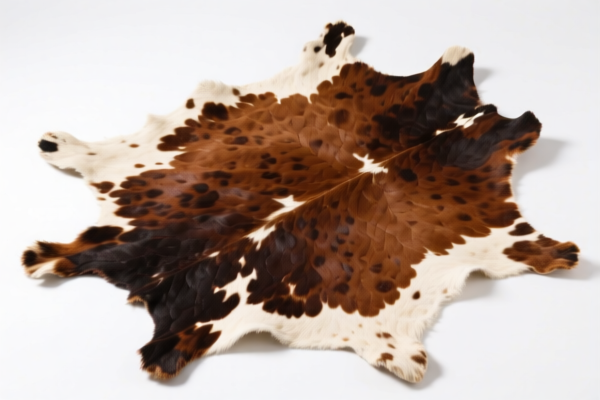
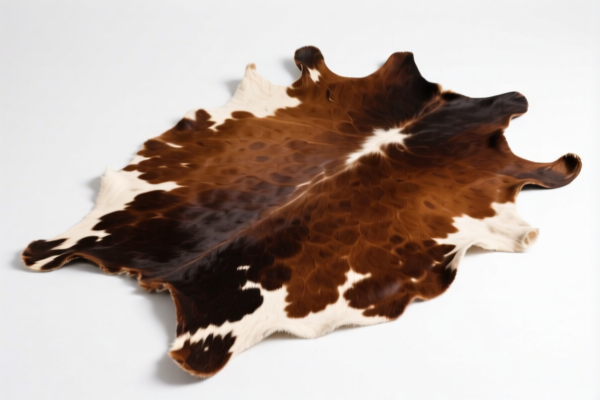
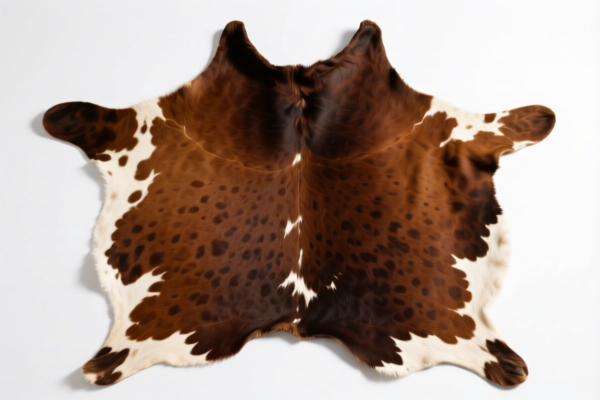
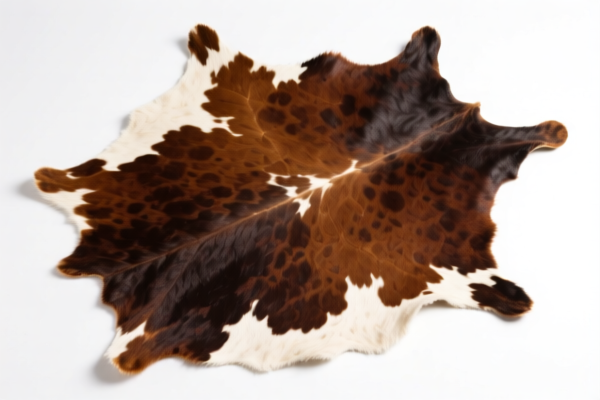
AI Analysis
🐂 Dried Cowhide Sheets (Raw Skins of Bovine Animals)
🌐 HS Code Reference & Customs Clearance Guide | 2026 Latest Tariff Analysis | Professional Level Entry Strategy
📌 I. Product Definition & Classification: Do You Really Understand "Dried Cowhide"?
Dried Cowhide Sheets refer to raw hides of bovine animals (cows, buffalo, etc.) that have been preserved—specifically dried, salted, or limed—but have not yet undergone the tanning process. They are the primary raw material for the leather industry.
In international trade, they are strictly distinguished from finished leather or semi-processed leather:
- Raw Hides (Heading 4101): Un-tanned, preserved skins. May be fresh, wet-salted, dry-salted, or dried.
- Pre-tanned Leather (Heading 4107/4108): Hides that have undergone preliminary tanning processes.
- Finished Leather (Heading 4107/4114): Fully tanned, dressed, and prepared leather.
⚠️ Key Distinction Point:
- If the hide is dried (weight ≤8kg per skin), dry-salted (weight ≤10kg), or fresh/wet-salted (weight ≤16kg) and NOT pretanned → It falls under Raw Hides (4101).
- If it is pretanned (even lightly) or weighs more than the limits above without being fully finished → It may fall under Pre-tanned Leather (4101.90 or 4107).
📦 II. HS Code Classification Details (2026 Latest Tariff Authoritative对照)
Based on the provided <DATA>, here are the applicable HS Codes for dried cowhide and related bovine leather items:
| HS Code | Product Description | Applicable Scenario | Preservation State |
|---|---|---|---|
4101.20.10.10 |
Raw hides of bovine animals, whole, unsplit, not pretanned: Weight ≤8kg (dried), ≤10kg (dry-salted), ≤16kg (fresh/wet-salted) | Large, whole dried hides intended for upper leather production | ✅ Dried / Salted (Raw) |
4101.90.10.30 |
Raw hides of bovine animals, other (including butts, bends, bellies): Not pretanned | Cut hides, smaller pieces, belly/side cuts, not whole | ✅ Dried / Salted (Raw) |
4107.11.10.20 |
Leather further prepared after tanning: Upper leather, full grain, unsplit, bovine, ≤28 sq ft | Tanned upper leather (e.g., for shoes, bags) | ❌ Tanned (Finished/Semi-finished) |
4107.11.20.00 |
Leather further prepared after tanning: Other (not fancy), full grain, unsplit, bovine, ≤28 sq ft | Other tanned leathers (e.g., lining, industrial) | ❌ Tanned (Finished/Semi-finished) |
4205.00.05.00 |
Belting leather: Cut/manufactured into forms for belting | Leather already converted into belt blanks | ❌ Manufactured Article |
4205.00.10.00 |
Other articles of leather: Technical/machinery use | Leather gaskets, seals, other technical parts | ❌ Manufactured Article |
🔍 Critical Reminder for "Dried Cowhide Sheets":
- If you are exporting raw, dried, un-tanned cowhide sheets, you must classify under Chapter 41 (Raw Hides and Skins), specifically 4101.
- Do NOT confuse "Dried Cowhide" (Raw) with "Cowhide Leather" (Tanned). Tanned leather falls under 4107 or 4114.
- If the hides are cut into non-standard shapes (e.g., belly cuts) but still raw, use 4101.90.10.30.
💰 III. 2026 Latest Tariff Rate Breakdown (Including Additional Duties)
✅ Applicable Country: United States (US)
✅ Origin: China (CN)
✅ Effective Time: 2025-11-10 onwards (including subsequent imports)
🎯 1. 4101.20.10.10 —— Whole Dried/Salted Cowhide (Not Pretanned)
| Item | Content |
|---|---|
| Base Tariff Rate | 0.0% (ad valorem) |
| Additional Tariff (Section 301) | +7.5% |
| Total Tariff Rate | 7.5% |
| Tax Calculation | CIF Value × 7.5% |
| De Minimis Eligibility | ❌ No (denied) |
| Legal Basis Path | USITC:4101.20.10.10 → Footnote:7.5% |
📌 Explanation:
- Base Rate 0%: Raw hides often enjoy low base duties to support domestic leather industries.
- Additional 7.5%: This is a specific "Additional Tariff" applied to certain raw materials from China under recent trade adjustments.
- Total Cost Impact: Low compared to finished goods, but still requires precise classification to avoid the 25%+ rates for tanned leather.
🎯 2. 4101.90.10.30 —— Other Raw Cowhide (Cut/Sides, Not Pretanned)
| Item | Content |
|---|---|
| Base Tariff Rate | 0.0% |
| Additional Tariff (Section 301) | +7.5% |
| Total Tariff Rate | 7.5% |
| Tax Calculation | CIF Value × 7.5% |
| De Minimis Eligibility | ❌ No |
| Legal Basis Path | USITC:4101.90.10.30 → Footnote:7.5% |
📌 Note:
- Same tariff treatment as whole hides.
- Crucial for exporters shipping bellies, sides, or cut pieces that are not full hides.
🚫 WARNING: Confusion with Tanned Leather (4107)
| HS Code | Product | Base + Addl. Tariff | Total |
|---|---|---|---|
4107.11.10.20 |
Tanned Upper Leather | 0.0% + 25.0% | 25.0% |
4107.11.20.00 |
Other Tanned Leather | 2.4% + 25.0% | 27.4% |
⚠️ High Risk Alert:
- If your "Dried Cowhide" is accidentally considered tanned (e.g., chemical residue, or mislabeled), the tariff jumps from 7.5% to ~25-27.4%.
- Manufactured Articles (4205) face even higher rates:
-4205.00.05.00(Belting): 27.9%
-4205.00.10.00(Other Tech): 25.0%
🛠️ IV. Customs Clearance Practical Advice (Pitfall Avoidance Guide)
✅ 1. Required Documentation Checklist
| Document | Must Provide | Description |
|---|---|---|
| ✅ Commercial Invoice | ✔️ | Must explicitly state: "Raw Hides of Bovine Animals, Dried, Untanned" |
| ✅ Packing List | ✔️ | Detail weight per skin, number of skins, and preservation method (Dried/Salted) |
| ✅ Product Specification | ✔️ | Include: Species (Bovine), Preservation State (Dried/Salted), Weight Range, Whether Split/Unsplit |
| ✅ Veterinary/Health Certificate | ✔️ | Mandatory for raw animal products. Prove no BSE, Foot-and-Mouth Disease, etc. |
| ✅ PHMSA/MSDS (If Salted) | ✔️ | If heavily salted, declare as non-hazardous or hazardous depending on salt concentration |
| ✅ Bill of Lading/Air Waybill | ✔️ | Clear description matching invoice |
✅ 2. Declaration Tips (Key Mantra)
🔥 "Raw is Key, Tanned is Taxed, Weight Matters, Spec is King!"
| Situation | Correct Declaration | Wrong Approach |
|---|---|---|
| Whole Dried Hides | 4101.20.10.10 |
Mislabel as "Leather" → 25%+ tariff |
| Cut Sides/Bellies | 4101.90.10.30 |
Declare as "Whole Hides" → Classification error |
| Tanned Leather | 4107.11.10.20 |
Declare as "Raw Hides" → Smuggling/Fraud risk |
| Belting Blanks | 4205.00.05.00 |
Declare as "Raw Hides" → 27.9% vs 7.5% |
📌 Crucial Note:
- Do not use generic terms like "Leather" or "Cowhide" without specifying "Raw" or "Untanned".
- Specify Weight clearly. Hides >16kg (if wet) or >10kg (if salted) may require different sub-categories or even fall under "Other Raw Hides" with potential inspection.
✅ 3. Special Case Handling
| Situation | Handling Advice |
|---|---|
| Mixed Hides (Raw & Tanned) | Split the declaration. Raw hides under 4101 (7.5%), Tanned under 4107 (25%+). Do not mix in one line item. |
| Preservation Method Change | If drying process fails and hides become wet/rotten, declare as "Fresh/Wet-Salted." Weight limits apply (≤16kg). |
| Split Hides | If the hide is split (e.g., top layer vs. flesh layer), and both are raw, declare separately if possible. Split raw hides may have different weight/value thresholds. |
| Animal Health Quarantine | Ensure the supplier provides a valid Veterinary Certificate issued by the country of origin. Without it, customs will reject the shipment. |
🌍 V. Global Market Comparison (2026 Latest)
| Country/Region | Recommended HS Code | Tariff (China Origin) | Certification | Notes |
|---|---|---|---|---|
| 🇺🇸 USA | 4101.20.10.10 / 4101.90.10.30 |
7.5% | USDA/Vet Cert | High scrutiny on BSE/FMD status |
| 🇨🇳 China | 4101.20.10 / 4101.90.10 |
Low/Zero (Import) | CIQ Inspection | Major importer of raw hides |
| 🇪🇺 EU | 4101 (General) |
0% - 2% | OIE/Animal Health Cert | Strict animal welfare & health docs |
| 🇻🇳 Vietnam | 4101 |
0% | Vet Cert | Major leather processing hub |
📌 Conclusion:
- USA: 7.5% additional tariff is manageable but requires strict documentation.
- EU/China: Often lower or zero base duties, but non-tariff barriers (health certifications) are very high.
- Vietnam/India: Major destinations for Chinese raw hides; verify local import licenses.
📌 VI. Common Errors & Pitfalls (Blood-Lessons)
❌ Error 1: Declaring "Raw Cowhide" as "Leather"
👉 Consequence: Tariff jumps from 7.5% to 25%+. Massive cost increase.
❌ Error 2: Ignoring Weight Limits
👉 Consequence: If dried hides weigh >8kg, they don’t fit 4101.20.10.10. Must use 4101.90 or higher categories, potentially changing tariff treatment.
❌ Error 3: Missing Veterinary Certificate
👉 Consequence: Shipment rejected or destroyed by customs/quarantine. No refund.
❌ Error 4: Mixing "Dried" and "Wet-Salted" in One Package
👉 Consequence: Classification confusion. Declare separately by preservation method and weight.
✅ Correct Practice:
"Raw Cowhide Sheets, Dried, Untanned, Bovine, Whole, Unsplit, Weight ~6kg per Skin, Vet Certified, Model: RAW-DRI-01"
🎯 VII. Conclusion: Precise Classification, Low Cost, Smooth Clearance!
🎯 Remember the Mantra:
🔹 "Raw is 7.5%, Tanned is 25%, Wrong Spec is Disaster!"
🔹 "Weight Limit is Key, Vet Cert is King, Don't Mix Types!"
📌 Pro Tip:
If your cowhide sheets are partially processed (e.g., limed but not tanned), they may still be considered "Raw" under 4101. However, once tanned, they become 4107.
Recommendation:
📞 Contact a customs broker BEFORE shipment to confirm the preservation state and weight distribution.
🚀 Get an Advance Ruling if you are unsure about the boundary between "Raw" and "Pre-tanned."
📣 Immediate Action:
📞 Prepare Vet Certs + Weight Details + Clear Description "Untanned"
🚀 Ensure your Dried Cowhide Sheets clear customs smoothly and profitably!
✨ Professional clearance starts with accurate classification!
💼 Every dollar of tax saved is pure profit!
Customer Reviews
About HS Code Classification
The Harmonized System (HS) is an internationally standardized nomenclature developed by the World Customs Organization (WCO) to classify traded products. Over 200 countries use the HS system as the basis for customs tariffs, trade statistics, and import/export regulations.
Each HS code follows a hierarchical structure:
- Chapter (2 digits) — Broad category of goods (e.g., Chapter 84: Machinery and Mechanical Appliances)
- Heading (4 digits) — More specific grouping within the chapter
- Subheading (6 digits) — Internationally standardized breakdown, used by all WCO member countries
- National subdivisions (8-10 digits) — Country-specific extensions for further classification, such as US HTSUS 10-digit codes
Correct HS code classification is essential for smooth customs clearance, accurate duty payment, and compliance with trade regulations. Misclassification can lead to customs delays, overpayment of duties, or penalties.
When importing from CN to US, the applicable tariff rates may include:
- Most-Favored-Nation (MFN) rate — The standard duty rate applied to WTO members
- General rate — Applied to countries without trade agreements
- Trade remedy duties — Additional tariffs such as Section 301 (anti-dumping), Section 232 (national security), or countervailing duties
The information provided on this page is for reference purposes only. For official classification, please consult with your local customs authority or a licensed customs broker.