Dried lime slices
CN → US| HS Code | Tariff Rate | Origin | Destination | Doc |
|---|---|---|---|---|
| 080620 | 0.0% | CN | US | Official Doc |
| 081290 | 0.0% | CN | US | Official Doc |
| 2008306600 | 31.5% | CN | US | Official Doc |
Product Images
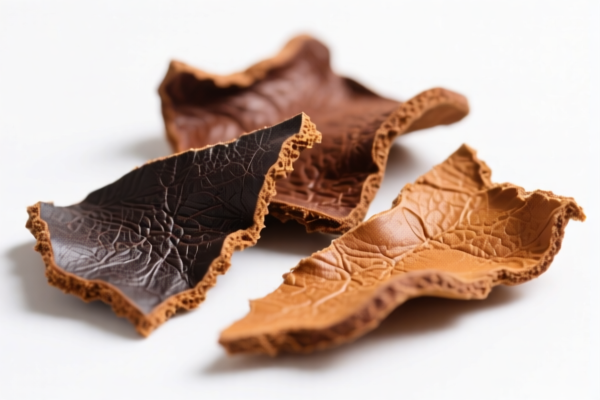
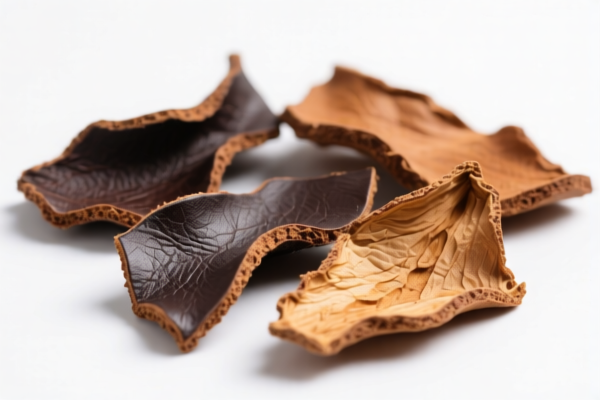
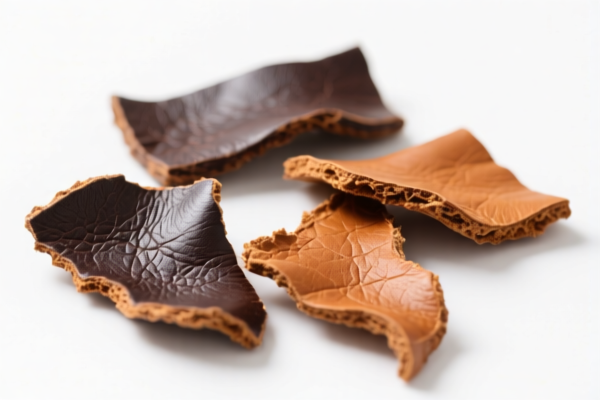
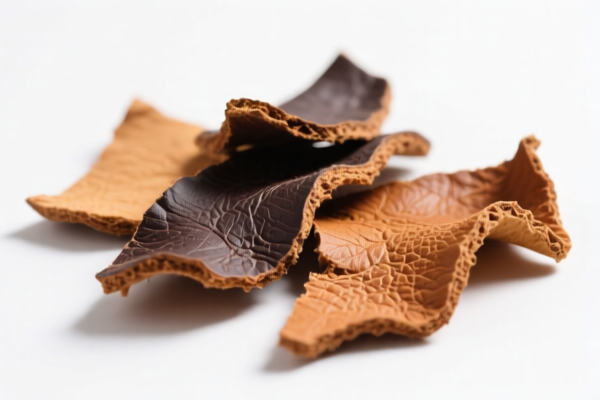
AI Analysis
🍈 Dried Lime Slices (Dried Fruit – Limes)
🌐 HS Code Classification & Customs Clearance Guide | 2026 Updated Tariff Analysis | Pro-Level Import Strategy
📌 One, Product Definition & Classification: What Exactly Are Dried Lime Slices?
Dried lime slices are thin, sun- or machine-dried pieces of Citrus aurantifolia or Citrus latifolia (limes), commonly used in culinary applications, beverages, traditional medicine, and food preservation. In international trade, they are classified based on processing method, form, and intended use.
⚠️ Key Distinction: - Dried fruit (limes): Whole or sliced limes dried without added sugar or preservatives → HS Code 0806.20 - Fruit, dried, other (limes): General category for dried citrus not covered elsewhere → HS Code 0812.90 - Citrus fruit, otherwise prepared or preserved (including dried limes): When processed with sugar, acid, or preserved in syrup → HS Code 2008.30.66.00
📌 Critical Note:
If the limes are dried and packaged as a food ingredient, but not preserved with sugar or spirit, they fall under 0806.20 or 0812.90.
If they are preserved or prepared with sweeteners, even if dried, they must be classified under 2008.30.66.00 — this is the most common and highest-taxed category.
📦 Two, HS Code Classification Breakdown (2026 Updated Tariff Authority)
| HS Code | Product Description | Applicable Scenario | Key Feature |
|---|---|---|---|
0806.20 |
Dried fruit (limes) | Whole or sliced limes, dried naturally, no added sugar or preservatives | ✅ Pure dried fruit |
0812.90 |
Fruit, dried, other (limes) | General category for dried limes not specified elsewhere | ✅ Broad classification |
2008.30.66.00 |
Citrus fruit: Other: Limes (preserved or prepared) | Dried limes with added sugar, syrup, or preservatives | ❌ High tariff — even if dried, if prepared, this applies |
🔍 Important Clarification:
- "Dried" ≠ "Preserved".
- If no sugar, alcohol, or sweetening agents are added → 0806.20 or 0812.90
- If sugar, honey, citric acid, or preservatives are used → MUST use 2008.30.66.00
💰 Three, 2026 Updated Tariff Rate Analysis (With附加 Taxes & Policy Details)
✅ Applicable Country: United States (US)
✅ Origin: China (CN)
✅ Effective Date: November 10, 2025 (and ongoing)
🎯 1. 0806.20 — Dried Fruit (Limes)
| Item | Detail |
|---|---|
| Base Duty | 0% (ad valorem) |
| USITC Additional Duty | +25% (under Section 301) |
| IEEPA Additional Duty | +10% (for China-origin goods) |
| Total Tax Rate | 45% |
| Tax Calculation | CIF Value × 45% |
| De Minimis Exemption | ❌ Not eligible (denied) |
| Legal Basis Path | IEEPA:9903.01.25 → IEEPA:9903.01.24 → USITC:0806.20 → FOOTNOTE:9903.88.01 |
📌 Explanation:
- Despite being "dried fruit", this product is still subject to 45% total tariff due to China origin and US trade policy. - No exceptions for food-grade or natural products — all Chinese-origin dried limes are treated equally.
🎯 2. 0812.90 — Fruit, Dried, Other (Limes)
| Item | Detail |
|---|---|
| Base Duty | 0% |
| USITC Additional Duty | +25% |
| IEEPA Additional Duty | +10% |
| Total Tax Rate | 45% |
| Tax Calculation | CIF × 45% |
| De Minimis Exemption | ❌ Not eligible |
| Legal Basis Path | IEEPA:9901.25 → IEEPA:9903.01.24 → USITC:0812.90 → FOOTNOTE:9903.88.01 |
📌 Note:
- This code is functionally identical in tariff treatment to0806.20. - Used when the product doesn't fit the specific "dried fruit" subheading. - Still subject to 45% total duty due to trade policy.
🎯 3. 2008.30.66.00 — Citrus Fruit, Preserved or Prepared (Including Dried Limes with Additives)
| Item | Detail |
|---|---|
| Base Duty | 14.0% |
| Additional Duty (Section 301) | +7.5% |
| Total Tax Rate | 21.5% |
| Tax Calculation | CIF Value × 21.5% |
| De Minimis Exemption | ✅ Eligible (if value ≤ $800) |
| Legal Basis Path | USITC:2008.30.66.00 → FOOTNOTE:9903.88.01 |
📌 Critical Insight:
- This is the only code with a lower total tax rate (21.5%) — but only if the product is prepared or preserved. - Why? The base rate is lower (14%), and the additional 7.5% is less than the 25% USITC tariff on other codes. - Even if dried, if sugar, citric acid, or preservatives are added → Use 2008.30.66.00 to save 23.5% in tax.
🛠️ Four, Customs Clearance Best Practices (Real-World Tips)
✅ 1. Documentation Checklist (Must-Have)
| Document | Required? | Purpose |
|---|---|---|
| ✅ Product Specification Sheet | ✔️ | List ingredients: sugar, preservatives, drying method |
| ✅ Ingredient List & Formulation | ✔️ | Prove whether sugar or additives were used |
| ✅ Product Photos (with packaging) | ✔️ | Show appearance, labeling, packaging |
| ✅ Certificate of Analysis (COA) | ✔️ | Confirm absence/presence of sugar, preservatives |
| ✅ Commercial Invoice | ✔️ | Accurately describe product: "Dried Lime Slices, No Sugar Added" or "Preserved with Sugar" |
| ✅ Certificate of Origin (CO) | ✔️ | Critical for tariff eligibility |
| ✅ Packing List | ✔️ | Show net weight, packaging type, quantity |
✅ 2.申报技巧 (Pro申报 Tips)
🔥 "Sugar = Lower Tax! No Sugar = Higher Tax!"
| Scenario | Correct HS Code | Wrong Code | Tax Rate | Risk |
|---|---|---|---|---|
| Dried limes, no sugar or additives | 0806.20 or 0812.90 |
2008.30.66.00 |
45% | High risk: overpayment |
| Dried limes, with sugar or citric acid | 2008.30.66.00 |
0806.20 |
21.5% | High risk: underpayment |
| Dried limes, packaged as food ingredient | 2008.30.66.00 (if preserved) |
0806.20 |
21.5% | Avoid misclassification |
📌 Golden Rule:
- If sugar or preservatives were added → use 2008.30.66.00 → save 23.5%
- If no additives → use 0806.20 or 0812.90 → pay 45%
- Never use 2008.30.66.00 for pure dried limes — you’ll be penalized
✅ 3. Special Cases & Solutions
| Situation | Recommended Action |
|---|---|
| OEM/Custom Dried Limes | Provide formulation sheet + contract to prove ingredient use |
| Limes dried with natural sweeteners (e.g., honey) | Still considered "preserved" → use 2008.30.66.00 |
| Limes dried with vinegar or citric acid | Considered "prepared" → use 2008.30.66.00 |
| Limes for export to EU/UK/AU | Check local tariffs — no 301/IEEPA tariffs → lower rates |
| Limes for medicinal use | May qualify for non-commercial exemption — require documentation |
🌍 Five, Global Market Comparison (2026)
| Country | Recommended HS Code | Tariff | Certification | Notes |
|---|---|---|---|---|
| 🇺🇸 USA | 2008.30.66.00 (if preserved) |
21.5% | FDA, USDA (if food) | 45% if no sugar |
| 🇨🇳 China | 0806.20 / 2008.30.66.00 |
5% | CCC, QS | No 301 tariffs |
| 🇪🇺 EU | 2008.30.66.00 |
0% (if CE) | CE, FSSC 22000 | No US-style tariffs |
| 🇦🇺 Australia | 2008.30.66.00 |
5% | RCM, Food Standards | No 301 |
| 🇯🇵 Japan | 2008.30.66.00 |
0% | JIS, FSSC | No additional tariffs |
📌 Insight:
- The USA is the only market with 45% tariff on pure dried limes. - If you're exporting to the US, consider adding sugar or citric acid to qualify for 21.5% instead of 45%.
📌 Six, Common Mistakes & How to Avoid Them (Real-World Lessons)
❌ Mistake 1: Declaring "dried limes" as 0806.20 when they contain honey or citric acid
👉 Result: Underpaid duties → penalties, fines, seizure
❌ Mistake 2: Using 2008.30.66.00 for pure dried limes with no additives
👉 Result: Overpayment → $10,000+ extra cost per shipment
❌ Mistake 3: Not providing ingredient list or COA
👉 Result: Customs holds shipment → delayed delivery, lost sales
❌ Mistake 4: Using generic name like "dried fruit" on invoice
👉 Result: Misclassification → audit risk
✅ Correct Declaration Example:
"Dried Lime Slices, Preserved with Sugar and Citric Acid, 100g per pack, No Alcohol, FDA Compliant, HS Code: 2008.30.66.00"
🎯 Seven, Conclusion: Smart Classification = Big Savings
🎯 Remember the Rule:
🔹 "No Sugar? → 45% Tax (0806.20/0812.90)"
🔹 "With Sugar? → 21.5% Tax (2008.30.66.00)"
🔹 "Always declare truthfully — one mistake = thousands in penalties!"
📌 Pro Tip:
If your dried limes are produced in Vietnam, Thailand, or Mexico, you may qualify for IEEPA/301 tariff exemption → 0% to 5%.
✅ Apply for Advance Ruling (Pre-Clearance) to lock in the correct HS Code and tariff rate.
📣 Act Now!
📞 Contact a customs broker with food product expertise
📊 Provide ingredient list, photos, and invoice
🚀 Get HS Code pre-approval and tariff certainty before shipment
✨ Smart Tariff Strategy Starts with Accurate Classification!
💼 Your profit margin depends on the right HS Code — choose wisely!
Customer Reviews
About HS Code Classification
The Harmonized System (HS) is an internationally standardized nomenclature developed by the World Customs Organization (WCO) to classify traded products. Over 200 countries use the HS system as the basis for customs tariffs, trade statistics, and import/export regulations.
Each HS code follows a hierarchical structure:
- Chapter (2 digits) — Broad category of goods (e.g., Chapter 84: Machinery and Mechanical Appliances)
- Heading (4 digits) — More specific grouping within the chapter
- Subheading (6 digits) — Internationally standardized breakdown, used by all WCO member countries
- National subdivisions (8-10 digits) — Country-specific extensions for further classification, such as US HTSUS 10-digit codes
Correct HS code classification is essential for smooth customs clearance, accurate duty payment, and compliance with trade regulations. Misclassification can lead to customs delays, overpayment of duties, or penalties.
When importing from CN to US, the applicable tariff rates may include:
- Most-Favored-Nation (MFN) rate — The standard duty rate applied to WTO members
- General rate — Applied to countries without trade agreements
- Trade remedy duties — Additional tariffs such as Section 301 (anti-dumping), Section 232 (national security), or countervailing duties
The information provided on this page is for reference purposes only. For official classification, please consult with your local customs authority or a licensed customs broker.