Drilling Locator
CN → US| HS Code | Tariff Rate | Origin | Destination | Doc |
|---|---|---|---|---|
| 8205595510 | 40.3% | CN | US | Official Doc |
| 7326908630 | 87.9% | CN | US | Official Doc |
| 8466208020 | 38.7% | CN | US | Official Doc |
| 7326908688 | 87.9% | CN | US | Official Doc |
| 8205591000 | 42.2% | CN | US | Official Doc |
Product Images
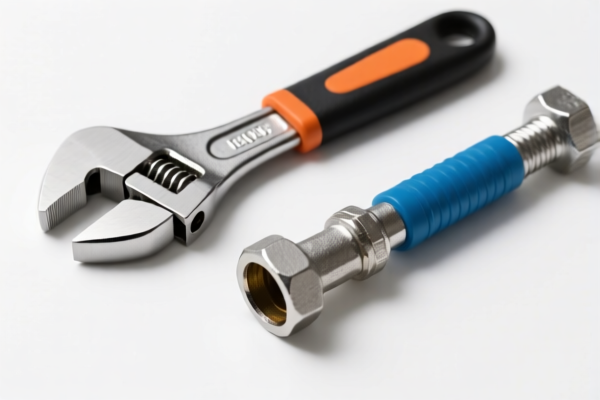
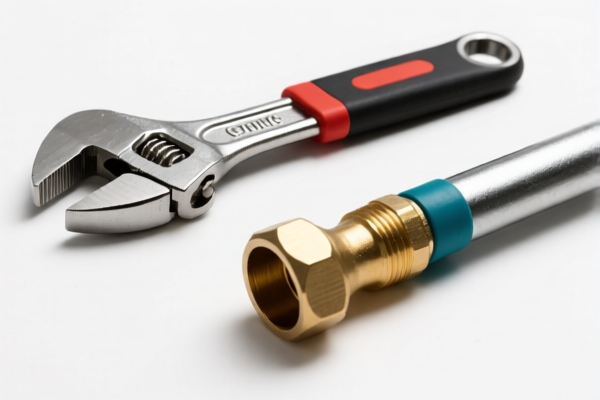
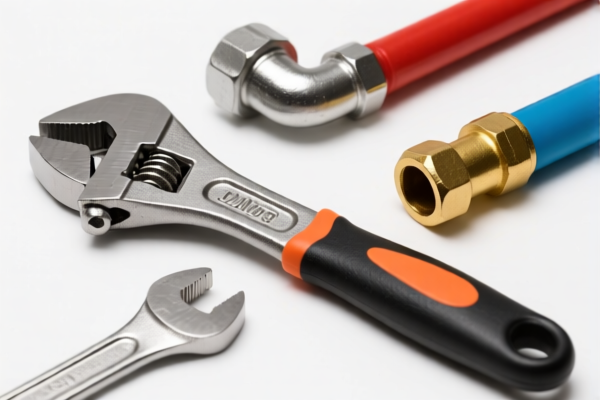
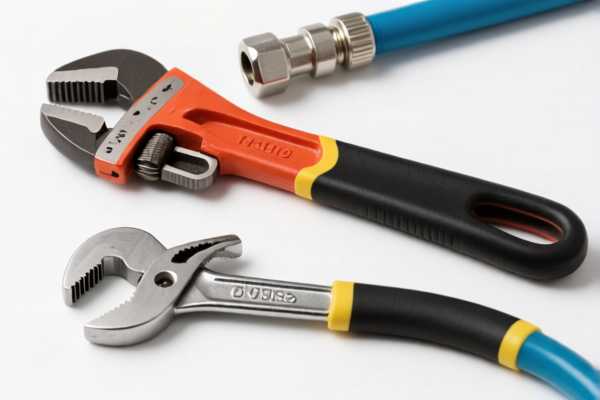
AI Analysis
🛠️ Drilling Locator (Drilling Template / Alignment Tool)
🌐 HS Code Reference & Clearance Guide | 2026 Latest Tariff Analysis | Strategic Import Strategy
📌 I. Product Definition & Classification: Do You Truly Understand the "Drilling Locator"?
A Drilling Locator is a precision auxiliary tool used to guide drilling bits, ensuring accurate hole placement, spacing, and alignment in manufacturing, construction, or DIY projects. It is not a power tool itself, but a fixture or supporting device that interacts with machinery or hand tools.
In international trade, its classification depends heavily on its physical form, material, and specific function: 1. As a "Part of a Machine/Tool": If designed specifically as an accessory for a drilling machine → Classified under Machine Parts/Tools. 2. As a "Structural Support/Fixture": If used to hold or align workpieces during assembly → Classified under Metal Structures/Fixtures.
⚠️ Key Distinction Point:
- If it is a rigid metal frame/guide with no moving mechanical parts of its own → Often falls under Metal Articles (Chapter 73) or Machine Fixtures (Chapter 84).
- If it is a simple hand-held guide resembling a wrench or clamp → Could fall under Hand Tools (Chapter 82).
- Critical Note: The "122 Clause" and "Section 301" tariffs significantly impact costs, making precise classification crucial for cost control.
📦 II. HS Code Classification Details (2026 Latest Tariff Authority Comparison)
Based on the provided data, here are the five most relevant HS Codes for Drilling Locators, ranked by logical fit and tax implication.
| HS Code | Product Description | Logic Summary | Material Inference | Total Tax Rate |
|---|---|---|---|---|
8205.59.55.10 |
Other Hand Tools: Parts/Components | Part/Component Logic: Classified as a part/component of hand tools. Since it guides drilling, it is seen as an accessory to a hand tool. | Metal (Inferred) | 40.3% |
8466.20.80.20 |
Parts & Accessories for Machine Tools: Locators/Fixtures | Functional Logic: Defined as a "Locator," which is a functional component (fixture/holding device) for metal-processing machine tools. | Metal (Inferred) | 38.7% |
8205.59.10.00 |
Hand Tools: Locators/Guides | Tool Logic: Classified directly as a "Locator" tool within the hand tools category. Fits the physical logic of a guiding hand tool. | Metal (Inferred) | 42.2% |
7326.90.86.30 |
Other Articles of Iron/Steel: Auxiliary Positioning Tools | Support Logic: Matches the form of an auxiliary positioning tool, logically consistent with racks/supports. | Metal (Steel/Aluminum) | 87.9% |
7326.90.86.88 |
Other Articles of Iron/Steel: Miscellaneous Parts | Generic Logic: Classified as a generic metal part/tool if no specific machine-tool or hand-tool function is proven. | Metal (Iron/Steel) | 87.9% |
🔍 Key Insight:
- Lowest Risk/Cost:8466.20.80.20(38.7%) – Best if the locator is used with machines.
- Medium Cost:8205.59.55.10(40.3%) – Best if marketed as a hand tool accessory.
- Highest Cost:7326.90.86.xx(87.9%) – Avoid unless the product is clearly a structural metal bracket and not a precision tool. The 50% "Steel/Aluminum Surcharge" makes this category extremely expensive.
💰 III. 2026 Latest Tariff Rate Breakdown (Including Surtaxes & Policy Add-ons)
✅ Applicable Country: United States (US)
✅ Origin: China (CN)
✅ Effective Date: November 10, 2025 onwards
🎯 1. 8466.20.80.20 —— Machine Tool Parts: Locators & Fixtures (Recommended)
| Item | Detail |
|---|---|
| Base Duty | 3.7% |
| Section 301 Surtax | +25.0% |
| 122 Clause Duty | +10.0% |
| Total Duty | 38.7% |
| Tax Calculation | CIF Value × 38.7% |
| De Minimis Exemption | ❌ Not Eligible |
| Legal Pathway | USITC:8466.20.80.20 → 301:Footnote → 122:Clause |
📌 Explanation:
- This code is optimal for industrial-grade drilling locators used in CNC or drill press setups.
- The "122 Clause" (10%) is a recent addition targeting specific Chinese industrial components.
- No additional steel/aluminum surcharge applies here, keeping the total significantly lower than Chapter 73 codes.
🎯 2. 8205.59.55.10 —— Hand Tool Parts (Alternative)
| Item | Detail |
|---|---|
| Base Duty | 5.3% |
| Section 301 Surtax | +25.0% |
| 122 Clause Duty | +10.0% |
| Total Duty | 40.3% |
| Tax Calculation | CIF Value × 40.3% |
| De Minimis Exemption | ❌ Not Eligible |
| Legal Pathway | USITC:8205.59.55.10 → 301:Footnote → 122:Clause |
📌 Explanation:
- Suitable for manual drilling templates or jigs used with hand drills.
- Slightly higher base duty (5.3% vs 3.7%) but still competitive compared to metal articles.
🎯 3. 8205.59.10.00 —— Hand Tools: Locators
| Item | Detail |
|---|---|
| Base Duty | 7.2% |
| Section 301 Surtax | +25.0% |
| 122 Clause Duty | +10.0% |
| Total Duty | 42.2% |
| Tax Calculation | CIF Value × 42.2% |
| De Minimis Exemption | ❌ Not Eligible |
📌 Explanation:
- If the locator is sold as a standalone "hand tool" rather than a part, this code applies.
- Higher base duty (7.2%) due to classification as a primary tool rather than a part.
🎯 4. 7326.90.86.30 & 7326.90.86.88 —— Metal Articles (High Cost)
| Item | Detail |
|---|---|
| Base Duty | 2.9% |
| Section 301 Surtax | +25.0% |
| 122 Clause Duty | +10.0% |
| Steel/Aluminum Surcharge | +50.0% |
| Total Duty | 87.9% |
| Tax Calculation | CIF Value × 87.9% |
| De Minimis Exemption | ❌ Not Eligible |
📌 Critical Warning:
- These codes trigger the 50% additional duty on steel/aluminum products under the "122 Clause" extension.
- DO NOT USE unless your product is clearly a non-tool structural bracket.
- Cost Impact: $10,000 CIF value → $8,790 in taxes. Compare to $3,870 for8466.20.80.20.
🛠️ IV. Clearance Practical Advice (Avoiding Pitfalls)
✅ 1. Documentation Checklist (Mandatory)
| Document | Required? | Description |
|---|---|---|
| ✅ Product Specifications | ✔️ | Must detail: Material, Dimensions, Usage (Machine vs. Hand), Precision Tolerance. |
| ✅ Technical Drawing | ✔️ | Highlight "Guiding/Positioning Function" to support 8466.20 or 8205 classification. |
| ✅ Photos (Clear & Labeled) | ✔️ | Show the locator in use (e.g., on a drill press) to prove it's a tool accessory, not a structural part. |
| ✅ Commercial Invoice | ✔️ | Describe as: "Precision Drilling Locator Jig for Machine Tool" or "Hand Drill Alignment Guide". Avoid vague terms like "Metal Part." |
| ✅ Certificate of Origin | ✔️ | Essential for verifying Chinese origin and applying correct surcharges. |
| ✅ Packaging List | ✔️ | Ensure no separate "tools" or "machines" are packed without declaration. |
✅ 2. Declaration Strategy (Key Mantras)
🔥 "Function Determines Code, Tool vs. Part, Avoid 'Other Metals'!"
| Scenario | Correct HS Code | Reason |
|---|---|---|
| Used with CNC/Drill Press | 8466.20.80.20 |
It is a fixture/part for a machine tool. Lowest tax (38.7%). |
| Used with Hand Drill | 8205.59.55.10 |
It is a part/accessory to a hand tool. Moderate tax (40.3%). |
| Sold as a Standalone "Tool" | 8205.59.10.00 |
Classified as a locator tool. Slightly higher tax (42.2%). |
| Simple Metal Bracket | 7326.90.86.xx |
AVOID if possible. Triggers 50% steel surcharge. Total tax 87.9%. |
💡 Pro Tip:
- If the product has adjustable pins, bushings, or guides, emphasize "Precision" and "Guide Function" in the description.
- Do NOT describe it as "Support Bracket" or "Holder" if it is actually a drilling template.
✅ 3. Special Cases & Handling
| Case | Handling Advice |
|---|---|
| OEM Custom Locators | Provide design drawings to prove it is a specialized tool accessory, not a generic metal article. |
| Kit with Drill Bits | Declare Separately. Drill bits may have different HS codes. Mixed declaration can lead to audit risks. |
| Composite Material (Plastic + Metal) | If >50% value is metal, still likely Chapter 82 or 84. If plastic housing is main, check Chapter 39. Metal locators are almost always Chapter 82/84/73. |
| Used Locators | New goods only for these tariff codes. Used tools may face additional scrutiny or different HS codes (9603). |
🌍 V. Global Market Comparison (2026)
| Market | Recommended HS Code | Est. Total Tax (China Origin) | Notes |
|---|---|---|---|
| 🇺🇸 USA | 8466.20.80.20 |
38.7% | Best balance of low base duty + 301/122. |
| 🇺🇸 USA (Risk) | 7326.90.86.30 |
87.9% | Avoid. Steel surcharge kills margin. |
| 🇨🇳 China | 8466.20.80.20 |
~6-13% | Lower base import duty, no Section 301. |
| 🇪🇺 EU | 8466.20.00 |
~0-5% | No similar 301/122 surcharges. CE marking required. |
📌 Conclusion:
- The US market is highly sensitive to tool vs. metal article classification.
-8466.20.80.20is the sweet spot for industrial drilling locators.
- Always aim to classify as "Machine Tool Part/Fixture" or "Hand Tool Accessory" to avoid the 50% steel surcharge.
📌 VI. Common Errors & Pitfalls (Lessons Learned)
❌ Error 1: Describing the product as "Metal Support Bracket"
👉 Result: Customs classifies as 7326.90.86.xx → 87.9% tax.
✅ Fix: Use "Drilling Locator Jig for Machine Tool."
❌ Error 2: Mixing it with a power drill in one box without clear separation
👉 Result: Customs may classify the whole kit under the drill's code or reject the entry.
✅ Fix: Separate invoices or clear "Accessory" designation.
❌ Error 3: Ignoring the "122 Clause"
👉 Result: Underpayment of duties if the product is deemed a strategic metal component.
✅ Fix: Verify if the locator is made of steel/aluminum and falls under the specific 122 list.
🎯 VII. Conclusion: Precision Classification, Precision Profit
🎯 Remember the Mantra:
🔹 "Machine Tool Part (38.7%) > Hand Tool Part (40.3%) > Hand Tool (42.2%) >>> Metal Bracket (87.9%)"
🔹 "Avoid 'Other Metals' – Embrace 'Parts & Fixtures'!"
📌 Tips:
- If your drilling locator is made of aluminum, confirm if it qualifies for any aluminum surcharge exemptions under specific trade agreements.
- Apply for Advance Rulings from US Customs (CBP) if the product design is unique. This provides legal protection against misclassification penalties.
📣 Immediate Action:
📞 Contact your customs broker with the product technical drawing.
🚀 Use the term "Fixture" or "Locator" in commercial invoices, not "Bracket" or "Holder."
💼 Let precision classification save you ~50% in taxes!
✨ Professional Clearance Starts with Accurate Classification!
💼 Every percentage point in duty is a point in your profit margin!
Customer Reviews
About HS Code Classification
The Harmonized System (HS) is an internationally standardized nomenclature developed by the World Customs Organization (WCO) to classify traded products. Over 200 countries use the HS system as the basis for customs tariffs, trade statistics, and import/export regulations.
Each HS code follows a hierarchical structure:
- Chapter (2 digits) — Broad category of goods (e.g., Chapter 84: Machinery and Mechanical Appliances)
- Heading (4 digits) — More specific grouping within the chapter
- Subheading (6 digits) — Internationally standardized breakdown, used by all WCO member countries
- National subdivisions (8-10 digits) — Country-specific extensions for further classification, such as US HTSUS 10-digit codes
Correct HS code classification is essential for smooth customs clearance, accurate duty payment, and compliance with trade regulations. Misclassification can lead to customs delays, overpayment of duties, or penalties.
When importing from CN to US, the applicable tariff rates may include:
- Most-Favored-Nation (MFN) rate — The standard duty rate applied to WTO members
- General rate — Applied to countries without trade agreements
- Trade remedy duties — Additional tariffs such as Section 301 (anti-dumping), Section 232 (national security), or countervailing duties
The information provided on this page is for reference purposes only. For official classification, please consult with your local customs authority or a licensed customs broker.