Drip Earrings
CN → US| HS Code | Tariff Rate | Origin | Destination | Doc |
|---|---|---|---|---|
| 7117909000 | 28.5% | CN | US | Official Doc |
| 9505906000 | 10.0% | CN | US | Official Doc |
| 7116200500 | 13.3% | CN | US | Official Doc |
| 7116201500 | 24.0% | CN | US | Official Doc |
| 7117909000 | 28.5% | CN | US | Official Doc |
Product Images
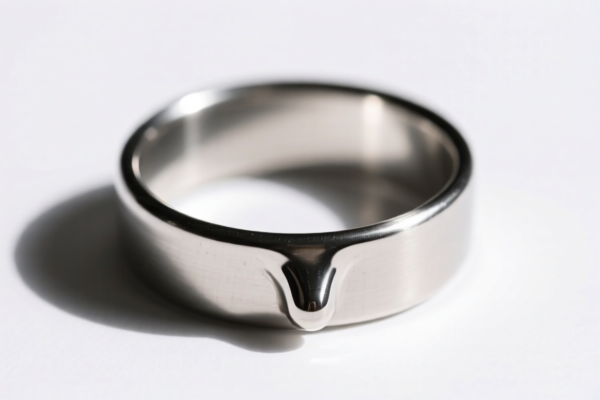
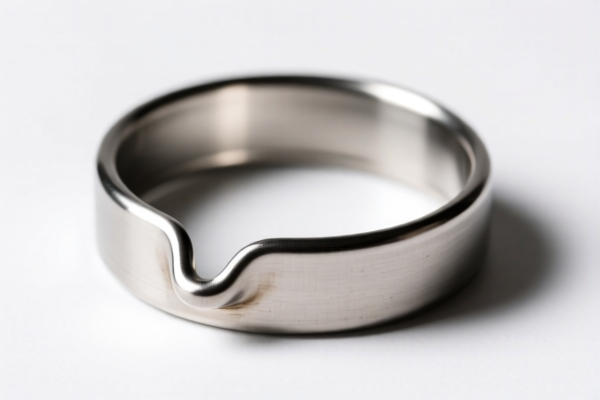
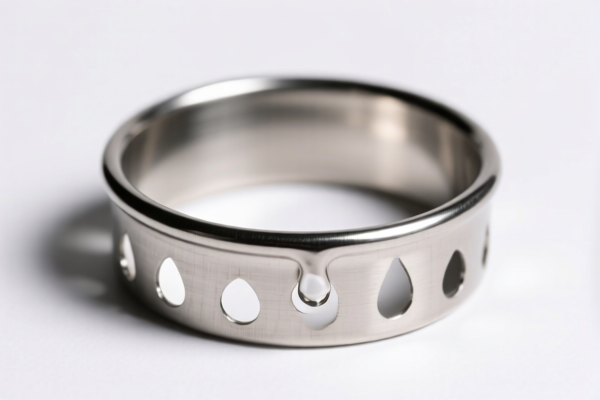
AI Analysis
💎 Drip Earrings (Enamel/Painted Drop Earrings)
🌐 HS Code Reference & Clearance Guide | 2026 Latest Tariff Analysis | Strategic Compliance for Jewelry Export
📌 I. Product Definition & Classification: Do You Really Understand "Drip Earrings"?
Drip Earrings (often referred to as Enamel or Painted Drop Earrings) are a popular category of fashion jewelry. In international trade, their classification heavily depends on material composition (precious vs. base metal) and intended use (jewelry vs. decorative accessory).
There is often confusion between classifying them as Imitation Jewelry (Base Metal/Non-Precious) versus Holiday/Novelty Items. This distinction drastically affects the total tax liability due to Section 301 (Trade War) tariffs and other surcharges.
⚠️ Key Distinction Point:
- If made of base metals, plastic, or non-precious materials and intended as fashion accessories → Often classified under 7117 (Imitation Jewelry).
- If explicitly marketed as festival decorations or non-wearable ornaments → May fall under 9505 (Festival Articles).
- If made of or plated with precious metals/stones → Falls under 7116 (Other Jewelry).
📦 II. HS Code Classification Matrix (2026 Latest Tariff Authority Mapping)
Based on the provided data, here are the 5 potential classifications for "Drip Earrings" with their corresponding tax implications.
| HS Code | Product Description | Applicable Scenario | Material/Use Inference |
|---|---|---|---|
7117.90.90.00 |
Imitation Jewelry, Other | Fashion earrings made of base metal, plastic, or mixed materials; "Drip" refers to enamel/paint finish. | ❌ Non-precious |
9505.90.60.00 |
Festival, Carnival, or Other Entertainment Articles | Earrings sold as party props, Halloween costumes, or decorative items rather than personal adornment. | ✅ Decorative/Novelty |
7116.20.05.00 |
Other Jewellery and Imitation Jewellery | Earrings inferred as semi-precious or gemstone-based制品 (e.g., resin with stones). | ⚠️ Semi-Precious |
7116.20.15.00 |
Precious or Base Metal Jewellery | Earrings considered "Precious Metal or Base Metal" jewelry; higher value tier. | ✅ Precious/Base Metal |
7117.90.90.00 |
Imitation Jewelry, Other (Uncertain Material) | Unspecified material earrings, defaulting to non-precious imitation jewelry. | ❌ Non-precious (Default) |
🔍 Critical Insight:
- The most common classification for standard fashion "drip" (enamel) earrings is 7117.90.90.00.
- HS Code9505.90.60.00offers the lowest tariff but requires strict evidence that the item is not worn as jewelry but as a novelty/decor.
- HS Codes7116imply higher value materials and attract significant surcharges if not correctly identified.
💰 III. 2026 Latest Tariff Rate Breakdown (Including Surcharges & Policy Add-ons)
✅ Applicable Country: United States (US)
✅ Country of Origin: China (CN)
✅ Effective Time: Post-2025 Trade Policy Adjustments
🎯 1. 7117.90.90.00 —— Imitation Jewelry (Most Common)
| Item | Content |
|---|---|
| Base Tariff | 11.0% (Ad Valorem) |
| Section 301 Surcharge | +7.5% (Standard Trade War Tariff) |
| Section 122 Tariff | +10.0% (Specific Provision Add-on) |
| Total Effective Tax Rate | 28.5% |
| Tax Calculation | CIF Value × 28.5% |
| De Minimis Eligibility | ❌ Not Eligible (Section 301 and Section 122 items are typically excluded from 80.01(a) de minimis relief) |
| Legal Basis Path | HTSUS:7117.90.90 → USITC:301.88 → FOOTNOTE:7117.90.90 → IEEPA:122 |
📌 Explanation:
- 11% Base: Standard MFN rate for imitation jewelry.
- 7.5% Section 301: Standard penalty on Chinese goods.
- 10% Section 122: A specific surcharge applied to certain jewelry/accessories.
- Total 28.5% is a significant cost driver. Many exporters try to avoid this by using alternative classifications if applicable.
🎯 2. 9505.90.60.00 —— Festival/Novelty Articles (Lowest Tax Strategy)
| Item | Content |
|---|---|
| Base Tariff | 0.0% |
| Section 301 Surcharge | 0.0% |
| Section 122 Tariff | +10.0% |
| Total Effective Tax Rate | 10.0% |
| Tax Calculation | CIF Value × 10.0% |
| De Minimis Eligibility | ❌ Not Eligible (Due to 122 Clause) |
| Legal Basis Path | HTSUS:9505.90.60 → IEEPA:122 |
📌 Crucial Warning:
- This classification yields the lowest total tax (10%).
- However, U.S. Customs and Border Protection (CBP) strictly scrutinizes this code. You must prove the item is NOT worn as jewelry (e.g., sold in party stores, labeled "Costume Accessory," not worn daily).
- Misclassification here can lead to penalties for fraud if the item is clearly wearable jewelry.
🎯 3. 7116.20.05.00 —— Other Jewelry (Semi-Precious/Gemstone Inference)
| Item | Content |
|---|---|
| Base Tariff | 3.3% |
| Section 301 Surcharge | 0.0% |
| Section 122 Tariff | +10.0% |
| Total Effective Tax Rate | 13.3% |
| Tax Calculation | CIF Value × 13.3% |
| Legal Basis Path | HTSUS:7116.20.05 → IEEPA:122 |
📌 Explanation:
- If the "drip" effect uses genuine semi-precious stones or resin with embedded gems, this may apply.
- Lower base rate (3.3%) but still subject to the 10% Section 122 surcharge.
🎯 4. 7116.20.15.00 —— Precious/Base Metal Jewelry (High-End)
| Item | Content |
|---|---|
| Base Tariff | 6.5% |
| Section 301 Surcharge | +7.5% |
| Section 122 Tariff | +10.0% |
| Total Effective Tax Rate | 24.0% |
| Tax Calculation | CIF Value × 24.0% |
| Legal Basis Path | HTSUS:7116.20.15 → USITC:301.88 → IEEPA:122 |
📌 Explanation:
- Applies if the earrings are plated with precious metals (gold/silver) or considered high-value base metal jewelry.
- Higher total tax (24.0%) due to Section 301 surcharge.
🛠️ IV. Clearance Practical Advice (Real-World Pitfall Avoidance)
✅ 1. Material Documentation Checklist (Non-Negotiable)
| Document | Must Provide | Reason |
|---|---|---|
| ✅ Material Composition Sheet | ✔️ | Specify % of base metal, enamel, plastic, stones. CBP will test this. |
| ✅ Product Photos | ✔️ | Show the "drip" effect. Is it paint? Enamel? Resin? |
| ✅ Intended Use Statement | ✔️ | Crucial for 9505 vs 7117. Is it for "Party Props" or "Daily Wear"? |
| ✅ Supplier Declaration | ✔️ | Confirm origin and manufacturing process. |
| ✅ Commercial Invoice | ✔️ | Must match HS Code description exactly. |
✅ 2. Classification Strategy & Risk Mitigation
| Scenario | Recommended HS Code | Risk Level | Notes |
|---|---|---|---|
| Standard Fashion Earrings (Base Metal + Enamel) | 7117.90.90.00 |
🟡 Medium | Standard practice. Tax 28.5%. Safe if materials are correctly declared. |
| Party/Costume Props (Sold in Party Store, Not "Jewelry") | 9505.90.60.00 |
🟠 High | Tax 10%. High audit risk. Must prove non-jewelry intent. |
| Semi-Precious Stones/Resin | 7116.20.05.00 |
🟡 Medium | Tax 13.3%. Requires proof of stone content. |
| Precious Metal Plating | 7116.20.15.00 |
🟢 Low | Tax 24.0%. Clear material definition needed. |
🔥 "Golden Rule" for Drip Earrings:
"If it’s worn daily, it’s 7117. If it’s for a party, it might be 9505. But if CBP disagrees, you pay the difference + penalties!"
✅ 3. Special Handling for Section 122 & 301
- Section 122 (10%): Applies to most of the above codes. It is a fixed surcharge not easily waivable.
- Section 301 (7.5% or 0%): Depends on the HS Code.
7117and7116.20.15are subject to 7.5%.9505and7116.20.05are NOT subject to Section 301 (based on provided data).- De Minimis (80.01(a)): Most jewelry items, especially those with Section 301 or 122 tariffs, are EXCLUDED from the $800 de minimis exemption. Plan for full customs entry and tax payment.
🌍 V. Global Market Comparison (2026 Outlook)
| Market | Recommended HS Code | Estimated Total Tax | Key Requirement |
|---|---|---|---|
| 🇺🇸 USA | 7117.90.90.00 |
28.5% | Material Declaration, No De Minimis |
| 🇺🇸 USA | 9505.90.60.00 |
10.0% | Proof of "Novelty/Non-Jewelry" Use |
| 🇨🇳 China | 7117.90.90.00 |
~5-8% | Standard Import Duties |
| 🇪🇺 EU | 7117.90.90 |
0-2.7% | CE Marking, REACH Compliance |
| 🇬🇧 UK | 7117.90.90 |
4.5% | Post-Brexit Rules of Origin |
📌 Conclusion:
- The USA remains the most expensive market for Chinese-made earrings due to Section 301 and Section 122.
- Strategy: For high-volume, low-cost drip earrings, consider if9505is legally defensible to save 18.5% in taxes. If not, factor the 28.5% into your pricing.
📌 VI. Common Mistakes & Pitfalls (Blood & Tears Lessons)
❌ Mistake 1: Calling "Drip Earrings" just "Jewelry" without material detail.
👉 Result: CBP assigns worst-case HS Code → 28.5% or higher.
❌ Mistake 2: Using 9505 for everyday wear earrings.
👉 Result: CBP audit → Back taxes + 50% penalty for misclassification.
❌ Mistake 3: Assuming De Minimis ($800) applies to jewelry.
👉 Result: Shipment detained. Jewelry is often excluded from de minimis when Section 301/122 tariffs apply.
❌ Mistake 4: Ignoring the "122 Clause".
👉 Result: Unexpected 10% surcharge on invoices. Always check for 122 applicability.
✅ Correct Approach:
"Enamel Drop Earrings, Base Metal, Fashion Jewelry, Model XYZ. Classified under HTS 7117.90.90.00. Subject to 11% Base + 7.5% Sec 301 + 10% Sec 122."
🎯 VII. Conclusion: Precision is Profit!
🎯 Remember the Tax Hierarchy for Drip Earrings:
🔹 Lowest Risk/Cost:
9505.90.60.00(10%) – Only if truly novelty/decor.
🔹 Highest Risk/Cost:7117.90.90.00(28.5%) – Standard fashion jewelry.
🔹 Middle Ground:7116.20.05.00(13.3%) – If semi-precious.
📌 Pro Tip:
If you are shipping under $800, verify if your HS Code is excluded from De Minimis. For jewelry with Section 122, it is likely excluded. Plan for formal entry.
📣 Immediate Action:
📞 Consult a Licensed Customs Broker for a Pre-Ruling on your specific "Drip Earrings" design.
🚀 Accurate HS Code = Accurate Costing = Happy Customers!
✨ Clearance starts with classification.
💼 Every percentage point of tax is money in your pocket.
Customer Reviews
About HS Code Classification
The Harmonized System (HS) is an internationally standardized nomenclature developed by the World Customs Organization (WCO) to classify traded products. Over 200 countries use the HS system as the basis for customs tariffs, trade statistics, and import/export regulations.
Each HS code follows a hierarchical structure:
- Chapter (2 digits) — Broad category of goods (e.g., Chapter 84: Machinery and Mechanical Appliances)
- Heading (4 digits) — More specific grouping within the chapter
- Subheading (6 digits) — Internationally standardized breakdown, used by all WCO member countries
- National subdivisions (8-10 digits) — Country-specific extensions for further classification, such as US HTSUS 10-digit codes
Correct HS code classification is essential for smooth customs clearance, accurate duty payment, and compliance with trade regulations. Misclassification can lead to customs delays, overpayment of duties, or penalties.
When importing from CN to US, the applicable tariff rates may include:
- Most-Favored-Nation (MFN) rate — The standard duty rate applied to WTO members
- General rate — Applied to countries without trade agreements
- Trade remedy duties — Additional tariffs such as Section 301 (anti-dumping), Section 232 (national security), or countervailing duties
The information provided on this page is for reference purposes only. For official classification, please consult with your local customs authority or a licensed customs broker.