Drip Irrigation System
CN → US| HS Code | Tariff Rate | Origin | Destination | Doc |
|---|---|---|---|---|
| 8424820020 | 37.4% | CN | US | Official Doc |
| 3917290090 | 38.1% | CN | US | Official Doc |
| 3917320050 | 38.1% | CN | US | Official Doc |
| 7326200030 | 88.9% | CN | US | Official Doc |
| 8424820020 | 37.4% | CN | US | Official Doc |
Product Images
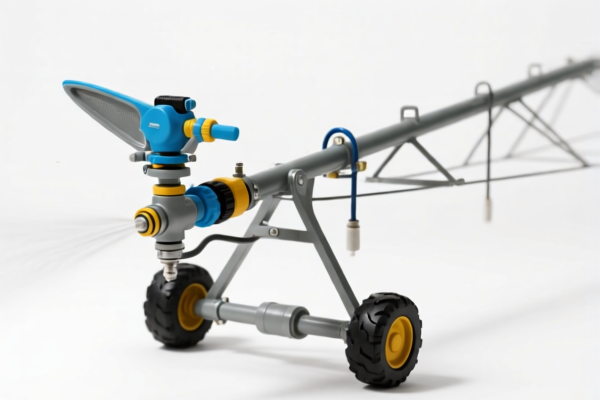
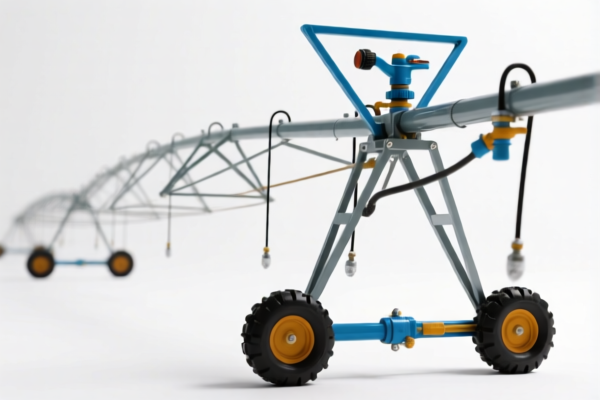
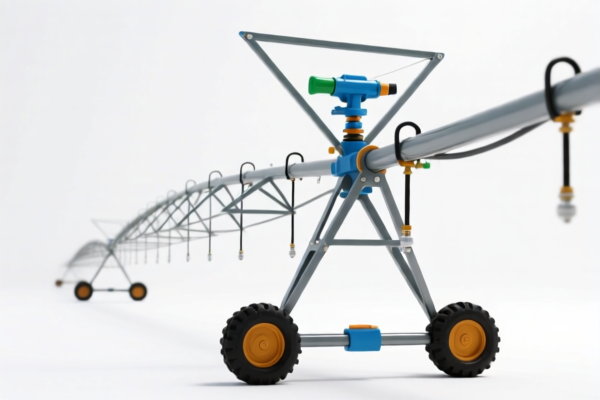

AI Analysis
🌿 Drip Irrigation Systems (Agricultural Fluid Dispensing Equipment)
🌐 HS Code Reference & Customs Clearance Guide | 2026 Latest Tariff Analysis | Professional Clearance Strategy
📌 I. Product Definition & Classification: Do You Really Understand "Drip Irrigation"?
Drip irrigation systems are precision agricultural tools designed to deliver water directly to plant roots, minimizing waste. In international trade, they are classified based on their primary function (fluid dispensing), material composition (plastics, metals), and assembly status (complete kits vs. components).
The classification logic hinges on whether the item is viewed as a machine/apparatus (Chapter 84) or a material/product (Chapter 39 or 73).
⚠️ Key Distinction Points:
- If the system is primarily defined by its mechanical function of dispensing liquid (even if made of plastic pipes/hoses) → It may fall under 8424 (Mechanical appliances for projecting, dispersing or spraying liquids).
- If the item is sold primarily as plastic tubing or hoses without complex mechanical dispensing headers → It falls under 3917 (Plastics and articles thereof).
- If the item is primarily metal fittings/nozzles (steel/aluminum) used for connection or fixed points → It falls under 7326 (Other articles of iron or steel) or similar metal chapters.
📦 II. HS Code Classification Details (2026 Latest Tariff Authority Comparison)
Based on the provided data, here are the precise classifications for Drip Irrigation Systems:
| HS Code | Product Description | Application Scenario | Key Classification Logic |
|---|---|---|---|
8424.82.00.20 |
Irrigation Systems / Drip Nozzles (Mechanical) | Complete systems or nozzles where the function is spraying/dispersing liquid, regardless of material conflict. | Primary Function: Fluid dispensing. Classified as "Other mechanical appliances." |
3917.29.00.90 |
Irrigation Systems (Plastic Components) | Core components containing plastic pipes/tubes, categorized as "Other" plastics articles. | Material Focus: Plastic tubing. Classified under plastics articles, no material conflict. |
3917.32.00.50 |
Irrigation Systems (Plastic Hoses/Pipes) | Forms including plastic pipes and flexible hoses. Material is predominantly plastic. | Form & Material: Plastic pipes/hoses. Logical classification based on plastic material. |
7326.20.00.30 |
Drip Nozzles / Stakes (Metal) | Metal drip nozzles or stakes used for fixing/connecting. Material is Steel/Aluminum/Copper. | Material Focus: Metal articles (Steel/Aluminum). Used for fixation/connection, consistent with irrigation stakes. |
🔍 Important Reminder:
-8424.82.00.20is often the safest bet for complete drip irrigation kits because it captures the function (dispensing liquid) which overrides simple material classification.
-3917.xxxxcodes are typically for bundles of pipes/hoses sold separately, not necessarily complex mechanical nozzles.
-7326.20.00.30is for metal parts (like nozzles or stakes). Note the significantly higher tax rate due to steel/aluminum restrictions.
💰 III. 2026 Latest Tariff Rate Breakdown (Including Surtaxes & Policy Add-ons)
✅ Applicable Country: United States (US)
✅ Country of Origin: China (CN)
✅ Effective Date: Current (including imports post-2025 policies)
🎯 1. 8424.82.00.20 —— Irrigation Systems / Drip Nozzles (Functional Classification)
| Item | Content |
|---|---|
| Base Tariff | 2.4% |
| Section 301 Surcharge | +25.0% |
| Section 122 Surcharge | +10.0% |
| Total Tax Rate | 37.4% |
| Tax Calculation | CIF Value × 37.4% |
| De Minimis Eligibility | ❌ Not Eligible (High tariff rates typically exclude low-value shipments from de minimis exemptions in practical clearance scenarios for Chinese origin) |
| Legal Basis Path | Base: 8424 → Section 301: 25% → Section 122: 10% |
📌 Explanation:
- This is the most common classification for complete drip irrigation kits because it focuses on the device's purpose.
- The 37.4% rate is high but often lower than metal counterparts.
- Section 301 (25%) is the standard US-China trade war tariff.
- Section 122 (10%) adds an additional layer for specific agricultural/industrial inputs depending on current enforcement.
🎯 2. 3917.29.00.90 & 3917.32.00.50 —— Plastic Pipes & Hoses
| Item | Content |
|---|---|
| Base Tariff | 3.1% |
| Section 301 Surcharge | +25.0% |
| Section 122 Surcharge | +10.0% |
| Total Tax Rate | 38.1% |
| Tax Calculation | CIF Value × 38.1% |
| De Minimis Eligibility | ❌ Not Eligible |
| Legal Basis Path | Base: 3917 → Section 301: 25% → Section 122: 10% |
📌 Note:
- If you declare only plastic pipes (without nozzles/machines), the base rate is slightly higher (3.1% vs 2.4%), but the surcharges are the same, resulting in a slightly higher total (38.1%).
- This applies to all plastic tubing used in irrigation.
🎯 3. 7326.20.00.30 —— Metal Nozzles / Stakes (Steel/Aluminum)
| Item | Content |
|---|---|
| Base Tariff | 3.9% |
| Section 301 Surcharge | +25.0% |
| Section 122 Surcharge | +10.0% |
| Steel/Aluminum Surcharge | +50.0% (Specific to Steel, Aluminum, Copper products) |
| Total Tax Rate | 88.9% |
| Tax Calculation | CIF Value × 88.9% |
| De Minimis Eligibility | ❌ Not Eligible |
| Legal Basis Path | Base: 7326 → Section 301: 25% → Section 122: 10% → Steel/Aluminum: 50% |
📌 Critical Warning:
- This HS code triggers an additional 50% tariff specifically for Steel, Aluminum, and Copper products.
- Total rate of 88.9% is extremely high.
- Strategy: Avoid classifying complete systems under this code. Only use it for purely metal small parts (e.g., a box of 1000 metal stakes) if unavoidable, but be aware of the cost impact.
🛠️ IV. Customs Clearance Practical Advice (Real-World Pitfall Prevention)
✅ 1. Documentation Checklist (Non-negotiable)
| Document | Required? | Description |
|---|---|---|
| ✅ Product Specification Sheet | ✔️ | Must detail: System type (drip/sprinkler), flow rate, pressure rating, material composition (% plastic vs % metal). |
| ✅ Photos | ✔️ | Clear images of the nozzles (to prove function), pipes (to prove material), and packaging (complete kit vs. parts). |
| ✅ Commercial Invoice | ✔️ | Must clearly state "Drip Irrigation System" or "Plastic Irrigation Pipes" based on HS code selected. Avoid vague terms like "Agricultural Supplies." |
| ✅ Packing List | ✔️ | Itemize components if it's a kit. If claiming 8424, show the system is ready for use. If claiming 3917, emphasize pipe rolls. |
| ✅ Certificate of Origin | ✔️ | Essential for proving China origin to apply correct Section 301/122 tariffs. |
✅ 2. Declaration Tips (Key Mantras)
🔥 "Function First, Material Second, Avoid Steel if Possible!"
| Scenario | Correct Declaration | Wrong Approach |
|---|---|---|
| Complete Drip Kit (Pipes + Nozzles + Filters) | 8424.82.00.20 (Irrigation System) |
Splitting into pipes (3917) and nozzles (7326) → Higher total tax & complexity. |
| Only Plastic Pipes/Hoses | 3917.32.00.50 |
Declaring as "Machine" (8424) → Customs may reject due to lack of mechanical function. |
| Metal Nozzles Only | 7326.20.00.30 (Expect 88.9% tax) |
Declaring as "Plastic" (3917) → Customs will find metal content, reclassify, and penalize. |
| Mixed Kit with Metal Stakes | 8424.82.00.20 (Primary function is irrigation) |
Classifying stakes separately as 7326 → Unnecessary 88.9% hit on small value items. |
✅ 3. Special Handling Scenarios
| Scenario | Handling Advice |
|---|---|
| OEM Private Label | Provide brand authorization and design specs. Ensure "Made in China" is clearly marked to avoid country-of-origin disputes. |
| Partial Metal Content | If the system is 90% plastic but has 10% metal nozzles, still use 8424. The primary function is fluid dispensing, not metal manufacturing. |
| Kit vs. Bulk | If shipping a complete system in one box, declare as 8424. If shipping rolls of pipes and boxes of nozzles separately, declare separately (3917 and 7326/8424). |
🌍 V. Global Market Comparison (2026 Latest)
| Country/Region | Recommended HS Code | Tariff (China Origin) | Certification Requirements | Notes |
|---|---|---|---|---|
| 🇺🇸 USA | 8424.82.00.20 |
37.4% | No specific FCC/UL needed for simple irrigation | Avoid 7326 due to 88.9% rate. |
| 🇨🇳 China | 8424.82.00.20 |
5-7% | CCC (if applicable) | Low import duties for domestic resale. |
| 🇪🇺 EU | 8424.30.00 (Similar) |
0-4% | CE (if mechanical), RoHS | Lower base tariffs, no Section 301/122. |
| 🇦🇺 Australia | 8424.82.00.20 |
5% | ATEX (if explosive environment) | Generally low tariffs. |
| 🇯🇵 Japan | 8424.82.00.20 |
3.9% | JIS Standards | Moderate tariffs. |
📌 Conclusion:
- USA is the most expensive market due to Section 301 and 122 surcharges.
- Strategy for USA: Prioritize8424.82.00.20for complete systems. It offers the best balance of functional accuracy and tax rate (37.4%) compared to metal classifications (88.9%) or plastic-only classifications (38.1%).
📌 VI. Common Mistakes & Pitfall Guide (Blood & Tears Lessons)
❌ Mistake 1: Classifying a complete kit with metal nozzles as 7326.20.00.30.
👉 Consequence: You pay 88.9% tax on the entire kit value.
Correction: Classify as 8424.82.00.20 (37.4%) if the primary purpose is irrigation.
❌ Mistake 2: Declaring plastic pipes as "Machinery" (8424) when they are just rolls of tubing.
👉 Consequence: Customs may reject the declaration for lacking mechanical dispensing function, or reclassify to 3917 (38.1%).
Correction: If no nozzles/filters/headers are included, use 3917.
❌ Mistake 3: Ignoring Section 122 (10%) surcharge.
👉 Consequence: Underpayment of duties, leading to penalties and delays.
Correction: Always calculate Base + 301 + 122.
❌ Mistake 4: Vague descriptions like "Garden Parts."
👉 Consequence: Customs will assign a random HS code, potentially triggering higher scrutiny or incorrect tariffs.
Correction: Use specific terms: "Drip Irrigation System, Plastic Pipes, 100m Roll."
✅ Correct Declaration Example:
"Complete Drip Irrigation System, Model XYZ, includes 500m plastic tubing, 1000 drip nozzles, and filters. Designed for agricultural use. HS Code: 8424.82.00.20"
🎯 VII. Conclusion: Precise Classification Saves Thousands!
🎯 Remember the Mantra:
🔹 "Function First (
8424), Material Second (3917), Avoid Metal (7326)!"
🔹 "37.4% is the Sweet Spot; 88.9% is the Pit!"
🔹 "Complete Kit =8424. Pipes Only =3917. Pure Metal =7326(with Pain)!"
📌 Pro Tip:
If your system uses non-chinese origin metal parts (e.g., US-made nozzles) but Chinese pipes, consult a customs broker for Partial Preferential Treatment. However, for most complete kits made in China, 8424.82.00.20 is your best shield against the 88.9% metal tax.
📣 Immediate Action:
📞 Contact a Licensed Customs Broker + Provide Product Photos + Request HS Code Pre-Ruling for high-volume shipments.
🚀 Protect Your Margins: A 50% difference in tax (37.4% vs 88.9%) can make or break your export profit!
✨ Professional Clearance Starts with Accurate Classification!
💼 Every Cent of Tax is Money You Earned — Don't Let Customs Take It!
Customer Reviews
About HS Code Classification
The Harmonized System (HS) is an internationally standardized nomenclature developed by the World Customs Organization (WCO) to classify traded products. Over 200 countries use the HS system as the basis for customs tariffs, trade statistics, and import/export regulations.
Each HS code follows a hierarchical structure:
- Chapter (2 digits) — Broad category of goods (e.g., Chapter 84: Machinery and Mechanical Appliances)
- Heading (4 digits) — More specific grouping within the chapter
- Subheading (6 digits) — Internationally standardized breakdown, used by all WCO member countries
- National subdivisions (8-10 digits) — Country-specific extensions for further classification, such as US HTSUS 10-digit codes
Correct HS code classification is essential for smooth customs clearance, accurate duty payment, and compliance with trade regulations. Misclassification can lead to customs delays, overpayment of duties, or penalties.
When importing from CN to US, the applicable tariff rates may include:
- Most-Favored-Nation (MFN) rate — The standard duty rate applied to WTO members
- General rate — Applied to countries without trade agreements
- Trade remedy duties — Additional tariffs such as Section 301 (anti-dumping), Section 232 (national security), or countervailing duties
The information provided on this page is for reference purposes only. For official classification, please consult with your local customs authority or a licensed customs broker.