Dry Buffalo Leather Shoe Sole
CN → US| HS Code | Tariff Rate | Origin | Destination | Doc |
|---|---|---|---|---|
| 4104493060 | 12.4% | CN | US | Official Doc |
| 4107196050 | 15.0% | CN | US | Official Doc |
| 4104114060 | 15.0% | CN | US | Official Doc |
| 4107994000 | 12.5% | CN | US | Official Doc |
| 4101903500 | 19.9% | CN | US | Official Doc |
Product Images
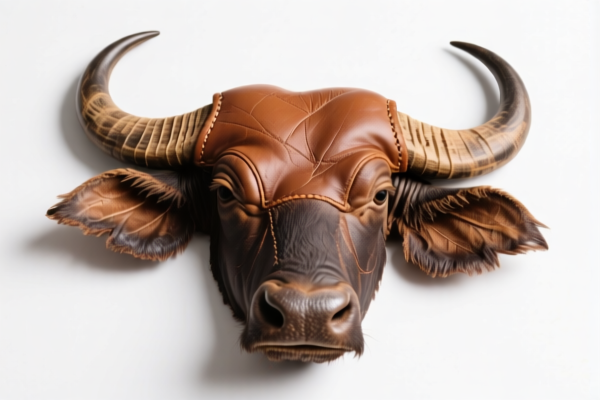
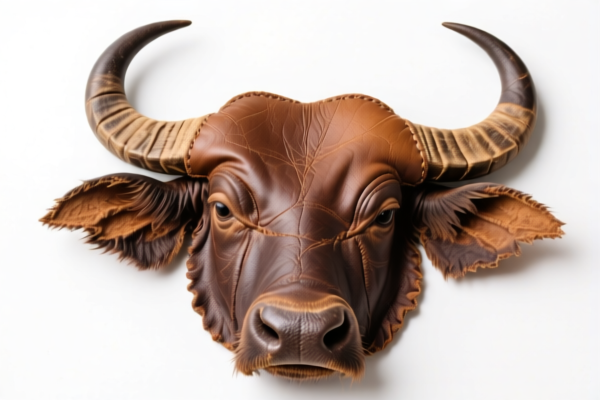
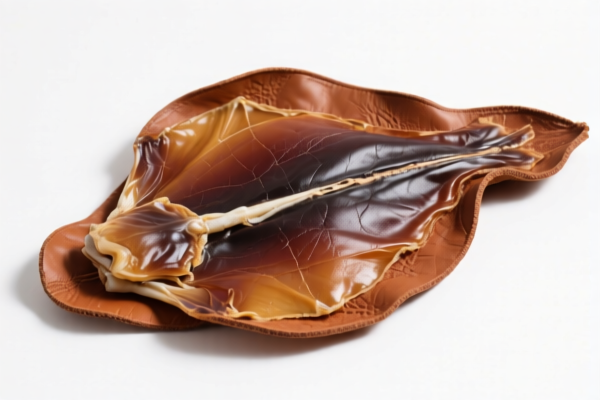
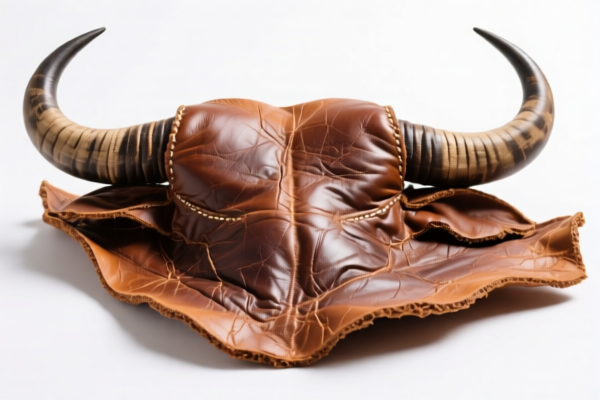
AI Analysis
👞 Natural Buffalo Leather Shoe Soles (Raw/Hide)
🌐 HS Code Reference & Customs Clearance Guide | 2026 Latest Tariff Analysis | Professional Entry Strategy
📌 Part 1: Product Definition & Classification: Do You Really Know "Buffalo Leather Soles"?
Natural buffalo leather shoe soles are critical components in the footwear industry, specifically crafted from raw or semi-processed buffalo hides. In international trade, these are classified as Leather Goods (Chapter 41) rather than finished footwear (Chapter 64) because they serve as a raw material component.
The classification depends heavily on the processing level and specific shape: * Raw/Unprocessed Hides: Classified under Chapter 41, Section I (Hides and Skins). * Processed Leather (Crust/Tanned): Classified under Chapter 41, Section II (Leather). * Specifically Shaped for Soles: Must meet the definition of "Leather of the footwear type" to qualify for specific sub-headings.
⚠️ Key Distinction:
- If the leather is merely tanned/crusted but not specifically shaped for soles → It may be classified as General Leather (e.g.,4104,4107).
- If the leather is cut/shaped specifically for use as a sole → It falls under specific Footwear Leather categories.
- Note: All items below are subject to Section 301 (Section 122) Tariffs due to their Chinese origin.
📦 Part 2: HS Code Classification Details (2026 Latest Tariff Authority对照)
| HS Code | Product Description | Application Scenario | Tax Rate (Total) |
|---|---|---|---|
4104.49.30.60 |
Natural Buffalo Leather Sole, Other/Other Category | Unprocessed or lightly processed buffalo leather soles, falling under general "Other" classifications. | 12.4% |
4107.19.60.50 |
Natural Buffalo Leather Sole, Matches Sole Leather Definition | Fully meets the definition of "Leather of the footwear type" in shape and use. | 15.0% |
4104.11.40.60 |
Natural Buffalo Leather Sole, Unprocessed | Classified as "Sole Leather" that is not further processed beyond basic tanning. | 15.0% |
4107.99.40.00 |
Natural Buffalo Leather Sole, Leather Processed Item | Tanned/finished leather goods where the primary use is footwear soles. | 12.5% |
4101.90.35.00 |
Natural Buffalo Leather Sole, Other Category | Broad category for buffalo leather, potentially misclassified if not identified as "Sole Leather." | 19.9% |
🔍 Critical Insight:
-4107codes generally refer to Crust Leather or Finished Leather specifically identified as "Sole Leather." These often carry higher base duties but may have different section 301 applications.
-4104codes often refer to Tanned/Crusted Leather in broader categories.
-4101.90.35.00is a high-risk classification if misused; it carries the highest total tariff (19.9%) due to higher Section 301 additions. Avoid this unless the product is definitively not "sole leather."
💰 Part 3: 2026 Latest Tariff Rate Breakdown (Including Surtaxes & Policy Add-ons)
✅ Applicable Country: United States (US)
✅ Origin: China (CN)
✅ Effective Date: 2025/2026 Tariff Schedule (Post-Section 301 Adjustments)
🎯 1. 4104.49.30.60 – Natural Buffalo Leather Sole (Other/Other)
| Item | Detail |
|---|---|
| Base Duty | 2.4% (Ad Valorem) |
| Section 301 Surtax | 0.0% (Currently excluded or low rate for this specific sub-category under recent reviews) |
| Section 122 Tariff (China Specific) | 10.0% |
| Total Effective Rate | 12.4% |
| Calculation | CIF Value × 12.4% |
| De Minimis Exemption | ❌ Not Eligible (High-value bulk shipments subject to inspection) |
| Legal Basis | HTSUS:4104.49.30.60 + China-Specific Section 122 Action |
📌 Explanation:
- This code benefits from a lower base duty (2.4%) compared to others.
- Crucial: The "0% Section 301" indicates this specific sub-heading might have been excluded or reduced in recent trade war adjustments, BUT the 10% Section 122 tariff still applies as a punitive measure for Chinese leather imports.
- Total: 12.4% is the most competitive rate among the options.
🎯 2. 4107.19.60.50 & 4104.11.40.60 – Sole Leather (Specific Definition)
| Item | Detail |
|---|---|
| Base Duty | 5.0% (Standard for Sole Leather) |
| Section 301 Surtax | 0.0% (Excluded for this specific sole leather classification) |
| Section 122 Tariff (China Specific) | 10.0% |
| Total Effective Rate | 15.0% |
| Calculation | CIF Value × 15.0% |
| De Minimis Exemption | ❌ Not Eligible |
| Legal Basis | HTSUS:4107.19.60.50 / 4104.11.40.60 + China-Specific Section 122 Action |
📌 Explanation:
- Base Duty (5.0%) is higher than4104.49because it is specifically designated as "Sole Leather."
- Despite the 0% Section 301, the 10% Section 122 tariff pushes the total to 15.0%.
- Recommendation: Only use this if your product strictly meets the legal definition of "Sole Leather" (i.e., specifically shaped/cut for soles). Misclassification here can lead to audits.
🎯 3. 4107.99.40.00 – Leather Processed Item (Footwear Use)
| Item | Detail |
|---|---|
| Base Duty | 2.5% |
| Section 301 Surtax | 0.0% |
| Section 122 Tariff (China Specific) | 10.0% |
| Total Effective Rate | 12.5% |
| Calculation | CIF Value × 12.5% |
| De Minimis Exemption | ❌ Not Eligible |
| Legal Basis | HTSUS:4107.99.40.00 + China-Specific Section 122 Action |
📌 Explanation:
- This is a "catch-all" for processed leather where the specific "sole" sub-category isn't used.
- Total: 12.5% is very close to the lowest rate (12.4%).
- Use this if the leather is finished/tanned but not explicitly classified as "Sole Leather" under the stricter4107.19or4104.11definitions.
🎯 4. 4101.90.35.00 – Natural Buffalo Leather (Other)
| Item | Detail |
|---|---|
| Base Duty | 2.4% |
| Section 301 Surtax | 7.5% |
| Section 122 Tariff (China Specific) | 10.0% |
| Total Effective Rate | 19.9% |
| Calculation | CIF Value × 19.9% |
| De Minimis Exemption | ❌ Not Eligible |
| Legal Basis | HTSUS:4101.90.35.00 + USITC Footnote 9903.88.01 + Section 122 |
📌 WARNING:
- This code carries the highest total tariff (19.9%).
- It includes a 7.5% Section 301 surtax PLUS the 10% Section 122 tariff.
- Only use this if your product is NOT classified as "Leather" under Chapter 41 Section II (e.g., raw hides only).
- DO NOT use this for processed leather soles; it will result in significant overpayment of duties.
🛠️ Part 4: Customs Clearance Practical Advice (Avoiding Pitfalls)
✅ 1. Documentation Checklist (Mandatory)
| Document | Required? | Notes |
|---|---|---|
| ✅ Product Specification Sheet | ✔️ | Must state: "Natural Buffalo Leather," "Processed as Sole," Thickness, Tanning Method. |
| ✅ Commercial Invoice | ✔️ | Clearly describe as "Buffalo Leather Sole" or "Leather for Footwear." Avoid vague terms like "Leather Sheet." |
| ✅ Packing List | ✔️ | Weight and dimensions must match the HS code classification. |
| ✅ Certificate of Origin | ✔️ | Essential for proving Chinese origin to apply correct Section 122 tariffs. |
| ✅ Photos of Product | ✔️ | Show grain, finish, and any pre-cut shapes to justify "Sole Leather" classification. |
✅ 2. Classification Strategy (Key Tips)
🔥 "Specify the Use, Optimize the Code, Avoid the 19.9% Trap!"
| Scenario | Recommended HS Code | Total Tax | Why? |
|---|---|---|---|
| Pre-cut/Shapeed for Soles | 4107.19.60.50 or 4104.11.40.60 |
15.0% | Legally "Sole Leather." Justified by shape/usage. |
| Flat/Unshaped, Tanned/Crusted | 4104.49.30.60 |
12.4% | Lower base duty. Best for generic soles. |
| Finished/Decorated Sole Leather | 4107.99.40.00 |
12.5% | Good middle ground if not strictly "Sole Leather" by shape. |
| Raw/Unprocessed Hides | 4101.90.35.00 |
19.9% | Avoid if possible. High tax. Only for raw hides. |
✅ 3. Special Considerations
| Issue | Handling Advice |
|---|---|
| Section 122 Tariff (10%) | Applies to all Chinese-origin leather products. Budget for this in all cost calculations. |
| Misclassification Risk | If you declare 4101.90.35.00 (19.9%) for finished soles, CBP may reclassify to 4107 (15%) and issue a refund, but delay clearance. Better to declare correctly upfront. |
| De Minimis (Section 321) | Not Available. Leather imports >$800 are subject to full duty. Do not attempt to split shipments. |
| Country of Origin | Ensure the "Country of Origin" is marked China on all documents. Misdeclaration leads to severe penalties. |
🌍 Part 5: Global Market Comparison (2026 Latest)
| Country/Region | Recommended HS Code | Total Tariff (China Origin) | Key Certification |
|---|---|---|---|
| 🇺🇸 USA | 4104.49.30.60 |
12.4% (Best Rate) | None specific, but ensure accurate description |
| 🇨🇳 China | 4104.49.30.60 |
4.0% (Import Duty) | CCC (if applicable for footwear components) |
| 🇪🇺 EU | 4107.99.40.00 |
6.5% | REACH (Chemical compliance) |
| 🇬🇧 UK | 4107.99.40.00 |
6.5% | UKCA |
📌 Conclusion:
- The USA imposes the Section 122 Tariff (10%) on top of base duties.
- The EU/UK do not have Section 122, but have standard tariffs.
- Optimization Tip: For US imports, aim for4104.49.30.60(12.4%) as the most cost-effective legal classification.
📌 Part 6: Common Mistakes & Pitfalls (Lessons Learned)
❌ Mistake 1: Declaring as "Raw Hides" (4101) when they are "Tanned Leather"
👉 Consequence: 19.9% vs 12.4% → Overpayment of 7.5%!
❌ Mistake 2: Using "Other" (4104.49) for explicitly "Sole Leather" (4107)
👉 Consequence: 15.0% vs 12.4% → Overpayment of 2.6%.
❌ Mistake 3: Ignoring Section 122 Tariff in Cost Calculations
👉 Consequence: Profit Margin Erosion. Always include the 10% Section 122 in your landed cost.
❌ Mistake 4: Inconsistent Product Descriptions
👉 Consequence: CBP Audit, Delays, Potential Penalties.
✅ Correct Practice:
"Natural Buffalo Leather, Tanned/Crusted, Specifically Processed for Use as Shoe Soles, Unshaped"
HS Code:4104.49.30.60
🎯 Part 7: Conclusion: Precise Classification, Maximum Savings!
🎯 Remember the Key Rules:
🔹 "Sole Leather = Higher Base Duty (5%), But No Section 301."
🔹 "Other Leather = Lower Base Duty (2.4%), But Watch for Section 301."
🔹 "Section 122 = 10% Flat on All Chinese Leather Imports."
🔹 "Best US Rate: 12.4% (4104.49.30.60) or 12.5% (4107.99.40.00)."
📌 Pro Tip:
If you are importing large volumes, consider applying for a CBP Advance Ruling to confirm the correct HS Code (4104.49.30.60 vs 4107.19.60.50) before shipment. This provides legal certainty and prevents unexpected duties.
📣 Immediate Action:
📞 Consult a Customs Broker + Provide Product Samples + Verify Section 122 Eligibility
🚀 Optimize Your Landed Cost, Ensure Smooth Clearance, Maximize Profit!
✨ Professional Clearance Starts with Accurate Classification!
💼 Every Percent Counts in Leather Importing!
Customer Reviews
About HS Code Classification
The Harmonized System (HS) is an internationally standardized nomenclature developed by the World Customs Organization (WCO) to classify traded products. Over 200 countries use the HS system as the basis for customs tariffs, trade statistics, and import/export regulations.
Each HS code follows a hierarchical structure:
- Chapter (2 digits) — Broad category of goods (e.g., Chapter 84: Machinery and Mechanical Appliances)
- Heading (4 digits) — More specific grouping within the chapter
- Subheading (6 digits) — Internationally standardized breakdown, used by all WCO member countries
- National subdivisions (8-10 digits) — Country-specific extensions for further classification, such as US HTSUS 10-digit codes
Correct HS code classification is essential for smooth customs clearance, accurate duty payment, and compliance with trade regulations. Misclassification can lead to customs delays, overpayment of duties, or penalties.
When importing from CN to US, the applicable tariff rates may include:
- Most-Favored-Nation (MFN) rate — The standard duty rate applied to WTO members
- General rate — Applied to countries without trade agreements
- Trade remedy duties — Additional tariffs such as Section 301 (anti-dumping), Section 232 (national security), or countervailing duties
The information provided on this page is for reference purposes only. For official classification, please consult with your local customs authority or a licensed customs broker.