Dry Buffalo Leather for Furniture
CN → US| HS Code | Tariff Rate | Origin | Destination | Doc |
|---|---|---|---|---|
| 4104413060 | 12.4% | CN | US | Official Doc |
| 4101203500 | 19.9% | CN | US | Official Doc |
| 4104113010 | 12.4% | CN | US | Official Doc |
| 4101503500 | 19.9% | CN | US | Official Doc |
| 4107915000 | 12.8% | CN | US | Official Doc |
Product Images
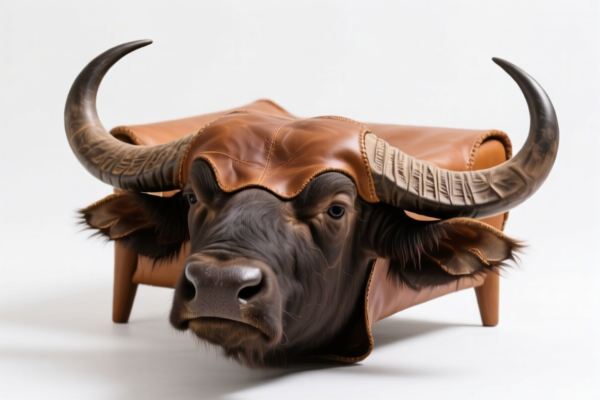
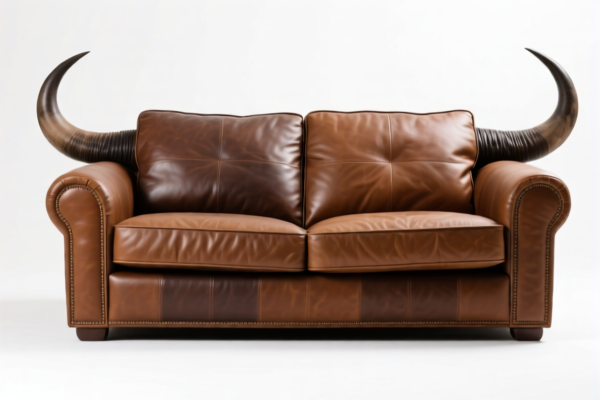
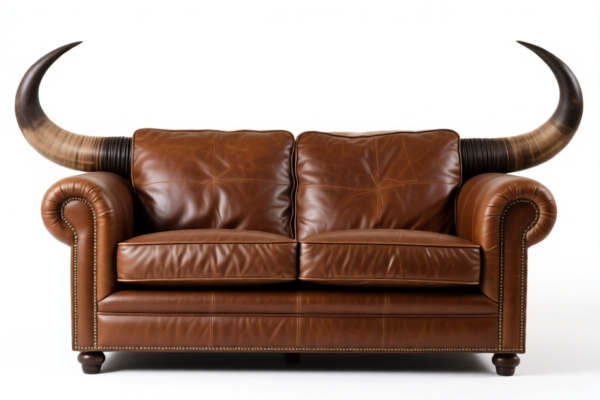
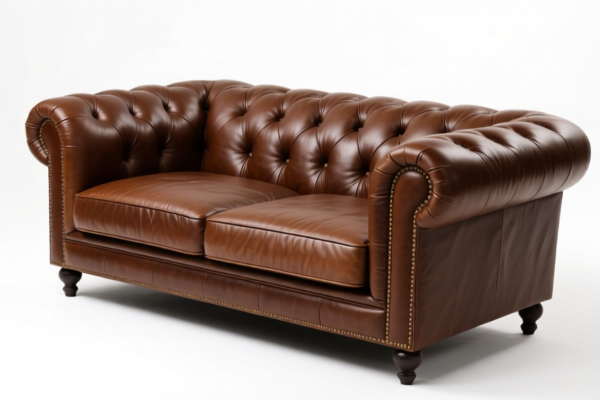
AI Analysis
🐃 Dry Buffalo Leather for Furniture
🌐 HS Code Reference & Clearance Guide | 2026 Latest Tariff Analysis | Professional Customs Strategy
📌 I. Product Definition & Classification: What Exactly is "Dry Buffalo Leather"?
"Dry Buffalo Leather for Furniture" refers to cattle hides (specifically from water buffaloes) intended for upholstery, sofas, and furniture manufacturing. In international trade, the classification hinges on the state of processing (Tanned vs. Untanned) and the physical form (Whole Skin vs. Cut).
Since the input specifies "Leather" (皮革), it implies the material has undergone some form of chemical or physical treatment to become stable and durable, distinguishing it from raw "Hides" (原皮). However, customs authorities strictly differentiate between Class II Hides (Untanned/Treated merely for preservation) and Class VI Leather (Fully Tanned, dyed, or processed for final use).
⚠️ Key Distinction Point:
- If the product is Raw/Untanned (only salted or dried for preservation): It is classified as Cattle Hides (HS 4101 series).
- If the product is Fully Tanned/Finished (ready for upholstery): It is classified as Cattle Leather (HS 4104 series).
- Usage Note: The fact that it is "for furniture" does not change the HS code if the leather is not specially processed specifically for automotive or specific industrial paving (like horsehair carpet base). It generally falls under general leather categories.
📦 II. HS Code Classification Details (2026 Latest Tariff Authority Comparison)
Based on the provided data, there are two distinct paths depending on whether the leather is considered Raw Hide (Untanned) or Finished Leather.
| HS Code | Product Description | Processing State | Applicable Scenario |
|---|---|---|---|
4101.20.35.00 |
Whole Water Buffalo Hides | Untanned / Raw | Raw skins, salted or dried, not yet tanned. Even if labeled "for furniture," if not chemically tanned, it is a raw material. |
4101.50.35.00 |
Whole Water Buffalo Hides | Untanned / Raw | Same as above; applies to different weight/thickness specifications within the raw hide category. |
4104.41.30.60 |
Cattle Leather (Buffalo) | Tanned / Finished | Fully processed leather. "Other" category in the tanned leather chapter. Suitable for upholstery where the tanning is complete. |
4104.11.30.10 |
Cattle Leather (Buffalo) | Tanned / Finished | Specific sub-category for tanned leather. Matches "Buffalo" material and "Whole" form. |
4107.91.50.00 |
Lining Leather / Other Tanned Leather | Tanned / Finished | If the leather is specifically processed for lining or specific paving applications not covered by general upholstery codes. |
🔍 Critical Analysis:
- Raw vs. Tanned: The biggest risk is misclassifying Raw Hides (4101) as Tanned Leather (4104).
- Why4101has higher taxes in this dataset?: Although4101codes show a higher total tax rate (19.9%) in the provided data, this is due to specific Section 301 / 122 Tariffs applied to raw animal products from specific origins.
- Why4104has lower taxes?: Tanned leather (4104) often benefits from lower base duties or different tariff exemptions, resulting in a lower total tax (12.4% or 12.8%) despite potentially similar base rates.
💰 III. 2026 Latest Tariff Rate Breakdown (Detailed Tax Clauses)
✅ Applicable Country: United States (US)
✅ Origin: China (CN) (Assumed based on "122 Clause" and typical trade context)
✅ Effective Date: Current 2026 Tariff Schedule
🎯 1. HS Code 4104.41.30.60 – Finished Buffalo Leather (Tanned)
| Item | Details |
|---|---|
| Base Duty | 2.4% (ad valorem) |
| Section 301 / Additional Tariff | 0.0% |
| Section 122 Tariff | 10.0% (Specific penalty tariff on certain leather products) |
| Total Effective Tax Rate | 12.4% |
| Tax Calculation | CIF Value × 12.4% |
| De Minimis Exemption | ❌ Not Available (Leather goods are generally excluded from de minimis benefits under current US rules) |
| Legal Basis Path | HTS:4104.41.30.60 → Section 301 Exclusion List Check → Section 122 Statutory Requirement |
📌 Explanation:
- The 122 Clause refers to specific statutory provisions (often related to labor or trade remedy investigations) that impose a flat or high percentage tariff on certain animal product imports regardless of the base rate.
- The Total Tax of 12.4% is significantly lower than the raw hide options because it avoids the heavier Section 301 surcharges that often apply to raw agricultural/animal products.
🎯 2. HS Code 4101.20.35.00 – Raw Water Buffalo Hides
| Item | Details |
|---|---|
| Base Duty | 2.4% (ad valorem) |
| Section 301 / Additional Tariff | 7.5% (High surcharge on raw animal skins) |
| Section 122 Tariff | 10.0% |
| Total Effective Tax Rate | 19.9% |
| Tax Calculation | CIF Value × 19.9% |
| De Minimis Exemption | ❌ Not Available |
| Legal Basis Path | HTS:4101.20.35.00 → Section 301 Footnote 9903.88.01 → Section 122 Statutory Requirement |
📌 Warning:
- This classification carries a 7.5% Section 301 surcharge on top of the base and 122 tariffs.
- Reason: Raw hides are often scrutinized more heavily for agricultural import controls and labor compliance.
- Result: Importers should avoid4101if the leather is actually tanned/finished, to save 7.5%.
🎯 3. HS Code 4107.91.50.00 – Special Purpose Tanned Leather
| Item | Details |
|---|---|
| Base Duty | 2.8% (ad valorem) |
| Section 301 / Additional Tariff | 0.0% |
| Section 122 Tariff | 10.0% |
| Total Effective Tax Rate | 12.8% |
| Tax Calculation | CIF Value × 12.8% |
| De Minimis Exemption | ❌ Not Available |
| Legal Basis Path | HTS:4107.91.50.00 → Section 122 Statutory Requirement |
📌 Note:
- Slightly higher base duty (2.8%) than4104codes, but still avoids the 7.5% Section 301 surcharge.
- Use only if the leather is specifically processed for non-standard upholstery (e.g., lining-heavy or specialized paving).
🛠️ IV. Customs Clearance Practical Advice (Actionable Pitfall Avoidance)
✅ 1. Documentation Checklist (Must-Haves)
| Document | Required? | Purpose |
|---|---|---|
| ✅ Commercial Invoice | ✔️ | Must clearly state: "Tanned Buffalo Leather for Furniture Use" vs. "Raw Untanned Hides". |
| ✅ Packing List | ✔️ | Specify form: "Whole Skin", "Split", or "Cut Pieces". |
| ✅ Processing Certificate | ✔️ | Crucial: Proof of tanning process (Chrome-tanned, Vegetable-tanned, etc.) to justify 4104 over 4101. |
| ✅ Product Photos | ✔️ | Show texture, dye, and finish. Raw hides look grey/green and stiff; finished leather is soft, dyed, and pliable. |
| ✅ Letter of Guarantee | ✔️ | Confirming no violation of Section 122 labor clauses (if applicable). |
✅ 2. Declaration Strategy (Key Rules)
🔥 "Tanned is King, Raw is Risky. Name it right, save the 7.5%!"
| Scenario | Correct HS Code | Incorrect HS Code | Risk |
|---|---|---|---|
| Finished, Dyed, Soft Leather | 4104.41.30.60 |
4101.20.35.00 |
Penalty + Back Taxes (Misclassification) |
| Raw, Salted, Stiff Hide | 4101.20.35.00 |
4104.41.30.60 |
Detention + Lab Test (Customs will test for tanning) |
| Split Leather (Top Layer Only) | 4104.41.30.60 |
4104.11.30.10 |
Minor tax difference, but must match physical description. |
| Lining Leather | 4107.91.50.00 |
4104.41.30.60 |
Potential audit if not clearly for lining. |
✅ 3. Special Circumstances
| Situation | Handling Advice |
|---|---|
| "For Furniture" Claim | Do NOT use "Furniture Leather" as the HS code description. Use "Cattle Leather, Tanned, Whole". The end-use does not change the HS code unless it's a specific automotive leather. |
| Section 122 Tariff | This 10% tariff is non-negotiable for most leather imports from China. Factor it into your cost. |
| Origin Marking | Ensure products are clearly marked "Made in China" to avoid additional penalties. |
| De Minimis (800/801) | Leather items cannot be shipped under de minimis (direct-to-consumer) without facing higher scrutiny and lack of tariff exemptions. |
🌍 V. Global Market Comparison (2026)
| Country/Region | Recommended HS Code | Est. Tariff (China Origin) | Key Requirement |
|---|---|---|---|
| 🇺🇸 USA | 4104.41.30.60 |
12.4% (Total) | Section 122 Compliance, Proof of Tanning |
| 🇨🇳 China | 4104.41.30.60 |
~10-12% (Export/Import) | Standard CBCT Code |
| 🇪🇺 EU | 4104.41.00 |
0% - 6% | EORI Number, REACH Compliance |
| 🇬🇧 UK | 4104.41.00 |
0% - 6% | UK EORI, Post-Brexit Rules of Origin |
📌 Conclusion:
- The USA is the most expensive market due to the combination of Base Duty + Section 122 + Section 301 (if misclassified).
- EU/UK are more favorable if you can prove non-Chinese origin or use GSP schemes (if available).
📌 VI. Common Mistakes & Pitfall Guide (Lessons Learned)
❌ Mistake 1: Calling "Tanned Leather" "Raw Hides" to avoid Section 301.
👉 Consequence: Customs lab tests show tanning agents → Seizure + Penalty.
❌ Mistake 2: Not declaring Section 122 liability.
👉 Consequence: The 10% tax is missed → Back Taxes + Interest upon audit.
❌ Mistake 3: Using "Furniture Cover" as the product name.
👉 Consequence: Customs cannot verify HS code → Delay + Exam.
👉 Fix: Use "Tanned Buffalo Leather, Whole Skin, for Upholstery".
🎯 VII. Conclusion: Professional Declaration Saves Money
🎯 Remember the Mantra:
🔹 "Tanned goes to 4104 (12.4%), Raw goes to 4101 (19.9%)."
🔹 "Section 122 is always 10%, don't ignore it."
🔹 "Prove the Tanning, Save the 7.5%."
📌 Pro Tip:
If you are exporting Finished Leather from China to the US, ensure your supplier provides a Tanning Certificate to prove it is not a "Raw Hide" (4101). This single document can save you 7.5% in additional duties.
📣 Immediate Action:
📞 Consult with a licensed customs broker.
📄 Submit a Pre-Ruling Request to CBP if the leather type is ambiguous.
🚀 Clear your shipment, avoid the 19.9% trap, and maximize your margin!
✨ Professional Clearance Starts with Accurate Classification!
💼 Every percentage point matters in global trade!
Customer Reviews
About HS Code Classification
The Harmonized System (HS) is an internationally standardized nomenclature developed by the World Customs Organization (WCO) to classify traded products. Over 200 countries use the HS system as the basis for customs tariffs, trade statistics, and import/export regulations.
Each HS code follows a hierarchical structure:
- Chapter (2 digits) — Broad category of goods (e.g., Chapter 84: Machinery and Mechanical Appliances)
- Heading (4 digits) — More specific grouping within the chapter
- Subheading (6 digits) — Internationally standardized breakdown, used by all WCO member countries
- National subdivisions (8-10 digits) — Country-specific extensions for further classification, such as US HTSUS 10-digit codes
Correct HS code classification is essential for smooth customs clearance, accurate duty payment, and compliance with trade regulations. Misclassification can lead to customs delays, overpayment of duties, or penalties.
When importing from CN to US, the applicable tariff rates may include:
- Most-Favored-Nation (MFN) rate — The standard duty rate applied to WTO members
- General rate — Applied to countries without trade agreements
- Trade remedy duties — Additional tariffs such as Section 301 (anti-dumping), Section 232 (national security), or countervailing duties
The information provided on this page is for reference purposes only. For official classification, please consult with your local customs authority or a licensed customs broker.