Dry Cleaning Machine
CN → US| HS Code | Tariff Rate | Origin | Destination | Doc |
|---|---|---|---|---|
| 8509805095 | 14.2% | CN | US | Official Doc |
| 8419390280 | 35.0% | CN | US | Official Doc |
| 8451210090 | 38.4% | CN | US | Official Doc |
Product Images
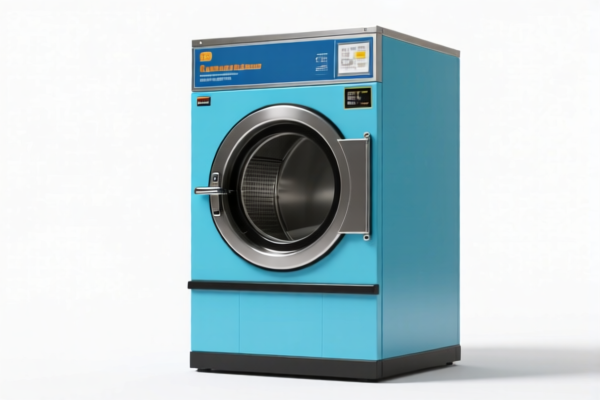
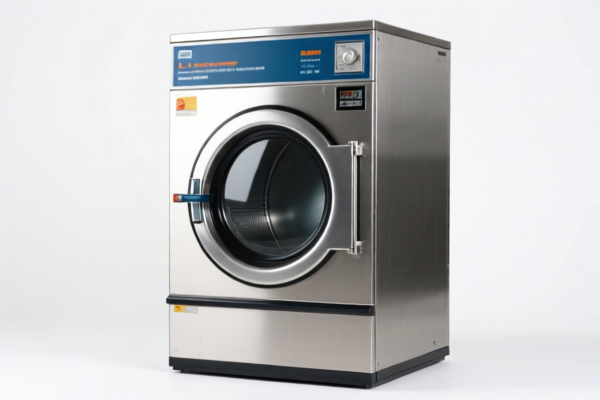
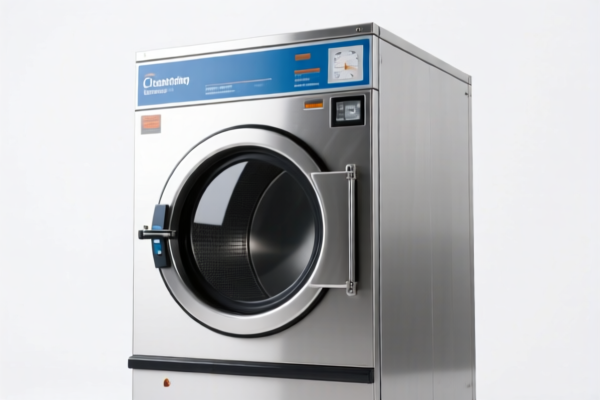
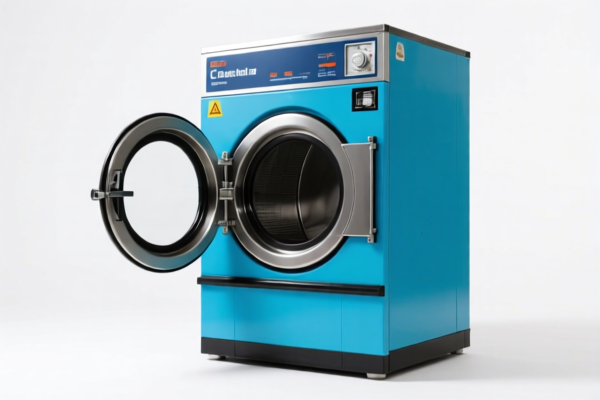
AI Analysis
🧺 Dry Cleaning Machine (Industrial/Laundry Equipment)
🌐 HS Code Reference & Customs Clearance Guide | 2024/2025 Latest Tariff Analysis | Professional Strategy for US Imports from China
📌 I. Product Definition & Classification: Do You Know What You Are Shipping?
"Dry Cleaning Machine" is a broad term in international trade. In the context of US Customs (CBP) and the provided data, this term often causes confusion between Household Appliances and Industrial Machinery. The classification drastically changes your tax burden.
1. Household Electric Dryers (Clothes Dryers): * Appliances for drying laundry in a home setting. * Key Feature: Self-contained electric motor, consumer-grade design. * Typical HS Chapter: 8509 (Electrical appliances with self-contained electric motors).
2. Industrial/Commercial Dryers: * Machinery used for processing materials (textiles, industrial fabrics) using heat. * Key Feature: Large capacity, industrial controls, often used in laundromats or industrial settings. * Typical HS Chapter: 8419 (Machinery for treating materials by change of temperature) or 8451 (Machinery for cleaning/pressing textiles).
⚠️ Critical Distinction: - If it is a small, white-goods style machine for home use → 8509.80.50.95 (Lowest Tax). - If it is an industrial machine or a larger commercial unit classified as "drying machinery" → 8419 or 8451 (High Tax due to Section 301 & 122 tariffs).
📦 II. HS Code Classification Matrix (Based on Provided Data)
| HS Code | Product Description & Summary | Tax Category Logic |
|---|---|---|
8509.80.50.95 |
Electric Dryer (Household) Summary: Household appliance with self-contained electric motor. |
Classified as a Consumer Appliance. |
8419.39.02.80 |
Industrial Drying Machinery Summary: Machinery for treating materials by changing temperature (drying). |
Classified as Industrial Process Equipment. |
8451.21.00.90 |
Non-coin-operated Textile Dryer Summary: Dryer for household or commercial use, non-coin-operated. |
Classified as Textile Care Machinery. |
🔍 Key Insight: - The same physical machine can be classified differently based on intent of use and design specifications. - 8509 is generally for smaller, electric-motor-driven home appliances. - 8419/8451 are for larger, often gas/electric hybrid, or industrial-grade units, even if "electric."
💰 III. 2024/2025 Tariff Rate Breakdown (US Imports from China)
✅ Applicable Country: United States (US)
✅ Origin: China (CN)
✅ Effective Dates: Varies by specific Section 301/122 orders
🎯 1. 8509.80.50.95 — THE LOWEST TAX OPTION
(Best for Home Dryers, Laundry Centers)
| Item | Detail |
|---|---|
| Base Duty Rate | 4.2% |
| Section 301 (Trade War) | 0.0% |
| Section 122 (New Order) | 10.0% |
| Total Tax Rate | 14.2% |
| Tax Calculation | CIF Value × 14.2% |
| Strategic Value | ✅ Significant Savings: This is the only HS code in the dataset with 0% Section 301 tariffs. |
📌 Explanation: - Base Duty (4.2%): Standard MFN rate for household electrical appliances. - Section 301 (0%): Crucial! This code is excluded from the major 25% Section 301 tariffs that hit most electronics and machinery. - Section 122 (10%): A newer additional tariff layer (often associated with specific trade actions), but 10% is far lower than 25%.
🎯 2. 8419.39.02.80 — HIGH TAX RISK
(Industrial Dryers, Large Commercial Units)
| Item | Detail |
|---|---|
| Base Duty Rate | 0.0% |
| Section 301 (Trade War) | 25.0% |
| Section 122 (New Order) | 10.0% |
| Total Tax Rate | 35.0% |
| Tax Calculation | CIF Value × 35.0% |
| Strategic Value | ❌ High Cost: Heavily penalized by Section 301. |
📌 Explanation: - Base Duty (0%): Industrial machinery often has low base duties. - Section 301 (25%): The Killer. Most industrial machinery from China is subject to the full 25% tariff. - Section 122 (10%): Additional layer on top. - Result: 35% total tax rate.
🎯 3. 8451.21.00.90 — HIGHEST TAX RISK
(Commercial Laundry Equipment, Non-Coin Operated)
| Item | Detail |
|---|---|
| Base Duty Rate | 3.4% |
| Section 301 (Trade War) | 25.0% |
| Section 122 (New Order) | 10.0% |
| Total Tax Rate | 38.4% |
| Tax Calculation | CIF Value × 38.4% |
| Strategic Value | ❌ Highest Cost: All three tax layers apply. |
📌 Explanation: - Base Duty (3.4%): Standard for textile cleaning machinery. - Section 301 (25%): Full tariff applies. - Section 122 (10%): Full tariff applies. - Result: 38.4% total tax rate. Avoid if possible unless it is strictly required by function.
🛠️ IV. Customs Clearance Practical Advice (Avoid Pitfalls)
✅ 1. Documentation Checklist (Non-Negotiable)
| Document | Requirement | Why It Matters |
|---|---|---|
| Product Specifications | ✔️ Must clearly state: - Voltage/Power - Motor Type (Self-contained?) - Capacity (Kg/Lbs) |
Proves it is a Household Appliance (8509) vs. Industrial Machine (8419/8451). |
| Circuit Diagram | ✔️ Optional but recommended | Shows if the motor is self-contained (supports 8509). |
| Commercial Invoice | ✔️ Must describe as: "Electric Clothes Dryer for Household Use" (Avoid "Industrial Drying Equipment") |
Prevents CBP from misclassifying as machinery (8419). |
| Country of Origin Cert | ✔️ Required | Confirms China origin (triggers Section 301/122). |
| User Manual | ✔️ Required | Demonstrates intended household/commercial laundry use, not industrial material processing. |
✅ 2. Classification Strategy: How to Save Money
🔥 Golden Rule:
"If it plugs into a wall and dries clothes in a home/laundromat, fight for 8509!"
| Scenario | Recommended HS Code | Tax Rate | Action |
|---|---|---|---|
| Home Dryer (Washer-Dryer combo, compact dryer) | 8509.80.50.95 |
14.2% | ✅ Declare as Household Appliance. |
| Small Commercial Dryer (Laundromat, <20lbs) | 8451.21.00.90 |
38.4% | ⚠️ Risk: May be reclassified by CBP. Ensure it’s not "coin-operated" (which might have different codes). |
| Industrial Dryer (Large, >50lbs, gas/electric, factory use) | 8419.39.02.80 |
35.0% | ❌ Accept: Cannot avoid 301 tariffs. |
📌 Critical Warning: - Do NOT declare an industrial dryer as a "Household Appliance" to save tax. CBP conducts rigorous audits. - Do NOT use the term "Dry Cleaning Machine" in isolation. Use "Electric Clothes Dryer" or "Laundry Dryer." - Dry Cleaning (using chemicals like perchloroethylene) is NOT covered in this data. This data is for Dryers (using heat/air). If you are shipping actual dry cleaning machines (chemical solvent), the HS Codes are different (likely 8451.30 or 8421.39). Clarify your product!
✅ 3. Special Cases & Exclusions
| Case | Advice |
|---|---|
| Section 301 Exclusions | Check if your specific manufacturer/product is on the Exclusion List. Rare for dryers, but possible. |
| De Minimis (Section 321) | ❌ Not Applicable. Dry cleaning machines/dryers are not eligible for the $800 de minimis exemption if classified under 8419/8451/8509 from China. Full duty applies. |
| OEM/White Label | Provide clear branding docs to prove product type. Mislabeling as "Textile Dryer" when it's a "Household Dryer" leads to audits. |
🌍 V. Global Market Comparison (Quick Reference)
| Market | Typical HS Code | Est. Tax Rate (China Origin) | Notes |
|---|---|---|---|
| 🇺🇸 USA | 8509.80.50.95 |
14.2% | Best option if classified as appliance. |
| 🇺🇸 USA | 8419.39.02.80 |
35.0% | High tariff for industrial machinery. |
| 🇨🇳 China | 8451.21.00.90 | ~3-4% | Low import tax, but check VAT (13%). |
| 🇪🇺 EU | 8451.30.00 | ~4% | No Section 301/122 equivalent. |
| 🇬🇧 UK | 8451.30.00 | ~0% | Post-Brexit tariff schedules vary. |
📌 VI. Common Mistakes & Pitfalls (Learn from Others)
❌ Mistake 1: Calling it "Dry Cleaning Machine"
👉 Result: CBP may classify it under chemical solvent equipment (8421/8451), leading to complex environmental regulations and potential misclassification fees.
✅ Fix: Use "Electric Clothes Dryer" if it uses heat/air.
❌ Mistake 2: Using 8419 for a Home Dryer
👉 Result: You pay 35% instead of 14.2%.
✅ Fix: Prove it is a household appliance with self-contained motor (8509).
❌ Mistake 3: Ignoring Section 122 Tariffs
👉 Result: Assuming only Section 301 applies.
✅ Fix: 122 tariffs (10%) are always added in this dataset. Do not underestimate total cost.
🎯 VII. Conclusion: Maximize Profit, Minimize Tax
🎯 Key Takeaway:
🔹 Fight for
8509.80.50.95(14.2%) by ensuring your product is marketed and designed as a Household Appliance.
🔹 Accept8419/8451(35-38.4%) only if you are shipping Industrial Machinery.
🔹 Never use the term "Dry Cleaning" if you mean "Drying." It triggers different, more complex regulations.
📌 Pro Tip:
If you are importing industrial dryers, consider:
1. Supply Chain Diversification: Ship from Vietnam/Mexico to avoid US Section 301 tariffs.
2. Pre-Ruling: Apply for a Binding Ruling with CBP to confirm your HS code before shipment.
📣 Immediate Action:
📞 Contact your freight forwarder with the Product Spec Sheet.
📝 Ask: "Can this be classified under 8509 as a household appliance to save ~24% in tariffs?"
🚀 Smart Classification = Higher Margins!
✨ Accurate Classification Saves Thousands!
💼 Don’t let tariffs eat your profits!
Customer Reviews
About HS Code Classification
The Harmonized System (HS) is an internationally standardized nomenclature developed by the World Customs Organization (WCO) to classify traded products. Over 200 countries use the HS system as the basis for customs tariffs, trade statistics, and import/export regulations.
Each HS code follows a hierarchical structure:
- Chapter (2 digits) — Broad category of goods (e.g., Chapter 84: Machinery and Mechanical Appliances)
- Heading (4 digits) — More specific grouping within the chapter
- Subheading (6 digits) — Internationally standardized breakdown, used by all WCO member countries
- National subdivisions (8-10 digits) — Country-specific extensions for further classification, such as US HTSUS 10-digit codes
Correct HS code classification is essential for smooth customs clearance, accurate duty payment, and compliance with trade regulations. Misclassification can lead to customs delays, overpayment of duties, or penalties.
When importing from CN to US, the applicable tariff rates may include:
- Most-Favored-Nation (MFN) rate — The standard duty rate applied to WTO members
- General rate — Applied to countries without trade agreements
- Trade remedy duties — Additional tariffs such as Section 301 (anti-dumping), Section 232 (national security), or countervailing duties
The information provided on this page is for reference purposes only. For official classification, please consult with your local customs authority or a licensed customs broker.