Dry Cowhide for Clothing
CN → US| HS Code | Tariff Rate | Origin | Destination | Doc |
|---|---|---|---|---|
| 4115200000 | 17.5% | CN | US | Official Doc |
| 4115100000 | 35.0% | CN | US | Official Doc |
| 4104195080 | 13.3% | CN | US | Official Doc |
| 4104495000 | 13.3% | CN | US | Official Doc |
| 4203104095 | 41.0% | CN | US | Official Doc |
Product Images
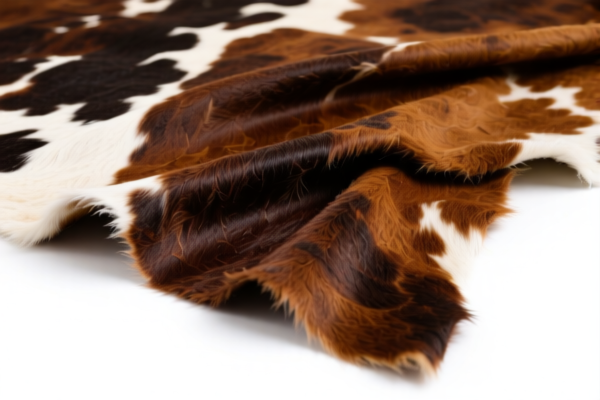
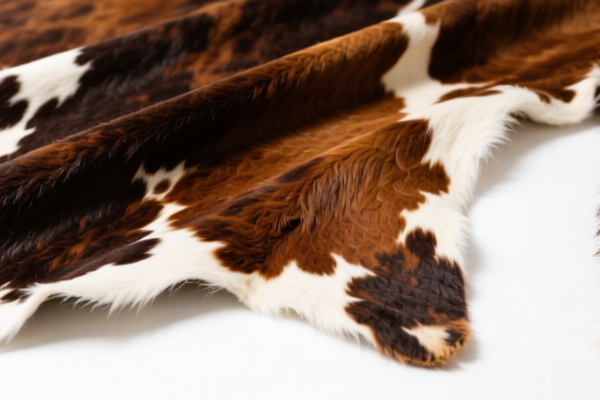
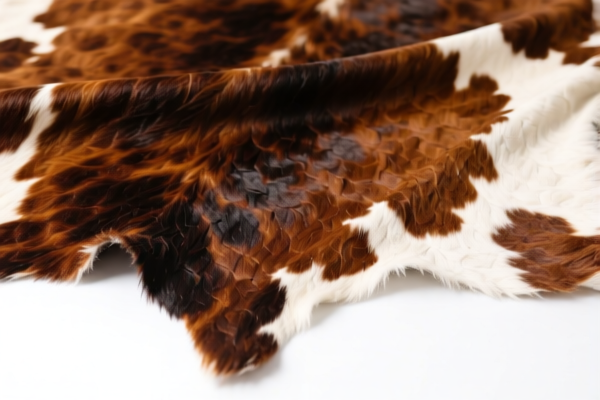
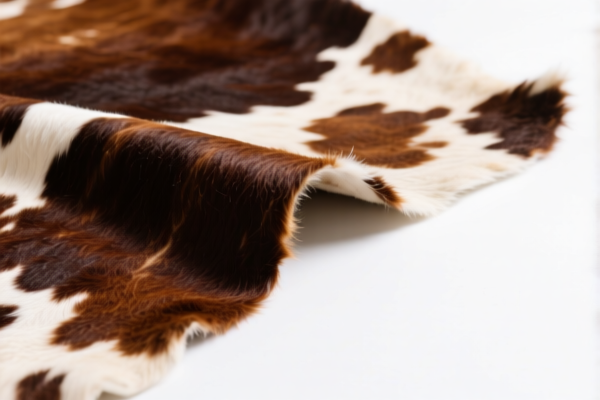
AI Analysis
🐄 Dry Cowhide for Clothing (牛皮废料/牛皮制衣)
🌐 HS Code Reference & Customs Clearance Guide | 2026 Latest Tariff Full Analysis | Professional Clearance Strategy
📌 I. Product Definition & Classification: Do You Really Understand "Dry Cowhide"?
"Dry Cowhide" is a broad term in the leather and apparel industry. In international trade, its classification depends entirely on its physical state (waste vs. processed leather) and its end-use (material for clothing vs. finished garments). Misclassification here leads to severe tariff discrepancies, ranging from 13.3% to 41.0%.
There are two main pathways for this product: 1. Leather Waste/Offcuts (废料/边角料): Raw, unprocessed, or semi-processed leather scraps used as raw material. 2. Finished Leather Apparel (皮制服装): Fully processed, cut, and sewn leather clothing items.
⚠️ Key Distinction:
- If it is "waste/offcuts" (irregular shapes, raw skin) → It falls under Chapter 41 (Leather).
- If it is "garments" (sewn, shaped, with closures) → It falls under Chapter 42 (Articles of Leather).
📦 II. HS Code Classification Details (2026 Latest Tariff Authority Comparison)
Based on the provided data, here are the five possible classifications for "Dry Cowhide for Clothing," ranging from raw waste to finished goods.
| HS Code | Product Description | Application Scenario | Key Classification Feature |
|---|---|---|---|
4115.20.00.00 |
Waste and Scrap of Leather | Leather offcuts, trimmings, and waste used for clothing manufacturing. | Fits the "Waste/Offcut" category; matches material and use. |
4115.10.00.00 |
Composite Leather (Leather-Based) | Semi-processed leather sheets or bases used for clothing. | Fits the "Composite Leather" definition; primary/semi-finished form. |
4104.19.50.80 |
Other Tanned/Half-Tanned Cowhide | General tanned cowhide not fitting specific sub-categories. | "Other" catch-all category for tanned/semi-tanned leather. |
4104.49.50.00 |
Other Tanned Cowhide (Hair-Removed) | Cowhide that is tanned/semi-tanned but not further worked. | Hair removed, tanned, but no further processing beyond tanning. |
4203.10.40.95 |
Articles of Leather: Clothing | Finished leather jackets, coats, vests, etc. | Fully matches the definition of "Leather Garments." |
🔍 Critical Reminder:
- Waste/Scrap (4115) vs. Processed Leather (4104): Ensure you declare the condition accurately. If it is raw scrap, do not declare it as processed leather to avoid fraud allegations. - Material vs. Garment: If the item is already sewn into a jacket, it MUST be declared under4203.10. Declaring finished jackets as "cowhide material" is a major compliance risk.
💰 III. 2026 Latest Tariff Rate Breakdown (Including Additional Duties)
✅ Applicable Country: USA (US)
✅ Origin: China (CN)
✅ Effective Time: Current regulations including Section 301 & Section 122 tariffs.
🎯 1. 4115.20.00.00 —— Leather Waste & Scrap
| Item | Content |
|---|---|
| Base Tariff | 0.0% |
| Section 301 Additional Duty | +7.5% |
| Section 122 Duty | +10.0% |
| Total Tax Rate | 17.5% |
| Tax Calculation | CIF Value × 17.5% |
| Legal Basis | Base (0%) + 301 (7.5%) + 122 (10%) |
📌 Explanation:
- This is the lowest risk classification if the product is genuinely waste/offcuts. - Section 301 (7.5%) applies to Chinese leather waste. - Section 122 (10%) is a specific duty often applied to certain leather categories.
🎯 2. 4115.10.00.00 —— Composite Leather (Leather-Based)
| Item | Content |
|---|---|
| Base Tariff | 0.0% |
| Section 301 Additional Duty | +25.0% |
| Section 122 Duty | +10.0% |
| Total Tax Rate | 35.0% |
| Tax Calculation | CIF Value × 35.0% |
| Legal Basis | Base (0%) + 301 (25%) + 122 (10%) |
📌 Warning:
- This classification carries a high tariff (35%). - Section 301 (25%) is the standard high-tier duty for many Chinese leather articles. - Only use this if the product is explicitly defined as "Composite Leather" with a leather base.
🎯 3. 4104.19.50.80 —— Other Tanned/Partially Tanned Leather
| Item | Content |
|---|---|
| Base Tariff | 3.3% |
| Section 301 Additional Duty | 0.0% |
| Section 122 Duty | +10.0% |
| Total Tax Rate | 13.3% |
| Tax Calculation | CIF Value × 13.3% |
| Legal Basis | Base (3.3%) + 301 (0%) + 122 (10%) |
📌 Note:
- This is a "Catch-All" (兜底) category. - While Section 301 is 0%, the Base Tariff (3.3%) still applies. - Suitable if the leather does not fit specific "Chrome Tanned" or "Vegetable Tanned" exclusions.
🎯 4. 4104.49.50.00 —— Other Tanned Cowhide (Hair-Removed)
| Item | Content |
|---|---|
| Base Tariff | 3.3% |
| Section 301 Additional Duty | 0.0% |
| Section 122 Duty | +10.0% |
| Total Tax Rate | 13.3% |
| Tax Calculation | CIF Value × 13.3% |
| Legal Basis | Base (3.3%) + 301 (0%) + 122 (10%) |
📌 Note:
- Identical tax structure to4104.19. - Specifically for cowhide that is tanned but has had hair removed (dehaired) and is not further processed into garments.
🎯 5. 4203.10.40.95 —— Articles of Leather: Clothing
| Item | Content |
|---|---|
| Base Tariff | 6.0% |
| Section 301 Additional Duty | +25.0% |
| Section 122 Duty | +10.0% |
| Total Tax Rate | 41.0% |
| Tax Calculation | CIF Value × 41.0% |
| Legal Basis | Base (6%) + 301 (25%) + 122 (10%) |
📌 Warning:
- This is the HIGHEST classification for this product group. - Applies ONLY to finished garments (jackets, pants, etc.). - Section 301 (25%) significantly increases the cost.
🛠️ IV. Customs Clearance Practical Advice (Battle-Tested Pitfall Guide)
✅ 1. Essential Documentation Checklist (Non-Negotiable)
| Document | Required? | Description |
|---|---|---|
| ✅ Product Specification Sheet | ✔️ | Must detail: Form (waste vs. sheet vs. garment), Tanning method (Chrome/Veg), Weight. |
| ✅ Commercial Invoice | ✔️ | Must clearly state "Cowhide Waste" or "Leather Jacket" – NOT vague terms like "Leather Parts." |
| ✅ Photos of Goods | ✔️ | Show the physical state: Are they irregular scraps? Or are they cut into shapes/sewn? |
| ✅ Bill of Lading / Air Waybill | ✔️ | Ensure HS Code matches the documentation. |
| ✅ Certificate of Origin | ✔️ | For determining eligibility for tariff mitigations (if any). |
✅ 2. Declaration Strategy (Key Mantra)
🔥 “State the Form, Not Just the Material!”
| Scenario | Correct Declaration | Incorrect Practice |
|---|---|---|
| Raw Leather Scraps | 4115.20.00.00 |
Misdeclare as 4104 to save 2%? → Audit Risk! |
| Semi-Processed Leather Sheets | 4115.10.00.00 or 4104.xxxx |
Declaring as "Garments" → 41% Tax! |
| Finished Leather Jacket | 4203.10.40.95 |
Declaring as "Cowhide Material" → Fraud/Seizure! |
✅ 3. Special Considerations
| Situation | Handling Advice |
|---|---|
| Mixed Containers | If a container has both waste and finished goods, must split declarations. Mixing them leads to penalties on the entire shipment. |
| "Used" vs. "New" | If the leather is used offcuts, ensure it is still classified as "Waste" (4115) and not "Used Goods" which may have different restrictions. |
| Section 122 Nuance | The 10% Section 122 duty is critical. Ensure your broker applies this correctly to ALL listed HS codes. |
🌍 V. Global Market Comparison (2026 Latest)
| Country/Region | Recommended HS Code | Tariff (China Origin) | Notes |
|---|---|---|---|
| 🇺🇸 USA | 4115.20.00.00 (Waste) |
17.5% | Lowest among options; 301 + 122 apply. |
| 🇺🇸 USA | 4203.10.40.95 (Garment) |
41.0% | Highest; heavy Section 301 burden. |
| 🇪🇺 EU | 4115.10 / 4104 |
Varies (Typically 0-4%) | EU often has lower base tariffs for leather waste. |
| 🇨🇳 China | 4115.20 |
Low Base Tariff | Importing waste into China for processing. |
📌 Conclusion:
- For the US Market, declaring correctly as Leather Waste (4115.20) saves up to 23.5% compared to declaring as Garments (4203.10). - However, if the item is already a jacket, you cannot falsely declare it as waste. The physical evidence (seams, buttons, shape) will trigger customs inspections.
📌 VI. Common Mistakes & Pitfalls (Blood-Learnings)
❌ Mistake 1: Declaring finished leather jackets as "Leather Offcuts" to save tax.
👉 Consequence: Customs inspection reveals seams/zippers → Seizure, Heavy Fines, Blacklisting.
❌ Mistake 2: Using vague descriptions like "Leather Parts" without specifying if it is waste or processed.
👉 Consequence: Customs assigns highest duty (4203.10 by default) → Unexpected 41% Tax Bill.
❌ Mistake 3: Ignoring Section 122 Duty.
👉 Consequence: Underpayment of 10% on all leather classifications → Back Taxes + Interest.
✅ Correct Practice:
For waste: "Cowhide Leather Waste/Offcuts, Unprocessed, for Clothing Manufacturing"
For garments: "Men's Leather Jacket, Cowhide, Tanned, Finished Garment"
🎯 VII. Conclusion: Precision in Classification Saves Millions!
🎯 Remember the Mantra:
🔹 "Waste is Cheap (17.5%), Garments are Expensive (41%).
🔹 But Fake it? You Pay the Price!
🔹 301 + 122 are Real. Check Your HS Code Before You Ship!"**
📌 Pro Tip:
If you are shipping semi-processed leather (4115.10 or 4104), verify if it qualifies for Section 301 exclusions (if any remain active for specific leather types). Always request a Pre-Ruling from CBP if the physical form is borderline between "Waste" and "Processed Leather."
📣 Immediate Action:
📞 Consult a Licensed Customs Broker.
📄 Provide High-Res Photos of the actual goods.
🚀 Get the Right HS Code. Clear Customs Smoothly. Protect Your Margin!
✨ Professional Customs Clearance Starts with Accurate Classification!
💼 Your Profit Margin Depends on the 0.1% Difference in HS Codes!
Customer Reviews
About HS Code Classification
The Harmonized System (HS) is an internationally standardized nomenclature developed by the World Customs Organization (WCO) to classify traded products. Over 200 countries use the HS system as the basis for customs tariffs, trade statistics, and import/export regulations.
Each HS code follows a hierarchical structure:
- Chapter (2 digits) — Broad category of goods (e.g., Chapter 84: Machinery and Mechanical Appliances)
- Heading (4 digits) — More specific grouping within the chapter
- Subheading (6 digits) — Internationally standardized breakdown, used by all WCO member countries
- National subdivisions (8-10 digits) — Country-specific extensions for further classification, such as US HTSUS 10-digit codes
Correct HS code classification is essential for smooth customs clearance, accurate duty payment, and compliance with trade regulations. Misclassification can lead to customs delays, overpayment of duties, or penalties.
When importing from CN to US, the applicable tariff rates may include:
- Most-Favored-Nation (MFN) rate — The standard duty rate applied to WTO members
- General rate — Applied to countries without trade agreements
- Trade remedy duties — Additional tariffs such as Section 301 (anti-dumping), Section 232 (national security), or countervailing duties
The information provided on this page is for reference purposes only. For official classification, please consult with your local customs authority or a licensed customs broker.