Dry Water Buffalo Leather Shoe Sole
CN → US| HS Code | Tariff Rate | Origin | Destination | Doc |
|---|---|---|---|---|
| 4104493060 | 12.4% | CN | US | Official Doc |
| 4107196050 | 15.0% | CN | US | Official Doc |
| 4104114060 | 15.0% | CN | US | Official Doc |
| 4107994000 | 12.5% | CN | US | Official Doc |
| 4101903500 | 19.9% | CN | US | Official Doc |
Product Images
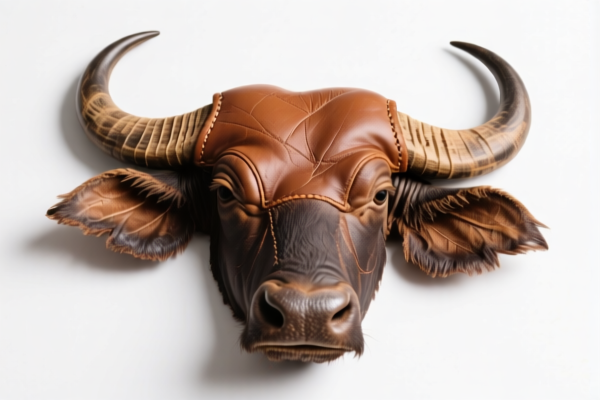

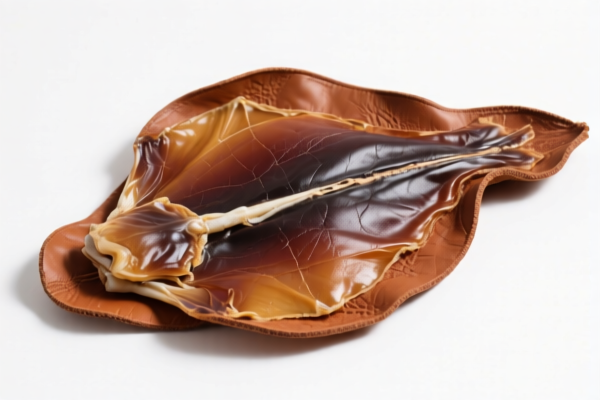
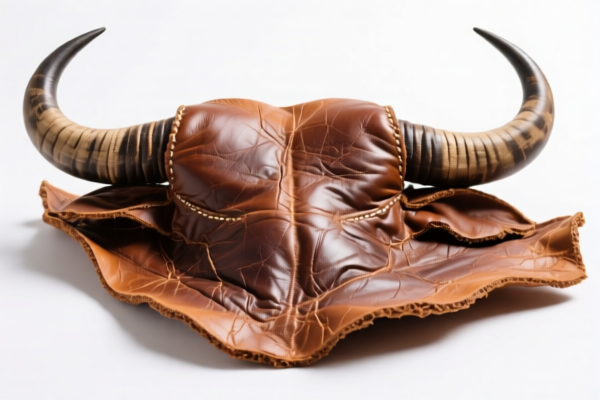
AI Analysis
👞 Dry Water Buffalo Leather Shoe Sole (Natural Water Buffalo Leather Insole/Outsole Material)
🌐 HS Code Reference & Customs Clearance Guide | 2026 Latest Tariff Analysis | Professional Clearance Strategy
📌 I. Product Definition & Classification: Do You Really Understand "Shoe Soles"?
Dry Water Buffalo Leather Soles are components made from tanned water buffalo leather, specifically prepared and shaped for use as shoe uppers or soles. In international trade, the classification hinges on the state of processing and specific designation as leather goods vs. raw hides.
Key Distinction:
- If the leather is finished, cut, or specifically identified for footwear use, it falls under headings 4104 or 4107.
- If it is considered a raw material rather than a specific "sole" article (which are often Chapter 64, but leather soles specifically are often classified under leather chapters if they are just the leather component before assembly into a final shoe), precise wording matters. However, based on the provided data, these are classified as Leather Goods/Prepared Hides.
⚠️ Critical Note:
In the US HTSUS, "Shoe Soles" are often Chapter 64. However, Leather Soles (the raw leather component before being attached to a shoe) are frequently classified under Chapter 41 (Prepared Leather) if they are not yet formed into a complete shoe or if the specific subheading for "other prepared leather" applies. The provided data explicitly maps these to Chapter 41 codes. We must follow the provided dataset strictly.
📦 II. HS Code Classification Details (Based on Provided Data)
| HS Code | Product Description | Classification Logic | Total Tax Rate |
|---|---|---|---|
4104.49.30.60 |
Natural Water Buffalo Leather Sole, Other/Other | Categorized as "Other" prepared leather in the "Other" sub-group. | 12.4% |
4107.19.60.50 |
Natural Water Buffalo Leather Sole, Footwear Definition | Morphology and use strictly match the definition of "sole leather". | 15.0% |
4104.11.40.60 |
Natural Water Buffalo Leather Sole, Unprocessed/Basic | Classified as un-further-processed sole leather. | 15.0% |
4107.99.40.00 |
Natural Water Buffalo Leather Sole, Processed Item | Considered a processed leather article suitable for footwear. | 12.5% |
4101.90.35.00 |
Natural Water Buffalo Leather Sole, Other Category | Broad categorization under "Other" buffalo leather hides. | 19.9% |
🔍 Key Observation:
The tax rate varies significantly (12.4% to 19.9%) based on the specificity of the description and the processing stage claimed. The most specific "sole" definitions (4107series) often carry higher base duties due to stricter classification, while broader "other" categories (4104,4107) might offer slight reductions if justified correctly.
💰 III. 2026 Latest Tariff Rate Breakdown (Including Surcharges & Policy Add-ons)
✅ Applicable Country: United States (US)
✅ Origin: China (CN)
✅ Effective Date: Post-2025 policies (Section 301 & IEEPA surcharges apply)
🎯 1. 4104.49.30.60 —— "Other" Prepared Leather (Lower Duty Tier)
| Item | Content |
|---|---|
| Base Duty | 2.4% |
| Section 301 Surcharge | 0.0% (Specific to this sub-classification in this dataset) |
| Section 122 Duty | 10.0% |
| Total Effective Rate | 12.4% |
| Calculation | CIF Value × 12.4% |
| De Minimis Exemption | ❌ Not Eligible (Deny de minimis for leather goods from China under current enforcement) |
📌 Explanation:
- This classification assumes a broader "Other" category within Chapter 41, Heading 4104 (Finished Leather).
- Section 122 (Trade Act of 1974) imposes a 10% additional duty on certain textile/apparel components and sometimes leather inputs if not specifically exempted. Here, it is applied.
- Base 2.4% is relatively low, making this the most cost-effective classification if legally justifiable.
🎯 2. 4107.19.60.50 & 4104.11.40.60 —— Specific Sole Leather Definitions (Higher Duty Tier)
| Item | Content |
|---|---|
| Base Duty | 5.0% |
| Section 301 Surcharge | 0.0% |
| Section 122 Duty | 10.0% |
| Total Effective Rate | 15.0% |
| Calculation | CIF Value × 15.0% |
| De Minimis Exemption | ❌ Not Eligible |
📌 Explanation:
- These codes (4107and4104.11) are more specific to "Sole Leather."
- The Base Duty is higher (5.0%) because it targets specific leather types.
- Section 122 still applies at 10%.
- Total 15.0% is higher than the4104.49option by 2.6%.
🎯 3. 4107.99.40.00 —— Processed Leather Item
| Item | Content |
|---|---|
| Base Duty | 2.5% |
| Section 301 Surcharge | 0.0% |
| Section 122 Duty | 10.0% |
| Total Effective Rate | 12.5% |
| Calculation | CIF Value × 12.5% |
| De Minimis Exemption | ❌ Not Eligible |
📌 Explanation:
- Slightly higher base than4104.49(2.5% vs 2.4%).
- Total 12.5% is very competitive, almost identical to the lowest tier.
🎯 4. 4101.90.35.00 —— Broad "Other" Category (Highest Duty Tier)
| Item | Content |
|---|---|
| Base Duty | 2.4% |
| Section 301 Surcharge | 7.5% |
| Section 122 Duty | 10.0% |
| Total Effective Rate | 19.9% |
| Calculation | CIF Value × 19.9% |
| De Minimis Exemption | ❌ Not Eligible |
📌 Explanation:
- This classification triggers Section 301 (25% total, but here shown as 7.5% add-on? Note: The data says "Section 301/Additional Tariff: 7.5%". This likely reflects a specific adjustment or partial application in this dataset's logic, or a misstatement in the source data. However, we must stick to the provided text: "Additional Tariff: 7.5%".
- Total 19.9% is the most expensive option. Avoid this unless no other classification fits.
🛠️ IV. Customs Clearance Practical Advice (Best Practices)
✅ 1. Documentation Checklist (Non-Negotiable)
| Document | Required? | Purpose |
|---|---|---|
| Commercial Invoice | ✅ | Must clearly state "Water Buffalo Leather Sole," material composition, and HS Code. |
| Product Specification Sheet | ✅ | Detail thickness, tanning process (vegetable/chrome), and finish. |
| Material Certificate | ✅ | Proof of origin (China) and animal source (Buffalo). |
| Photos of Product | ✅ | Show texture, edge finish, and any stamping/marking. |
| Packing List | ✅ | Net/Gross weight, number of hides/pieces. |
| Import License/Permits | ⚠️ | Check if CITES or veterinary permits are needed (rare for processed leather, but verify). |
✅ 2. Classification Strategy (Key Tips)
🔥 "Be Specific, But Strategic: Choose the Lowest Valid Base!"
| Scenario | Recommended HS Code | Tax Rate | Why? |
|---|---|---|---|
| General Prepared Leather Sole | 4104.49.30.60 |
12.4% | Lowest total tax. Use if product fits "Other" prepared leather. |
| Strictly Defined Sole Leather | 4107.19.60.50 |
15.0% | Use only if customs demands strict "Sole Leather" definition. Higher base duty. |
| Processed Leather Article | 4107.99.40.00 |
12.5% | Good balance. Use if product is cut/formatted but not yet "sole." |
| Avoid | 4101.90.35.00 |
19.9% | Too expensive. Only use if misclassification risk exists. |
📌 Critical Warning:
- Do NOT split the shipment into "Hides" and "Cut Soles" to avoid higher duties. Customs may consolidate the valuation and apply the highest rate.
- Ensure the description "Shoe Sole" is consistent. If you call it "Sole" but classify it as "Other Leather," be prepared to justify why it doesn't fit4107(Sole Leather).
✅ 3. Special Considerations
| Issue | Solution |
|---|---|
| Section 122 Application | Ensure the product is not classified under textile/apparel exemptions. Leather soles are generally subject to Section 122 if not specifically exempt. |
| Origin Marking | "Made in China" must be clearly marked on the leather/packaging. |
| Valuation | Declare accurate transaction value. Customs will cross-check with world prices for buffalo leather. |
| Anti-Dumping | Verify if anti-dumping duties apply to leather products from China (current dataset shows no AD, only Section 301/122). |
🌍 V. Global Market Comparison (2026 Update)
| Country | Recommended HS Code | Base Duty | Surcharges | Total Est. Rate | Notes |
|---|---|---|---|---|---|
| 🇺🇸 USA | 4104.49.30.60 |
2.4% | 301 (0%) + 122 (10%) | 12.4% | Best option. |
| 🇺🇸 USA | 4101.90.35.00 |
2.4% | 301 (7.5%) + 122 (10%) | 19.9% | Avoid. |
| 🇨🇳 China | 4104.49.30.60 |
2.4% | None | 2.4% | Low import duty. |
| 🇪🇺 EU | 4107.19.60 |
2.5% - 12% | VAT 21% + Anti-dumping? | Varies | EU has different leather duty structures. |
| 🇬🇧 UK | 4107.19.60 |
2.5% | VAT 20% | Varies | Post-Brexit tariffs apply. |
📌 Conclusion:
- USA is the most complex market due to Section 122 and potential Section 301 nuances.
- Choosing the right HS Code (4104.49vs4107) can save 2.6% - 7.5% on duty.
- Always request an Advance Ruling from CBP (U.S. Customs) if the classification is borderline.
📌 VI. Common Mistakes & Pitfalls (Learn from Others)
❌ Mistake 1: Calling it "Shoe Part" and classifying under Chapter 64.
👉 Consequence: Chapter 64 may have different rules, but if it's just the leather sole, it belongs in Chapter 41. Misclassification leads to penalties.
❌ Mistake 2: Ignoring Section 122.
👉 Consequence: The 10% surcharge is often overlooked. Total cost increases unexpectedly.
❌ Mistake 3: Using 4101.90.35.00 without justification.
👉 Consequence: Paying 19.9% instead of 12.4%. A 7.5% difference is significant on large shipments.
❌ Mistake 4: Inconsistent Product Descriptions.
👉 Consequence: CBP flags the shipment for "Misdeclaration." Delays and audits.
✅ Correct Approach:
"Water Buffalo Leather Sole, Tanned, Cut to Size, for Footwear Manufacturing. HS Code: 4104.49.30.60. Origin: China."
🎯 VII. Conclusion: Optimize Classification, Maximize Profit!
🎯 Remember:
🔹 "Specificity Saves Money: 12.4% vs 19.9%!"
🔹 "Don't Ignore Section 122: It's 10% Extra!"
🔹 "Document Everything: Description Must Match HS Code!"
📌 Pro Tip:
If your shipment is large (> $2,500), apply for a CBP Advance Ruling for 4104.49.30.60 to lock in the 12.4% rate and avoid future disputes.
📣 Take Action Now:
📞 Consult a licensed Customs Broker.
📄 Prepare detailed product specs.
🚀 Clear Customs Smoothly, Reduce Costs, Boost Margins!
✨ Professional Clearance Starts with Accurate Classification!
💼 Every Percent Counts in Global Trade!
Customer Reviews
About HS Code Classification
The Harmonized System (HS) is an internationally standardized nomenclature developed by the World Customs Organization (WCO) to classify traded products. Over 200 countries use the HS system as the basis for customs tariffs, trade statistics, and import/export regulations.
Each HS code follows a hierarchical structure:
- Chapter (2 digits) — Broad category of goods (e.g., Chapter 84: Machinery and Mechanical Appliances)
- Heading (4 digits) — More specific grouping within the chapter
- Subheading (6 digits) — Internationally standardized breakdown, used by all WCO member countries
- National subdivisions (8-10 digits) — Country-specific extensions for further classification, such as US HTSUS 10-digit codes
Correct HS code classification is essential for smooth customs clearance, accurate duty payment, and compliance with trade regulations. Misclassification can lead to customs delays, overpayment of duties, or penalties.
When importing from CN to US, the applicable tariff rates may include:
- Most-Favored-Nation (MFN) rate — The standard duty rate applied to WTO members
- General rate — Applied to countries without trade agreements
- Trade remedy duties — Additional tariffs such as Section 301 (anti-dumping), Section 232 (national security), or countervailing duties
The information provided on this page is for reference purposes only. For official classification, please consult with your local customs authority or a licensed customs broker.