Duckbill Hanger
CN → US| HS Code | Tariff Rate | Origin | Destination | Doc |
|---|---|---|---|---|
| 7326200020 | 88.9% | CN | US | Official Doc |
| 4421100000 | 13.2% | CN | US | Official Doc |
| 3923900080 | 38.0% | CN | US | Official Doc |
Product Images
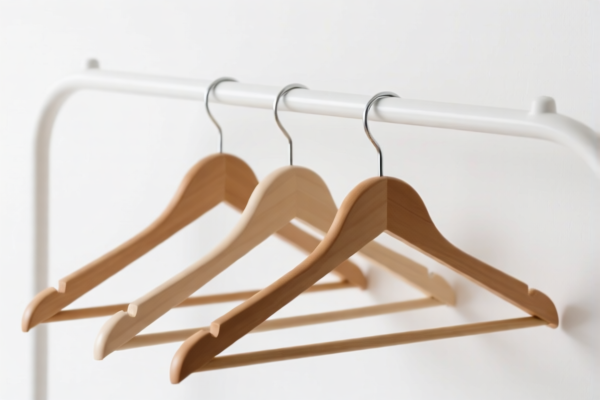
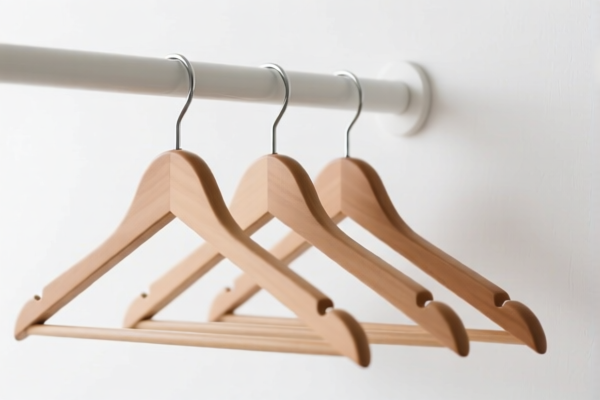


AI Analysis
🧥 Duckbill Hanger (Clothing Hooks)
🌐 HS Code Reference & Customs Clearance Guide | 2026 Latest Tariff Analysis | Professional Compliance Strategy
📌 I. Product Definition: What is a "Duckbill Hanger"?
The Duckbill Hanger is a specialized storage device characterized by its distinctive "duck-bill" shaped hook. It is primarily used for hanging pants, skirts, ties, scarves, and trousers without causing creases.
In international trade, the material composition is the decisive factor for HS Code classification. The duty rates vary drastically depending on whether the product is made of Metal, Wood, or Plastic.
⚠️ Key Classification Point:
- Material Matters: Do not use a generic "Hanger" code. You must specify the primary material. - Metal: Subject to highest tariffs due to Section 232 and Section 301. - Wood: Lowest tax burden (if from eligible regions). - Plastic: Moderate-high tariffs, heavily affected by trade measures.
📦 II. HS Code Classification Details (2026 Tariff Schedule)
Based on the provided data, here are the three possible classifications for Duckbill Hangers:
| HS Code | Product Description | Material | Key Characteristics |
|---|---|---|---|
7326.20.00.20 |
Metal Duckbill Hanger | Iron or Steel | Standard metal coat hanger with duckbill hook. |
4421.10.00.00 |
Wooden Duckbill Hanger | Wood or Compatible Material | Eco-friendly, smooth finish, wooden body. |
3923.90.00.80 |
Plastic Duckbill Hanger | Plastic | Molded plastic, lightweight, common retail version. |
🔍 Note:
- The HS Codes provided are specific to the USA market context (indicated by "Section 122" and specific ad valorem rates typical of US trade actions). - Always verify if the "compatible material" in wood hangers affects classification (e.g., if heavily coated with non-wood materials, it might shift to plastic or metal).
💰 III. 2026 Latest Tariff Rate Breakdown (US Market)
✅ Applicable Country: United States (US)
✅ Origin: China (CN) (Implied by the "Section 122" and specific tax details provided)
✅ Effective Time: Current trade policies (Section 301/122 measures)
🎯 1. 7326.20.00.20 —— Metal (Iron/Steel) Duckbill Hanger
This category attracts the highest total tax burden due to multiple layers of trade restrictions.
| Item | Detail |
|---|---|
| Base Tariff | 3.9% (Standard MFN rate for iron/steel articles) |
| Section 301 Additional Duty | +25.0% (Trade Enhancement Act / Section 301) |
| Section 122 Duty | +10% (Section 122 of the Trade Act of 1974: Steel, Aluminum, and Copper Products) |
| Additional 122 Clause | +50% (Specific clause for Steel/Aluminum/Copper products under certain conditions) |
| Total Effective Tax Rate | 88.9% |
| Tax Calculation | CIF Value × 88.9% |
| De Minimis Eligibility | ❌ No (High-risk category for customs audits) |
| Legal Basis Path | HTSUS: 7326.20.00.20 → Section 301 List → Section 122 Proclamation |
📌 Explanation:
- The 88.9% rate is extremely punitive. It combines the base import duty with multiple retaliatory and national security tariffs. - Section 122 specifically targets steel/aluminum imports, adding an extra 10% on top of the standard 301 tariffs. - Warning: This rate makes metal hangers highly unprofitable for direct import from China to the US unless the margin is exceptionally high.
🎯 2. 4421.10.00.00 —— Wooden Duckbill Hanger
This is the most tariff-efficient option among the three materials.
| Item | Detail |
|---|---|
| Base Tariff | 3.2% (Standard rate for wooden articles) |
| Section 301 Additional Duty | 0.0% (Wooden products often excluded from certain Section 301 lists or have lower rates) |
| Section 122 Duty | +10% (Note: Data indicates 122 applies, possibly due to "compatible material" or broader interpretation) |
| Additional 122 Clause | 0% (No extra 50% clause mentioned for this specific code in the data) |
| Total Effective Tax Rate | 13.2% |
| Tax Calculation | CIF Value × 13.2% |
| De Minimis Eligibility | ⚠️ Check Specifics (Generally lower risk than metal) |
| Legal Basis Path | HTSUS: 4421.10.00.00 → Section 122 Proclamation |
📌 Explanation:
- 13.2% is a manageable duty rate. - The 0% Section 301 duty is a significant advantage over metal and plastic. - Section 122 still applies (+10%), likely because the definition of "compatible material" might include some metal hinges or brackets, triggering the 122 clause. However, the absence of the 50% extra tax is crucial. - Strategy: Opt for pure wooden hangers to potentially argue for 0% Section 301.
🎯 3. 3923.90.00.80 —— Plastic Duckbill Hanger
Plastic hangers face a moderate but significant tax burden, driven largely by Section 301.
| Item | Detail |
|---|---|
| Base Tariff | 3.0% (Standard rate for plastic articles) |
| Section 301 Additional Duty | +25.0% (Broad Section 301 coverage for plastics) |
| Section 122 Duty | +10% (Applied to the final value) |
| Additional 122 Clause | 0% (No extra 50% clause for plastics) |
| Total Effective Tax Rate | 38.0% |
| Tax Calculation | CIF Value × 38.0% |
| De Minimis Eligibility | ❌ No (High volume, low value, often scrutinized) |
| Legal Basis Path | HTSUS: 3923.90.00.80 → Section 301 List → Section 122 Proclamation |
📌 Explanation:
- 38.0% is a heavy tax but significantly lower than metal (88.9%). - The 25% Section 301 is the main driver. - Section 122 adds 10%, but the 50% extra clause does not apply to plastics, keeping the total lower than metal. - Strategy: This is a viable option if sourcing from non-China countries (e.g., Vietnam, Thailand) where Section 301 does not apply.
🛠️ IV. Customs Clearance Practical Advice
✅ 1. Documentation Checklist (Essential for Compliance)
| Document | Must Provide | Explanation |
|---|---|---|
| ✅ Commercial Invoice | ✔️ | Must clearly state "Duckbill Hanger" and Material (Wood/Metal/Plastic). Avoid vague terms like "Clothing Accessory." |
| ✅ Material Declaration | ✔️ | Specify % composition if composite (e.g., "Wooden body with steel hinge"). |
| ✅ Product Photographs | ✔️ | Show the "duckbill" shape to distinguish from standard triangular hangers. |
| ✅ Country of Origin | ✔️ | Critical for determining Section 301 and Section 122 applicability. |
| ✅ Packing List | ✔️ | Weight and dimensions for freight calculation. |
✅ 2. Classification Strategy (Crucial for Tax Savings)
| Scenario | Recommended Action | Risk |
|---|---|---|
| Metal Hangers | ⚠️ High Risk: Consider sourcing from non-China countries to avoid 88.9%. If from China, ensure all 301/122 exemptions are verified. | High Cost / Audit Risk |
| Wooden Hangers | ✅ Best Option: Leverage the 0% Section 301. Ensure the wood is the primary material. | Low Cost |
| Plastic Hangers | ⚖️ Medium Option: 38% is high. Consider shifting supply chain to ASEAN countries to remove 301 tariff. | Medium Cost |
🔥 "Material is Money":
- Metal: 88.9% Tax
- Plastic: 38.0% Tax
- Wood: 13.2% Tax
Choosing Wood can save you 75% in duties compared to Metal!
✅ 3. Special Considerations
- Section 122 Interpretation: The data shows Section 122 applies to all three. However, the 50% additional clause only applies to Metal (Steel/Aluminum/Copper). Ensure your customs broker correctly identifies the material to avoid overpaying on Wood/Plastic or underpaying on Metal (which leads to penalties).
- De Minimis (Section 321):
- For shipments under $800, ensure the HS Code is correctly declared.
- Warning: High-value metal items are often flagged for audit even under de minimis. Wooden and Plastic may have smoother clearance.
- Pre-Ruling: For large volumes, consider applying for an Advance Ruling from US Customs and Border Protection (CBP) to confirm the 0% Section 301 status for wooden hangers.
🌍 V. Global Market Comparison (2026 Context)
| Market | HS Code | Est. Duty (China Origin) | Notes |
|---|---|---|---|
| 🇺🇸 USA | See Above | 13.2% - 88.9% | Highest Variance: Material is key. |
| 🇨🇳 China | 4203.21 / 6307.90 | 5% - 8% | Low duties, but focus on domestic market. |
| 🇪🇺 EU | 6307.90 | 0% - 12% | Generally low tariffs; no Section 301/122 equivalent. |
| 🇬🇧 UK | 6307.90 | 0% - 12% | Similar to EU post-Brexit. |
📌 Conclusion:
- The US market is uniquely punitive due to Section 301 and Section 122. - Wooden Hangers are the only competitively priced option from China to the US. - For Metal/Plastic, supply chain diversification (Vietnam, India, Mexico) is strongly recommended to mitigate 25-50% extra tariffs.
📌 VI. Common Pitfalls & Avoidance Guide
❌ Mistake 1: Labeling Metal Hangers as "Plastic" to avoid Section 122
👉 Consequence: Customs seizure, fines, and blacklisting.
✅ Fix: Accurate material declaration.
❌ Mistake 2: Ignoring Section 122 for Wooden Hangers
👉 Consequence: Underpayment of the 10% Section 122 duty.
✅ Fix: Ensure the 10% is included in the landed cost calculation.
❌ Mistake 3: Using Generic HS Codes (e.g., 4203.21 for Leather Hangers)
👉 Consequence: Misclassification audit. Duckbill hangers are typically classified under 7326 (Metal), 4421 (Wood), or 3923 (Plastic).
✅ Fix: Use the specific HS Codes provided: 7326.20.00.20, 4421.10.00.00, 3923.90.00.80.
🎯 VII. Conclusion: Strategic Sourcing for Maximum Profit
🎯 Key Takeaway:
🔹 Metal: Avoid from China to US (88.9% tax).
🔹 Plastic: Mitigate by sourcing from Non-301 countries.
🔹 Wood: Preferred Option from China (13.2% tax).
📌 Action Plan:
1. Prioritize Wooden Hangers for US imports from China.
2. Consult a Customs Broker to verify Section 122 applicability on composite materials.
3. Request Pre-Rulings for large shipments to ensure 0% Section 301 status for wood.
✨ Professional Clearance, Start with Accurate Classification!
💼 Your Profit Margin Depends on the Material You Choose!
Customer Reviews
About HS Code Classification
The Harmonized System (HS) is an internationally standardized nomenclature developed by the World Customs Organization (WCO) to classify traded products. Over 200 countries use the HS system as the basis for customs tariffs, trade statistics, and import/export regulations.
Each HS code follows a hierarchical structure:
- Chapter (2 digits) — Broad category of goods (e.g., Chapter 84: Machinery and Mechanical Appliances)
- Heading (4 digits) — More specific grouping within the chapter
- Subheading (6 digits) — Internationally standardized breakdown, used by all WCO member countries
- National subdivisions (8-10 digits) — Country-specific extensions for further classification, such as US HTSUS 10-digit codes
Correct HS code classification is essential for smooth customs clearance, accurate duty payment, and compliance with trade regulations. Misclassification can lead to customs delays, overpayment of duties, or penalties.
When importing from CN to US, the applicable tariff rates may include:
- Most-Favored-Nation (MFN) rate — The standard duty rate applied to WTO members
- General rate — Applied to countries without trade agreements
- Trade remedy duties — Additional tariffs such as Section 301 (anti-dumping), Section 232 (national security), or countervailing duties
The information provided on this page is for reference purposes only. For official classification, please consult with your local customs authority or a licensed customs broker.