Durable Textile Outer Beverage Bag
CN → US| HS Code | Tariff Rate | Origin | Destination | Doc |
|---|---|---|---|---|
| 6307909891 | 24.5% | CN | US | Official Doc |
| 4202920809 | 42.0% | CN | US | Official Doc |
| 6305900000 | 23.7% | CN | US | Official Doc |
| 6305390000 | 25.9% | CN | US | Official Doc |
| 4202920807 | 42.0% | CN | US | Official Doc |
Product Images
AI Analysis
🎒 Durable Textile Outer Beverage Bag
🌐 HS Code Reference & Customs Clearance Guide | 2026 Latest Tariff Analysis | Professional-Level Clearance Strategy
📌 I. Product Definition and Classification: Do You Truly Understand "Textile Beverage Bags"?
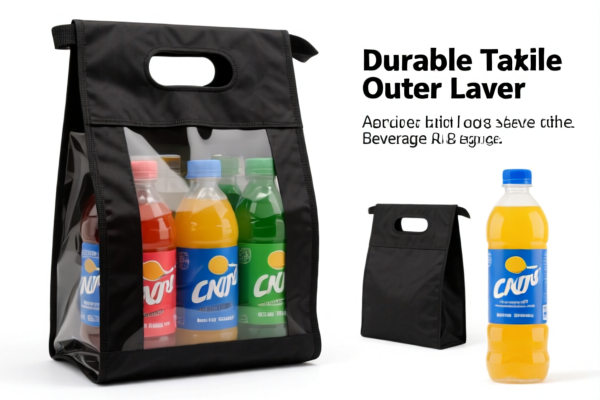
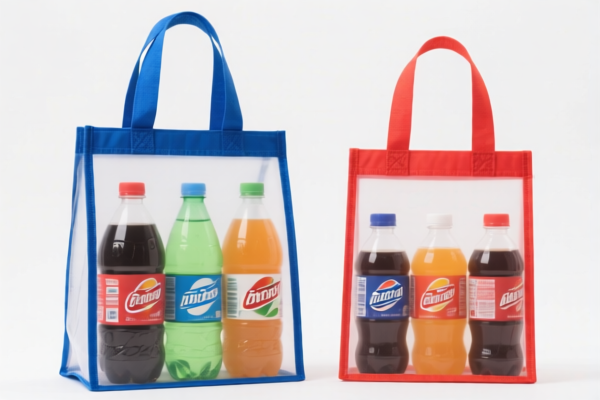
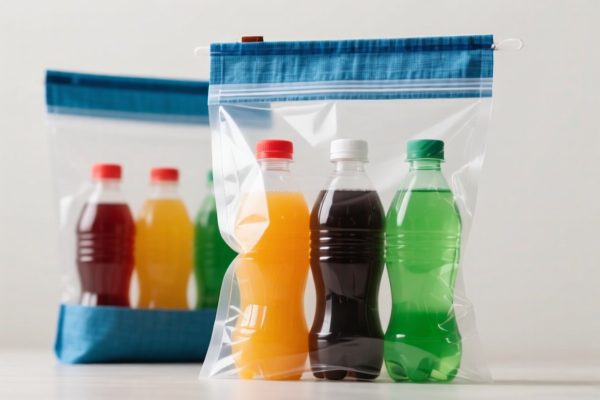
A Durable Textile Outer Beverage Bag is a specialized carrying solution designed for storing and transporting beverages. In international trade, it is primarily classified based on its material composition (textile vs. artificial textile) and its functional form (bag vs. general textile article).
Key Classification Distinctions:
- Finished Articles (Ch 63): If the bag is considered a general textile article (not specifically for food/drink storage under Ch 42).
- Travel/Handbag Goods (Ch 42): If the bag is explicitly designed for carrying food/drink items, featuring insulation or specific structural integrity similar to lunch bags or picnic baskets.
⚠️ Critical Distinction Point:
- If classified as a general textile article → Falls under Chapter 63 (e.g., Sacks, Bags, Other Made-Up Articles).
- If classified as a food/drink carrying bag → Falls under Chapter 42 (e.g., Bags with outer surface of textile materials, for food/drink).
📦 II. HS Code Classification Details (2026 Latest Tariff Authority Comparison)
Based on the provided data, here are the five possible HS Code classifications for the "Durable Textile Outer Beverage Bag," ranging from lowest to highest tax burden.
| HS Code | Product Description & Logic | Total Tax Rate | Tax Composition Detail |
|---|---|---|---|
6307.90.98.91 |
Foldable Textile Outer Beverage Bag: Classified as a "Made-Up Article" of textile. Matches the "Other Made-Up Articles" category. | 24.5% | Base: 7.0% Additional: 7.5% Section 301 (122): 10% |
6305.90.00.00 |
Textile Sacks/Bags: Textile corresponds to "other textile materials"; Bag corresponds to "Sacks and Bags." Fits the attribute of packaging bags. | 23.7% | Base: 6.2% Additional: 7.5% Section 301 (122): 10% |
6305.39.00.00 |
Artificial Textile Bags: Textile corresponds to "artificial textile materials"; Bag corresponds to bag category. Fits the packaging scope. | 25.9% | Base: 8.4% Additional: 7.5% Section 301 (122): 10% |
4202.92.08.09 |
Textile Outer Beverage Bag: Explicitly contains textile outer layer and beverage bag usage. Matches "Food/Drink Bag" classification for textile materials. | 42.0% | Base: 7.0% Additional: 25.0% Section 301 (122): 10% |
4202.92.08.07 |
Artificial Fiber Beverage Bag: Textile outer layer and beverage bag form match classification. Inferred as artificial fiber material. | 42.0% | Base: 7.0% Additional: 25.0% Section 301 (122): 10% |
🔍 Key Insight:
- The Chapter 63 codes (6305.xxxx,6307.xxxx) offer significantly lower tariffs (23.7%–25.9%) compared to Chapter 42 codes (4202.92.08.07/09), which carry a 42.0% total tax rate due to a higher "Additional Tariff" of 25%.
- The choice between6305.90.00.00and6307.90.98.91depends on whether the product is strictly viewed as a "Sack/Bag for Packaging" or a "Other Made-Up Textile Article."
💰 III. 2026 Latest Tariff Rate Breakdown (Detailed Tax Clauses)
✅ Applicable Country: USA (US)
✅ Origin: China (CN)
✅ Effective Time: Current Tariff Regime (Section 301 & 122 Clauses Active)
🎯 1. Low-Tax Option: 6305.90.00.00 (Sacks and Bags)
| Item | Content |
|---|---|
| Base Tariff | 6.2% (ad valorem) |
| Section 301 Additional Tariff | +7.5% (Specific to this subheading) |
| Section 122 (IEEPA) Additional Tariff | +10% (Targeting Chinese textile/packaging goods) |
| Total Tariff Rate | 23.7% |
| Tax Calculation | CIF Value × 23.7% |
| De Minimis Exemption | ❌ Not Applicable (De minimis does not apply to goods subject to Section 301/122 tariffs in most commercial shipments). |
| Legal Basis Path | HTSUS:6305.90.00.00 → USITC Footnote: Additional Tariffs → IEEPA Section 122 |
📌 Explanation:
- This is the most cost-effective classification if the customs authority accepts the bag as a "Sack/Bag" rather than a specialized beverage carrier.
- The 7.5% additional tariff is lower than the 25% seen in Chapter 42.
🎯 2. Mid-Tax Option: 6307.90.98.91 (Other Made-Up Articles)
| Item | Content |
|---|---|
| Base Tariff | 7.0% |
| Section 301 Additional Tariff | +7.5% |
| Section 122 Additional Tariff | +10% |
| Total Tariff Rate | 24.5% |
| Tax Calculation | CIF Value × 24.5% |
| Legal Basis | Similar to above, but classified under "Other Made-Up Articles." |
📌 Note:
- Slightly higher base tariff (7.0% vs 6.2%), but same additional rates.
- Useful if the bag’s structure is complex (e.g., insulated, lined, specialized handles) and doesn’t fit the standard "Sack" definition.
🎯 3. High-Tax Option: 4202.92.08.07 / 4202.92.08.09 (Bags for Food/Drink)
| Item | Content |
|---|---|
| Base Tariff | 7.0% |
| Section 301 Additional Tariff | +25.0% (Significant Jump) |
| Section 122 Additional Tariff | +10% |
| Total Tariff Rate | 42.0% |
| Tax Calculation | CIF Value × 42.0% |
📌 Warning:
- The 25% additional tariff makes this category prohibitively expensive for low-margin goods.
- This classification applies if the bag is deemed a "Lunch Bag," "Picnic Basket," or specifically designed for food safety/insulation beyond simple packaging.
🛠️ IV. Customs Clearance Practical Advice (Battle-Tested Pitfall Avoidance)
✅ 1. Preparation Checklist (Non-Negotiable)
| Document | Required? | Purpose |
|---|---|---|
| ✅ Product Specifications | ✔️ | Detailed description: Dimensions, material composition (e.g., "100% Polyester"), insulation layer presence. |
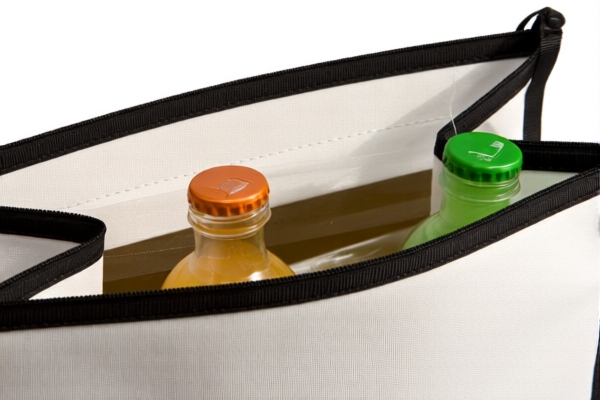
| ✅ Photos (Labeled) | ✔️ | Clear images of the outer textile, handles, zipper, and any interior lining. |
| ✅ Commercial Invoice | ✔️ | Must state: "Textile Outer Beverage Bag" – Avoid terms like "Lunch Bag" or "Insulated Cooler Bag" if aiming for Ch 63. |
| ✅ Material Declaration | ✔️ | Specify if "Natural Textile" or "Artificial Textile" to distinguish between 6305.90 and 6305.39. |
| ✅ Origin Certificate | ✔️ | To prove CN origin and anticipate Section 301/122 duties. |
✅ 2. Declaration Strategy (Key Mnemonic)
🔥 "Descriptive Name, Avoid 'Lunch', Prove It’s a Bag, Not a Basket!"
| Scenario | Correct Declaration | Risk |
|---|---|---|
| Simple Textile Bag | "Textile Bag for Beverages" | Low Risk (Ch 63) |
| Insulated/Lined Bag | "Insulated Textile Bag" | High Risk (May be forced to Ch 42 → 42%) |
| Bag with Rigid Structure | "Textile Outer Bag" | High Risk (May be seen as basket/hamper) |
| General Packaging Bag | "Textile Sack/Bag" | Optimal for 6305.90.00.00 |
✅ 3. Special Case Handling
| Situation | Recommendation |
|---|---|
| Insulated Linings | If the bag has foam or reflective lining, customs may classify it as 4202.92 (42%). Consider omitting "insulated" from the invoice if not functionally critical. |
| "Beverage Bag" vs. "Lunch Bag" | "Beverage Bag" is broader. "Lunch Bag" implies food storage. Use "Beverage Bag" to support Ch 63 classification. |
| Material Composition | Ensure the invoice specifies "Textile Outer Surface" to match 6305.90 or 6307.90. If "Artificial Textile" is used, 6305.39 (25.9%) is the safe bet. |
🌍 V. Global Market Clearance Comparison (2026 Latest)
| Country/Region | Recommended HS Code | Tariff Rate | Certification | Notes |
|---|---|---|---|---|
| 🇺🇸 USA | 6305.90.00.00 |
23.7% | None | Best option. Avoid 4202.92 (42%). |
| 🇨🇳 China | 6305.90.00.00 |
5–10% | None | Lower base tariffs, no Section 301. |
| 🇪🇺 EU | 6305.90 |
0–4% | REACH | No additional duties, but strict chemical compliance. |
| 🇬🇧 UK | 6305.90 |
0–4% | UKCA | Post-Brexit rules apply. |
| 🇨🇦 Canada | 6305.90 |
0–5% | None | FTA benefits may apply if applicable. |
📌 Conclusion:
- The USA is the most challenging market due to Section 301 and 122 tariffs.
- Strategic Goal: Aim for6305.90.00.00or6307.90.98.91to keep tariffs around 24%, avoiding the 42% pitfall of Chapter 42.
📌 VI. Common Errors & Pitfall Guide (Blood-Learning Lessons)
❌ Mistake 1: Using "Lunch Bag" or "Picnic Basket" in the invoice
👉 Consequence: Customs reclassifies to 4202.92.08 → 42% Tax instead of 24%.
❌ Mistake 2: Ignoring the "Outer Surface" material
👉 Consequence: If not specified as "Textile," it may be classified as plastics (3926) or leather (4202), leading to different tariffs and compliance issues.
❌ Mistake 3: Assuming "Beverage Bag" is automatically Ch 42
👉 Consequence: Ch 42 is for "Trunks, Suitcases, Handbags, Satchels." If the bag is simple (like a tote or sack), Ch 63 is more appropriate and cheaper.
❌ Mistake 4: Not declaring "Artificial Textile" correctly
👉 Consequence: If you claim "Textile" but it’s synthetic, 6305.39 (25.9%) may be the correct fit. Misclassification can lead to audits.
✅ Correct Approach:
"Textile Outer Beverage Bag, Made of Polyester, Foldable, for Transport of Cans/Bottles. No Insulation."
HS Code:6305.90.00.00
Tax: 23.7%
🎯 VII. Conclusion: Precision Classification Saves Money!
🎯 Remember the Mantra:
🔹 "Don’t say 'Lunch,' Say 'Beverage Bag'!"
🔹 "Chapter 63 is Cheap, Chapter 42 is Expensive!"
🔹 "24% vs 42% – That’s a 18% Difference on Every Shipment!"📌 Pro Tip:
If your bag is simple, foldable, and textile-only, fight for6305.90.00.00.
If it’s insulated or structured, you may be stuck with4202.92.08(42%).
Consult a customs broker to file an Advance Ruling if the product is complex.
📣 Immediate Action:
📞 Engage a licensed customs broker.
📝 Submit detailed product photos and descriptions.
🚀 Optimize your supply chain by choosing the right HS Code!
✨ Professional Clearance Starts with Accurate Classification!
💼 Every Percent of Tariff Saved is Pure Profit!
Customer Reviews
About HS Code Classification
The Harmonized System (HS) is an internationally standardized nomenclature developed by the World Customs Organization (WCO) to classify traded products. Over 200 countries use the HS system as the basis for customs tariffs, trade statistics, and import/export regulations.
Each HS code follows a hierarchical structure:
- Chapter (2 digits) — Broad category of goods (e.g., Chapter 84: Machinery and Mechanical Appliances)
- Heading (4 digits) — More specific grouping within the chapter
- Subheading (6 digits) — Internationally standardized breakdown, used by all WCO member countries
- National subdivisions (8-10 digits) — Country-specific extensions for further classification, such as US HTSUS 10-digit codes
Correct HS code classification is essential for smooth customs clearance, accurate duty payment, and compliance with trade regulations. Misclassification can lead to customs delays, overpayment of duties, or penalties.
When importing from CN to US, the applicable tariff rates may include:
- Most-Favored-Nation (MFN) rate — The standard duty rate applied to WTO members
- General rate — Applied to countries without trade agreements
- Trade remedy duties — Additional tariffs such as Section 301 (anti-dumping), Section 232 (national security), or countervailing duties
The information provided on this page is for reference purposes only. For official classification, please consult with your local customs authority or a licensed customs broker.