Dust Cover
CN → US| HS Code | Tariff Rate | Origin | Destination | Doc |
|---|---|---|---|---|
| 4016996050 | 37.5% | CN | US | Official Doc |
| 5603120070 | 35.0% | CN | US | Official Doc |
| 4016990500 | 20.9% | CN | US | Official Doc |
| 5603110070 | 35.0% | CN | US | Official Doc |
Product Images
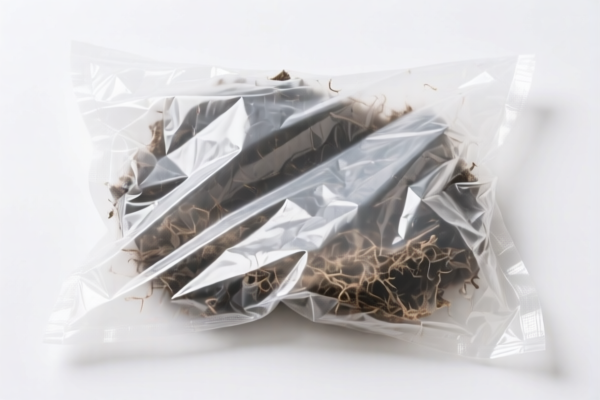
AI Analysis
🛡️ Dust Cover (Protective Housings & Cases)
🌐 HS Code Reference & Clearance Guide | 2026 Latest Tariff Analysis | Professional Clearance Strategy
📌 I. Product Definition & Classification: What is a "Dust Cover"?
A Dust Cover is a protective accessory designed to shield machinery, tools, vehicles, or household items from dust, dirt, moisture, and minor impacts. In international trade, its classification depends strictly on material composition and specific application.
There are two primary material pathways for dust covers: 1. Rubber/Plastic Covers: Flexible, moldable, or molded items made from rubber or plastics (e.g., automotive covers, industrial machinery shields). 2. Textile/Non-Woven Covers: Fabric-based or spun-lace materials used for packaging, storage, or light-duty protection (e.g., fabric tool covers, non-woven machinery bags).
⚠️ Critical Distinction: - Rubber/Plastic → Falls under Chapter 40 (Rubber Articles) or Chapter 39 (Plastics). - Textile/Non-Woven → Falls under Chapter 56 (Textile Articles/Non-wovens). - Misclassification leads to massive tax penalties!
📦 II. HS Code Classification Details (2026 Tariff Authority)
Based on the specific material and usage logic provided in the data:
| HS Code | Material Logic | Application Scope | Tax Rate (Total) |
|---|---|---|---|
| 4016.99.60.50 | Rubber/Plastic (Protective articles) | Industrial or specific use rubber/plastic covers. Fits "Other" category logic. | 37.5% |
| 5603.12.00.70 | Non-Woven Textile (Industrial/Retail) | Non-woven fabrics used as protective covers or components. Industrial/Retail application. | 35.0% |
| 4016.99.05.00 | Rubber (Sulfurized/Other) | General household or miscellaneous rubber covers. Fits "Other Sulfurized Rubber" logic. | 20.9% |
| 5603.11.00.70 | Non-Woven Textile (Components/Covers) | Non-woven parts or protective coverings (e.g., tool cases). | 35.0% |
| 4016.99.60.50 | Rubber/Plastic (Duplicate Entry) | Same as first entry; confirms high probability for rubber/plastic protective gear. | 37.5% |
🔍 Key Insight: - If your dust cover is made of rubber (like a car seat cover or machine shield), it likely falls into 4016.99 series, attracting 20.9% to 37.5% depending on the specific sub-item. - If it is made of non-woven fabric (like a disposable machine bag), it falls into 5603.11/12, typically hitting 35.0%. - Note: The data shows 4016.99.60.50 appearing twice, suggesting it is the most likely classification for standard rubber/plastic dust covers.
💰 III. 2026 Tariff Rate Breakdown (Detailed Tax Analysis)
✅ Applicable Market: USA (US) ✅ Origin: China (CN) ✅ Effective Date: Based on 2026 tariff structures (Section 301 + 122).
🎯 Scenario A: Rubber/Plastic Covers (4016.99.60.50 & 4016.99.05.00)
1. High-Tariff Case: 4016.99.60.50 (37.5%)
Typical for specialized industrial or automotive rubber/plastic covers.
| Item | Details |
|---|---|
| Base Duty | 2.5% |
| Section 301 / Additional Duty | 25.0% |
| "122" Clause Duty | 10.0% |
| Total Effective Tax Rate | 37.5% |
| Calculation | CIF Value × 37.5% |
| De Minimis Exemption | ❌ No (Deny) |
| Legal Basis | Section 301 + 122 Clause |
📌 Explanation: - Base 2.5%: Standard Most-Favored-Nation (MFN) rate for rubber articles. - 25% Additional: Standard Section 301 retaliation tariff on Chinese goods. - 10% "122 Clause": Specific Section 122 tariff (often related to specific strategic imports or recent policy updates). - Result: A 37.5% tax burden makes this category high-cost for importers.
2. Moderate-Tariff Case: 4016.99.05.00 (20.9%)
Typical for general household or specific rubber制品 (Other).
| Item | Details |
|---|---|
| Base Duty | 3.4% |
| Section 301 / Additional Duty | 7.5% |
| "122" Clause Duty | 10.0% |
| Total Effective Tax Rate | 20.9% |
| Calculation | CIF Value × 20.9% |
| De Minimis Exemption | ❌ No (Deny) |
| Legal Basis | Section 301 (Lower bracket) + 122 Clause |
📌 Explanation: - This classification applies to "Other Sulfurized Rubber Articles" for household/miscellaneous use. - The "Additional Duty" is lower (7.5%) compared to the 25% bracket, likely due to specific policy exemptions for non-industrial rubber goods. - Still high, but significantly better than 37.5%.
🎯 Scenario B: Non-Woven Textile Covers (5603.12.00.70 & 5603.11.00.70)
Typical for fabric, non-woven, or synthetic fiber covers.
3. Textile Case: 5603.12.00.70 (35.0%)
Non-woven fabrics for industrial/retail use.
| Item | Details |
|---|---|
| Base Duty | 0.0% |
| Section 301 / Additional Duty | 25.0% |
| "122" Clause Duty | 10.0% |
| Total Effective Tax Rate | 35.0% |
| Calculation | CIF Value × 35.0% |
📌 Explanation: - Base 0%: Non-woven textiles often have zero MFN duty. - The Trap: Despite 0% base, the 25% Section 301 + 10% Clause 122 applies, pushing the total to 35%.
4. Component Case: 5603.11.00.70 (35.0%)
Non-woven parts/packaging covers.
| Item | Details |
|---|---|
| Base Duty | 0.0% |
| Section 301 / Additional Duty | 25.0% |
| "122" Clause Duty | 10.0% |
| Total Effective Tax Rate | 35.0% |
| Calculation | CIF Value × 35.0% |
📌 Explanation: - Identical tax structure to 5603.12.00.70. - The distinction lies in the shape/application (e.g., specific component vs. general bag).
🛠️ IV. Clearance Operational Advice (Practical Pitfall Avoidance)
✅ 1. Material Verification (Critical!)
Before shipping, physically identify the material. - Rubber/Plastic: Soft, flexible, smells like rubber, water-resistant but non-breathable. → Target 4016.99. - Non-Woven: Fabric-like, soft, often disposable, breathable. → Target 5603.11/12.
⚠️ Risk: If you declare a Rubber cover as Non-Woven (to try for 0% base), customs will inspect. If they find rubber, you face 37.5% + Penalties for misdeclaration!
✅ 2. Documentation Checklist
To ensure smooth clearance under these high-tax codes:
| Document | Requirement | Why it Matters |
|---|---|---|
| Material Composition Report | Must explicitly state "100% Rubber" or "Non-Woven Polyester" | Prevents customs guessing the wrong HS Code. |
| Product Photos (Close-up) | Show texture, thickness, and seam type | Distinguishes "Molded Rubber" (4016) from "Fabric" (5603). |
| Usage Description | "Dust Cover for [Specific Machine]" vs. "Household Cover" | Determines if it fits 4016.99.60.50 (Industrial) or 4016.99.05.00 (Household). |
| Bill of Lading | Clear description of "Protective Covers" | Avoids vague terms like "Part" which trigger audits. |
✅ 3. Strategic Tax Planning
- If Rubber Cover: Try to prove it falls under 4016.99.05.00 (20.9%) instead of 4016.99.60.50 (37.5%).
- Strategy: Highlight "Household" or "General Purpose" usage in the invoice to argue for the lower additional duty tier (7.5% vs 25%).
- If Non-Woven: No easy escape. Both 5603 codes hit 35%.
- Strategy: Ensure the packaging is minimal to reduce CIF value, as tax is on the total value.
✅ 4. Special Warning: "122 Clause"
🚨 Important: The 10% "122 Clause" duty is a specific recent policy addition. It applies to ALL listed codes in this data. - Do not assume it is exempted by standard trade agreements. - Do not try to route through a third country (e.g., Vietnam) without proving substantial transformation, or you risk a 122% penalty for transshipment evasion.
🌍 V. Global Market Comparison (2026)
| Market | Recommended HS Code | Total Tax (Approx.) | Key Challenge |
|---|---|---|---|
| 🇺🇸 USA | 4016.99 or 5603.11 |
20.9% ~ 37.5% | High Section 301 + 122 Clause. Very Expensive. |
| 🇪🇺 EU | Similar codes | ~2.7% - 4.5% | Standard EU tariffs, no 301/122. Better. |
| 🇨🇳 China | Domestic | 0% (Domestic Trade) | N/A (Export focus). |
📌 Conclusion: USA is the most expensive market for Dust Covers due to the layered tax structure (Base + 25% + 10%). - Rubber covers: 37.5% is the maximum risk. - Non-woven covers: 35.0% is the baseline. - Action: Calculate landed cost immediately. If the margin is <30%, shipping to the US may be unprofitable.
📌 VI. Common Errors & Solutions
❌ Error 1: Calling it "Part" instead of "Cover" - Consequence: Customs may classify it as a machine part (often higher duty) or demand excessive inspection. - Fix: Clearly label as "Dust Cover", "Protective Case", or "Cover" in the commercial invoice.
❌ Error 2: Mixing Rubber and Non-Woven in one shipment - Consequence: Customs will separate them, potentially applying the higher 37.5% rate to the whole batch if documentation is confused. - Fix: Ship separately or declare two distinct line items with separate HS Codes.
❌ Error 3: Ignoring the "122 Clause" - Consequence: Underestimating tax by 10% leads to cash flow issues and customs hold. - Fix: Always include the 10% buffer in your cost calculation.
🎯 VII. Final Verdict: Strategy for Success
🔥 The Golden Rule: "Material is King, Usage is Queen, Tax is the Bill!"
- Identify Material First: Rubber vs. Fabric.
- Select Sub-Code:
4016.99.60.50(37.5%) vs4016.99.05.00(20.9%). - Prepare Documents: Material reports are mandatory.
- Budget Carefully: Add 37.5% to your CIF cost for US imports.
🚀 Pro Tip: If your product can be made of Plastic instead of Rubber, check if
3926codes apply (often lower than 4016). However, based on the provided data, the Rubber/Non-Woven paths are the primary bottlenecks.
Ready to Ship? ✅ Verify your material. ✅ Choose the right HS Code. ✅ Budget for the 25% + 10% taxes. ✅ Clear the customs! 🚢
Disclaimer: Tariff rates and HS Codes are subject to change by US Customs and Border Protection (CBP) and trade policy updates. Always consult a licensed Customs Broker for final classification.
Customer Reviews
About HS Code Classification
The Harmonized System (HS) is an internationally standardized nomenclature developed by the World Customs Organization (WCO) to classify traded products. Over 200 countries use the HS system as the basis for customs tariffs, trade statistics, and import/export regulations.
Each HS code follows a hierarchical structure:
- Chapter (2 digits) — Broad category of goods (e.g., Chapter 84: Machinery and Mechanical Appliances)
- Heading (4 digits) — More specific grouping within the chapter
- Subheading (6 digits) — Internationally standardized breakdown, used by all WCO member countries
- National subdivisions (8-10 digits) — Country-specific extensions for further classification, such as US HTSUS 10-digit codes
Correct HS code classification is essential for smooth customs clearance, accurate duty payment, and compliance with trade regulations. Misclassification can lead to customs delays, overpayment of duties, or penalties.
When importing from CN to US, the applicable tariff rates may include:
- Most-Favored-Nation (MFN) rate — The standard duty rate applied to WTO members
- General rate — Applied to countries without trade agreements
- Trade remedy duties — Additional tariffs such as Section 301 (anti-dumping), Section 232 (national security), or countervailing duties
The information provided on this page is for reference purposes only. For official classification, please consult with your local customs authority or a licensed customs broker.