Dust Plug
CN → US| HS Code | Tariff Rate | Origin | Destination | Doc |
|---|---|---|---|---|
| 7616109090 | 91.0% | CN | US | Official Doc |
| 4016990500 | 20.9% | CN | US | Official Doc |
| 5603110070 | 35.0% | CN | US | Official Doc |
| 4016996050 | 37.5% | CN | US | Official Doc |
| 5603120070 | 35.0% | CN | US | Official Doc |
Product Images
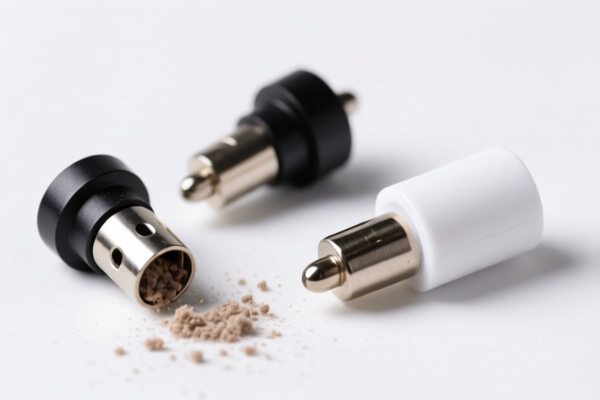
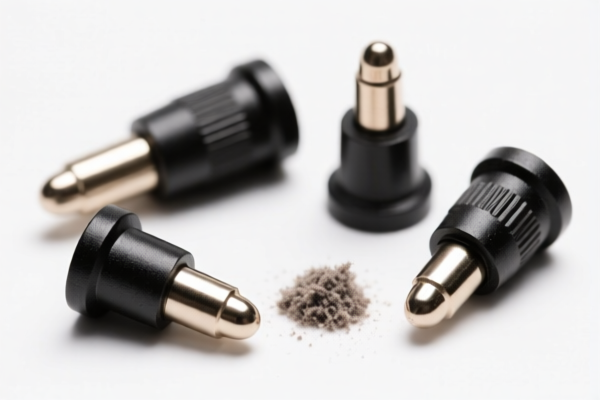
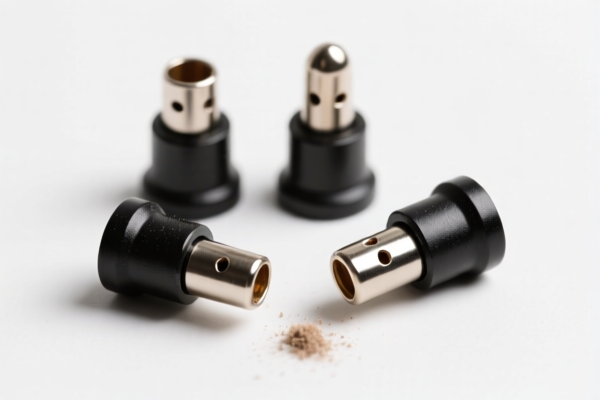
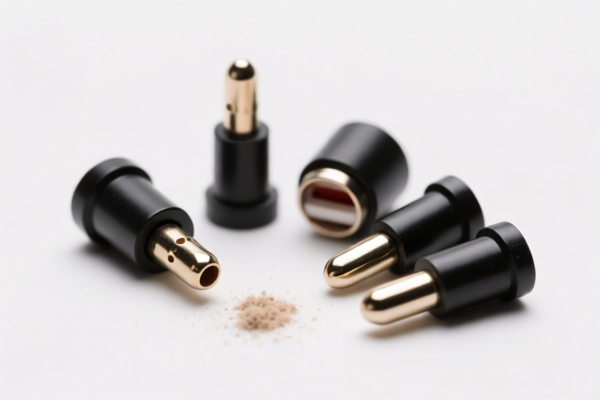
AI Analysis
🛡️ Dust Plug & Dust Covers: The Ultimate HS Code & Tariff Guide (2026 Edition)
🌐 HS Code Classification & Customs Clearance Strategy | 2026 Tariff Breakdown | Expert Importer's Playbook
📌 I. Product Definition & Classification: Do You Really Know "Dust Plugs"?
Dust plugs (often called dust covers or protective caps) are small, critical components designed to seal openings in machinery, electronics, pipes, or containers to prevent the ingress of dirt, moisture, and debris. In international trade, they are not a single uniform product. Their HS Code depends entirely on the material composition and the application context.
The Big Three Categories: 1. Metal Components (Aluminum/Steel): Rigid caps used in industrial piping or heavy machinery. 2. Rubber/Elastic Seals: Flexible boots or gaskets for automotive or mechanical joints. 3. Textile/Non-Woven Protectors: Soft, fabric-like covers for storage or shipping protection.
⚠️ Critical Classification Point: * Material Matters: An aluminum cap ≠ a rubber boot ≠ a fabric cover. * Function Matters: Is it a standalone "protective part" or a "finished article"? * The US Tariff Trap: Depending on the material, US duties can range from 20.9% to 91.0% due to Section 301 and Section 232 (122 Clause) penalties.
📦 II. HS Code Classification Breakdown (2026 Tariff Authority)
Based on the latest 2026 tariff rules, here are the 5 most probable HS Codes for Dust Plugs, ranging from low-cost textiles to high-tariff aluminum.
| HS Code | Product Description & Inference | Material/Category | Tax Rate (Total) |
|---|---|---|---|
| 7616.10.90.90 | Aluminum Dust Plugs Classified as "Other Articles of Aluminum". Context: Rigid, metallic caps, likely for pipes or industrial fittings. |
Aluminum (Metal Parts) | 91.0% ⚠️ |
| 4016.99.05.00 | Rubber/Plastic Dust Covers (Home/General) Classified as "Other Vulcanized Rubber Articles". Context: Flexible, soft rubber or plastic caps for household/light industrial use. |
Rubber/Plastic | 20.9% ✅ |
| 5603.11.00.70 | Non-Woven Dust Covers (Light) Classified as "Non-woven Articles". Context: Fabric-like protective covers, often used for storage or light machinery shielding. |
Non-Woven Textile | 35.0% ⚠️ |
| 4016.99.60.50 | Rubber/Plastic Protective Articles (Industrial) Classified as "Other Rubber/Plastic Articles (Catch-all)". Context: Industrial-grade flexible protection where specific sub-codes don't fit. |
Rubber/Plastic | 37.5% ⚠️ |
| 5603.12.00.70 | Non-Woven Dust Covers (Industrial/Retail) Classified as "Non-woven Fabrics/Articles". Context: Durable textile covers for industrial machinery or retail packaging. |
Non-Woven Textile | 35.0% ⚠️ |
🔍 Key Insight: * Aluminum is the most dangerous category for US imports (91.0% total tax) due to the combination of Section 301 and Section 232 (Steel/Aluminum) tariffs. * Rubber offers the lowest cost entry (20.9%), but only if it fits specific "vulcanized" sub-codes. * Non-woven textiles sit in the middle (35.0%), heavily impacted by the 25% Section 301 tariff.
💰 III. 2026 Detailed Tariff Breakdown (US Market)
✅ Target Market: United States (US)
✅ Origin: China (CN)
✅ Effective Date: 2026 (Current Trade War Framework)
🎯 1. 🚫 7616.10.90.90 — Aluminum Dust Plugs (The High-Cost Trap)
Total Tax: 91.0%**
| Tax Component | Rate | Legal Basis / Description |
|---|---|---|
| Base Duty | 6.0% | Standard Most-Favored-Nation (MFN) rate for Aluminum articles. |
| Section 301 (Add-on) | 25.0% | Additional duties imposed on Chinese goods (List 3 & 4A). |
| Section 232 (122 Clause) | 50.0% | Aluminum Specific Tariff: "10% Steel & Aluminum Products" add-on. |
| Total Calculation | 91.0% | (6% + 25% + 50%) applied to CIF value. |
| De Minimis Exemption | ❌ NO | All commercial imports subject to full duty stacking. |
📌 Expert Note: This is an extremely high tariff. If your product is aluminum, consider sourcing from non-China origins (e.g., Vietnam, Mexico) to avoid the 75% combined add-on (25%+50%).
🎯 2. ✅ 4016.99.05.00 — Rubber/Plastic Dust Covers (Best Value)
Total Tax: 20.9%**
| Tax Component | Rate | Legal Basis / Description |
|---|---|---|
| Base Duty | 3.4% | Standard MFN rate for rubber articles. |
| Section 301 (Add-on) | 7.5% | Lower tier add-on for specific rubber/plastic categories. |
| Section 232 (122 Clause) | 10.0% | Steel/Aluminum Clause: Applied to certain "mixed" or specific rubber products under Section 232 expansion. |
| Total Calculation | 20.9% | (3.4% + 7.5% + 10%). |
| De Minimis Exemption | ❌ NO | Commercial shipment. |
📌 Expert Note: This is the sweet spot. If your dust plug can be classified as "Home/Other" rubber制品, the tax burden is manageable compared to aluminum.
🎯 3. ⚠️ 5603.11.00.70 & 5603.12.00.70 — Non-Woven Dust Covers
Total Tax: 35.0%**
| Tax Component | Rate | Legal Basis / Description |
|---|---|---|
| Base Duty | 0.0% | Non-woven textiles often have 0% base duty. |
| Section 301 (Add-on) | 25.0% | Standard Section 301 tariff on textiles/clothing/apparel. |
| Section 232 (122 Clause) | 10.0% | Section 232 surcharge applied to non-metallic protective covers. |
| Total Calculation | 35.0% | (0% + 25% + 10%). |
| De Minimis Exemption | ❌ NO | Commercial shipment. |
📌 Expert Note: Even with 0% base duty, the 25% Section 301 tax makes these expensive. Ensure the "Non-Woven" classification is accurate (not fabric).
🎯 4. ⚠️ 4016.99.60.50 — Rubber/Plastic (Industrial/General)
Total Tax: 37.5%**
| Tax Component | Rate | Legal Basis / Description |
|---|---|---|
| Base Duty | 2.5% | Catch-all rate for rubber/plastic parts. |
| Section 301 (Add-on) | 25.0% | Higher tier Section 301 rate. |
| Section 232 (122 Clause) | 10.0% | Section 232 surcharge. |
| Total Calculation | 37.5% | (2.5% + 25% + 10%). |
| De Minimis Exemption | ❌ NO | Commercial shipment. |
📌 Expert Note: This is the "Generic" rubber classification. It is slightly higher than
4016.99.05.00due to the 25% Section 301 rate instead of 7.5%.
🛠️ IV. Customs Clearance Action Plan (实战避坑指南)
✅ 1. Preparation Checklist (Must-Haves)
| Document | Requirement | Why It Matters |
|---|---|---|
| Material Safety Data Sheet (MSDS) | ✔️ Required | Proves composition (Aluminum vs. Rubber vs. Fabric) to customs. |
| Product Photos (Clear & Close-up) | ✔️ Required | Must show texture (metallic sheen vs. rubber flexibility vs. fabric weave). |
| Bill of Materials (BOM) | ✔️ Required | Explicitly list % of material. If 90% aluminum, 7616 is likely. |
| Usage Declaration | ✔️ Required | Is it a "part of a machine" (7616) or a "protective cover" (4016/5603)? |
| Commercial Invoice | ✔️ Required | Must NOT say "Dust Plug" alone. Use specific description: "Aluminum Dust Cap" or "Rubber Dust Cover". |
✅ 2. Declaration Strategy (The "Golden Rule")
🔥 "Material Defines the Code, Usage Defines the Category!"
| Scenario | Correct Declaration | Wrong Declaration | Consequence |
|---|---|---|---|
| Aluminum Cap | "Aluminum Dust Plug, HS 7616.10.90.90" | "Rubber Part" or "General Part" | Audit Risk: Customs will reclassify & charge 91% + fines. |
| Rubber Boot | "Vulcanized Rubber Dust Cover, HS 4016.99.05.00" | "Plastic Part" | Risk: May be bumped to 37.5% if misidentified. |
| Fabric Cover | "Non-Woven Protective Cover, HS 5603.12.00.70" | "Textile" | Risk: If actually non-woven, 35% applies. If cotton, different rate. |
| Mixed Material | "Aluminum Core with Rubber Seal" | "Composite Part" | Risk: Customs may split or tax based on primary material (Aluminum). |
✅ 3. Special Scenarios & Handling
| Situation | Strategy |
|---|---|
| OEM Custom Molded Parts | Provide the mold design. If it looks like a "machine part" rather than a "cover", customs may push for 7616 (Aluminum) or 4016 (Rubber). |
| Packaging with Dust Covers | If the cover is sold with a machine, declare it as a part of the machine (HS of the machine), NOT as a separate dust plug. |
| Small Samples (< $800) | Check if De Minimis ($800) applies. Note: Most Section 301/232 duties still apply to commercial shipments, but small B2C packages might slip through. |
| Avoiding Aluminum Tariff | Material Switch: If possible, design the dust plug as a Polymer/Plastic (if structural integrity allows) to avoid the 50% Section 232 Aluminum tariff. |
🌍 V. Global Market Comparison (2026)
| Region | Recommended HS Code | Approx. Duty (China Origin) | Key Risk |
|---|---|---|---|
| 🇺🇸 USA | 7616.10.90.90 (Al) | 91.0% (Highest Risk) | Section 301 + Section 232 Stack |
| 🇺🇸 USA | 4016.99.05.00 (Rubber) | 20.9% (Best Option) | Must prove "Vulcanized" status |
| 🇪🇺 EU | 7616.10 (Al) | ~12% + CE | No Section 301/232, but anti-dumping checks |
| 🇪🇺 EU | 4016.99 (Rubber) | ~1.7% | Low duty, focus on REACH compliance |
| 🇨🇳 China | 7616.10 (Al) | ~6% | Export tax if restricted |
| 🇨🇳 China | 4016.99 (Rubber) | ~3.4% | Standard export |
📌 Conclusion: * USA is the most hostile market for Aluminum Dust Plugs. The 91% tax is a dealbreaker for most margins. * Rubber/Plastic is the safest bet for the US market (20.9% - 37.5%). * Non-Woven is the middle ground (35%).
📌 VI. Common Pitfalls & "Blood and Tears" Lessons
❌ Pitfall 1: Calling it "Plastic" when it's Aluminum. 👉 Result: Customs detects the metallic weight, reclassifies to 7616.90.90.90. Bill jumps from 20% to 91% + 3 months detention.
❌ Pitfall 2: Splitting "Part + Cover" to avoid tax. 👉 Result: Customs sees the cover as an essential accessory. You must pay tax on the entire set.
❌ Pitfall 3: Using generic "Dust Cap" on Invoice. 👉 Result: Customs officers guess. They will guess the highest taxable code (Aluminum).
✅ Correct Action:
"Customs Declaration: 'Vulcanized Rubber Dust Cover for Automotive Engine, Model X, HS 4016.99.05.00'."
🎯 VII. Final Verdict & Pro Tip
🎯 Remember the "Aluminum Trap": "If it's shiny metal, prepare for 91% tax in the US." "If it's soft/rubber, aim for 20.9%." "If it's fabric, expect 35%."
🚀 Actionable Advice: 1. Conduct a Material Audit: Ensure your BOM explicitly separates Aluminum from Rubber. 2. Pre-Apply for Rulings: If your product is a hybrid, apply for a Binding Tariff Information (BTI) or US CBP Ruling before shipping. 3. Consider Supply Chain Shift: If shipping Aluminum Dust Plugs to the US is critical, consider sourcing from Vietnam or Mexico (if assembly meets Rules of Origin) to bypass the 50% Section 232 tariff.
✨ Precision Classification = Profit Protection!
💼 Don't let a simple dust plug cost you 91% of your margin!
📞 Contact your customs broker today to verify the HS Code for your specific material mix.
Customer Reviews
About HS Code Classification
The Harmonized System (HS) is an internationally standardized nomenclature developed by the World Customs Organization (WCO) to classify traded products. Over 200 countries use the HS system as the basis for customs tariffs, trade statistics, and import/export regulations.
Each HS code follows a hierarchical structure:
- Chapter (2 digits) — Broad category of goods (e.g., Chapter 84: Machinery and Mechanical Appliances)
- Heading (4 digits) — More specific grouping within the chapter
- Subheading (6 digits) — Internationally standardized breakdown, used by all WCO member countries
- National subdivisions (8-10 digits) — Country-specific extensions for further classification, such as US HTSUS 10-digit codes
Correct HS code classification is essential for smooth customs clearance, accurate duty payment, and compliance with trade regulations. Misclassification can lead to customs delays, overpayment of duties, or penalties.
When importing from CN to US, the applicable tariff rates may include:
- Most-Favored-Nation (MFN) rate — The standard duty rate applied to WTO members
- General rate — Applied to countries without trade agreements
- Trade remedy duties — Additional tariffs such as Section 301 (anti-dumping), Section 232 (national security), or countervailing duties
The information provided on this page is for reference purposes only. For official classification, please consult with your local customs authority or a licensed customs broker.