Dust proof Box
CN → US| HS Code | Tariff Rate | Origin | Destination | Doc |
|---|---|---|---|---|
| 3926909989 | 22.8% | CN | US | Official Doc |
| 3926901000 | 20.9% | CN | US | Official Doc |
| 4202999000 | 55.0% | CN | US | Official Doc |
| 4202995000 | 42.8% | CN | US | Official Doc |
| 7326903500 | 92.8% | CN | US | Official Doc |
Product Images
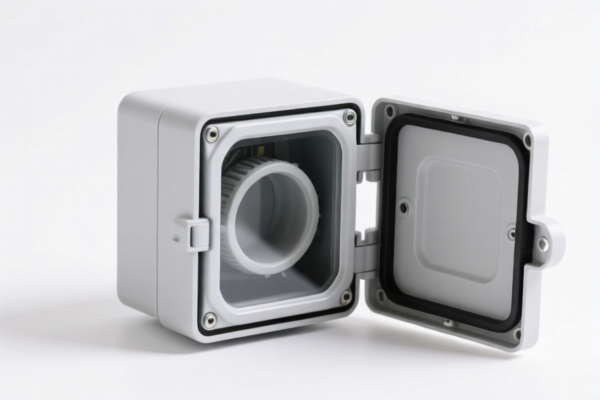
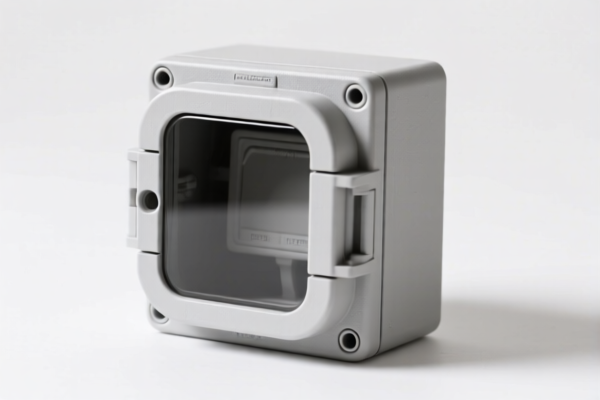
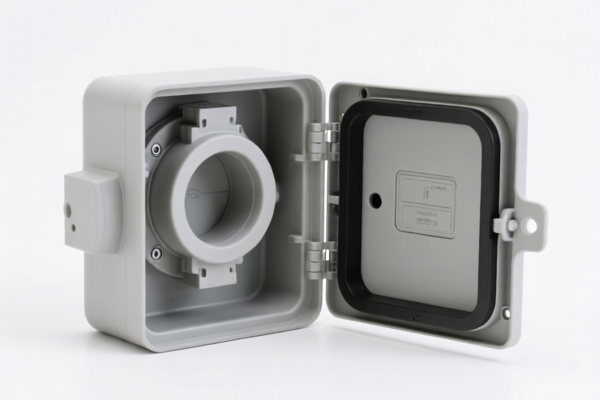
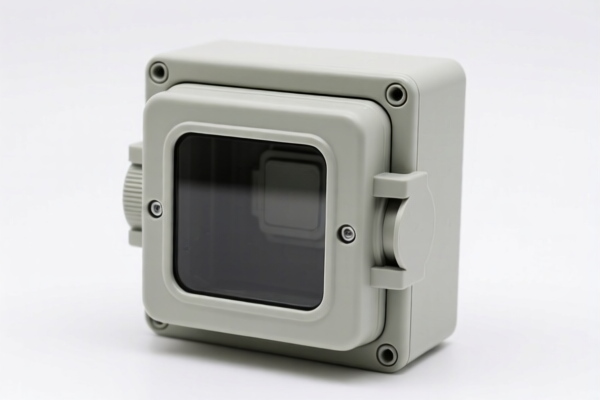
AI Analysis
📦 Dust Proof Box (Dust-Resistant Enclosures & Storage Cases)
🌐 HS Code Reference & Customs Clearance Guide | 2026 Latest Tariff Analysis | Professional Clearance Strategy
📌 I. Product Definition and Classification: What Exactly is a "Dust Proof Box"?
A "Dust Proof Box" is a broad term used in international trade that can refer to several different types of containers or protective equipment. In customs classification, the material and function are the critical factors determining the HS Code. It generally falls into three main categories:
1. Plastic Enclosures/Containers: Rigid plastic boxes used for storing tools, components, or general goods. Often referred to as "Totes" or "Storage Cases."
2. Leather/Textile/Metal Cases: Protective cases for instruments, jewelry, or electronics, made from leather, fabric, or metal frames.
3. Metal Containers: Industrial steel or aluminum boxes used for shipping or heavy-duty storage.
⚠️ Key Distinction Point:
- If the box is made of plastic and is a general container → Goes to Chapter 39.
- If the box is made of metal and is a general container → Goes to Chapter 73.
- If the box is made of leather, textile, or other materials and serves as a carrying case/container → Goes to Chapter 42.
📦 II. HS Code Classification Details (2026 Latest Tariff Authority Comparison)
Based on the provided data, here are the specific HS Codes and their logical deductions:
| HS Code | Product Description | Material Deduction | Primary Use |
|---|---|---|---|
3926.90.99.89 |
Other Plastic Articles | Plastic inferred. Classified as other plastic products. | General plastic storage boxes, tote bins, plastic crates. |
3926.90.10.00 |
Other Articles of Plastic or Metal | Plastic or Metal inferred based on common sense. | Specialized plastic/metal accessories or small containers. |
4202.99.90.00 |
Containers/Cases (Miscellaneous) | Plastic, Metal, or Textile. Classified as a container/bag category. | Protective carrying cases, tool cases, instrument cases (if not strictly "box" under Ch 39/73). |
4202.99.50.00 |
Containers (Other Materials) | Not Leather, Plastic, Textile, or Cardboard. | Cases made from other unspecified materials (e.g., certain composite materials). |
7326.90.35.00 |
Other Steel Articles: Containers | Metal (Steel/Aluminum/Copper) inferred. | Industrial metal containers, steel toolboxes, aluminum crates. |
🔍 Critical Note:
- "Dust Proof" is a functional description, not a material one. Customs classifiers will look at the physical composition.
- If it’s a plastic toolbox, it often falls under3926.90.99.89.
- If it’s a metal toolbox, it falls under7326.90.35.00.
- If it’s a soft-sided or mixed-material carrying case, it may fall under4202.99.90.00.
💰 III. 2026 Latest Tariff Rate Breakdown (Including Surtaxes & Policy Add-ons)
✅ Applicable Country: United States (US)
✅ Country of Origin: China (CN)
✅ Effective Time: Current rates apply including Section 301 and Section 232 measures.
🎯 1. 3926.90.99.89 —— Plastic Articles (Plastic Dust Proof Box)
| Item | Detail |
|---|---|
| Base Tariff | 5.3% |
| Surtax (Section 301) | 7.5% |
| Section 122 Tariff | 10% |
| Total Tax Rate | 22.8% |
| Tax Calculation | CIF Value × 22.8% |
| De Minimis Exemption | ❌ Not Applicable (High value threshold) |
| Legal Basis Path | HTSUS 3926.90.99.89 → Section 301 Footnotes → Section 122 Authority |
📌 Explanation:
- This is the most common classification for standard plastic storage boxes (e.g., Rubbermaid-style totes).
- The 22.8% total rate is a combination of standard MFN rate plus additional trade remedy tariffs.
- No IEEPA 25% tax is applied here (unlike steel/aluminum in some contexts), but Section 122 adds 10%.
🎯 2. 3926.90.10.00 —— Other Plastic or Metal Articles
| Item | Detail |
|---|---|
| Base Tariff | 3.4% |
| Surtax (Section 301) | 7.5% |
| Section 122 Tariff | 10% |
| Total Tax Rate | 20.9% |
| Tax Calculation | CIF Value × 20.9% |
| De Minimis Exemption | ❌ Not Applicable |
| Legal Basis Path | HTSUS 3926.90.10.00 → Section 301 Footnotes → Section 122 Authority |
📌 Explanation:
- This code is for less common plastic or metal articles that don’t fit the "other plastic articles" general bucket.
- Slightly lower total tax (20.9%) than3926.90.99.89, but classification must be strictly justified.
🎯 3. 4202.99.90.00 —— Containers/Cases (Leather/Textile/Plastic Mixed)
| Item | Detail |
|---|---|
| Base Tariff | 20.0% |
| Surtax (Section 301) | 25.0% |
| Section 122 Tariff | 10% |
| Total Tax Rate | 55.0% |
| Tax Calculation | CIF Value × 55.0% |
| De Minimis Exemption | ❌ Not Applicable |
| Legal Basis Path | HTSUS 4202.99.90.00 → Section 301 Footnotes → Section 122 Authority |
📌 Explanation:
- Extremely High Tax! If your "dust proof box" is considered a "case" (e.g., a camera bag, jewelry case, or soft-sided travel case) rather than a rigid "container," it hits this code.
- The 25% surtax is the standard Section 301 rate for Chapter 42 goods from China.
- Warning: Do not misclassify a rigid plastic box as a "case" to save tax; customs may reclassify and penalize.
🎯 4. 4202.99.50.00 —— Containers (Other Materials)
| Item | Detail |
|---|---|
| Base Tariff | 7.8% |
| Surtax (Section 301) | 25.0% |
| Section 122 Tariff | 10% |
| Total Tax Rate | 42.8% |
| Tax Calculation | CIF Value × 42.8% |
| De Minimis Exemption | ❌ Not Applicable |
| Legal Basis Path | HTSUS 4202.99.50.00 → Section 301 Footnotes → Section 122 Authority |
📌 Explanation:
- For containers made of materials not classified as leather, plastic, textile, or cardboard (e.g., certain composite or paper-based hard cases).
- Still carries the high 25% Section 301 surtax.
🎯 5. 7326.90.35.00 —— Steel Containers (Metal Dust Proof Box)
| Item | Detail |
|---|---|
| Base Tariff | 7.8% |
| Surtax (Section 301) | 25.0% |
| Section 122 Tariff | 10% |
| Steel/Aluminum/Copper Surcharge | 50% |
| Total Tax Rate | 92.8% |
| Tax Calculation | CIF Value × 92.8% |
| De Minimis Exemption | ❌ Not Applicable |
| Legal Basis Path | HTSUS 7326.90.35.00 → Section 232 (Steel/Aluminum) → Section 301 → Section 122 |
📌 Explanation:
- THE HIGHEST TAX RATE! If your "dust proof box" is made of steel, aluminum, or copper, it is subject to Section 232 tariffs in addition to Section 301 and Section 122.
- 50% Surcharge for steel/aluminum/copper products is applied on top of other taxes.
- Avoid this classification if possible unless the product is genuinely industrial metal containers. Plastic alternatives are significantly cheaper in terms of duty.
🛠️ IV. Customs Clearance Practical Advice (Real-World Pitfall Guide)
✅ 1. Document Checklist (Must-Haves)
| Document | Required? | Notes |
|---|---|---|
| ✅ Product Photos | ✔️ | Clear images showing material (plastic vs. metal vs. fabric). |
| ✅ Material Specification | ✔️ | Explicitly state: "100% Polypropylene Plastic" or "Steel Frame with Plastic Lid." |
| ✅ Commercial Invoice | ✔️ | Description must match HS Code (e.g., "Plastic Storage Box" vs. "Metal Tool Container"). |
| ✅ Packing List | ✔️ | Weight and dimensions to verify container type. |
| ✅ Technical Data Sheet | ✔️ | If claiming "Dust Proof," provide IP rating (e.g., IP67) as supporting evidence of function. |
✅ 2. Declaration Strategy (Key Rules)
🔥 "Material Dictates Code, Function Supports Description!"
| Scenario | Correct HS Code | Error Risk |
|---|---|---|
| Plastic Storage Box (e.g., Tote) | 3926.90.99.89 (22.8%) |
Misdeclaring as metal → 92.8% |
| Metal Tool Chest | 7326.90.35.00 (92.8%) |
Misdeclaring as plastic → 22.8% (Risk of penalty) |
| Soft-Sided Case (Fabric/Leather) | 4202.99.90.00 (55.0%) |
Misdeclaring as plastic → 22.8% (Risk of penalty) |
| Composite Hard Case | 4202.99.50.00 (42.8%) |
Misdeclaring as plastic → 22.8% (Risk of penalty) |
⚠️ Warning:
- Section 232 (50% tax) on metal containers is non-negotiable for steel/aluminum/copper from China.
- Plastic is the safest bet for low-duty compliance. If you can switch from metal to plastic, you save ~70% in taxes.
✅ 3. Special Cases & Handling
| Scenario | Handling Advice |
|---|---|
| Mixed Material Box (Plastic body, Metal latch) | Generally classified under Chapter 39 (Plastic) if plastic forms the essential character. |
| Industrial Steel Crate | Must use 7326.90.35.00. No exemption. Budget for 92.8% tax. |
| Camera/Instrument Case | If it has straps/soft parts, use 4202.99.90.00. If rigid plastic shell with foam, may still be 3926.90.99.89 — clarify with broker. |
| "Dust Proof" Certification | Provide IP65/IP67 rating certificate to justify "specialized container" if needed, but material remains key. |
🌍 V. Global Market Comparison (2026 Latest)
| Country/Region | Recommended HS Code | Total Tax Rate (China Origin) | Key Certification | Notes |
|---|---|---|---|---|
| 🇺🇸 USA | 3926.90.99.89 (Plastic) |
22.8% | None specific | High taxes on metal (92.8%) and cases (55%). |
| 🇪🇺 EU | 3926.90.99.90 |
~0-6% | REACH/RoHS | No Section 301/232 equivalent. Much lower cost. |
| 🇨🇳 China | 3926.90.99.89 |
~6.5% | CCC (if applicable) | Lower import duty, no surtaxes. |
| 🇯🇵 Japan | 3926.90.99.90 |
~0-8% | PSE (if electrical) | Moderate rates. |
📌 Conclusion:
- USA is the most expensive market for dust-proof boxes due to multiple layers of tariffs (Base + 301 + 122 + 232).
- Plastic boxes are significantly more cost-effective than metal ones in the US.
- Metal boxes face a near-100% tax burden; consider plastic alternatives or supply chain diversification (e.g., Vietnam/Mexico) to avoid Section 232/301.
📌 VI. Common Errors & Pitfalls (Lessons Learned)
❌ Error 1: Calling a plastic box a "Tool Case" and using 4202.99.90.00
👉 Result: Tax jumps from 22.8% to 55%.
✅ Fix: Use 3926.90.99.89 for rigid plastic containers.
❌ Error 2: Calling a steel toolbox a "Plastic Box" to avoid Section 232
👉 Result: Customs audit, penalty, and back-taxes of ~70%.
✅ Fix: Declare correctly as steel. Budget for 92.8%.
❌ Error 3: Ignoring Section 122 Tariff
👉 Result: Under-declaration. All categories above include 10% Section 122 tax.
✅ Fix: Always add 10% to your base + 301 calculation for US imports from China.
🎯 VII. Conclusion: Professional Declaration, Cost Optimization!
🎯 Remember the Rules:
🔹 "Plastic is Cheap (22.8%), Metal is Expensive (92.8%), Case is Middle (55%)."
🔹 "Material First, Function Second."
🔹 "Section 122 adds 10% to everything."
📌 Pro Tip:
- If you are importing plastic dust-proof boxes, use 3926.90.99.89 for the lowest risk and moderate cost.
- If you are importing metal containers, explore duty drawback programs or supply chain relocation to avoid the 92.8% tariff.
- Always request an Advance Ruling from US Customs if your product is on the borderline between plastic, metal, and cases.
📣 Immediate Action:
📞 Contact a licensed customs broker + Provide material specs + Apply for HS Code Pre-Ruling.
🚀 Optimize your HS Code, Reduce Your Tax, Maximize Your Profit!
✨ Professional Clearance Starts with Accurate Classification!
💼 Every Percentage Point of Duty Counts!
Customer Reviews
About HS Code Classification
The Harmonized System (HS) is an internationally standardized nomenclature developed by the World Customs Organization (WCO) to classify traded products. Over 200 countries use the HS system as the basis for customs tariffs, trade statistics, and import/export regulations.
Each HS code follows a hierarchical structure:
- Chapter (2 digits) — Broad category of goods (e.g., Chapter 84: Machinery and Mechanical Appliances)
- Heading (4 digits) — More specific grouping within the chapter
- Subheading (6 digits) — Internationally standardized breakdown, used by all WCO member countries
- National subdivisions (8-10 digits) — Country-specific extensions for further classification, such as US HTSUS 10-digit codes
Correct HS code classification is essential for smooth customs clearance, accurate duty payment, and compliance with trade regulations. Misclassification can lead to customs delays, overpayment of duties, or penalties.
When importing from CN to US, the applicable tariff rates may include:
- Most-Favored-Nation (MFN) rate — The standard duty rate applied to WTO members
- General rate — Applied to countries without trade agreements
- Trade remedy duties — Additional tariffs such as Section 301 (anti-dumping), Section 232 (national security), or countervailing duties
The information provided on this page is for reference purposes only. For official classification, please consult with your local customs authority or a licensed customs broker.