Dyed Chicken Feathers
CN → US| HS Code | Tariff Rate | Origin | Destination | Doc |
|---|---|---|---|---|
| 050290 | 0.0% | CN | US | Official Doc |
| 050210 | 0.0% | CN | US | Official Doc |
Product Images
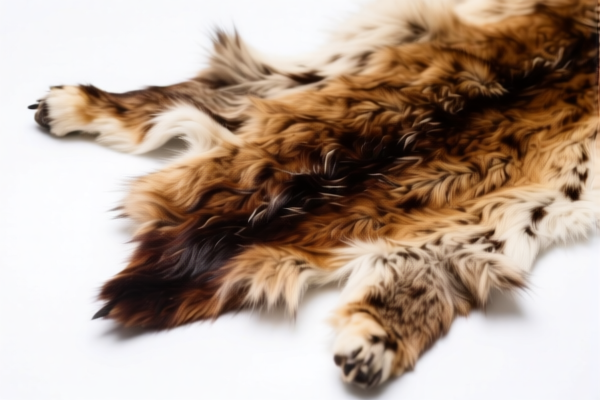
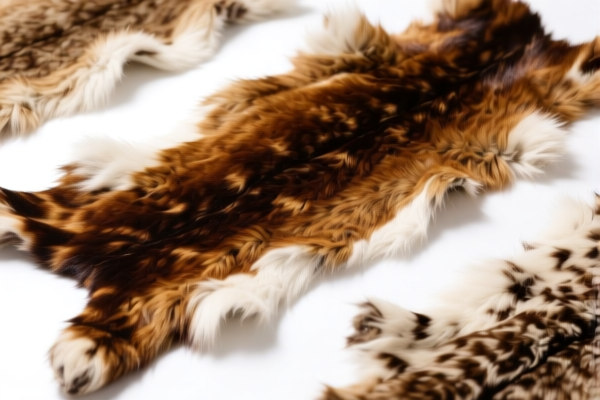
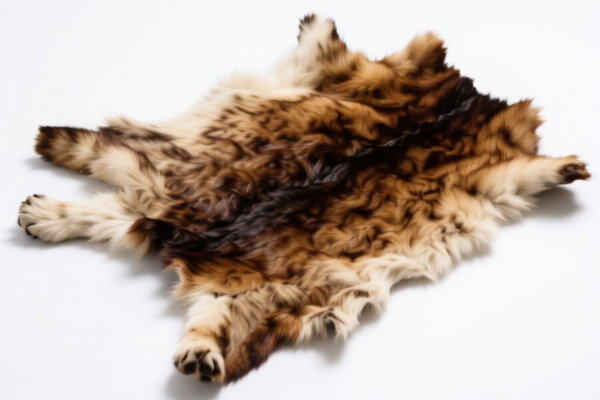
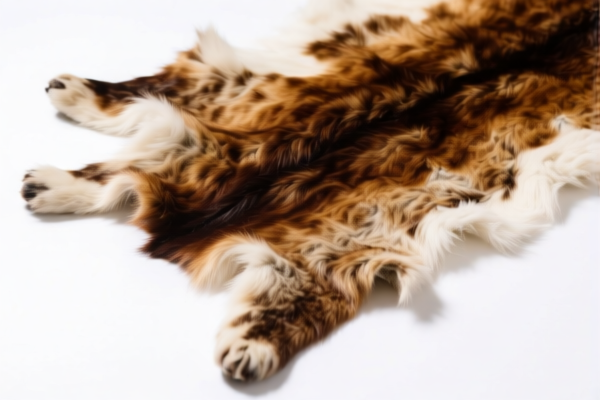
AI Analysis
🪶 Dyed Chicken Feathers: HS Code Classification & Customs Clearance Guide (2026)
🌐 HS Code Reference & Customs Strategy | Professional Import/Export Compliance
📌 Product: Dyed Chicken Feathers
Chicken feathers, when dyed or prepared for specific uses (such as feather pillows, decorative items, or fishing flies), are classified under specific headings in the Harmonized System. This guide details the correct HS Code classification, tax implications, and critical clearance advice for Dyed Chicken Feathers.
📦 1. HS Code Classification Details
Based on the provided data, dyed chicken feathers fall under Chapter 05 (Animal Products), specifically heading 05.02 (Pig, boar, and badger hairs; bristles and hair; dyed or otherwise prepared; waste thereof).
There are two distinct codes provided in the source data, differentiated by specific product descriptions:
🎯 Code A: General "Other Poultry Feathers"
| Field | Detail |
|---|---|
| HS Code | 0502.90 |
| Description | Other poultry feathers and feather waste, dyed or otherwise prepared, not elsewhere specified or included |
| Tax Status | Error: Failed to retrieve tax information |
| Total Tax | Error |
⚠️ Key Insight: This code is a "catch-all" for poultry feathers that do not fit into more specific sub-categories. If the feathers are not explicitly identified as "chicken" in customs declarations, this is often the default classification for other poultry (ducks, geese, etc.).
🎯 Code B: Specific "Chicken Feathers"
| Field | Detail |
|---|---|
| HS Code | 0502.10 |
| Description | Chicken feathers, dyed or otherwise prepared, not elsewhere specified or included |
| Tax Status | Error: Failed to retrieve tax information |
| Total Tax | Error |
⚠️ Key Insight: This code is specific to chicken feathers. If your product is explicitly chicken feathers (as opposed to duck or goose), this is the more precise classification. However, the tax data provided in the source system indicates a failure to retrieve.
💰 2. Tax & Duty Analysis (Critical Warning)
❗ URGENT: Tax Data Retrieval Failed
The source system returned"total_tax": "Error"and"tax_detail": "Failed to retrieve tax information"for both HS Codes.
🚫 What This Means for Clearance:
- No Standard Rate Available: You cannot use a standard tariff rate (e.g., 0%, 5%, or 10%) from this dataset.
- High Risk of Misclassification: Since the system cannot confirm the tax, customs authorities may assign a default rate, apply penalties, or request additional documentation.
- Variable by Country: Tariff rates for HS Code
0502.90and0502.10vary significantly by country (e.g., US, EU, China, ASEAN). For example:- US: Often 0% or low duties, but subject to agricultural inspections.
- EU: Varies, often subject to sanitary controls.
- China: May have specific import duties on animal products.
✅ Recommended Action:
- Do NOT assume a tax rate.
- Consult a local customs broker or check the specific national tariff schedule (e.g., USITC, TARIC, China Customs) for the current rate for:
0502.10.00(Chicken feathers)0502.90.00(Other poultry feathers)
- Request a Pre-Ruling: If possible, submit the product details to the customs authority of the importing country for an advance classification ruling.
🛠️ 3. Customs Clearance Strategy & Compliance Tips
✅ 1. Product Description & Documentation
To avoid delays and misclassification, your commercial invoice and packing list must be precise:
| Document | Required Content |
|---|---|
| Commercial Invoice | Clearly state: "Dyed Chicken Feathers" or "Prepared Poultry Feathers".Include HS Code: 0502.10 or 0502.90. |
| Packing List | Specify net weight/gross weight. Note any packaging material (e.g., vacuum-sealed bags). |
| Certificate of Origin | Required to determine eligibility for any preferential trade agreements (if applicable). |
| Sanitary/Phytosanitary Certificate | CRITICAL: Animal products often require health certificates from the exporting country’s veterinary authority to prove they are free from diseases (e.g., Avian Influenza). |
| Material Safety Data Sheet (MSDS) | If the dyeing process involves chemicals, some countries may require MSDS to confirm non-hazardous nature. |
✅ 2. Classification Decision: 0502.10 vs. 0502.90
| Factor | Choose 0502.10 |
Choose 0502.90 |
|---|---|---|
| Species | Explicitly Chicken | Duck, Goose, Turkey, Ostrich, or Mixed Poultry |
| Preparation | Dyed or prepared | Dyed, bleached, or otherwise prepared |
| Risk Level | Lower (More specific) | Higher (Broader category) |
| Advice | Use if you have proof of species (e.g., supplier declaration). | Use if the feathers are a mix or the species is unspecified. |
💡 Pro Tip: If you are importing only chicken feathers, insist on
0502.10. If you are importing a mix of duck and chicken feathers, you may need to declare them separately or use0502.90for the non-chicken portion, depending on local customs rules.
✅ 3. Common Pitfalls & How to Avoid Them
| Pitfall | Consequence | Solution |
|---|---|---|
| Missing Sanitary Certificate | Shipment held or destroyed at border | Obtain a veterinary health certificate from the origin country before shipping. |
| Vague Description | Customs assigns higher default tax rate | Use precise language: "Dyed Chicken Feathers, for decorative use". |
| Incorrect HS Code | Penalties, back-dated duties | Verify the HS Code with a local broker. Do not rely solely on the "Error" tax data. |
| Inconsistent Weight | Customs inspection delay | Ensure declared weight matches physical weight. |
🌍 4. Global Market Insights (General Guidelines)
Since specific tax rates are unavailable in the source data, here are general trends for Animal Hair/Feather Products (HS 0502):
| Region | Typical Duty Rate | Key Requirements |
|---|---|---|
| 🇺🇸 United States | 0% – 5% (varies) | FDA registration may be required if used in food-related applications. Sanitary certificate is crucial. |
| 🇪🇺 European Union | 0% – 6% | Strict sanitary controls. Must comply with EU animal by-product regulations. |
| 🇨🇳 China | 5% – 10% | Requires CIQ (China Inspection and Quarantine) inspection. |
| 🇮🇳 India | 5% – 10% | Import license may be required. |
| 🇦🇺 Australia | 0% – 5% | Extremely strict biosecurity. Requires detailed treatment certificates. |
📌 Conclusion:
- Australia and the EU have the strictest biosecurity requirements for feather imports.
- Always include a veterinary health certificate to avoid quarantine delays.
📌 5. Final Checklist for Clearing Dyed Chicken Feathers
- [ ] Confirm Species: Is it 100% chicken? If yes, use
0502.10. If mixed, use0502.90. - [ ] Verify Tax Rate: Do not use the "Error" value. Check the local customs tariff for the current duty rate.
- [ ] Prepare Sanitary Docs: Get a veterinary health certificate from the exporter’s government.
- [ ] Clear Description: Use
"Dyed Chicken Feathers, Prepared, for [Specific Use]". - [ ] Consult Broker: Engage a licensed customs broker to file the entry, especially if the HS Code classification is contested.
🎯 Summary: Action Plan
🔹 HS Code:
0502.10(Chicken) or0502.90(Other Poultry)
🔹 Tax Status: UNKNOWN (Data Error in Source) → MUST VERIFY LOCALLY
🔹 Key Document: Veterinary/Sanitary Certificate
🔹 Risk Level: HIGH (Due to tax data error + animal product regulations)
📣 Immediate Action:
📞 Contact a customs broker in the destination country.
📄 Provide sample invoices and product images for accurate classification.
🚫 Do not ship without verifying the current duty rate and sanitary requirements.
✨ Professional Compliance Starts with Precision
💼 Your shipment is an animal product – treat it with the necessary care and documentation.
Customer Reviews
About HS Code Classification
The Harmonized System (HS) is an internationally standardized nomenclature developed by the World Customs Organization (WCO) to classify traded products. Over 200 countries use the HS system as the basis for customs tariffs, trade statistics, and import/export regulations.
Each HS code follows a hierarchical structure:
- Chapter (2 digits) — Broad category of goods (e.g., Chapter 84: Machinery and Mechanical Appliances)
- Heading (4 digits) — More specific grouping within the chapter
- Subheading (6 digits) — Internationally standardized breakdown, used by all WCO member countries
- National subdivisions (8-10 digits) — Country-specific extensions for further classification, such as US HTSUS 10-digit codes
Correct HS code classification is essential for smooth customs clearance, accurate duty payment, and compliance with trade regulations. Misclassification can lead to customs delays, overpayment of duties, or penalties.
When importing from CN to US, the applicable tariff rates may include:
- Most-Favored-Nation (MFN) rate — The standard duty rate applied to WTO members
- General rate — Applied to countries without trade agreements
- Trade remedy duties — Additional tariffs such as Section 301 (anti-dumping), Section 232 (national security), or countervailing duties
The information provided on this page is for reference purposes only. For official classification, please consult with your local customs authority or a licensed customs broker.