Dyed Fox Fur
CN → USProduct Images
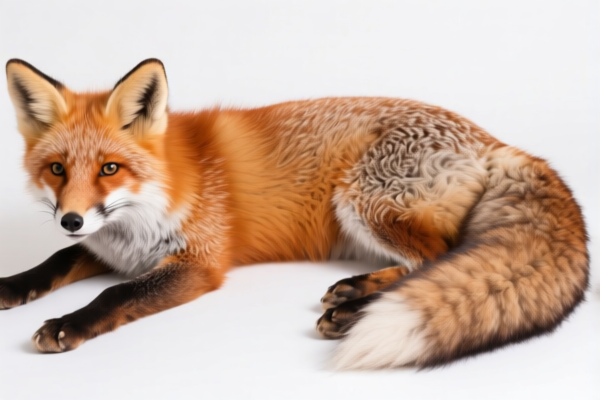
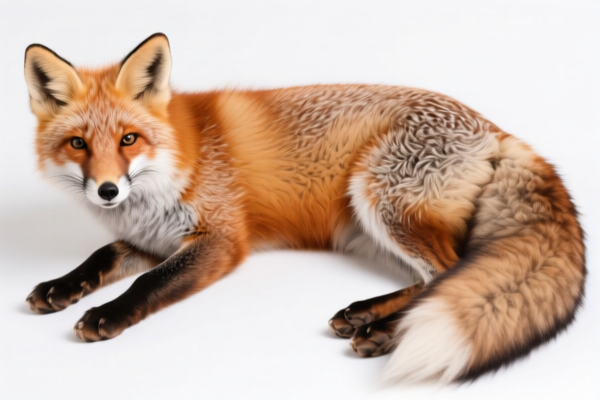
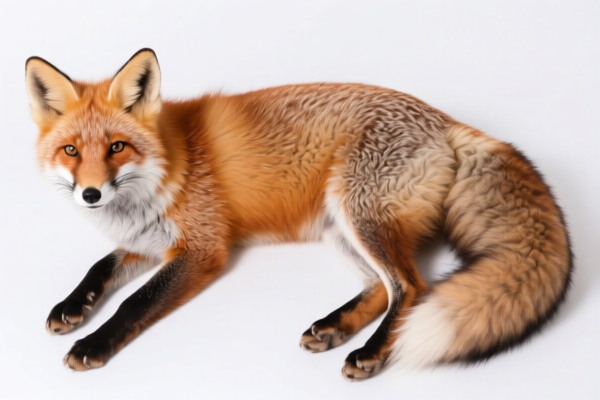
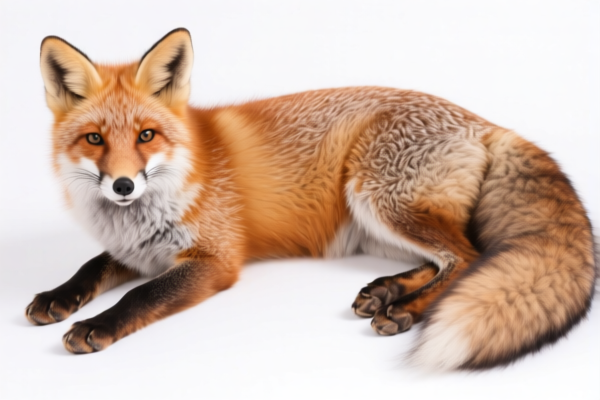
AI Analysis
🦊 Dyed Fox Fur (Real Fur Apparel/Accessories)
🌐 HS Code Reference & Customs Clearance Guide | 2026 Latest Tariff Analysis | Professional-Level Clearance Strategy
📌 I. Product Definition & Classification: Do You Really Understand "Dyed Fox Fur"?
Dyed fox fur refers to genuine fur obtained from foxes (primarily Arctic, Red, or Silver foxes) that has undergone chemical or physical dyeing processes to alter its natural color. In international trade, it is strictly regulated due to animal welfare laws, environmental regulations (chemical dyes), and high-value material classification.
In international trade, it is broadly classified into two categories:
1. Raw/Dyed Fur Skins (Unsewn):
- Fox fur pelts that have been tanned, dyed, and prepared, but not yet made into garments or accessories.
2. Manufactured Fur Articles (Sewn/Finished):
- Fox fur that has been cut, sewn, and assembled into coats, vests, hats, scarves, or trimmings.
⚠️ Key Distinction Point:
- If it is a single pelt or sheet of dyed fur (no sewing) → Classified under Chapters 43 (Fur skins).
- If it is a finished garment (coat, vest) or accessory (hat, scarf) → Classified under Chapters 43 (if fur-only) or Chapter 61/62 (if mixed with textile) or Chapter 42 (if leather-like accessories).
- Critical: If the fur is dyed using azo dyes or heavy metals, it may face additional environmental restrictions in the EU/US.
📦 II. HS Code Classification Details (2026 Latest Tariff Authority Comparison)
| HS Code | Product Description | Application Scenario | Fur Type | Dye Status |
|---|---|---|---|---|
4302.10.00.00 |
Dyed fox fur skins, whole, not assembled | Raw dyed pelts, trade skins | Fox | ✅ Dyed |
4302.30.00.00 |
Dyed fox fur skins, cut (not assembled) | Cut panels for garment manufacturing | Fox | ✅ Dyed |
4302.40.00.00 |
Dyed fox fur skins, assembled (but not made up) | Fur panels sewn together but not yet a garment | Fox | ✅ Dyed |
4302.50.00.00 |
Dyed fox fur skins, made up (garments, accessories) | Finished coats, vests, hats, scarves | Fox | ✅ Dyed |
4303.90.00.00 |
Other made-up fur articles (mixed materials) | Fox fur mixed with textile/leather | Fox + Others | ✅ Dyed |
4304.00.00.00 |
Artificial fur (NOT real fox fur) | Synthetic fur imitating fox | Synthetic | ✅ Dyed |
🔍 Key Reminder:
- Real Fox Fur must be declared as Chapter 43.
- Artificial/Synthetic Fur must be declared as Chapter 4304 or Chapter 61/62 (if woven/knitted). Misdeclaring real fur as artificial can lead to fraud penalties.
- Dyeing Process: If the fur is dyed with restricted chemicals (e.g., certain azo dyes), it may require additional lab reports for EU/US customs.
💰 III. 2026 Latest Tariff Rate Details (Including Surcharges & Policy Add-ons)
✅ Applicable Country: United States (US)
✅ Origin: China (CN)
✅ Effective Date: November 10, 2025 onwards (including subsequent imports)
🎯 1. 4302.10.00.00 / 4302.30.00.00 / 4302.40.00.00 —— Dyed Fox Fur Skins (Raw/Cut/Assembled)
| Item | Content |
|---|---|
| Base Rate | 0% (ad valorem) |
| USITC Surcharge | +25% (from USITC Footnote 9903.88.01) |
| IEEPA Surcharge | +10% (for China/HK products, from Nov 10, 2025) |
| Total Rate | 35% |
| Tax Calculation | CIF Value × 35% |
| De Minimis Eligibility | ❌ No (deny_de_minimis) |
| Legal Basis Path | IEEPA:9903.01.25 → IEEPA:9903.01.24 → USITC:4302.10.00.00 → FOOTNOTE:9903.88.01 |
📌 Explanation:
- "USITC Surcharge 25%" comes from the Section 301 additional tariffs;
- "IEEPA 10%" is the International Emergency Economic Powers Act additional tariff on Chinese products;
- Total 35%, which is a high tariff, must be anticipated in advance!
🎯 2. 4302.50.00.00 —— Dyed Fox Fur Made-Up Articles (Garments/Accessories)
| Item | Content |
|---|---|
| Base Rate | 0% |
| USITC Surcharge | +25% |
| IEEPA Surcharge | +10% |
| Total Rate | 35% |
| Tax Calculation | CIF × 35% |
| De Minimis Eligibility | ❌ No |
| Legal Basis Path | IEEPA:9901.25 → IEEPA:9903.01.24 → USITC:4302.50.00.00 → FOOTNOTE:9903.88.01 |
📌 Note:
- Same as raw skins; both raw and finished fox fur face 35% total tariff;
- Whether it’s a coat, vest, or hat, as long as it’s real dyed fox fur, this rate applies.
🎯 3. 4304.00.00.00 —— Artificial Fur (NOT Real Fox Fur)
| Item | Content |
|---|---|
| Base Rate | 12.5% |
| USITC Surcharge | +25% |
| IEEPA Surcharge | +10% |
| Total Rate | 47.5% |
| Tax Calculation | CIF × 47.5% |
| De Minimis Eligibility | ❌ No |
📌 Note:
- Artificial fur has a higher base rate (12.5%) than real fur (0%);
- Total 47.5%, which is even higher than real fox fur;
- Misclassification Risk: Declaring real fur as artificial to avoid Section 301 is fraud.
🛠️ IV. Customs Clearance Practical Advice (Combat Pitfall Avoidance Guide)
✅ 1. Documentation Checklist (Indispensable)
| Document | Required | Explanation |
|---|---|---|
| ✅ Product Specification Sheet | ✔️ | Includes fur type (Arctic/Red/Silver), dye type, tanning method, dimensions |
| ✅ Dye Composition Report | ✔️ | For EU/US: Prove no restricted azo dyes/heavy metals (REACH/SAA compliance) |
| ✅ Fur Origin Certificate | ✔️ | Must specify fox species and country of origin (e.g., China, Denmark, Finland) |
| ✅ CITES Documentation (if applicable) | ✔️ | If fox species is endangered (e.g., certain Arctic fox populations), CITES Permit required |
| ✅ Commercial Invoice | ✔️ | Clearly state "Dyed Fox Fur, Real Animal Fur, Not Artificial" |
| ✅ Packing List | ✔️ | Indicate if items are raw, cut, or made-up |
| ✅ Third-Party Lab Report | ✔️ | For dye safety (OEKO-TEX, CPSIA, REACH) |
✅ 2. Declaration Tips (Key Mantra)
🔥 "Real Fur Declare, Dye Report Provide, CITES Check, Avoid Fraud Penalty!"
| Scenario | Correct Declaration | Wrong Practice |
|---|---|---|
| Real Dyed Fox Fur Coat | 4302.50.00.00 + "Real Fox Fur, Dyed" |
Declared as "Synthetic Fur" → Fraud |
| Dyed Fox Fur Skins (Raw) | 4302.10.00.00 + "Dyed Fox Fur Skins" |
Declared as "Textile Scrap" → Rejection |
| Fox Fur Trim (on Garment) | 4302.50.00.00 or 4303.90.00.00 |
Declared as "Textile Trim" → Misclassification |
| Artificial Fox-Look Fur | 4304.00.00.00 |
Declared as "Real Fox Fur" → Overpayment |
✅ 3. Special Case Handling
| Scenario | Handling Advice |
|---|---|
| CITES-Protected Fox Species | Must provide CITES Export Permit from origin country and Import Permit for US/EU. Failure → Confiscation + Fine |
| Dyed with Restricted Chemicals | Provide OEKO-TEX Standard 100 or REACH Compliance Report. EU may reject if non-compliant |
| Mixed Material (Fur + Textile) | Declare as Chapter 4303.90.00.00. Tariff still 35%, but need to specify fur percentage |
| Samples for Fashion Shows | Can apply for Temporary Admission or Exemption if value < $2,500, but must re-export |
🌍 V. Global Major Market Clearance Comparison (2026 Latest)
| Country/Region | Recommended HS Code | Tariff | Certification Requirements | Remarks |
|---|---|---|---|---|
| 🇺🇸 USA | 4302.50.00.00 |
35% (China) | CPSIA (if children’s), REACH (if EU-bound) | 35% total for real fur |
| 🇨🇳 China | 4302.50.00.00 |
5-10% | CCC (if applicable) | Low tariff, high demand |
| 🇪🇺 EU | 4302.50.00.00 |
5-12% | REACH (Dye Compliance), Ecolabel | Strict on dye chemicals |
| 🇬🇧 UK | 4302.50.00.00 |
5-12% | UK REACH | Post-Brexit rules apply |
| 🇯🇵 Japan | 4302.50.00.00 |
5-12% | FSC (if mixed with wood/other) | Moderate tariff |
📌 Conclusion:
- USA has the highest effective tariff (35%) for Chinese-origin dyed fox fur;
- EU/UK focus on chemical compliance (REACH), not just tariff;
- China is a major producer and consumer, with lower import tariffs.
📌 VI. Common Errors & Pitfall Guide (Blood Lessons)
❌ Error 1: Declaring real fox fur as artificial fur to avoid Section 301
👉 Consequence: Fraud investigation, fines, shipment seizure
❌ Error 2: Failing to provide CITES documentation for endangered fox species
👉 Consequence: Immediate seizure by USFWS/EU authorities
❌ Error 3: Not disclosing dye composition when importing to EU
👉 Consequence: REACH violation, rejection at border
❌ Error 4: Misdeclaring fur trim as textile trim
👉 Consequence: Under-valuation, penalty, retroactive tariff collection
✅ Correct Practice:
"Dyed Arctic Fox Fur Coat, 100% Real Animal Fur, CITES Compliant, OEKO-TEX Certified, Model XYZ, Origin: China"
🎯 VII. Conclusion: Professional Declaration, Save Time, Reduce Cost, Increase Efficiency!
🎯 Remember the Mantra:
🔹 "Real Fur Declare, CITES Check, Dye Report Ready, Fraud Avoided!"
🔹 "HS Code Determines Fate, Tariff Differs 35%, Declaration Error Costs Thousands!"
📌 Tips:
- If your fox fur is originating from Denmark, Finland, or USA, you may avoid Section 301 (but still face US base tariff);
- For EU market, ensure REACH Compliance for dyes to avoid rejection;
- Consider Applying for Advance Ruling with US Customs (CBP) for complex mixed-material items.
📣 Act Now:
📞 Contact Professional Customs Broker + Provide Fur Origin Certificate + CITES Permit (if applicable)
🚀 Let your fox fur clear customs smoothly, export efficiently, and maximize profits!
✨ Professional Clearance Starts with Accurate Classification!
💼 Every Penny of Your Cost Deserves Precise Calculation!
Customer Reviews
About HS Code Classification
The Harmonized System (HS) is an internationally standardized nomenclature developed by the World Customs Organization (WCO) to classify traded products. Over 200 countries use the HS system as the basis for customs tariffs, trade statistics, and import/export regulations.
Each HS code follows a hierarchical structure:
- Chapter (2 digits) — Broad category of goods (e.g., Chapter 84: Machinery and Mechanical Appliances)
- Heading (4 digits) — More specific grouping within the chapter
- Subheading (6 digits) — Internationally standardized breakdown, used by all WCO member countries
- National subdivisions (8-10 digits) — Country-specific extensions for further classification, such as US HTSUS 10-digit codes
Correct HS code classification is essential for smooth customs clearance, accurate duty payment, and compliance with trade regulations. Misclassification can lead to customs delays, overpayment of duties, or penalties.
When importing from CN to US, the applicable tariff rates may include:
- Most-Favored-Nation (MFN) rate — The standard duty rate applied to WTO members
- General rate — Applied to countries without trade agreements
- Trade remedy duties — Additional tariffs such as Section 301 (anti-dumping), Section 232 (national security), or countervailing duties
The information provided on this page is for reference purposes only. For official classification, please consult with your local customs authority or a licensed customs broker.