Dyed Fox Fur for Clothing
CN → US| HS Code | Tariff Rate | Origin | Destination | Doc |
|---|---|---|---|---|
| 4302194530 | 37.2% | CN | US | Official Doc |
| 4302193030 | 36.5% | CN | US | Official Doc |
| 4303100060 | 39.0% | CN | US | Official Doc |
| 4303900000 | 35.0% | CN | US | Official Doc |
| 4301603000 | 22.6% | CN | US | Official Doc |
Product Images

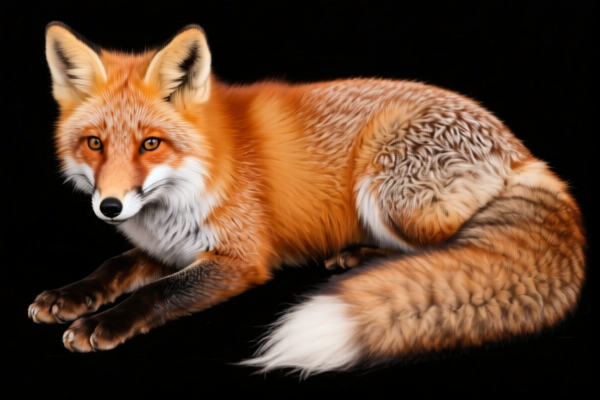
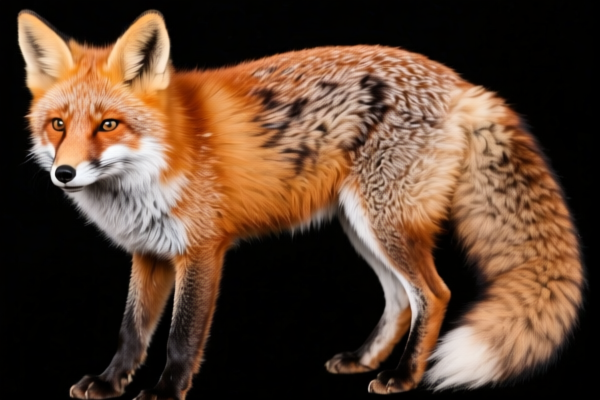
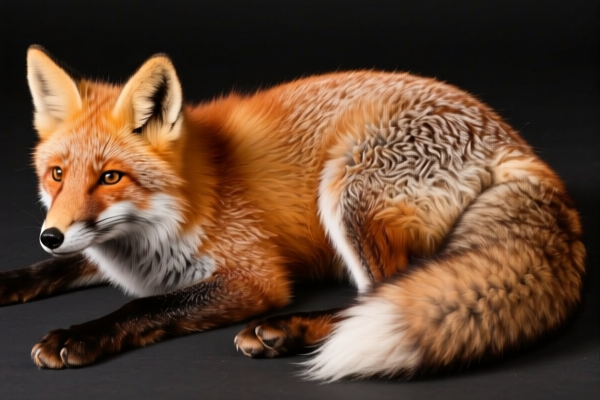
AI Analysis
🦊 Dyed Fox Fur for Clothing (毛皮贸易/制品)
🌐 HS Code Reference & Customs Clearance Guide | 2026 Latest Tariff Analysis | Professional通关 Strategy
📌 Part 1: Product Definition & Classification: What is "Dyed Fox Fur"?
"Dyed Fox Fur" refers to processed fox pelts that have undergone tanning and dyeing processes, intended for use in the fur trade or manufacturing of fur garments/accessories. In international trade, the classification depends heavily on the form (whole pelt vs. prepared piece) and specific material exclusion rules.
The key to accurate classification lies in distinguishing between: 1. Raw/Prepared Pelts for Trade (Chapter 4302): If the fur is in the form of whole pelts or pieces intended for further manufacturing. 2. Finished Fur Goods (Chapter 4303): If the fur is already fashioned into articles (e.g., a coat, collar, or cuff) without the need for further assembly.
⚠️ Critical Distinction Point:
- If the item is fur material (pelts/skin) ready for sewing → Likely HS 4302.xx.xx.xx
- If the item is a finished article (e.g., a sewn collar, vest, or coat) → Likely HS 4303.xx.xx.xx
- Exclusion Alert: "Fox fur" is not excluded from Chapter 4303, unlike "Mink fur" which has specific subheadings. Therefore, fox fur goods fall under "Other" categories.
📦 Part 2: HS Code Classification Details (2026 Latest Tariff Authority Cross-Reference)
Based on the provided data, here are the matched HS Codes for "dyed fox fur for clothing":
| HS Code | Product Description | Application Scenario | Material & Form Match |
|---|---|---|---|
4302.19.45.30 |
Dyed Fox Fur Pelts (Trade/Manufacturing Use) | Whole dyed fox pelts or large pieces for furriers | ✅ Matches material (fox) and usage (fur trade/processing) |
4302.19.30.30 |
Prepared Fox Fur (Other than Mink) | Processed fox fur skins, dyed, for garment making | ✅ Explicitly matches "Fox Fur" material and "Fur Use" |
4303.10.00.60 |
Other Fur Articles (Fox Fur) | Finished goods made of fox fur (e.g., coats, accessories) | ✅ Matches material (fox fur), falls under "Other" fur articles |
4303.90.00.00 |
Other Fur Articles (Residual Category) | Fox fur items not specified elsewhere in 4303 | ✅ Matches material; "Other" is a catch-all for non-specific fur goods |
4301.60.30.00 |
Fox Skins (Raw/Prepared, Not Yet Sewn) | Unfinished fox skins/pelts, dyed or untreated | ✅ Matches material (Fox), but applies to raw/prepared skins, not finished clothing |
🔍 Key Reminder:
- HS 4302 is for fur in the pelt form (raw, tanned, or dyed pelts).
- HS 4303 is for finished fur articles (clothing, hats, etc.).
- Misclassification Risk: Declaring a finished coat as "fur pelts" (4302) or pelts as "finished goods" (4303) leads to incorrect tax rates and potential customs delays.
💰 Part 3: 2026 Latest Tariff Rate Breakdown (Including Additional Taxes & Policy Surcharges)
✅ Applicable Country: United States (US)
✅ Origin: China (CN)
✅ Effective Date: 2025/2026 Import Rules Apply
🎯 1. 4302.19.45.30 – Dyed Fox Fur Pelts (Trade Use)
| Item | Detail |
|---|---|
| Base Duty Rate | 2.2% (Ad Valorem) |
| Section 301 Surcharge | +25.0% (USITC Footnote 9903.88.01) |
| Section 122 Surcharge | +10.0% (Specific to certain fur/textile categories) |
| Total Effective Rate | 37.2% |
| Tax Calculation | CIF Value × 37.2% |
| De Minimis Eligibility | ❌ Not Eligible (Deny de minimis for fur goods from China) |
| Legal Basis Path | IEEPA:9903.01.25 → USITC:4302.19.45.30 → FOOTNOTE:122 |
📌 Explanation:
- The 25% Section 301 tariff is the standard surcharge for Chinese goods in this category.
- The 10% Section 122 tariff is specifically applied to fur articles/trim.
- Total 37.2% is a significant cost burden. Ensure the declaration accurately reflects "dyed fur pelts" to avoid being reclassified into higher-duty finished goods if not applicable.
🎯 2. 4302.19.30.30 – Prepared Fox Fur (Other)
| Item | Detail |
|---|---|
| Base Duty Rate | 1.5% (Ad Valorem) |
| Section 301 Surcharge | +25.0% |
| Section 122 Surcharge | +10.0% |
| Total Effective Rate | 36.5% |
| Tax Calculation | CIF Value × 36.5% |
| De Minimis Eligibility | ❌ Not Eligible |
| Legal Basis Path | IEEPA:9903.01.24 → USITC:4302.19.30.30 → FOOTNOTE:122 |
📌 Note:
- Slightly lower base duty (1.5% vs 2.2%) due to specific subheading nuances.
- Still subject to 35% combined surcharges.
- Applicable to prepared/processed fox fur intended for the fur trade.
🎯 3. 4303.10.00.60 – Other Fur Articles (Fox Fur)
| Item | Detail |
|---|---|
| Base Duty Rate | 4.0% (Ad Valorem) |
| Section 301 Surcharge | +25.0% |
| Section 122 Surcharge | +10.0% |
| Total Effective Rate | 39.0% |
| Tax Calculation | CIF Value × 39.0% |
| De Minimis Eligibility | ❌ Not Eligible |
| Legal Basis Path | IEEPA:9903.01.24 → USITC:4303.10.00.60 → FOOTNOTE:122 |
📌 Warning:
- This is the highest effective rate (39.0%) among the pelts categories.
- Applies to finished fur goods (e.g., coats, jackets) made of fox fur.
- Do not misdeclare finished coats as "pelts" to avoid the 10% Section 122 surcharge if the goods are clearly finished articles.
🎯 4. 4303.90.00.00 – Other Fur Articles (Residual)
| Item | Detail |
|---|---|
| Base Duty Rate | 0.0% (Ad Valorem) |
| Section 301 Surcharge | +25.0% |
| Section 122 Surcharge | +10.0% |
| Total Effective Rate | 35.0% |
| Tax Calculation | CIF Value × 35.0% |
| De Minimis Eligibility | ❌ Not Eligible |
| Legal Basis Path | IEEPA:9903.01.24 → USITC:4303.90.00.00 → FOOTNOTE:122 |
📌 Opportunity:
- This category has a 0% base duty, resulting in the lowest total rate (35.0%) among the finished goods options.
- It serves as a "catch-all" for fur articles not specifically named elsewhere in 4303.
- Strategy: If the item is a fur accessory (e.g., a fur-lined hat, cuff, or non-standard garment), verify if it fits here to save 1.2%–4.0% compared to other 4303 codes.
🎯 5. 4301.60.30.00 – Fox Skins (Raw/Prepared, Not Yet Sewn)
| Item | Detail |
|---|---|
| Base Duty Rate | 5.1% (Ad Valorem) |
| Section 301 Surcharge | +7.5% (Note: Lower Section 301 applies to raw skins in some interpretations) |
| Section 122 Surcharge | +10.0% |
| Total Effective Rate | 22.6% |
| Tax Calculation | CIF Value × 22.6% |
| De Minimis Eligibility | ❌ Not Eligible |
| Legal Basis Path | IEEPA:9903.01.24 → USITC:4301.60.30.00 → FOOTNOTE:122 |
📌 Critical Insight:
- This is the LOWEST total tax rate (22.6%) in the entire dataset.
- Only applies if the goods are raw/prepared fox skins (not finished clothing).
- Risk: If you declare a finished coat under this code, customs will likely reclassify it to 4303.xx, applying the higher 35-39% rate and issuing penalties.
- Use Case: Only for importers buying pelts to manufacture clothing in the US or another country.
🛠️ Part 4: Customs Clearance Practical Advice (Battle-Tested Pitfall Guide)
✅ 1. Documentation Checklist (Non-Negotiable)
| Document | Mandatory | Explanation |
|---|---|---|
| ✅ Product Specification Sheet | ✔️ | Clearly state: "Dyed Fox Fur," form (pelt vs. garment), weight, quantity. |
| ✅ Commercial Invoice | ✔️ | Must match HS Code description exactly. Avoid vague terms like "Fur Material." |
| ✅ Packaging List | ✔️ | Detail how items are packed (e.g., "100 Dyed Fox Pelts, individually wrapped"). |
| ✅ Photo of Goods (Labeled) | ✔️ | Show texture, dye quality, and whether it is sewn or loose pelts. |
| ✅ Certificate of Origin (CO) | ✔️ | Proves China origin, triggering Section 301/122 taxes. |
| ✅ Fur Identification Guide (If Required) | ✔️ | Some ports may require species verification to confirm "Fox" and not prohibited species. |
✅ 2. Declaration Strategy (Key Mantras)
🔥 "Pelts go to 4302, Finished goods to 4303, Raw skins get the lowest rate, but prove it!"
| Scenario | Correct HS Code | Error Consequence |
|---|---|---|
| Loose Dyed Fox Pelts | 4302.19.45.30 or 4302.19.30.30 |
If declared as finished goods → 39% Tax (Overpay) |
| Dyed Fox Fur Coat | 4303.10.00.60 or 4303.90.00.00 |
If declared as pelts → Reclassification + Penalty |
| Raw/Prepared Fox Skins (Unsewn) | 4301.60.30.00 |
If declared as pelts/trade goods → 22.6% vs 37% (Save 14.4%!) |
| Fox Fur Accessory (e.g., Collar) | 4303.90.00.00 |
If declared as 4303.10 → 35% vs 39% (Optimize) |
✅ 3. Special Circum Handling
| Situation | Recommendation |
|---|---|
| OEM Custom Fur Garments | Provide design sketches + material spec. Declare as finished goods (4303.xx) unless shipping as loose pelts. |
| Mixed Shipments (Pelts + Finished) | Must split lines. Do not combine pelts and coats on one invoice line. Each requires its own HS Code. |
| Dyed vs. Undyed | "Dyed" does not change the HS Code structure significantly but must be declared accurately to avoid "misdescription" flags. |
| "Fur Trim" on Non-Fur Garments | If the fur is <50% of the item, it might be classified as a textile garment with fur trim (different Chapter). Verify % composition. |
🌍 Part 5: Global Market Comparison (2026 Latest)
| Country/Region | Recommended HS Code | Total Duty Rate | Certification Requirement | Note |
|---|---|---|---|---|
| 🇺🇸 USA | 4302.19.45.30 |
37.2% | None | High tariffs due to Section 301 & 122 |
| 🇨🇳 China | 4302.19.45.30 |
~5-10% | None | Low import duty for pelts |
| 🇪🇺 EU | 4302.19.45.30 |
~4-12% | CITES (if applicable) | No Section 301, but CITES permits may be needed |
| 🇬🇧 UK | 4302.19.45.30 |
~4-12% | None | Post-Brexit rules apply |
| 🇨🇦 Canada | 4302.19.45.30 |
~5-10% | None | CUSMA benefits may apply if processed in US/Mexico |
📌 Conclusion:
- USA is the most expensive market due to the 35-39% total effective rate.
- China origin is the key driver for high duties.
- Supply Chain Strategy: Consider importing raw skins (4301.60.30.00at 22.6%) to a third country (e.g., Vietnam, EU) for manufacturing, then re-exporting, to avoid US Section 301 tariffs if CUSMA or other FTAs apply. Note: This requires careful "Substantial Transformation" analysis.
📌 Part 6: Common Mistakes & Pitfalls (Blood-Teaching Lessons)
❌ Mistake 1: Declaring finished fox fur coats as "fox fur pelts" (4302)
👉 Consequence: Customs reclassifies to 4303, charges 39% + penalties + interest.
👉 Loss: Up to 16.4% extra duty on CIF value.
❌ Mistake 2: Declaring raw fox skins as "prepared fur for trade" (4302)
👉 Consequence: Overpaying 37.2% instead of 22.6%.
👉 Loss: 14.6% unnecessary tax cost.
❌ Mistake 3: Using vague descriptions like "Fur Material"
👉 Consequence: Customs hold for inspection, requiring physical examination to determine if it’s a pelt or article.
👉 Loss: Delayed clearance, storage fees, demurrage.
✅ Correct Practice:
"100 Pieces, Dyed Red Fox Fur Pelts, Tanned, No Sewing, for Garment Manufacturing, HS 4302.19.45.30"
or
"Fox Fur Coat, Lined, HS 4303.90.00.00"
🎯 Part 7: Conclusion: Professional Declaration, Save Money, Clear Faster!
🎯 Remember the Mantra:
🔹 "Pelts = 4302, Finished = 4303, Raw = 4301 (Cheapest!)"
🔹 "USA Tariffs are High (35-39%), Prove Your Form!"
🔹 "Don't Mix Finished Goods with Pelts on One Line!"
📌 Pro Tip:
If your fox fur is originating from Vietnam, Mexico, or EU (not China), you may qualify for 0%~5% duties under USMCA or EU-origin rules, bypassing the 301/122 surcharges.
Action:
📞 Consult a licensed customs broker
📸 Provide clear photos of the product form (Pelt vs. Article)
📄 Apply for an Advance Ruling if unsure
📣 Take Action Now:
🚀 Optimize Your HS Code Selection
💼 Every 1% of Duty Saves Thousands!
✨ Professional Classification is the Key to Profitable Trade!
Customer Reviews
About HS Code Classification
The Harmonized System (HS) is an internationally standardized nomenclature developed by the World Customs Organization (WCO) to classify traded products. Over 200 countries use the HS system as the basis for customs tariffs, trade statistics, and import/export regulations.
Each HS code follows a hierarchical structure:
- Chapter (2 digits) — Broad category of goods (e.g., Chapter 84: Machinery and Mechanical Appliances)
- Heading (4 digits) — More specific grouping within the chapter
- Subheading (6 digits) — Internationally standardized breakdown, used by all WCO member countries
- National subdivisions (8-10 digits) — Country-specific extensions for further classification, such as US HTSUS 10-digit codes
Correct HS code classification is essential for smooth customs clearance, accurate duty payment, and compliance with trade regulations. Misclassification can lead to customs delays, overpayment of duties, or penalties.
When importing from CN to US, the applicable tariff rates may include:
- Most-Favored-Nation (MFN) rate — The standard duty rate applied to WTO members
- General rate — Applied to countries without trade agreements
- Trade remedy duties — Additional tariffs such as Section 301 (anti-dumping), Section 232 (national security), or countervailing duties
The information provided on this page is for reference purposes only. For official classification, please consult with your local customs authority or a licensed customs broker.