Dyed Full Grain Leather
CN → US| HS Code | Tariff Rate | Origin | Destination | Doc |
|---|---|---|---|---|
| 4114203000 | 37.3% | CN | US | Official Doc |
| 4107994000 | 12.5% | CN | US | Official Doc |
| 4113200000 | 39.2% | CN | US | Official Doc |
| 4113103000 | 12.4% | CN | US | Official Doc |
| 4114100000 | 38.2% | CN | US | Official Doc |
Product Images
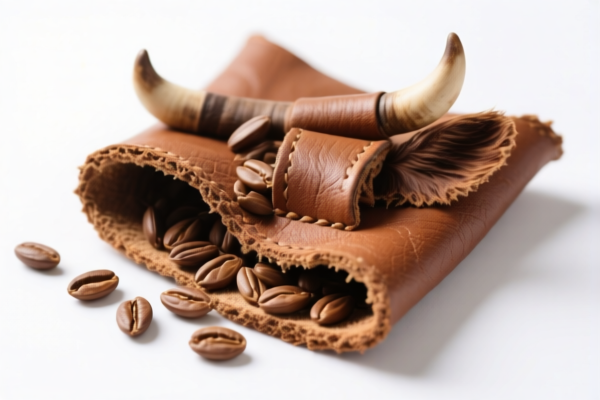
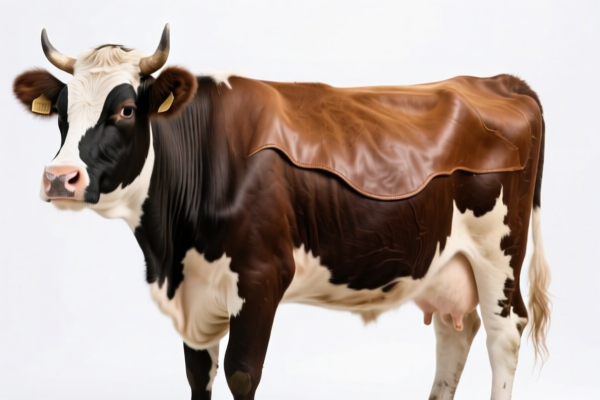
AI Analysis
🧵 Dyed Full Grain Leather: HS Code Classification & US Customs Clearance Guide (2026)
🌐 HS Code Reference & Customs Clearance Guide | 2026 Latest Tariff Analysis | Professional-Level Strategy for "Dyed Full Grain Leather"
📌 I. Product Definition & Classification: Do You Really Know "Dyed Full Grain Leather"?
"Dyed Full Grain Leather" is a high-value raw material derived from the top layer of the hide, retaining the natural grain structure. In international trade, it is not a single fixed category but a process-dependent material. Its classification hinges entirely on the degree of processing and subsequent use.
- Chrome-Tanned/Finished Leather: Fully processed, dyed, and ready for manufacturing (bags, shoes). → High Tax
- Base/Semi-Finished Leather: Tanned but not fully finished for direct consumer use. → Low Tax
- Specialty Leathers: Suede, metallic, or lacquered finishes. → High Tax
⚠️ Key Distinction Point:
- If the leather is fully tanned, dyed, and finished for immediate use in goods (e.g., upholstery, apparel) → It falls under Chapter 41 Subheading 4114 or 4113 (High Tax).
- If it is basic tanned leather (e.g., vegetable-tanned base) that has undergone simple dyeing but lacks final finishing → It may fall under Chapter 41 Subheading 4107 (Low Tax).
📦 II. HS Code Classification Details (2026 Latest Tariff Authority Comparison)
Based on the provided data, here are the specific HS Codes applicable to "Dyed Full Grain Leather" and their logical reasoning:
| HS Code | Product Description | Logical Reasoning for Classification | Tax Status |
|---|---|---|---|
4114.20.30.00 |
Lacquered/Metalized Leather | "Dyed leather" falls under leather processing categories including lacquered or metalized leather. If the "dyeing" involves special finishes (lacquer/metallic), this applies. | High (37.3%) |
4107.99.40.00 |
Other Tanned Leather (Base) | "Leather" meets material requirements; "Dyed" is considered further processing but not a specialty finish. This is a base tanned leather category. | Low (12.5%) |
4113.20.00.00 |
Further Processed Leather (Sheep/Calf) | The product "Dyed Leather" matches the description of "leather tanned or crusted further worked." Typically applies to specific animal skins (e.g., sheep/calf) after deep processing. | High (39.2%) |
4113.10.30.00 |
Further Processed Leather (Bovine) | Material matches (Leather); Form matches (Dyeing is a further processing step). Often used for bovine leather that has been tanned and dyed but not yet made into articles. | Low (12.4%) |
4114.10.00.00 |
Suede / Combination Suede | "'Dyed Leather' belongs to the leather category, highly consistent in material attributes with 'Suede (including combination suede)'." If the dyeing process results in a suede/napped finish. | High (38.2%) |
🔍 Critical Reminder:
-4107&4113.10represent Lower Tax scenarios (12.4%-12.5%). These are typically for base tanned/dyed leathers not yet considered "finished specialty leathers."
-4114&4113.20represent Higher Tax scenarios (37.3%-39.2%). These apply if the leather has special finishes (lacquered, suede, or specific advanced processing) that increase its value and classification tier.
- Misclassification Risk: Declaring high-finish leather as "base tanned" (4107) to save tax will trigger audits. You must prove the lack of "special finish."
💰 III. 2026 Latest Tariff Rate Breakdown (Including Surcharges & Policy Add-ons)
✅ Applicable Country: United States (US)
✅ Country of Origin: China (CN)
✅ Effective Date: November 10, 2025 (and subsequent imports)
The total tariff consists of Base Duty + Section 301 Tariff + Section 122 Tariff.
🎯 1. Low-Tax Scenarios: Base/Treated Leather
🏷️ 4107.99.40.00 (Other Tanned Leather)
| Item | Content |
|---|---|
| Base Duty | 2.5% (ad valorem) |
| Section 301 Surcharge | 0.0% (No additional 25% tariff for this specific subheading) |
| Section 122 Tariff | +10% (Targeting China/HK products) |
| Total Rate | 12.5% |
| Tax Calculation | CIF Value × 12.5% |
| De Minimis Exemption | ❌ Not Eligible (Deny De Minimis for these goods) |
| Legal Basis Path | USITC:4107.99.40.00 → FOOTNOTE:122 |
📌 Explanation:
- This is the most cost-effective classification if your leather is a basic dyed tanned hide without special finishes like lacquer or suede napping.
- The absence of the 25% Section 301 tariff makes this significantly cheaper than other leather categories.
🏷️ 4113.10.30.00 (Further Processed Bovine Leather)
| Item | Content |
|---|---|
| Base Duty | 2.4% |
| Section 301 Surcharge | 0.0% |
| Section 122 Tariff | +10% |
| Total Rate | 12.4% |
| Tax Calculation | CIF Value × 12.4% |
| De Minimis Exemption | ❌ Not Eligible |
| Legal Basis Path | USITC:4113.10.30.00 → FOOTNOTE:122 |
📌 Note:
- Applies if the leather is bovine and has undergone further processing (dyeing/finishing) but still qualifies under this specific "further worked" category that avoids the 25% surcharge.
- Cheapest Option: At 12.4%, this is the lowest total tax rate available.
🎯 2. High-Tax Scenarios: Specialty/Finished Leather
🏷️ 4114.20.30.00 (Lacquered/Metalized) / 4114.10.00.00 (Suede) / 4113.20.00.00 (Advanced Process)
| Item | Content |
|---|---|
| Base Duty | 2.3% – 4.2% (Varies by subheading) |
| Section 301 Surcharge | +25.0% (Mandatory for these classifications) |
| Section 122 Tariff | +10% |
| Total Rate | 37.2% – 39.2% |
| Tax Calculation | CIF Value × Total Rate |
| De Minimis Exemption | ❌ Not Eligible |
| Legal Basis Path | USITC:4114... or 4113.20 → FOOTNOTE:301 → FOOTNOTE:122 |
📌 Explanation:
- Section 301 (25%) is always applied to leather categories like Lacquered (4114.20), Suede (4114.10), or Advanced Processed Sheep/Calf (4113.20).
- Total Cost: Nearly triple the low-tax options.
- Why?: These are considered higher-value, processed goods with less US domestic production, hence the heavier penalty.
🛠️ IV. Customs Clearance Practical Advice (Real-World Pitfall Avoidance Guide)
✅ 1. Essential Documentation Checklist (Non-Negotiable)
| Document | Required? | Explanation |
|---|---|---|
| ✅ Product Specification Sheet | ✔️ | Must detail: Tanning method (Chrome vs. Vegetable), Dye type, Finish type (Glossy, Matte, Suede), Animal source (Bovine, Sheep, etc.). |
| ✅ Photos of Leather Swatches | ✔️ | Crucial for Customs to verify "Full Grain" vs. "Split" and finish type. |
| ✅ Commercial Invoice | ✔️ | Clearly state: "Dyed Full Grain Leather – [Animal Type] – [Tanning Method]". Avoid vague terms like "Just Leather." |
| ✅ Certificate of Origin (CO) | ✔️ | Mandatory to confirm CN origin for Section 122 and 301 calculations. |
| ✅ Packing List | ✔️ | Weight, dimensions, and layering info. |
| ✅ Third-Party Test Report | ✔️ | Optional but recommended: Proves chemical compliance (REACH, CPSIA) and finish type. |
✅ 2. Declaration Strategy (Key Mantra)
🔥 “Finish Determines Tax, Grain Determines Code!”
| Scenario | Correct Declaration | Incorrect Practice | Consequence |
|---|---|---|---|
| Basic Dyed Leather | 4107.99.40.00 or 4113.10.30.00Tax: 12.4-12.5% |
Calling it "Luxury Suede" | Risk of Audit → Back Taxes + Penalty |
| Suede/Napped Leather | 4114.10.00.00Tax: 38.2% |
Calling it "Smooth Leather" | Severe Penalty for Misclassification |
| Lacquered/Metallic | 4114.20.30.00Tax: 37.3% |
Calling it "Basic Dyed" | 25% Surcharge Evaded → Fraud Risk |
| General Finished Leather | 4113.20.00.00Tax: 39.2% |
Calling it "Raw Hide" | 25% Surcharge Applied Retroactively |
📌 Tip: If your leather is just dyed (color applied to tanned hide) without special finishes (lacquer, metallic, suede nap), aggressively pursue classification under
4107or4113.10for the 12% tax rate.
✅ 3. Special Case Handling
| Situation | Recommendation |
|---|---|
| OEM Custom Dyeing | Provide dye formula/color standard to prove it’s a standard process, not a "specialty finish." |
| "Full Grain" Verification | Ensure documentation explicitly states "Full Grain" to justify value, but clarify if it’s "Bovine" (4113.10) or "Other" (4107). |
| Suede Appearance | If the dyeing process creates a napped surface, must use 4114.10.00.00 (38.2%). Do not try to classify as smooth leather. |
| Mixed Shipments | If a shipment contains both basic and suede leather, separate them in the bill of lading. Mixed clearance can lead to the highest tax applying to the whole lot. |
🌍 V. Global Market Comparison (2026 Latest)
| Country/Region | Recommended HS Code | Estimated Tax (China Origin) | Certification | Note |
|---|---|---|---|---|
| 🇺🇸 USA | 4107.99.40.00 / 4113.10.30.00 |
12.4% - 12.5% | None Specific | Lowest Rate if classified correctly. |
| 🇺🇸 USA | 4114.20.30.00 / 4114.10.00.00 |
37.2% - 39.2% | None Specific | Highest Rate due to 301+122. |
| 🇨🇳 China | 4107 / 4113 |
0% - 10% | None | Import duty low, but VAT 13% applies. |
| 🇪🇺 EU | 4107 / 4113 |
0% - 6% | REACH | No 301-equivalent tariff. |
| 🇬🇧 UK | 4107 / 4113 |
0% - 6% | UKCA/REACH | Post-Brexit rules apply. |
📌 Conclusion:
- The US market is the most expensive for leather imports from China due to Section 301 and Section 122 tariffs.
- Strategic Advice: If possible, structure the supply chain to classify under4107or4113.10by ensuring the leather does not have "special finishes" (lacquer/suede). This saves ~25% in duties.
📌 VI. Common Errors & Pitfalls (Lessons Learned)
❌ Error 1: Declaring "Suede Leather" as "Smooth Dyed Leather"
👉 Consequence: Classified as 4107 (12.5%) → Customs inspection reveals suede → Back taxes at 38.2% + Penalty.
✅ Fix: Always declare finish type accurately.
❌ Error 2: Ignoring Section 122 Tariff
👉 Consequence: Only paying Base Duty (e.g., 2.5%) → Customs adds 10% (Section 122) + 25% (301) for specialty leather.
✅ Fix: Always include Section 122 (10%) in cost calculations for Chinese leather.
❌ Error 3: Vague Description "Leather Goods"
👉 Consequence: Customs assigns default high-rate code → Overpayment or Audit.
✅ Fix: Use precise descriptions: "Dyed Full Grain Bovine Leather, Chrome-Tanned, Unfinished for Bags."
🎯 VII. Conclusion: Professional Declaration, Cost Control, Efficient Clearance
🎯 Key Takeaway:
🔹 "Low Tax (12.4%) requires Basic Processing; High Tax (38%+) applies to Specialty Finishes."
🔹 "Section 301 (25%) is the killer for Suede/Lacquered Leather."
🔹 "Section 122 (10%) is mandatory for all Chinese-origin leather."
📌 Pro Tip:
If you are importing leather that is dyed but not specially finished, ensure your supplier’s certificate explicitly states "Not Lacquered, Not Suede, Basic Finish" to support classification under 4107.99.40.00 or 4113.10.30.00. This can save you ~25% in total landed cost.
📣 Immediate Action:
📞 Consult a licensed customs broker before shipment.
📸 Provide photos of the leather grain and finish.
🚀 Minimize tax liability through accurate HS Code selection!
✨ Precision in Classification Saves Thousands!
💼 Your Leather Supply Chain, Optimized for 2026 Tariffs!
Customer Reviews
About HS Code Classification
The Harmonized System (HS) is an internationally standardized nomenclature developed by the World Customs Organization (WCO) to classify traded products. Over 200 countries use the HS system as the basis for customs tariffs, trade statistics, and import/export regulations.
Each HS code follows a hierarchical structure:
- Chapter (2 digits) — Broad category of goods (e.g., Chapter 84: Machinery and Mechanical Appliances)
- Heading (4 digits) — More specific grouping within the chapter
- Subheading (6 digits) — Internationally standardized breakdown, used by all WCO member countries
- National subdivisions (8-10 digits) — Country-specific extensions for further classification, such as US HTSUS 10-digit codes
Correct HS code classification is essential for smooth customs clearance, accurate duty payment, and compliance with trade regulations. Misclassification can lead to customs delays, overpayment of duties, or penalties.
When importing from CN to US, the applicable tariff rates may include:
- Most-Favored-Nation (MFN) rate — The standard duty rate applied to WTO members
- General rate — Applied to countries without trade agreements
- Trade remedy duties — Additional tariffs such as Section 301 (anti-dumping), Section 232 (national security), or countervailing duties
The information provided on this page is for reference purposes only. For official classification, please consult with your local customs authority or a licensed customs broker.