Dyed Fur Waste
CN → USProduct Images
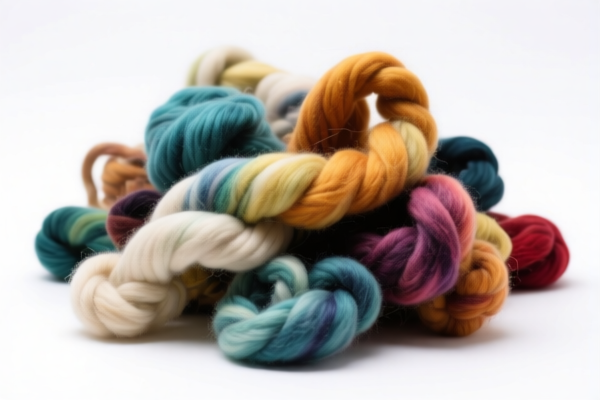
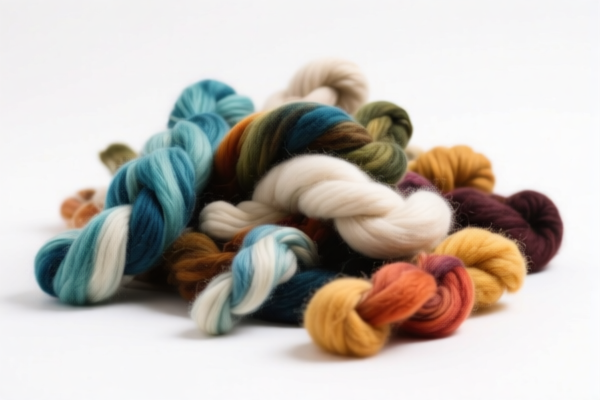
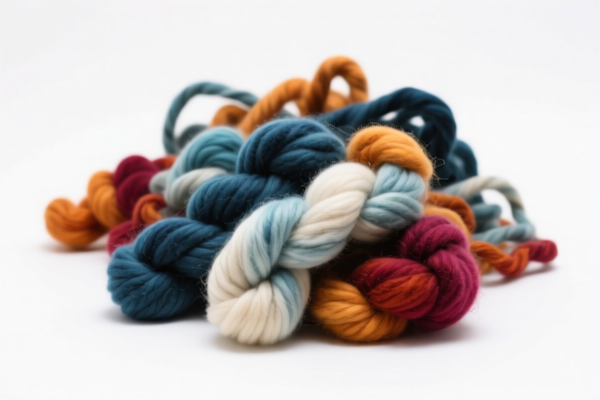
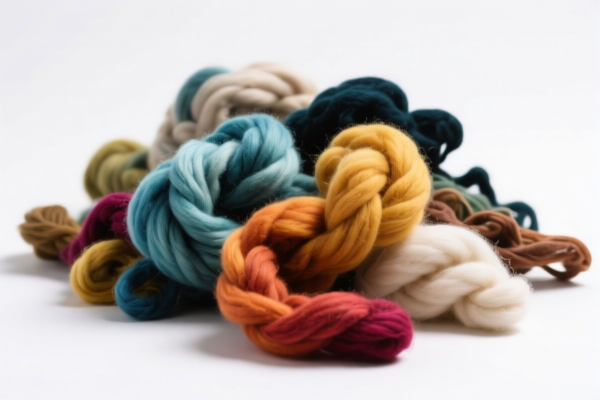
AI Analysis
🧶 Dyed Fur Waste (Wool, Hair, or Fur Skins)
🌐 HS Code Reference & Customs Clearance Guide | 2026 Latest Tariff Analysis | Professional Import/Export Strategy
📌 I. Product Definition & Classification: What Exactly is "Dyed Fur Waste"?
In international trade, "Dyed Fur Waste" typically refers to discarded or leftover materials derived from animal skins, wool, or hair that have undergone a dyeing process. This category is highly specific and often confused with raw wool or general textile waste. It is crucial to distinguish between:
- Shoddy and Mungo (Wool Waste): Recycled fibers from shredded old woolen garments or rags, which have been dyed during previous use.
- Fur Waste/Skins Waste: Leftover scraps, off-cuts, or damaged pelts from the fur garment or leather industry, already dyed.
- Human Hair Waste: Dyed hair removed during hairdressing or medical procedures (rarely classified here unless specified as waste).
⚠️ Key Distinction Point:
- If it is waste (i.e., unsuitable for direct use as finished goods without further processing) → Chapter 57 or Chapter 51.
- If it is raw, unprocessed fur (even if dyed by the seller for sale as raw material) → It may fall under Chapter 43 (Articles of fur skin) or Chapter 51 (Wool, fine/coarse animal hair), depending on the form.
- "Waste" is the critical keyword. The Harmonized System (HS) treats "waste" distinctly from "goods."
📦 II. HS Code Classification Details (2026 Latest Tariff Authority)
The classification depends on the animal origin and the form of the waste. Below are the most common HS codes for Dyed Fur/Wool Waste.
| HS Code | Product Description | Applicable Scenario | Is it "Waste"? |
|---|---|---|---|
5703.90.90.00 |
Carpets and other textile floor coverings... Not elsewhere specified | Rarely used for raw waste, but sometimes misused. | ❌ No (Usually finished goods) |
5103.30.00.00 |
Wool waste (including shoddy, mungo, gossamer) | Dyed wool waste from garment recycling; no cardable | ✅ Yes |
5103.20.00.00 |
Wool waste (including shoddy, mungo, gossamer) | Dyed wool waste, cardable for re-spinning | ✅ Yes |
5103.10.00.00 |
Noils of wool or fine animal hair | Not exactly "waste" but a by-product; often confused | ⚠️ Partial |
4301.80.90.00 |
Raw, dressed or tanned fur skins | If the "waste" is still usable as fur skins (not shredded) | ❌ No (It’s a good, not waste) |
5702.39.90.00 |
Other woven carpets | Not applicable for raw material | ❌ No |
🔍 Critical Clarification:
- Most "Dyed Fur Waste" in the textile trade context refers to Wool Waste (Shoddy/Mungo).
- If the material is shredded, felted, or unsuitable for direct use, it is classified under Chapter 51 (Wool Waste).
- If the material consists of intact but damaged dyed pelts, it may be classified under Chapter 43 (Fur Skins) or Chapter 41 (Leather Waste), depending on tanning status.
- For this guide, we assume the common commercial case: Dyed Wool/Fiber Waste (Shoddy/Mungo).
💰 III. 2026 Latest Tariff Rates Explained (Including Surcharges)
✅ Applicable Country: United States (US)
✅ Origin: China (CN)
✅ Effective Date: 2025/2026 (Post-2024 Trade Act Updates)
🎯 1. 5103.30.00.00 —— Wool Waste (Not Cardable, Dyed)
| Item | Content |
|---|---|
| Base Tariff Rate | 0% (ad valorem) for most non-China origins; 6.4% for China (General) |
| USITC Surcharge (Section 301) | +7.5% to +25% (depending on specific subcategory review) |
| IEEPA Surcharge | +10% (for China-origin goods, effective Nov 2025) |
| Total Tariff Rate | ~23.9% to 41.4% (China Origin) |
| Tax Calculation | CIF Value × Total Rate |
| De Minimis Eligibility | ❌ No (Not eligible for $800 de minimis if classified as textile waste due to higher scrutiny) |
| Legal Path | USITC:5103.30.00.00 → Section 301: Footnote 9903.01.24 → IEEPA:9903.01.25 |
📌 Explanation:
- Wool waste is often subject to anti-dumping or countervailing duties if sourced from specific regions with state-subsidized recycling industries.
- The IEEPA 10% is a blanket surcharge for many Chinese textile-related goods.
- Section 301 rates vary by specific HTS subheading. Check the latest USTR list for5103.30.00.00.
🎯 2. 5103.20.00.00 —— Wool Waste (Cardable, Dyed)
| Item | Content |
|---|---|
| Base Tariff Rate | 6.4% (China General) |
| USITC Surcharge | +7.5% to +25% |
| IEEPA Surcharge | +10% |
| Total Tariff Rate | ~23.9% to 41.4% (China Origin) |
| Tax Calculation | CIF Value × Total Rate |
| De Minimis Eligibility | ❌ No |
| Legal Path | USITC:5103.20.00.00 → Section 301: Footnote 9903.01.24 → IEEPA:9903.01.25 |
📌 Note:
- Cardable waste is more valuable and may face higher scrutiny for dumping.
- Ensure documentation proves it is "waste" and not "processed wool yarn" (which has different tariffs).
🛠️ IV. Customs Clearance Practical Advice (Pitfall Avoidance)
✅ 1. Documentation Checklist (Mandatory)
| Document | Required | Description |
|---|---|---|
| ✅ Product Specification Sheet | ✔️ | Must specify: "Dyed Wool Waste," "Shoddy," "Mungo," origin, cardable status |
| ✅ Material Safety Data Sheet (MSDS) | ✔️ | If chemical dyes are used, ensure no hazardous substances (e.g., heavy metals) |
| ✅ Certificate of Origin (CO) | ✔️ | Crucial for determining surcharge eligibility |
| ✅ Commercial Invoice | ✔️ | Must clearly state "Waste" and not "Raw Wool" |
| ✅ Packing List | ✔️ | Detail weight, volume, and packaging type (bales, bags) |
| ✅ Lab Test Report | ✔️ | Proving it is textile waste and not contaminated with plastics or non-fiber materials |
✅ 2. Declaration Tips (Key Mantra)
🔥 "Waste not Goods, Cardable Status is Key, Origin Dictates Surcharge!"
| Scenario | Correct Declaration | Wrong Practice |
|---|---|---|
| Shredded Dyed Wool | 5103.30.00.00 (Wool Waste) |
Misdeclare as "Raw Wool" (5101) → Higher tariff + fraud risk |
| Cardable Dyed Wool | 5103.20.00.00 |
Misdeclare as "Textile Rags" → Delays for classification |
| Intact Dyed Pelts | 4301.80.90.00 (Fur Skins) |
Declare as "Waste" → Rejected for misclassification |
| Mixed Fiber Waste | Split Declaration | Bundle all waste under one code → Customs seizure |
✅ 3. Special Cases Handling
| Situation | Handling Advice |
|---|---|
| OEM Custom Dyeing Waste | Provide dye recipes; ensure compliance with REACH (EU) or EPA (US) standards |
| Recycled Wool for Mattresses | Declare as "Upholstery Stuffing," may qualify for different HS (5602.99) |
| Import from Non-China Origins | Check for preferential tariffs (e.g., ASEAN, EU) to avoid IEEPA/Section 301 |
| Hazardous Dyes | If dyed with prohibited chemicals, shipment will be rejected or fined |
🌍 V. Global Market Comparison (2026 Latest)
| Country/Region | Recommended HS Code | Tariff (China Origin) | Certification Required | Notes |
|---|---|---|---|---|
| 🇺🇸 USA | 5103.30.00.00 |
~24-41% | EPA, CPSIA (if for children) | High scrutiny on textile waste |
| 🇨🇳 China | 5103.30.00.00 |
6.4% | CCC (if for specific use) | Import allowed, but strict on contamination |
| 🇪🇺 EU | 5103.30.00.00 |
0% (if EORI compliant) | REACH, EPR | Eco-tax may apply |
| 🇬🇧 UK | 5103.30.00.00 |
6.4% | UKCA, REACH | Post-Brexit rules apply |
| 🇦🇺 Australia | 5103.30.00.00 |
5% | RCM | Low tariff, high biosecurity checks |
📌 Conclusion:
- USA is the most expensive market due to Section 301 + IEEPA.
- EU is favorable if you comply with REACH and provide proper EPR documentation.
- Biosecurity is a major concern for wool/fur waste in Australia and New Zealand.
📌 VI. Common Mistakes & Pitfall Guide (Lessons from Tears)
❌ Mistake 1: Declaring "Dyed Fur Waste" as "Raw Wool"
👉 Consequence: Misclassification penalty + Back taxes + Shipment hold
👉 Why? "Waste" has different legal status and tariff treatment.
❌ Mistake 2: Ignoring "Cardable" Status
👉 Consequence: Customs may downgrade to raw wool if they suspect it’s usable
👉 Fix: Provide lab test proving it is non-cardable or specify cardable status clearly.
❌ Mistake 3: Missing REACH/EPA Compliance for Dyed Waste
👉 Consequence: Seizure & Destruction due to hazardous dyes
👉 Fix: Ensure dye certificates match import regulations.
✅ Correct Practice:
"Dyed Wool Waste (Shoddy), Non-Cardable, HS 5103.30.00.00, REACH Compliant, CIF $X"
🎯 VII. Conclusion: Precision in Classification Saves Costs!
🎯 Remember the Mantra:
🔹 "Waste vs. Good, Cardable vs. Non-Cardable, Origin Dictates Surcharge!"
🔹 "HS Code 5103 for Wool Waste, 4301 for Fur Skins, Don’t Mix Them Up!"
📌 Pro Tip:
- If you are importing from Vietnam, Bangladesh, or India, check for GSP (Generalized System of Preferences) benefits to reduce tariffs.
- For USA imports, consider Bonded Warehouses to defer duties if the waste is for re-export.
📣 Immediate Action:
📞 Consult a Customs Broker + Provide Lab Test + Verify REACH/EPA Compliance
🚀 Ensure Dyed Fur Waste clears customs smoothly, avoiding delays and fines!
✨ Professional Customs Clearance Starts with Accurate Classification!
💼 Every percentage point of tariff matters!
Customer Reviews
About HS Code Classification
The Harmonized System (HS) is an internationally standardized nomenclature developed by the World Customs Organization (WCO) to classify traded products. Over 200 countries use the HS system as the basis for customs tariffs, trade statistics, and import/export regulations.
Each HS code follows a hierarchical structure:
- Chapter (2 digits) — Broad category of goods (e.g., Chapter 84: Machinery and Mechanical Appliances)
- Heading (4 digits) — More specific grouping within the chapter
- Subheading (6 digits) — Internationally standardized breakdown, used by all WCO member countries
- National subdivisions (8-10 digits) — Country-specific extensions for further classification, such as US HTSUS 10-digit codes
Correct HS code classification is essential for smooth customs clearance, accurate duty payment, and compliance with trade regulations. Misclassification can lead to customs delays, overpayment of duties, or penalties.
When importing from CN to US, the applicable tariff rates may include:
- Most-Favored-Nation (MFN) rate — The standard duty rate applied to WTO members
- General rate — Applied to countries without trade agreements
- Trade remedy duties — Additional tariffs such as Section 301 (anti-dumping), Section 232 (national security), or countervailing duties
The information provided on this page is for reference purposes only. For official classification, please consult with your local customs authority or a licensed customs broker.