Dyed Man made Cellulose Bedding Fabric, Unnapped
CN → US| HS Code | Tariff Rate | Origin | Destination | Doc |
|---|---|---|---|---|
| 5516110010 | 49.9% | CN | US | Official Doc |
| 5516410022 | 49.9% | CN | US | Official Doc |
| 5408349030 | 47.0% | CN | US | Official Doc |
| 5408312030 | 49.9% | CN | US | Official Doc |
Product Images
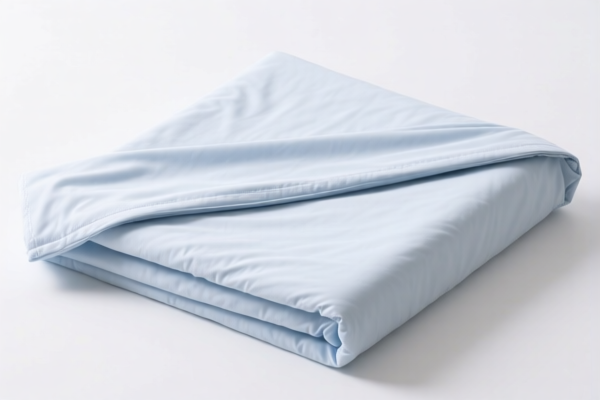
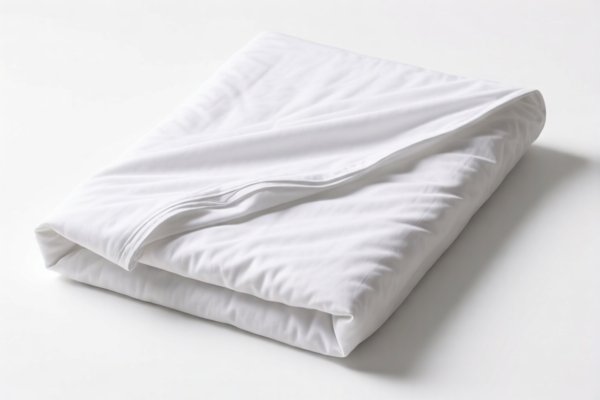
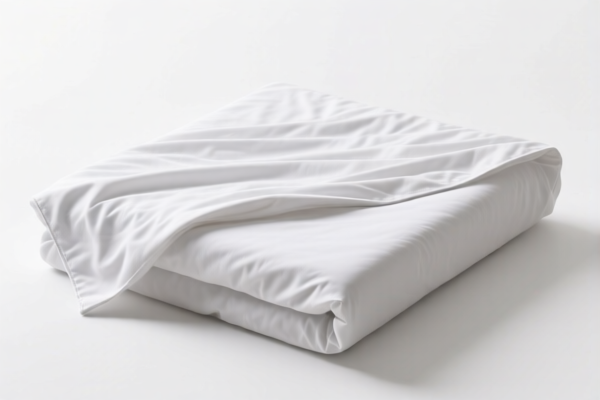
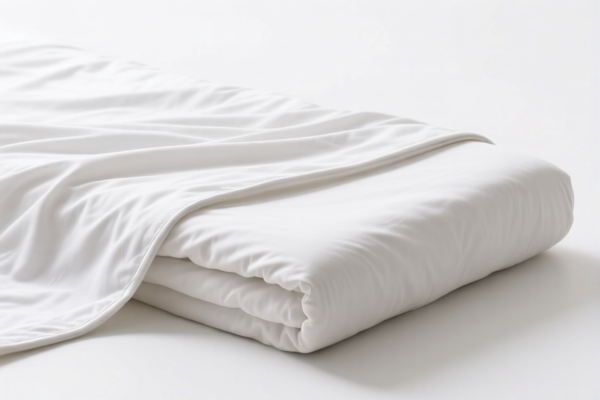
AI Analysis
🛏️ Dyed Man-made Cellulose Bedding Fabric, Unnapped (Flat Weave)
🌐 HS Code Reference & Customs Clearance Guide | 2026 Latest Tariff Analysis | Professional-Level通关 Strategies
📌 I. Product Definition & Classification: Do You Really Understand "Bedding Fabric"?
"Dyed Man-made Cellulose Bedding Fabric, Unnapped" refers to textiles specifically designed for bedding applications, characterized by a flat weave structure and a lack of raised pile (unnapped). In international trade, these fabrics are classified based on the fiber type (cellulose-based man-made fibers like viscose/rayon) and the finishing process (dyed, plain weave, not napped).
Key Distinctions: * Man-made Cellulose Fibers (Viscose/Rayon): Falls under Chapter 55 (Section XI of the HS Tariff). * Synthetic Filament vs. Staple Fiber: While "Cellulose" usually implies staple fiber (viscose), some long-filament variants may fall under Chapter 54. The distinction is critical for HS Code selection. * "Unnapped": This means the fabric has not been treated to raise a nap (fuzzy surface), distinguishing it from flannel or brushed fabrics.
⚠️ Critical Identification Point:
- If the fabric is made from cellulose-based staple fibers (e.g., Viscose Rayon) → Chapter 55 (5516).
- If the fabric is made from cellulose-based filaments (e.g., Filament Yarn) → Chapter 54 (5408).
- Bedding Use: The end-use (bedding) does not override the material classification, but it helps confirm the fabric weight and structure.
📦 II. HS Code Classification Details (2026 Latest Tariff Authority Mapping)
Based on the provided data, here are the specific HS Codes mapped to your product description. Note that there are two main branches depending on whether the fiber is considered "staple" (short) or "filament" (long).
| HS Code | Product Description | Fiber Type | Application/Characteristic | Total Tax Rate (China-US) |
|---|---|---|---|---|
5516.11.00.10 |
Man-made cellulose flat weave bedding fabric, unnapped | Staple Fiber (Short) | Plain weave, dyed, cellulose-based | 49.9% |
5516.41.00.22 |
Man-made cellulose flat weave bedding fabric, unnapped | Staple Fiber (Short) | Specific sub-category for bedding | Plain weave, dyed |
5408.34.90.30 |
Man-made cellulose flat weave bedding fabric, unnapped | Filament (Long) | Other category, filament yarn | Plain weave, dyed |
5408.31.20.30 |
Man-made cellulose flat weave bedding fabric, unnapped | Filament (Long) | No printing/special structure | Plain weave, dyed |
🔍 Key Reminder:
-5516Series: Applies if the fabric is made from viscose staple fibers (most common for "bedding fabrics").
-5408Series: Applies if the fabric is made from viscose filament yarns (often smoother, more durable).
- "Bedding" Characteristic: The summary explicitly mentions "bedding fabric features," which supports the classification under these specific textile headings rather than general upholstery or apparel.
💰 III. 2026 Latest Tariff Rate Breakdown (Including Surcharges & Policy Add-ons)
✅ Applicable Country: United States (US)
✅ Origin: China (CN)
✅ Effective Date: November 10, 2025 (and subsequent imports)
🎯 1. 5516.11.00.10 & 5516.41.00.22 — Man-made Cellulose Staple Fiber Fabrics
| Item | Content |
|---|---|
| Base Duty Rate | 14.9% (Standard MFN Rate for Chapter 55) |
| Section 301 Surcharge | +25.0% (USITC Footnote under 301 Action) |
| Section 122 Tariff | +10.0% (Specific clause for textiles/apparel from China) |
| Total Tax Rate | 49.9% |
| Tax Calculation | CIF Value × 49.9% |
| De Minimis Exemption | ❌ Not Applicable (Deny de_minimis) |
| Legal Basis Path | Base Tariff: 5516.11/41 → Section 301: 88% → Section 122: 10% |
📌 Explanation:
- Base Duty (14.9%): Standard tariff for man-made cellulose fibers.
- Section 301 (25%): Applies to most Chinese textile imports under US Trade Law Section 301.
- Section 122 (10%): A specific additional duty for certain textile and apparel products from China.
- Total (49.9%): This is a very high combined duty rate. Cost planning must account for nearly half the product value in duties alone.
🎯 2. 5408.34.90.30 — Man-made Cellulose Filament Fabrics (Other)
| Item | Content |
|---|---|
| Base Duty Rate | 12.0% (Standard MFN Rate for Chapter 54) |
| Section 301 Surcharge | +25.0% |
| Section 122 Tariff | +10.0% |
| Total Tax Rate | 47.0% |
| Tax Calculation | CIF Value × 47.0% |
| De Minimis Exemption | ❌ Not Applicable |
| Legal Basis Path | Base Tariff: 5408.34 → Section 301: 88% → Section 122: 10% |
📌 Note:
- Filament fabrics (5408) have a slightly lower base rate (12.0% vs 14.9%), resulting in a 2.9% savings compared to staple fiber fabrics.
- However, the Section 301 and 122 surcharges remain identical.
🎯 3. 5408.31.20.30 — Man-made Cellulose Filament Fabrics (Specific Sub-category)
| Item | Content |
|---|---|
| Base Duty Rate | 14.9% |
| Section 301 Surcharge | +25.0% |
| Section 122 Tariff | +10.0% |
| Total Tax Rate | 49.9% |
| Tax Calculation | CIF Value × 49.9% |
| De Minimis Exemption | ❌ Not Applicable |
📌 Caution:
- Some specific filament sub-codes carry the higher base rate (14.9%). Always verify the exact 10-digit HS code with customs brokers.
🛠️ IV. Customs Clearance Practical Advice (Battle-Tested Pitfall Avoidance)
✅ 1. Documentation Checklist (All Required)
| Document | Must Provide | Explanation |
|---|---|---|
| ✅ Product Specification Sheet | ✔️ | Must specify: Fiber content (e.g., 100% Viscose), Weave type (Plain), Finish (Dyed, Unnapped), Weight (GSM). |
| ✅ Fabric Composition Label | ✔️ | Clear statement: "Man-made Cellulose Fiber" vs. "Synthetic." |
| ✅ Product Photos | ✔️ | Show fabric texture, weave pattern, and any branding/packaging. |
| ✅ Commercial Invoice | ✔️ | Describe as "Dyed Man-made Cellulose Bedding Fabric, Plain Weave, Unnapped." Avoid vague terms like "Textile." |
| ✅ Packing List | ✔️ | Detail weight, dimensions, and number of rolls/bales. |
| ✅ Certificate of Origin | ✔️ | Required for verifying Chinese origin (triggers Section 301 & 122). |
✅ 2. Declaration Tips (Key Mnemonic)
🔥 "Fiber Type is King, Weave is Queen, 301 & 122 are the Enemy!"
| Scenario | Correct Declaration | Wrong Practice |
|---|---|---|
| Viscose Staple Fiber | 5516.11.00.10 or 5516.41.00.22 |
Misclassifying as 5208 (Cotton) → Penalties |
| Viscose Filament | 5408.34.90.30 or 5408.31.20.30 |
Misclassifying as 5516 → Overpayment or Audit Risk |
| Napped/Brushed Fabric | Different HS Code (e.g., 5516.94) |
Declaring "Unnapped" when it is "Napped" → Smuggling Risk |
| Blended Fibers | % Composition must be exact | Vague "Poly-blend" → Delays |
✅ 3. Special Situations
| Situation | Handling Advice |
|---|---|
| OEM/White Label | Provide buyer agreement; ensure label matches supplier. |
| Small Sample Shipments | Even samples are subject to 49.9% duty; no de minimis exemption. |
| Fabric Rolls | Declare as "Yards/Meters" and "Rolls," not "Bedding Sets." |
| Dye Lot Variations | Ensure invoice color matches physical goods; discrepancies cause holds. |
🌍 V. Global Market Customs Comparison (2026 Latest)
| Country/Region | Recommended HS Code | Duty Rate | Certification Requirements | Notes |
|---|---|---|---|---|
| 🇺🇸 USA | 5516.11.00.10 |
49.9% | None specific (Textiles) | High barrier; Section 301 + 122 apply. |
| 🇨🇳 China | 5516.11.00.10 |
~14.9% | CCC (if applicable) | No 301/122 surcharges. |
| 🇪🇺 EU | 5516.11.00.10 |
4-12% | REACH (Chemical compliance) | No 301/122; strict environmental rules. |
| 🇬🇧 UK | 5516.11.00.10 |
4-12% | UKCA (if applicable) | Post-Brexit rules apply. |
| 🇦🇺 Australia | 5516.11.00.10 |
5% | None specific | Competitive duty rate. |
📌 Conclusion:
- The US market is the most expensive due to the 49.9% combined duty.
- China, EU, and Australia offer significantly lower duty rates.
- Strategy: If targeting the US, consider cost-absorption pricing or supply chain diversification (e.g., sourcing from Vietnam/Mexico for duty-free options under USMCA or GSP, if applicable).
📌 VI. Common Errors & Pitfall Guide (Lessons Learned)
❌ Error 1: Declaring "Bedding" as "Apparel"
👉 Consequence: Wrong HS Code → Section 122 may not apply, but Section 301 still does. Misclassification leads to audits.
❌ Error 2: Confusing "Cellulose" with "Cotton"
👉 Consequence: 5516 vs 5208. Cotton has different base duties and lower 301 rates. Major audit flag.
❌ Error 3: Ignoring "Unnapped" Status
👉 Consequence: If fabric is actually "Napped," it falls under different sub-headings with potentially different tax rates. Risk of false declaration.
❌ Error 4: Assuming De Minimis Applies to Small Shipments
👉 Consequence: Textiles are excluded from de minimis exemptions under current US rules. Small shipments still pay 49.9%.
✅ Correct Practice:
"Dyed Man-made Cellulose Fabric, 100% Viscose Staple Fiber, Plain Weave, Unnapped, for Bedding Use, Gray Color, 200 GSM"
🎯 VII. Conclusion: Professional Declaration, Cost Efficiency!
🎯 Remember the Mnemonic:
🔹 "Cellulose Staple: 49.9% (5516)
🔹 Cellulose Filament: 47-49.9% (5408)
🔹 301 + 122 = 35% Surcharge
🔹 No De Minimis!"
📌 Pro Tip:
- If your volume is high, consider Applying for an Advance Ruling from US Customs to confirm the exact HS Code.
- For US imports, factor in the 49.9% duty into your product pricing. Do not underestimate this cost.
- Explore alternatives: If possible, use blended fibers or different weaves that might qualify for lower sub-codes (though unlikely for standard cellulose).
📣 Immediate Action:
📞 Contact a Licensed Customs Broker + Provide Fabric Swatches + Request HS Code Pre-Ruling
🚀 Ensure Smooth Customs Clearance, Avoid Delays, and Protect Your Margins!
✨ Professional Customs Clearance Starts with Accurate Classification!
💼 Every Dollar of Duty is Calculated Precisely!
Customer Reviews
About HS Code Classification
The Harmonized System (HS) is an internationally standardized nomenclature developed by the World Customs Organization (WCO) to classify traded products. Over 200 countries use the HS system as the basis for customs tariffs, trade statistics, and import/export regulations.
Each HS code follows a hierarchical structure:
- Chapter (2 digits) — Broad category of goods (e.g., Chapter 84: Machinery and Mechanical Appliances)
- Heading (4 digits) — More specific grouping within the chapter
- Subheading (6 digits) — Internationally standardized breakdown, used by all WCO member countries
- National subdivisions (8-10 digits) — Country-specific extensions for further classification, such as US HTSUS 10-digit codes
Correct HS code classification is essential for smooth customs clearance, accurate duty payment, and compliance with trade regulations. Misclassification can lead to customs delays, overpayment of duties, or penalties.
When importing from CN to US, the applicable tariff rates may include:
- Most-Favored-Nation (MFN) rate — The standard duty rate applied to WTO members
- General rate — Applied to countries without trade agreements
- Trade remedy duties — Additional tariffs such as Section 301 (anti-dumping), Section 232 (national security), or countervailing duties
The information provided on this page is for reference purposes only. For official classification, please consult with your local customs authority or a licensed customs broker.