Dyed Raccoon Skins
CN → US| HS Code | Tariff Rate | Origin | Destination | Doc |
|---|---|---|---|---|
| 4103901190 | 17.5% | CN | US | Official Doc |
| 4303900000 | 35.0% | CN | US | Official Doc |
| 4301900000 | 10.0% | CN | US | Official Doc |
| 4302193040 | 36.5% | CN | US | Official Doc |
| 4302194540 | 37.2% | CN | US | Official Doc |
Product Images
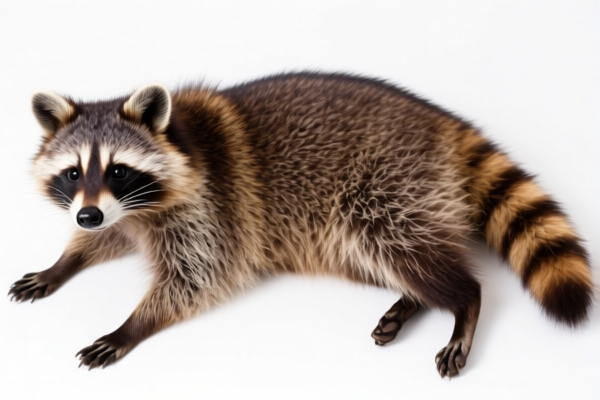
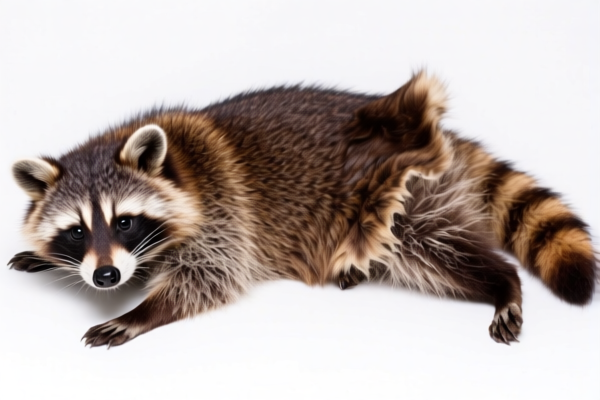
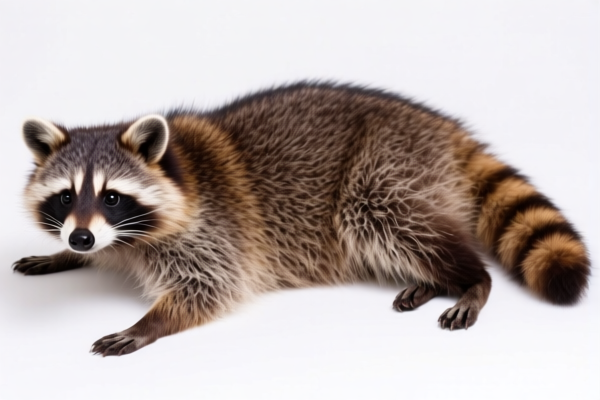
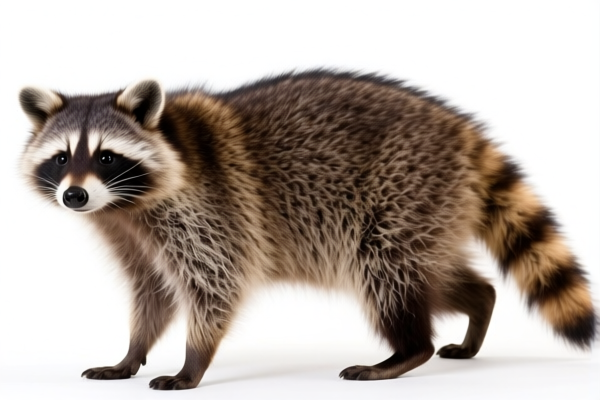
AI Analysis
🦝 Dyed Raccoon Skins: HS Code Classification & Customs Clearance Guide (2026)
🌐 HS Code Reference & Customs Strategy | 2026 Latest Tariff Analysis | Professional Clearance Protocol
📌 I. Product Definition & Classification: What Exactly Are "Dyed Raccoon Skins"?
Raccoon skins are a major raw material in the fur industry, primarily used for garments, trimmings, and accessories. In international trade, the classification depends strictly on the state of processing:
- Raw Skins (Not Dressed): Untanned or merely salted.
- Dressed/Tanned Skins (Un_dyed or Dyed): Tanned and prepared. If dyed, they fall under specific sub-headings depending on whether they are whole or assembled.
- Fur Garments/Articles: Finished products (coats, hats, etc.).
⚠️ Key Distinction Point:
- If the skin is dressed/tanned but NOT dyed → Check4302.19series.
- If the skin is dressed/tanned AND dyed → Check4103or4303depending on specific definition.
- If the skin is unfinished/raw → Check4301series.
- If the skin is finished into a product → Check4303.
📦 II. HS Code Classification Matrix (2026 Latest Tariff Mapping)
Based on the provided dataset, here are the specific HS Codes, their summaries, and why they apply:
| HS Code | Product Description | Why This Code Applies? | Total Tax Rate |
|---|---|---|---|
| 4103.90.11.90 | Dyed Raccoon Skin (General Category) | Classified under "Other Raw Skins." Fits the description of dyed processing. This is a broad category for skins that are dressed/tanned but not specifically listed under the fur chapter's higher-value dressings. | 17.5% |
| 4303.90.00.00 | Raccoon Skin Articles | Classification for fur products made from raccoon skin. If the item is a finished good (e.g., a rug, a trimmed panel, or a garment component), it falls here. | 35.0% |
| 4301.90.00.00 | Raw Raccoon Pelts | For unprocessed raw furs used by furriers. If the skin is salted or green (untanned), it belongs here. Note: The prompt asks for "Dyed," so this usually applies to undyed raw skins, but included for contrast. | 10.0% |
| 4302.19.30.40 | Undyed Whole Raccoon Skin | Specifically for whole raccoon skins that are UNDYED. If your skin is dyed, DO NOT use this code. This code is for natural, undyed pelts. | 36.5% |
| 4302.19.45.40 | Raccoon Fur (Dressed/Assembled) | Explicitly includes material and form. Fits the classification for dressed raccoon fur. Often used for assembled skins or specific dressed pelts. | 37.2% |
| 4303.10.00.60 | Raccoon Fur Articles (Non-Mink) | For finished fur products NOT made of mink. If you are exporting a raccoon fur coat or vest, use this. | 39.0% |
| 4301.80.02.75 | Raccoon Fur (Specific Raw/Prep) | Fully fits the raccoon fur classification requirements for certain raw/prepared states. | 17.5% |
🔍 Critical Warning for "Dyed" Skins:
- If you are exporting dyed whole skins, 4103.90.11.90 (17.5%) and 4302.19.45.40 (37.2%) are the most relevant raw material candidates.
- 4302.19.30.40 is for UNDYED skins. Do not use it for dyed goods.
- If the goods are finished products (e.g., a raccoon fur jacket), use 4303.10.00.60 or 4303.90.00.00.
💰 III. 2026 Latest Tariff Rate Breakdown (Including Surcharges & Policy Add-ons)
✅ Applicable Country: United States (US)
✅ Origin: China (CN)
✅ Effective Date: From November 10, 2025 (and onwards)
The tax rates include: 1. Base Duty (MFN) 2. Section 301 Duty (Additional Tariff) 3. Section 122 Duty (IEEPA Additional Tariff for China)
🎯 1. 4103.90.11.90 – Dyed Raccoon Skin (Other Raw Skins)
| Item | Content |
|---|---|
| Base Duty | 0% |
| Section 301 Duty | +7.5% |
| Section 122 Duty (IEEPA) | +10% |
| Total Duty | 17.5% |
| Calculation | CIF Value × 17.5% |
| De Minimis Exemption? | ❌ NO (High duty rate disqualifies it) |
| Legal Basis Path | IEEPA:122 → USITC:4103.90.11.90 |
📌 Explanation:
- This is the lowest duty option among the dyed/finished skin categories.
- Suitable for dyed whole pelts intended for further manufacturing.
🎯 2. 4303.90.00.00 – Raccoon Skin Articles (Finished Goods)
| Item | Content |
|---|---|
| Base Duty | 0% |
| Section 301 Duty | +25.0% |
| Section 122 Duty (IEEPA) | +10% |
| Total Duty | 35.0% |
| Calculation | CIF Value × 35.0% |
| De Minimis Exemption? | ❌ NO |
| Legal Basis Path | IEEPA:122 → USITC:4303.90.00.00 |
📌 Explanation:
- Applies if the skin is assembled into an article (e.g., a rug, a trimmed panel for sale, or a garment part).
- Higher duty than raw dyed skin.
🎯 3. 4302.19.45.40 – Raccoon Fur (Dressed/Assembled)
| Item | Content |
|---|---|
| Base Duty | 2.2% |
| Section 301 Duty | +25.0% |
| Section 122 Duty (IEEPA) | +10% |
| Total Duty | 37.2% |
| Calculation | CIF Value × 37.2% |
| De Minimis Exemption? | ❌ NO |
| Legal Basis Path | IEEPA:122 → USITC:4302.19.45.40 |
📌 Explanation:
- Used for dressed raccoon fur with specific material/form classification.
- High duty due to Section 301.
🎯 4. 4302.19.30.40 – UNDYED Whole Raccoon Skin (Warning: Not for Dyed Goods)
| Item | Content |
|---|---|
| Base Duty | 1.5% |
| Section 301 Duty | +25.0% |
| Section 122 Duty (IEEPA) | +10% |
| Total Duty | 36.5% |
| Calculation | CIF Value × 36.5% |
| De Minimis Exemption? | ❌ NO |
| Legal Basis Path | IEEPA:122 → USITC:4302.19.30.40 |
📌 Explanation:
- Only for UNDYED skins. If you declare dyed skins under this code, you risk classification error penalties.
🎯 5. 4303.10.00.60 – Raccoon Fur Articles (Non-Mink)
| Item | Content |
|---|---|
| Base Duty | 4.0% |
| Section 301 Duty | +25.0% |
| Section 122 Duty (IEEPA) | +10% |
| Total Duty | 39.0% |
| Calculation | CIF Value × 39.0% |
| De Minimis Exemption? | ❌ NO |
| Legal Basis Path | IEEPA:122 → USITC:4303.10.00.60 |
📌 Explanation:
- For finished fur products (e.g., coats, vests).
- Highest duty among listed options.
🎯 6. 4301.90.00.00 – Raw Raccoon Pelts
| Item | Content |
|---|---|
| Base Duty | 0% |
| Section 301 Duty | 0.0% |
| Section 122 Duty (IEEPA) | +10% |
| Total Duty | 10.0% |
| Calculation | CIF Value × 10.0% |
| De Minimis Exemption? | ❌ NO (But lowest rate) |
| Legal Basis Path | IEEPA:122 → USITC:4301.90.00.00 |
📌 Explanation:
- Only for RAW, UNDYED, UNTANNED skins.
- If your skins are dyed, this code is incorrect. Misuse leads to seizure.
🛠️ IV. Customs Clearance Practical Advice (Pitfall Avoidance Guide)
✅ 1. Documentation Checklist (Mandatory)
| Document | Required? | Notes |
|---|---|---|
| ✅ Commercial Invoice | ✔️ | Must specify "Dyed Raccoon Skins" or "Raccoon Fur Articles" accurately. |
| ✅ Packing List | ✔️ | Detail number of skins, weight, and dimensions. |
| ✅ Tanning/Dyeing Certificate | ✔️ | CRITICAL: Proves the state of the skin (dyed vs. undyed). Customs will verify. |
| ✅ Fur Origin Certificate | ✔️ | To prove origin (China) and apply correct duties. |
| ✅ Product Photos | ✔️ | Show the dye color, texture, and any tags/labels. |
| ✅ CITES Permit | ✔️ | Check if applicable: Raccoons are not always CITES-listed, but verify current regulations. Some countries require proof of legal harvest. |
✅ 2. Declaration Tips (Key Mantra)
🔥 "State the State: Raw, Dressed, or Dyed? Declare Precisely!"
| Scenario | Correct Declaration | Wrong Declaration | Consequence |
|---|---|---|---|
| Dyed Whole Skins | 4103.90.11.90 |
4302.19.30.40 (Undyed) |
High Penalty: Misclassification, duty shortfall (17.5% vs 36.5%). |
| Finished Raccoon Coat | 4303.10.00.60 |
4103.90.11.90 (Raw Skin) |
High Penalty: Duty from 39% to 17.5% → Customs will reassess to 39% + fines. |
| Raw Salted Skins | 4301.90.00.00 |
4103.90.11.90 (Dyed) |
Delay: Customs questions the dye status. |
| Assembled Fur Panels | 4303.90.00.00 |
4302.19.45.40 (Raw Dressed) |
Risk: If assembled, it's an "article." Misdeclaration may lead to 35% vs 37.2% dispute. |
✅ 3. Special Situations
| Situation | Handling Advice |
|---|---|
| Mixed Lots (Dyed & Undyed) | Split Declaration: Declare dyed and undyed separately to avoid misclassification. |
| CITES Compliance | If raccoons are CITES-listed in your destination country (e.g., EU), provide CITES Export Permit from China and CITES Import Permit for US. |
| Biosecurity | Raccoon skins may require sanitary certificates to prevent disease transmission. Check USDA/APHIS requirements. |
| Section 122 Impact | All these codes carry the 10% IEEPA Section 122 duty. Ensure your supplier is aware of this cost. |
🌍 V. Global Market Comparison (2026)
| Country/Region | Recommended HS Code | Duty (China Origin) | Notes |
|---|---|---|---|
| 🇺🇸 USA | 4103.90.11.90 (Dyed) |
17.5% | Includes 10% IEEPA. Lowest for dyed raw. |
| 🇪🇺 EU | Varies (e.g., 4302) | Varies | Check EU Tarif. May require CITES. |
| 🇨🇳 China | 4302.19.45.40 |
~5-10% | Import of raw furs for processing. |
| 🇬🇧 UK | Varies | Varies | Post-Brexit tariffs may differ. |
| 🇨🇦 Canada | Varies | Varies | Check Canadian Border Services Agency (CBSA). |
📌 Conclusion:
- USA has a significant Section 122 duty on all fur products from China.
- Dyed raw skins (4103.90.11.90) offer the lowest duty (17.5%) among the provided codes.
- Finished goods (4303.x) face higher duties (35-39%).
📌 VI. Common Errors & Pitfalls (Lessons Learned)
❌ Error 1: Declaring dyed skins under undyed codes (4302.19.30.40).
👉 Consequence: Customs detects dye → Re-classifies to 36.5% + penalties for fraud.
❌ Error 2: Declaring finished coats as raw skins (4103.90.11.90).
👉 Consequence: Duty gap of ~21.5% → Seizure of goods and fines.
❌ Error 3: Ignoring Section 122 (10%).
👉 Consequence: Underpayment → Customs bill with interest.
❌ Error 4: Missing Tanning/Dyeing Certificates.
👉 Consequence: Holds at border for inspection → Delays and storage fees.
✅ Correct Action:
"Dyed Raccoon Skins, Tanned & Dyed, Whole, for Garment Manufacturing, Origin: China, HS: 4103.90.11.90"
🎯 VII. Conclusion: Professional Declaration, Cost Savings, Smooth Clearance!
🎯 Remember the Mantra:
🔹 "Dyed Raw: 4103 (17.5%) | Undyed Raw: 4302 (36.5%) | Finished: 4303 (35-39%) | Raw Salted: 4301 (10%)"
🔹 "HS Code Dictates Duty. 1% Error = Thousands Lost!"
📌 Pro Tip:
If you are exporting dyed raccoon skins, use 4103.90.11.90 for the lowest duty (17.5%). Ensure your Tanning/Dyeing Certificate is clear.
If you are exporting finished raccoon fur products, use 4303.10.00.60 or 4303.90.00.00 but prepare for 35-39% duty.
📣 Immediate Action:
📞 Contact a professional customs broker.
📄 Provide Product Photos and Tanning/Dyeing Certificates.
🚀 Clear Customs Smoothly, Save Costs, Boost Profits!
✨ Professional Customs Clearance Starts with Accurate Classification!
💼 Every Dollar of Duty Counts!
Customer Reviews
About HS Code Classification
The Harmonized System (HS) is an internationally standardized nomenclature developed by the World Customs Organization (WCO) to classify traded products. Over 200 countries use the HS system as the basis for customs tariffs, trade statistics, and import/export regulations.
Each HS code follows a hierarchical structure:
- Chapter (2 digits) — Broad category of goods (e.g., Chapter 84: Machinery and Mechanical Appliances)
- Heading (4 digits) — More specific grouping within the chapter
- Subheading (6 digits) — Internationally standardized breakdown, used by all WCO member countries
- National subdivisions (8-10 digits) — Country-specific extensions for further classification, such as US HTSUS 10-digit codes
Correct HS code classification is essential for smooth customs clearance, accurate duty payment, and compliance with trade regulations. Misclassification can lead to customs delays, overpayment of duties, or penalties.
When importing from CN to US, the applicable tariff rates may include:
- Most-Favored-Nation (MFN) rate — The standard duty rate applied to WTO members
- General rate — Applied to countries without trade agreements
- Trade remedy duties — Additional tariffs such as Section 301 (anti-dumping), Section 232 (national security), or countervailing duties
The information provided on this page is for reference purposes only. For official classification, please consult with your local customs authority or a licensed customs broker.