Dyed Racoon Furskins
CN → US| HS Code | Tariff Rate | Origin | Destination | Doc |
|---|---|---|---|---|
| 4302194540 | 37.2% | CN | US | Official Doc |
| 4302193040 | 36.5% | CN | US | Official Doc |
| 4301900000 | 10.0% | CN | US | Official Doc |
| 4301800275 | 17.5% | CN | US | Official Doc |
| 4303900000 | 35.0% | CN | US | Official Doc |
Product Images
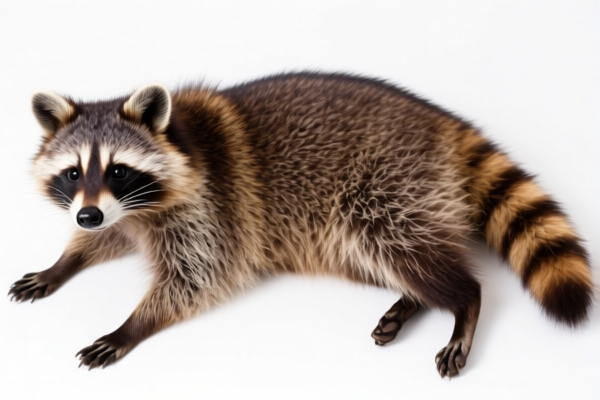
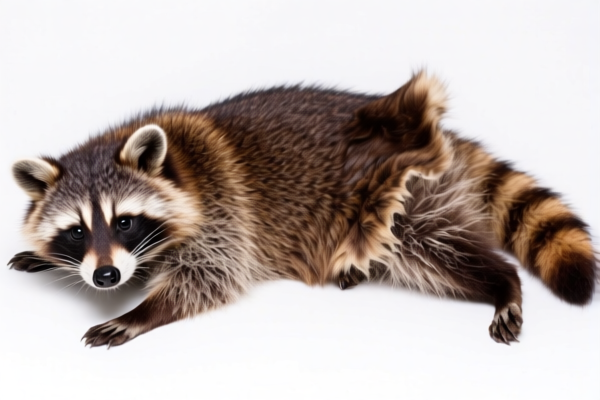
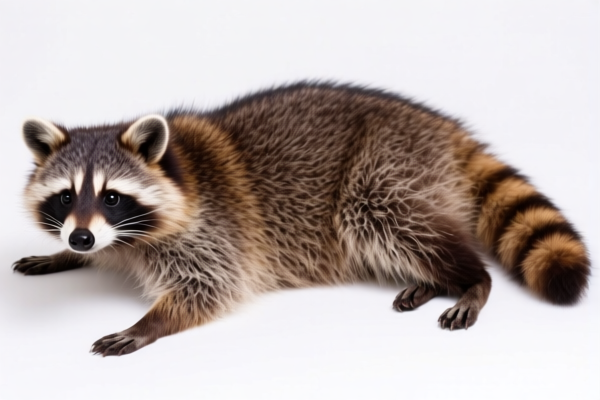
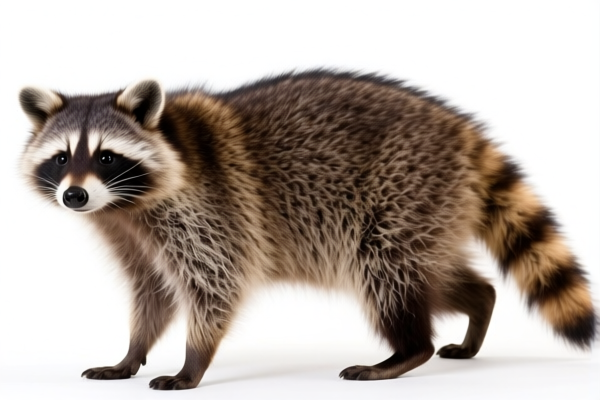
AI Analysis
🦝 Dyed Racoon Furskins (Racoon Fur Skins with Paws)
🌐 HS Code Reference & Customs Clearance Guide | 2026 Latest Tariff Analysis | Professional Classification Strategy
📌 I. Product Definition & Classification: Do You Really Understand "Dyed Racoon Furskins"?
Dyed Racoon Furskins refer to whole raccoon pelts that have undergone chemical dyeing processes, often retaining the characteristic paws. In international trade, these goods are classified under Chapter 43 (Articles of Hairskins and Furskins), but the specific HS Code depends heavily on the state of processing (raw vs. dressed vs. semi-manufactured) and the intended use.
⚠️ Key Distinction:
- Raw/Prepared Skins (Raw/Hide): If the fur is cleaned and treated but not yet fully "dressed" or "dyed" for final fashion use, it may fall under raw material codes. - Dressed/Dyed Skins (Semi-manufactured): If the skin is fully processed, dyed, and ready for cutting into garments, it falls under "prepared" or "semi-manufactured" furskin codes. - Manufactured Articles: If the skin is cut and sewn into a finished good (like a collar), it falls under Chapter 4303.
📦 II. HS Code Classification Details (2026 Latest Tariff Authority Comparison)
Based on the provided data, here are the five potential HS Codes for "Dyed Racoon Furskins" and their corresponding tax implications.
| HS Code | Product Description | Application Scenario | Processing State | Total Tax Rate (China Origin -> US) |
|---|---|---|---|---|
4302.19.45.40 |
Dyed Racoon Fur Skins with Paws | Dyed, whole skins retaining paws; semi-manufactured for furriers | Dyed / Whole / With Paws | 37.2% |
4302.19.30.40 |
Undyed Racoon Skins | Raw or prepared skins, not dyed; whole skins | Undyed / Whole | 36.5% |
4301.90.00.00 |
Raw Racoon Skins | Raw hairskins/furskins, not yet dressed or dyed; for fur traders | Raw / Undyed | 10.0% |
4303.90.00.00 |
Racoon Fur Articles (Other) | Finished or semi-finished fur articles not elsewhere specified | Manufactured/Semi-manufactured | 35.0% |
4303.10.00.60 |
Other Fur Articles (Non-Mink) | Fur garments/articles made from raccoon fur, not mink | Manufactured/Non-Mink | 39.0% |
🔍 Critical Warning:
- Raw vs. Dyed is Crucial: If you declare "Dyed" skins but use code4301.90.00.00(Raw), you risk misclassification penalties. Raw skins have a much lower base tax (0%) but suffer from the same Section 301/122 tariffs if not careful, though the total effective rate here is significantly lower (10% vs 37.2%). - "With Paws" Specifics: The code4302.19.45.40specifically mentions "with paws" and "dyed." If your product is dyed but you omit the paw detail, customs may still accept it under4302.19.30.40(if undyed) or require clarification. Ensure your invoice matches the physical product exactly.
💰 III. 2026 Latest Tariff Rate Breakdown (Including Surcharge Policies)
✅ Applicable Country: United States (US)
✅ Origin: China (CN)
✅ Effective Date: November 10, 2025 onwards
🎯 1. 4302.19.45.40 —— Dyed Racoon Fur Skins with Paws
| Item | Detail |
|---|---|
| Base Tariff | 2.2% (Ad Valorem) |
| Section 301 Surcharge | +25.0% (Added on top of base) |
| Section 122 Surcharge | +10.0% (Specific to certain Chinese imports) |
| Total Effective Rate | 37.2% |
| Tax Calculation | CIF Value × 37.2% |
| De Minimis Eligibility | ❌ NO (Section 321 exemption does NOT apply to furskins from China) |
| Legal Authority Path | USITC:4302.19.45.40 → USITC Footnote: Section 301 → IEEPA: Section 122 |
📌 Explanation:
- This is a semi-manufactured good (dressed/dyed fur). It is subject to both the 25% Section 301 tariff (due to its origin from China) and the 10% Section 122 tariff (a specific punitive tariff on certain Chinese goods). - The 2.2% base rate applies because it is a prepared fur, not a raw hide. - Total Cost Impact: For every $10,000 CIF value, you pay $3,720 in duties. This is extremely high for raw materials.
🎯 2. 4302.19.30.40 —— Undyed Racoon Skins (Whole)
| Item | Detail |
|---|---|
| Base Tariff | 1.5% |
| Section 301 Surcharge | +25.0% |
| Section 122 Surcharge | +10.0% |
| Total Effective Rate | 36.5% |
| Tax Calculation | CIF Value × 36.5% |
| De Minimis Eligibility | ❌ NO |
| Legal Authority Path | USITC:4302.19.30.40 → USITC Footnote: Section 301 → IEEPA: Section 122 |
📌 Note:
- Slightly lower than dyed skins due to a lower base rate (1.5% vs 2.2%). - Only apply if the skins are NOT dyed. If you ship dyed skins under this code, customs will reclassify and penalize.
🎯 3. 4301.90.00.00 —— Raw Racoon Skins (Undyed, Unprepared)
| Item | Detail |
|---|---|
| Base Tariff | 0.0% |
| Section 301 Surcharge | +0.0% (Note: Some raw hides may be exempt from Sec 301, but verify current list) |
| Section 122 Surcharge | +10.0% |
| Total Effective Rate | 10.0% |
| Tax Calculation | CIF Value × 10.0% |
| De Minimis Eligibility | ❌ NO |
| Legal Authority Path | USITC:4301.90.00.00 → IEEPA: Section 122 |
📌 Crucial Insight:
- This is the LOWEST tax code in the provided data. - BUT: It is ONLY for RAW skins (not dyed, not dressed). - Risk: If you ship dyed skins and declare this code, you are committing customs fraud. The difference between 10% and 37.2% is huge, so customs will scrutinize this heavily. Do not use unless the product is genuinely raw/unprocessed.
🎯 4. 4303.90.00.00 —— Other Racoon Fur Articles
| Item | Detail |
|---|---|
| Base Tariff | 0.0% |
| Section 301 Surcharge | +25.0% |
| Section 122 Surcharge | +10.0% |
| Total Effective Rate | 35.0% |
| Tax Calculation | CIF Value × 35.0% |
| De Minimis Eligibility | ❌ NO |
| Legal Authority Path | USITC:4303.90.00.00 → USITC Footnote: Section 301 → IEEPA: Section 122 |
📌 Note:
- Applies if the fur is considered an "article" (semi-finished or finished). - Lower than dyed whole skins (35% vs 37.2%) because the base rate is 0%. - Use only if the item is clearly an "article" and not just a "skin."
🎯 5. 4303.10.00.60 —— Other Fur Articles (Non-Mink)
| Item | Detail |
|---|---|
| Base Tariff | 4.0% |
| Section 301 Surcharge | +25.0% |
| Section 122 Surcharge | +10.0% |
| Total Effective Rate | 39.0% |
| Tax Calculation | CIF Value × 39.0% |
| De Minimis Eligibility | ❌ NO |
| Legal Authority Path | USITC:4303.10.00.60 → USITC Footnote: Section 301 → IEEPA: Section 122 |
📌 Note:
- The HIGHEST tax rate in the list. - Applies to other fur articles that are not mink. Raccoon fur falls under "other." - Avoid this code unless you are certain it is a finished article and not a skin.
🛠️ IV. Customs Clearance Practical Advice (Avoiding Pitfalls)
✅ 1. Required Documentation Checklist
| Document | Mandatory? | Description |
|---|---|---|
| ✅ Commercial Invoice | ✔️ | Must clearly state: "Dyed Racoon Fur Skins, Whole, With Paws," or "Raw Racoon Skins." Do NOT simply write "Fur." |
| ✅ Packing List | ✔️ | List each skin’s dimensions, weight, and whether paws are included. |
| ✅ Proof of Processing | ✔️ | Provide lab reports or supplier certificates confirming if skins are Raw, Prepared, or Dyed. This is critical for correct HS Code selection. |
| ✅ CITES Documentation | ✔️ | Raccoons are protected under CITES Appendix II. You MUST provide valid CITES export permits from the country of origin. No CITES = No Entry. |
| ✅ Product Photos | ✔️ | Clear images showing the dye color, paws, and overall condition. |
| ✅ US Fish & Wildlife Service (USFWS) Declaration | ✔️ | Required for all fur imports from China. |
✅ 2. Declaration Tips (Key Mantra)
🔥 "Raw vs. Dyed is King; CITES is the Gatekeeper!"
| Scenario | Correct Declaration | Incorrect Action |
|---|---|---|
| Dyed, Whole, With Paws | 4302.19.45.40 |
Declare as Raw (4301) → Fraud Risk |
| Undyed, Whole | 4302.19.30.40 |
Declare as Dyed → Higher Tax (37.2% vs 36.5%) |
| Raw, Unprocessed | 4301.90.00.00 |
Declare as Dyed → Unnecessary High Tax |
| Finished Garment (e.g., Collar) | 4303.90.00.00 or 4303.10.00.60 |
Declare as Skin → Misclassification |
✅ 3. Special Considerations
| Situation | Handling Advice |
|---|---|
| CITES Compliance | Ensure the export permit matches the HS Code and quantity. Mismatched CITES documents lead to seizure. |
| Dye Color | If the dye is unusual, provide a color chart. Customs may inspect to ensure it’s not disguised leather or synthetic fur. |
| Paws Inclusion | If paws are removed, do NOT use 4302.19.45.40. Use 4302.19.30.40 (if undyed) or a different dyed skin code. |
| Small Quantity (De Minimis) | ❌ Do NOT use $800 De Minimis Exemption. Fur products from China are explicitly excluded from Section 321. Always file a formal entry. |
🌍 V. Global Market Comparison (2026 Latest)
| Country/Region | Recommended HS Code | Tariff (China Origin) | Certification | Notes |
|---|---|---|---|---|
| 🇺🇸 USA | 4302.19.45.40 |
37.2% | CITES + USFWS | High tariffs + CITES strictness |
| 🇨🇳 China | 4302.19.45.40 |
~10-15% | CITES | Lower import tariffs for raw materials |
| 🇪🇺 EU | 4302.19 |
0-6% (Varies) | CITES + Ecolabel | Strict CITES enforcement |
| 🇬🇧 UK | 4302.19 |
0-6% | CITES | Post-Brexit rules apply |
📌 Conclusion:
- The US market is the most expensive for importing dyed raccoon furskins from China due to the combination of Section 301 (25%), Section 122 (10%), and Base Duty. - CITES compliance is non-negotiable. Without proper permits, the shipment will be seized regardless of tax payment.
📌 VI. Common Errors & Pitfalls (Lessons Learned)
❌ Error 1: Declaring "Dyed" skins as "Raw" (4301.90.00.00) to save tax.
👉 Consequence: Customs inspection will reveal dye. Seizure, fines, and legal action.
❌ Error 2: Missing CITES documentation.
👉 Consequence: Shipment halted at border. Return or destruction. No refunds.
❌ Error 3: Not specifying "With Paws" in the description.
👉 Consequence: Potential reclassification to 4302.19.30.40 (if undyed) or disputes over value.
❌ Error 4: Assuming De Minimis ($800) applies.
👉 Consequence: CBP will reject the informal entry. Formal entry required. Delays and demurrage charges.
✅ Correct Practice:
"Dyed Raccoon Fur Skins, Whole, With Paws, Raw Material for Garment Manufacturing, CITES Permit #[Number], CIF $10,000"
🎯 VII. Conclusion: Professional Declaration Saves Money and Time!
🎯 Remember the Mantra:
🔹 "Raw is 10%, Dyed is 37%, CITES is Mandatory, De Minimis is Forbidden!"
🔹 "HS Code must match the physical state: Raw, Prepared, or Article."
📌 Pro Tip:
If you are importing small quantities for sampling, consider if the supplier can ship RAW, UNDYES SKINS (4301.90.00.00) to reduce tax to 10%, and then dye them domestically in the US. This may save significant costs, provided local dyeing regulations are met.
📣 Immediate Action:
📞 Consult with a licensed customs broker.
📄 Secure CITES permits in advance.
📝 Prepare detailed invoices matching the physical product.
🚀 Ensure smooth clearance, avoid penalties, and protect your brand reputation!
✨ Professional Customs Clearance Starts with Accurate Classification!
💼 Every Dollar Saved in Duties is Pure Profit!
Customer Reviews
About HS Code Classification
The Harmonized System (HS) is an internationally standardized nomenclature developed by the World Customs Organization (WCO) to classify traded products. Over 200 countries use the HS system as the basis for customs tariffs, trade statistics, and import/export regulations.
Each HS code follows a hierarchical structure:
- Chapter (2 digits) — Broad category of goods (e.g., Chapter 84: Machinery and Mechanical Appliances)
- Heading (4 digits) — More specific grouping within the chapter
- Subheading (6 digits) — Internationally standardized breakdown, used by all WCO member countries
- National subdivisions (8-10 digits) — Country-specific extensions for further classification, such as US HTSUS 10-digit codes
Correct HS code classification is essential for smooth customs clearance, accurate duty payment, and compliance with trade regulations. Misclassification can lead to customs delays, overpayment of duties, or penalties.
When importing from CN to US, the applicable tariff rates may include:
- Most-Favored-Nation (MFN) rate — The standard duty rate applied to WTO members
- General rate — Applied to countries without trade agreements
- Trade remedy duties — Additional tariffs such as Section 301 (anti-dumping), Section 232 (national security), or countervailing duties
The information provided on this page is for reference purposes only. For official classification, please consult with your local customs authority or a licensed customs broker.