EVA Anti mold Material
CN → US| HS Code | Tariff Rate | Origin | Destination | Doc |
|---|---|---|---|---|
| 6406903060 | 15.3% | CN | US | Official Doc |
| 6406903030 | 15.3% | CN | US | Official Doc |
| 3921190010 | 41.5% | CN | US | Official Doc |
| 3921190090 | 41.5% | CN | US | Official Doc |
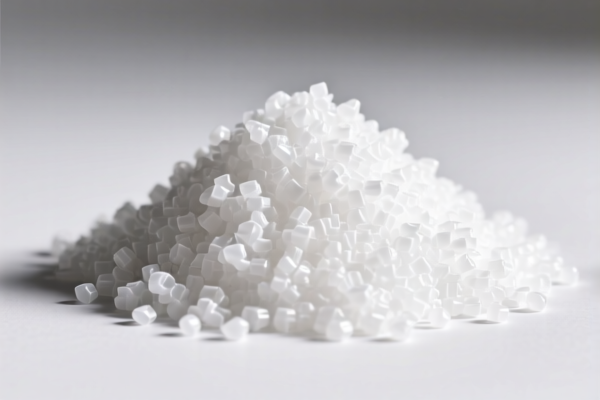
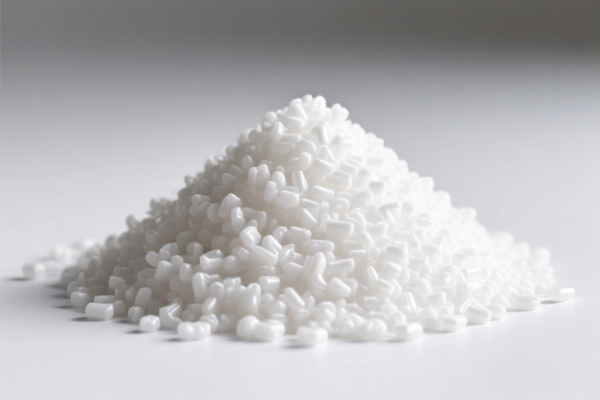
Product Images


AI Analysis
🧱 EVA Anti-Mold Material & Footwear Components
🌐 HS Code Reference & Customs Clearance Guide | 2026 Latest Tariff Analysis | Professional Clearance Strategy
📌 I. Product Definition & Classification: What Exactly is "EVA Anti-Mold Material"?
EVA (Ethylene-Vinyl Acetate) Anti-Mold Material is not a single, monolithic commodity. In international trade, its classification depends entirely on its form and state of processing.
There are two distinct scenarios:
- Raw Material Form (Plastic Products):
Sheets, films, foils, or cellular plastics containing anti-mold agents. These are considered "Plastics" under Chapter 39. - Finished Component Form (Footwear Parts):
Soles, uppers, or insoles made from EVA with anti-mold properties, intended specifically for footwear. These are considered "Parts of Footwear" under Chapter 64.
⚠️ Critical Distinction Point:
- If the item is a raw sheet, film, or bulk foam meant to be cut into shapes later →归入 Chapter 39 (Plastics)
- If the item is a pre-formed sole, upper, or insole specifically for shoes/boots →归入 Chapter 64 (Footwear Parts)
📦 II. HS Code Classification Details (2026 Latest Tariff Authority)
Based on the provided data, here are the applicable HS Codes for EVA Anti-Mold Materials in their various forms:
| HS Code | Product Description | Application Scenario | Key Identifier |
|---|---|---|---|
| 3921.19.00.10 | Other plates, sheets, film, foil and strip, of plastics: Cellular: Of other plastics: Microporous sheets of polyethylene or polypropylene film | Raw EVA sheets/films (Microporous cellular type) | ✅ Cellular Plastic Sheet/Film |
| 3921.19.00.90 | Other plates, sheets, film, foil and strip, of plastics: Cellular: Of other plastics: Other | Raw EVA foam blocks, sheets, or strips (Non-microporous cellular) | ✅ Cellular Plastic Sheet/Strip |
| 6406.90.30.60 | Parts of footwear: Other: Of other materials: Of rubber or plastics: Other | Pre-formed EVA footwear parts (e.g., insoles, heel cushions, decorative uppers) | ✅ Footwear Component (Other) |
| 6406.90.30.30 | Parts of footwear: Other: Of other materials: Of rubber or plastics: Bottoms | Pre-formed EVA soles, midsoles, or outsoles | ✅ Footwear Sole/Bottom |
🔍 Key Reminder:
- "Anti-Mold" is a functional additive. It does not change the fundamental chemical nature of the material for HS classification purposes.
- A sheet of EVA is a Plastic (Ch 39).
- A cut piece of that sheet shaped into a shoe sole is a Footwear Part (Ch 64).
- Misclassifying a finished sole as a raw plastic sheet can lead to major compliance issues during customs inspection.
💰 III. 2026 Latest Tariff Rate Breakdown
✅ Applicable Market: United States (US)
✅ Origin: China (CN) (Assumed based on common trade context; please verify if origin differs)
✅ Effective Date: Current rates apply.
🎯 1. Raw EVA Materials (Chapter 39)
A. 3921.19.00.10 – Cellular Plastic Sheets/Films (Microporous PE/PP)
(Note: While this code specifies PE/PP, general cellular EVA sheets often fall under the broader "Other" or this specific microporous category depending on structure. If strictly EVA non-microporous, see B below.)
| Item | Content |
|---|---|
| Base Tariff | 0.0% |
| Additional Tariffs | 0.0% |
| Total Tax Rate | 0.0% |
| Tax Detail | Base Duty: 0.0%, Add-on Duty: 0.0% |
| Legal Basis | Standard HTSUS entry for cellular plastics. |
📌 Explanation:
- Cellular plastic sheets/films generally enjoy low or zero base tariffs.
- No Section 301 or IEEPA additional duties are currently applied to these specific plastic subheadings in the provided data.
- Cost Advantage: Zero duty makes raw EVA material export highly competitive.
B. 3921.19.00.90 – Other Cellular Plastic Products
(Covers general cellular EVA sheets, foams, and strips not falling into the microporous PE/PP category)
| Item | Content |
|---|---|
| Base Tariff | 0.0% |
| Additional Tariffs | 0.0% |
| Total Tax Rate | 0.0% |
| Tax Detail | Base Duty: 0.0%, Add-on Duty: 0.0% |
| Legal Basis | Standard HTSUS entry for other cellular plastics. |
📌 Note:
- Similar to above, 0% total tax.
- Ensure the material is accurately described as "Cellular" (foamed) to fit this heading. Solid (non-cellular) EVA would fall under different codes (e.g., 3920.xx or 3916.xx) with potentially different rates.
🎯 2. Footwear Components (Chapter 64)
A. 6406.90.30.30 – Parts of Footwear: Soles/Bottoms
(EVA Soles, Midsoles, Outsoles)
| Item | Content |
|---|---|
| Base Tariff | 0.0% |
| Additional Tariffs | 0.0% |
| Total Tax Rate | 0.0% |
| Tax Detail | Base Duty: 0.0%, Add-on Duty: 0.0% |
📌 Explanation:
- Pre-formed EVA soles are classified here.
- 0% Total Duty makes footwear components from EVA very favorable for duty purposes compared to leather or rubber soles in some contexts.
B. 6406.90.30.60 – Parts of Footwear: Other (Insoles, Heel Cushions, Uppers)
(EVA Insoles, Heel Pads, Decorative Uppers)
| Item | Content |
|---|---|
| Base Tariff | 0.0% |
| Additional Tariffs | 0.0% |
| Total Tax Rate | 0.0% |
| Tax Detail | Base Duty: 0.0%, Add-on Duty: 0.0% |
📌 Note:
- Other EVA parts of footwear (non-sole) also fall under 0% duty.
- This includes anti-mold insoles, heel inserts, etc.
🛠️ IV. Customs Clearance Practical Advice (Battle-Tested Pitfall Avoidance)
✅ 1. Preparation Checklist (Non-Negotiable)
| Document | Required? | Explanation |
|---|---|---|
| ✅ Product Specification Sheet | ✔️ | Must state: "EVA (Ethylene-Vinyl Acetate)", "Cellular Structure", "Anti-Mold Agent Added". |
| ✅ Material Composition Report | ✔️ | Confirm % of EVA, VC (Vinyl Acetate), and density (critical for Ch 39 classification). |
| ✅ Product Photos | ✔️ | Clear images showing: 1. Raw sheet/foam structure (for Ch 39) 2. Pre-formed shape (for Ch 64) |
| ✅ Commercial Invoice | ✔️ | Description must match HS Code exactly (e.g., "EVA Celluar Foam Sheet" vs. "EVA Shoe Sole"). |
| ✅ Packing List | ✔️ | Separate packaging for raw materials vs. finished parts to avoid confusion. |
| ✅ Anti-Mold Certification | ✔️ | Optional but recommended: Test reports proving anti-mold efficacy (helps with buyer specs, not customs duty). |
✅ 2. Declaration Tips (The Golden Rules)
🔥 "Raw is Sheet, Cut is Sole. Name it Right, Tax Stays Low!"
| Scenario | Correct Declaration | Incorrect Declaration | Consequence |
|---|---|---|---|
| Raw EVA Foam Sheet | 3921.19.00.90 – "Cellular Plastic Sheet, EVA" |
"Anti-Mold Plastic" (Vague) | Customs may reclassify or request samples → Delay. |
| Pre-formed EVA Sole | 6406.90.30.30 – "EVA Footwear Sole, Unattached" |
"Plastic Sheet" | Major Misclassification → Penalty + Back Taxes. |
| EVA Insole | 6406.90.30.60 – "EVA Footwear Insole" |
"Plastic Part" | Misclassification → 0% vs. Potential Higher Rate if wrongly classified as general plastic part. |
| Mixed Shipment | Separate invoices for Ch 39 and Ch 64 items | Combined invoice with generic description | High risk of audit. Customs may tax the entire lot under the highest-rate item. |
✅ 3. Special Cases & Handling
| Situation | Handling Advice |
|---|---|
| EVA with Heavy Anti-Mold Chemicals | If the material is impregnated with hazardous chemicals, ensure it meets REACH (EU) or TSCA (US) regulations. This doesn’t change HS code but affects clearance safety. |
| OEM Custom Soles | Provide the last 3 digits of the shoe style or mold number if available. Helps customs distinguish from generic goods. |
| Microporous vs. Cellular | If the EVA is microporous (very fine cell structure, like Nike Air foam), try to classify under 3921.19.00.10 if it fits the PE/PP description, otherwise 3921.19.00.90. Both are 0%, but accuracy matters. |
| Origin Verification | If EVA is sourced from Vietnam/Malaysia, ensure the Certificate of Origin (COO) is issued correctly to maintain 0% duty eligibility under specific trade agreements (if applicable). |
🌍 V. Global Market Comparison (2026 Outlook)
| Market | Recommended HS Code | Duty Rate | Key Requirement |
|---|---|---|---|
| 🇺🇸 USA | 3921.19.00.90 / 6406.90.30.30 |
0% | Accurate description of "Cellular" vs. "Part". |
| 🇨🇳 China | Same | ~2-5% | Import duties may apply unless under free trade zones. |
| 🇪🇺 EU | 3921 / 6406 |
~2-4% | CE Marking if used in sports equipment; REACH compliance for chemicals. |
| 🇯🇵 Japan | Same | ~0-5% | JIS Standards for plastic materials may apply. |
📌 Conclusion:
- USA offers 0% duty for both raw EVA cellular plastics and footwear parts in these specific subheadings.
- Compliance Risk: The main risk is misclassification between raw material and finished part.
- Action: Clearly separate shipments or documents for raw sheets vs. molded parts.
📌 VI. Common Errors & Pitfalls (Lessons Learned)
❌ Error 1: Declaring "EVA Anti-Mold Material" generically without specifying form.
👉 Result: Customs cannot determine if it’s Ch 39 or Ch 64. → Hold & Inspection.
❌ Error 2: Declaring pre-formed soles as "Plastic Sheets" to avoid footwear-specific documentation.
👉 Result: Fraudulent misclassification. → Seizure & Penalty.
❌ Error 3: Ignoring the "Cellular" aspect.
👉 Result: Solid EVA has different codes. If you declare solid plastic but it’s foamed, you’re wrong. If you declare foamed but it’s solid, you’re wrong. → Correct description is vital.
✅ Correct Practice:
"EVA Cellular Foam Sheet, Anti-Mold Treated, 10mm Thickness, Raw Material for Footwear Manufacturing"
OR
"EVA Molded Shoe Sole, Anti-Mold Treated, For Sneakers, Unattached"
🎯 VII. Conclusion: Professional Declaration, Zero Duty Efficiency
🎯 Remember the Mantra:
🔹 "Sheet is Plastic (3921), Sole is Footwear (6406). Both 0% Duty, But Classify Right to Avoid Woe!"
🔹 "Anti-Mold is Feature, Not Form. Don’t let chemical additives confuse the HS Code!"
📌 Pro Tip:
If you are exporting raw EVA sheets to a footwear factory, ensure your invoice says "Raw Material for Footwear" to support the 3921 classification.
If you are exporting finished soles, say "Footwear Parts" to support the 6406 classification.
Consistency is key to seamless customs clearance.
📣 Immediate Action:
📞 Verify your product’s physical form.
📄 Update your Commercial Invoice with precise HS Code descriptors.
🚀 Ship with confidence under 0% duty!
✨ Expert Customs Brokerage Starts with Precise Classification!
💼 Save costs, avoid delays, and clear customs smoothly!
Customer Reviews
About HS Code Classification
The Harmonized System (HS) is an internationally standardized nomenclature developed by the World Customs Organization (WCO) to classify traded products. Over 200 countries use the HS system as the basis for customs tariffs, trade statistics, and import/export regulations.
Each HS code follows a hierarchical structure:
- Chapter (2 digits) — Broad category of goods (e.g., Chapter 84: Machinery and Mechanical Appliances)
- Heading (4 digits) — More specific grouping within the chapter
- Subheading (6 digits) — Internationally standardized breakdown, used by all WCO member countries
- National subdivisions (8-10 digits) — Country-specific extensions for further classification, such as US HTSUS 10-digit codes
Correct HS code classification is essential for smooth customs clearance, accurate duty payment, and compliance with trade regulations. Misclassification can lead to customs delays, overpayment of duties, or penalties.
When importing from CN to US, the applicable tariff rates may include:
- Most-Favored-Nation (MFN) rate — The standard duty rate applied to WTO members
- General rate — Applied to countries without trade agreements
- Trade remedy duties — Additional tariffs such as Section 301 (anti-dumping), Section 232 (national security), or countervailing duties
The information provided on this page is for reference purposes only. For official classification, please consult with your local customs authority or a licensed customs broker.