EYE LASHES
CN → US| HS Code | Tariff Rate | Origin | Destination | Doc |
|---|---|---|---|---|
| 6704190000 | 17.5% | CN | US | Official Doc |
| 3926909989 | 22.8% | CN | US | Official Doc |
| 3304995000 | 35.0% | CN | US | Official Doc |
| 6704900000 | 17.5% | CN | US | Official Doc |
| 6704900000 | 17.5% | CN | US | Official Doc |
Product Images
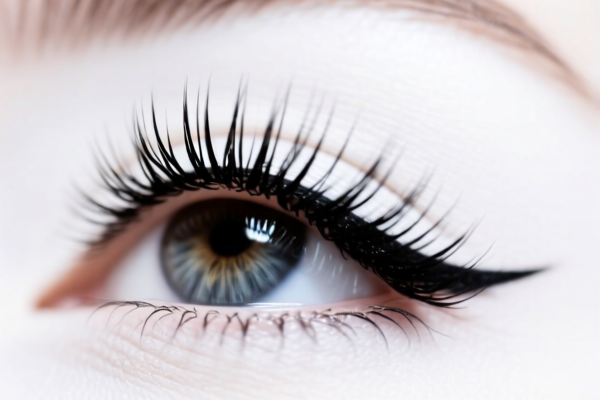
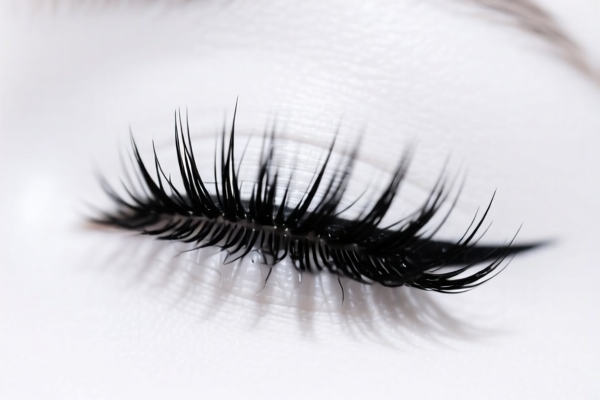
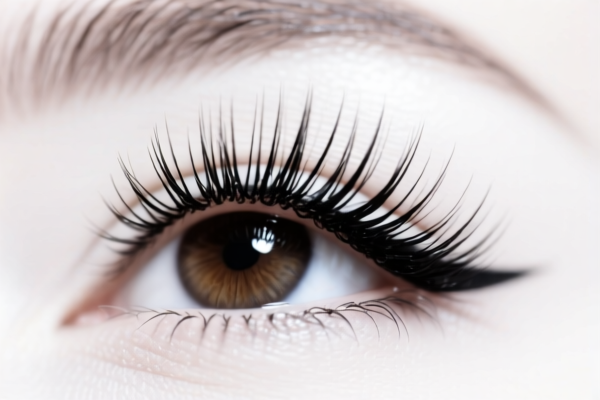
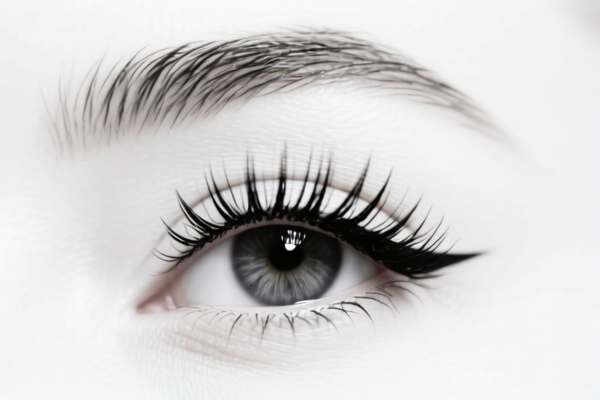
AI Analysis
👁️ Artificial Eyelashes: HS Code Classification & U.S. Customs Clearance Guide
🌐 HS Code Reference & Customs Strategy | 2026 Latest Tariff Analysis | Professional Clearance Protocol
📌 I. Product Definition & Classification: What are "EYE LASHES"?
Artificial Eyelashes (including lower lashes and individual cluster lashes) are cosmetic accessories used to enhance eye appearance. In international trade, they are generally categorized based on material composition and structural form. Since the input "EYE LASHES" does not specify material, customs classification often relies on common industry standards:
Synthetic Fiber/Textile Lashes: Made from synthetic textiles (e.g., nylon, polyester fibers). These are typically classified under Heading 6704 (Wigs, false hair, etc.).
Plastic/Polmer Lashes: Made from molded plastic or polymer fibers. These may fall under Heading 3926 (Articles of plastics).
Cosmetic/Prep Lashes: Sometimes misclassified under cosmetics (3304) if marketed as part of a beauty kit, though physical lashes themselves are rarely pure cosmetics.
⚠️ Key Distinction Point:
- If made of synthetic hair/textile materials → 6704.19.00.00 or 6704.90.00.00
- If made of plastic/polymer fibers → 3926.90.99.89
- If marketed strictly as cosmetic preparations (rare for physical lashes) → 3304.99.50.00
📦 II. HS Code Classification Details (2026 Latest Tariff Authority对照)
| HS Code | Product Description | Material Basis | Application Scenario | Tax Rate |
|---|---|---|---|---|
6704.19.00.00 |
Wigs, false hair, etc.: Other: Other: Other (Synthetic) | Synthetic textile fibers | Standard synthetic false eyelashes | 17.5% |
3926.90.99.89 |
Other articles of plastics and articles of other materials of heading 3901 to 3914: Other | Plastic/Polymer fibers | Plastic-based false lashes | 22.8% |
3304.99.50.00 |
Beauty or make-up preparations and preparations for the care of the skin: Other | Cosmetic mixtures | Note: Rarely applied to physical lashes; usually for creams/powders | 35.0% |
6704.90.00.00 |
Wigs, false hair, etc.: Other: Other (Other materials) | Fibers, plastic, or other non-textile | General false eyelashes (unspecified material) | 17.5% |
🔍 Key Note:
- Heading 6704 is the most common classification for "False Hair/Eyelashes."
- Heading 3926 applies if the lashes are clearly molded plastic components.
- Heading 3304 is incorrect for physical eyelash products unless they are part of a cosmetic preparation kit where the lash is incidental, which is rare.
💰 III. 2026 Latest Tariff Rate Breakdown (Including Add-ons & Policy Surcharges)
✅ Applicable Country: United States (US)
✅ Origin: China (CN)
✅ Effective Date: From November 10, 2025 (including subsequent imports)
🎯 1. 6704.19.00.00 —— Synthetic Textile False Lashes
| Item | Content |
|---|---|
| Base Tariff | 0% (ad valorem) |
| Section 301 Surcharge | +7.5% (Additional tariff under Section 301) |
| Section 122 Tariff | +10% (Specific surcharge under Section 122) |
| Total Tariff | 17.5% |
| Tax Calculation | CIF Value × 17.5% |
| De Minimis Eligibility | ❌ No (deny_de_minimis) |
| Legal Basis Path | Section 301: 7.5% → Section 122: 10% → USITC: 6704.19.00.00 |
📌 Explanation:
- The base duty for wigs/false hair is generally 0%.
- Section 301 adds 7.5% for Chinese-origin goods.
- Section 122 adds an additional 10% for specific categories, including cosmetic-related accessories.
- Total: 17.5%. This is a moderate-to-high tariff compared to other cosmetic accessories.
🎯 2. 3926.90.99.89 —— Plastic-Based False Lashes
| Item | Content |
|---|---|
| Base Tariff | 5.3% (ad valorem) |
| Section 301 Surcharge | +7.5% |
| Section 122 Tariff | +10% |
| Total Tariff | 22.8% |
| Tax Calculation | CIF Value × 22.8% |
| De Minimis Eligibility | ❌ No (deny_de_minimis) |
| Legal Basis Path | Section 301: 7.5% → Section 122: 10% → USITC: 3926.90.99.89 |
📌 Note:
- Plastic articles often have a higher base tariff than textile-based wigs.
- Even with the same surcharges, the total is higher (22.8%) than the synthetic textile category.
🎯 3. 3304.99.50.00 —— Misclassified Cosmetic Preparations
| Item | Content |
|---|---|
| Base Tariff | 0% (ad valorem) |
| Section 301 Surcharge | +25% |
| Section 122 Tariff | +10% |
| Total Tariff | 35.0% |
| Tax Calculation | CIF Value × 35.0% |
| De Minimis Eligibility | ❌ No (deny_de_minimis) |
| Legal Basis Path | Section 301: 25% → Section 122: 10% → USITC: 3304.99.50.00 |
📌 Warning:
- If mistakenly classified under Heading 3304 (Cosmetics), the Section 301 rate is 25% instead of 7.5%.
- This results in a much higher total tax (35.0%).
- Do not use this code for physical eyelash products unless they are purely cosmetic creams/powders.
🎯 4. 6704.90.00.00 —— Other Materials False Lashes (General)
| Item | Content |
|---|---|
| Base Tariff | 0% (ad valorem) |
| Section 301 Surcharge | +7.5% |
| Section 122 Tariff | +10% |
| Total Tariff | 17.5% |
| Tax Calculation | CIF Value × 17.5% |
| De Minimis Eligibility | ❌ No (deny_de_minimis) |
| Legal Basis Path | Section 301: 7.5% → Section 122: 10% → USITC: 6704.90.00.00 |
📌 Note:
- This is the "catch-all" for false hair if the specific material subtype isn't detailed.
- Tariff is identical to the synthetic textile category (17.5%).
🛠️ IV. Customs Clearance Practical Advice (Real-World Pitfall Guide)
✅ 1. Preparation Checklist (All Required)
| Document | Mandatory | Description |
|---|---|---|
| ✅ Product Specifications | ✔️ | Material composition (Synthetic/Plastic/Human Hair), length, curl type |
| ✅ Material Certificate | ✔️ | Declaration of synthetic vs. plastic vs. human hair |
| ✅ Product Photos | ✔️ | Clear images of lashes, packaging, and any attached applicators |
| ✅ Commercial Invoice | ✔️ | Must explicitly state "Artificial Eyelashes" or "False Lashes" |
| ✅ Packing List | ✔️ | Detailing units, weight, and dimensions |
✅ 2. Declaration Tips (Critical Mnemonics)
🔥 "Material First, Code Right, Section 122 Applies, 17.5% is the Target!"
| Scenario | Correct Declaration | Error Consequence |
|---|---|---|
| Synthetic Fiber Lashes | 6704.19.00.00 |
17.5% |
| Plastic Molding Lashes | 3926.90.99.89 |
22.8% |
| Human Hair Lashes | 6704.20.00.00 |
Check current rate (usually lower base, but still subject to 301/122) |
| Misclassified as Cosmetics | 3304.99.50.00 |
35.0% → Overpaying by ~10-18%! |
| Splitting Shipment | Separate HS Codes | Higher administrative burden, no tax benefit |
✅ 3. Special Cases Handling
| Scenario | Handling Advice |
|---|---|
| Mixed Materials | If lashes have a plastic band and synthetic hairs, generally classify under 6704 if the hair is the primary feature. |
| Pre-Glued Lashes | Still classified under 6704 unless the glue is the dominant value (rare). |
| OEM/Custom Lashes | Provide design specs to prove material composition. Avoid vague terms like "Beauty Accessories." |
| De Minimis ($800) Exemption | ❌ Not Applicable. Section 122 and Section 301 goods are generally excluded from de minimis entry for Chinese-origin products. |
🌍 V. Global Market Comparison (2026 Latest)
| Country/Region | Recommended HS Code | Tariff (China Origin) | Certification | Notes |
|---|---|---|---|---|
| 🇺🇸 USA | 6704.19.00.00 / 6704.90.00.00 |
17.5% | N/A | High attention to Section 122 classification. |
| 🇨🇳 China | 6704.19.00.00 |
0% | N/A | No additional surcharges for export to China. |
| 🇪🇺 EU | 6704.21.00 / 6704.30.00 |
0-6.5% | CE (if packaged with tools) | Lower tariffs, but stricter labeling. |
| 🇬🇧 UK | 6704.20.00 |
0-6.5% | UKCA | Post-Brexit rules apply. |
| 🇦🇺 Australia | 6704.20.00 |
5% | ACCC | No Section 301 equivalent. |
📌 Conclusion:
- The US is the most expensive market for Chinese artificial eyelashes due to Section 301 (7.5%) and Section 122 (10%).
- Total tax of 17.5% is standard for textile-based lashes.
- Avoid3304classification to save 17.5% (35% vs 17.5%).
📌 VI. Common Errors & Pitfall Guide (Lessons Learned)
❌ Error 1: Declaring "Eyelashes" under 3304 (Cosmetics)
👉 Consequence: Tax rate jumps to 35.0%. You lose 17.5% extra cost.
👉 Reason: Physical lashes are not "preparations" but "articles."
❌ Error 2: Using 6702.90 (Man-made fibers, not wigs)
👉 Consequence: Customs rejection. 6702 is for textile materials, not finished false hair products.
👉 Correct Code: 6704.
❌ Error 3: Ignoring Section 122
👉 Consequence: Underpayment of tax. Section 122 specifically targets certain consumer goods from China, including beauty accessories.
👉 Result: Back taxes, fines, and delays.
❌ Error 4: Claiming De Minimis for <$800 shipments
👉 Consequence: Seizure or forced formal entry. Section 122 goods are explicitly excluded from de minimis treatment for Chinese origin.
✅ Correct Practice:
"Artificial Eyelashes, Synthetic Fiber, No Glue, Model XYZ, HS Code 6704.19.00.00"
🎯 VII. Conclusion: Precise Classification Saves Money!
🎯 Remember:
🔹 "Textile Lashes = 6704 = 17.5% Total Tax"
🔹 "Plastic Lashes = 3926 = 22.8% Total Tax"
🔹 "Cosmetic Code = 3304 = 35.0% (Avoid This!)"
🔹 "No De Minimis for China Origin!"
📌 Pro Tip:
If your product is human hair, verify the specific subheading under 6704.20 and check for any potential differences in Section 301 applicability, though Section 122 likely still applies.
For synthetic lashes, 6704.19.00.00 is the safest and most cost-effective classification.
📣 Immediate Action:
📞 Contact your customs broker with product material specs.
📝 Ensure your invoice clearly states "Synthetic False Eyelashes."
🚀 Classify correctly, pay the right tax, clear customs smoothly!
✨ Professional Customs Clearance Starts with Accurate HS Codes!
💼 Your Profit Margin Deserves Precise Cost Calculation!
Customer Reviews
About HS Code Classification
The Harmonized System (HS) is an internationally standardized nomenclature developed by the World Customs Organization (WCO) to classify traded products. Over 200 countries use the HS system as the basis for customs tariffs, trade statistics, and import/export regulations.
Each HS code follows a hierarchical structure:
- Chapter (2 digits) — Broad category of goods (e.g., Chapter 84: Machinery and Mechanical Appliances)
- Heading (4 digits) — More specific grouping within the chapter
- Subheading (6 digits) — Internationally standardized breakdown, used by all WCO member countries
- National subdivisions (8-10 digits) — Country-specific extensions for further classification, such as US HTSUS 10-digit codes
Correct HS code classification is essential for smooth customs clearance, accurate duty payment, and compliance with trade regulations. Misclassification can lead to customs delays, overpayment of duties, or penalties.
When importing from CN to US, the applicable tariff rates may include:
- Most-Favored-Nation (MFN) rate — The standard duty rate applied to WTO members
- General rate — Applied to countries without trade agreements
- Trade remedy duties — Additional tariffs such as Section 301 (anti-dumping), Section 232 (national security), or countervailing duties
The information provided on this page is for reference purposes only. For official classification, please consult with your local customs authority or a licensed customs broker.