Ear Loop
CN → US| HS Code | Tariff Rate | Origin | Destination | Doc |
|---|---|---|---|---|
| 9503000073 | 10.0% | CN | US | Official Doc |
| 6217109550 | 32.1% | CN | US | Official Doc |
| 6217108500 | 24.6% | CN | US | Official Doc |
| 9503000090 | 10.0% | CN | US | Official Doc |
Product Images
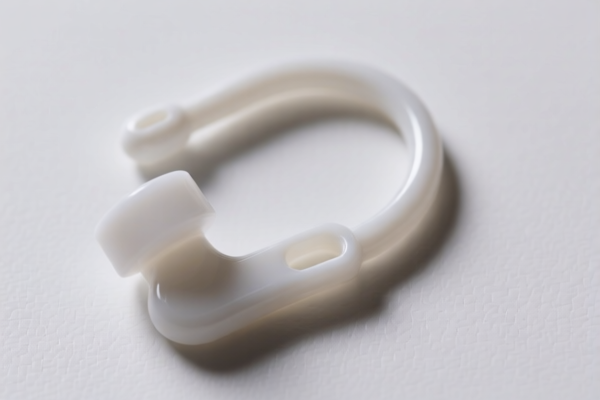
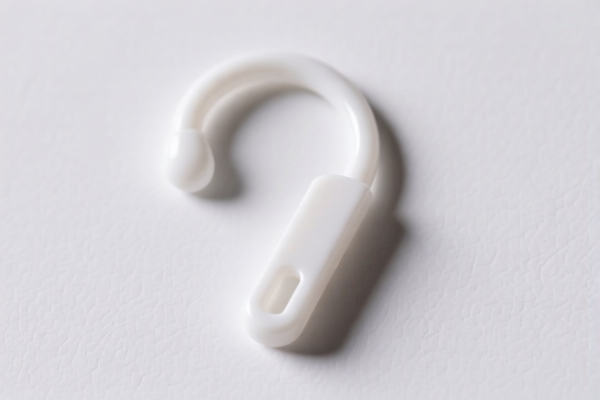
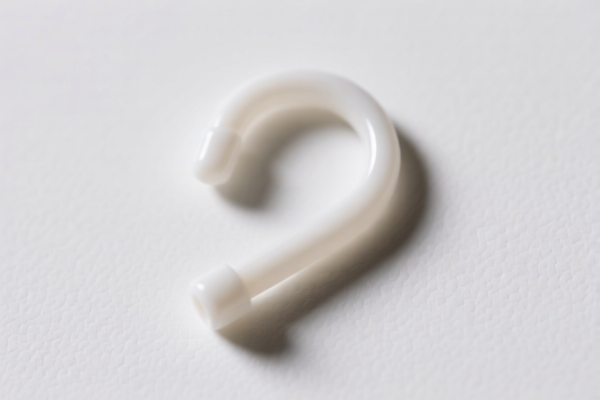

AI Analysis
🎧 Ear Loop (Headband & Ear Protectors) – The Ultimate HS Code & Customs Guide (2026)
Unlock the Secret to Lower Duties: Toy vs. Fashion Accessory Classification Strategies
🌐 HS Code Reference & Clearance Guide | 2026 Latest Tariff Analysis | Professional Customs Strategy
📌 I. Product Definition: What Exactly is an "Ear Loop"?
In the world of international trade, a simple Ear Loop (often called a headband, ear protector, or ear muff) is a chameleon. Its classification depends entirely on its intended use:
- As a Toy Accessory: Part of a doll, action figure, or playset (e.g., a tiny hat for a Barbie).
- As a Fashion/Headwear Accessory: Worn by humans for warmth, decoration, or style (e.g., fuzzy earmuffs for winter, decorative headbands).
⚠️ Critical Distinction:
- If it's for a toy, it goes under Chapter 95 (Toys).
- If it's for humans, it goes under Chapter 62 (Articles of Apparel).
Misclassification here can cost you up to 22% more in taxes!
📦 II. HS Code Classification Matrix (2026 Latest Tariff Breakdown)
Based on the latest US customs data, here is the precise breakdown for Ear Loops:
| HS Code | Product Description | Use Case | Tax Burden |
|---|---|---|---|
9503.00.00.73 |
Toy Accessory: Ear muff as a component for toys (e.g., doll accessories). | Play/Toys | 10.0% |
9503.00.00.90 |
Toy Accessory: Other toy accessories or parts (general category). | Play/Toys | 10.0% |
6217.10.95.50 |
Fashion Accessory: Other textile clothing accessories (not hairbands). | Human Wear/Decoration | 32.1% |
6217.10.85.00 |
Fashion Accessory: Headbands and similar articles for head wear. | Human Wear/Warmth | 24.6% |
🔍 Deep Dive:
- Toys (9503): The tax is significantly lower (10%) but strictly applies to items not intended for human wear as primary apparel.
- Fashion (6217): If the item is designed to be worn by a person (even if cute), it falls here. The tax varies wildly (24.6% to 32.1%) based on whether it's a "headband" or "other accessory."
💰 III. 2026 Tariff Rate Deep Dive (China to USA Import)
✅ Applicable Country: United States (US)
✅ Origin: China (CN)
✅ Effective Date: Post-2025 policies (Section 301 & 122 terms)
🎯 Scenario A: Toy Classification (9503.00.00.73 / 9503.00.00.90)
Best for: Small accessories for dolls, plushie heads, or toy sets.
| Item | Content |
|---|---|
| Base Duty (MFN) | 0.0% |
| Section 301 Add-on | 0.0% |
| Section 122 Duty (China Specific) | +10.0% |
| Total Effective Rate | 10.0% |
| Calculation | CIF Value × 10% |
| De Minimis Exemption | ❌ No (Section 301/122 items are not exempt) |
📌 Explanation:
- This is the "Sweet Spot". You only pay the Section 122 tariff.
- Why? Because toys are generally treated as "non-essential consumer goods" with lower base duties, avoiding the heavy Section 301 penalties applied to apparel.
🎯 Scenario B: Fashion "Other Accessory" (6217.10.95.50)
Worst Case: Generic ear loops designed for humans but not classified as headbands.
| Item | Content |
|---|---|
| Base Duty (MFN) | 14.6% |
| Section 301 Add-on | +7.5% |
| Section 122 Duty | +10.0% |
| Total Effective Rate | 32.1% |
| Calculation | CIF Value × 32.1% |
| De Minimis Exemption | ❌ No |
📌 Explanation:
- High Risk! This classification triggers ALL three taxes: Base (14.6%) + Section 301 (7.5%) + Section 122 (10%).
- Avoid this if possible. It is the most expensive classification for ear loops.
🎯 Scenario C: Fashion "Headband" (6217.10.85.00)
Middle Ground: Worn for warmth or decoration on the head.
| Item | Content |
|---|---|
| Base Duty (MFN) | 14.6% |
| Section 301 Add-on | 0.0% |
| Section 122 Duty | +10.0% |
| Total Effective Rate | 24.6% |
| Calculation | CIF Value × 24.6% |
| De Minimis Exemption | ❌ No |
📌 Explanation:
- Good News: Section 301 (7.5%) is waived for Headbands (85.00subcategory).
- Bad News: You still pay Base (14.6%) + Section 122 (10%).
- Result: A 7.5% saving compared to "Other Accessories," but still double the tax of a Toy.
🛠️ IV. Customs Clearance Action Plan (Strategic Tips)
✅ 1. Documentation Checklist (Must-Haves)
| Document | Requirement | Why It Matters |
|---|---|---|
| Product Specification Sheet | ✔️ Crucial | Must clearly state: "Intended for Dolls" OR "Intended for Human Headwear". |
| Technical Drawing | ✔️ | Shows dimensions. Small size = likely toy; Human scale = likely apparel. |
| Usage Photos | ✔️ | Show the item ON A DOLL (for HS 9503) or ON A MODEL'S HEAD (for HS 6217). |
| Commercial Invoice | ✔️ | Description must match the HS Code exactly (e.g., "Toy Ear Muff Accessory"). |
| Packaging Photos | ✔️ | If packaging shows a "Doll," it strengthens the Toy classification. |
✅ 2. Declaration Strategy (The "Golden Rule")
🔥 The "Toy vs. Apparel" Trick
"If it fits the doll, declare as Toy. If it fits the head, declare as Headband."
| Scenario | Recommended HS Code | Tax Rate | Risk |
|---|---|---|---|
| Item is 2 inches (fits a doll) | 9503.00.00.73 |
10.0% | ✅ Low |
| Item is 5 inches (fits a child's head) | 6217.10.85.00 |
24.6% | ✅ Medium |
| Item is 5 inches, vague description | 6217.10.95.50 |
32.1% | ❌ HIGH (Avoid!) |
| Item is 5 inches, described as "Hat" | 6217.10.85.00 |
24.6% | ✅ Best for Apparel |
✅ 3. Special Handling Cases
| Situation | Strategy |
|---|---|
| Mixed Batches | Split the shipment! Don't mix toy accessories with human headwear in one BL. Separate them by HS Code. |
| Customs Audit | If audited on 9503 but it looks human-sized, provide a scale reference photo. If audited on 6217, prove it's a "Headband" to avoid the 7.5% Section 301 tax. |
| Section 301 Exemption? | ❌ No Exemptions for these specific Ear Loop codes. The 10% Section 122 tax is unavoidable for China-origin goods. |
🌍 V. Global Market Comparison (2026)
| Destination | Best HS Code for Ear Loops | Tax Rate (China) | Strategy |
|---|---|---|---|
| 🇺🇸 USA | 9503.00.00.90 (Toy) |
10.0% | Target Toys. If human wear, aim for 6217.10.85.00 (Headband) to save 7.5%. |
| 🇪🇺 EU | 9503.00 (Toy) |
~0-4% | Lower base duties, but VAT applies. |
| 🇨🇦 Canada | 9503.00 (Toy) |
~5-10% | Similar structure to US. |
| 🇬🇧 UK | 9503.00 (Toy) |
~5% | Post-Brexit rules apply. |
📌 Conclusion: The US is the most aggressive market regarding Section 301/122 taxes. Optimization is mandatory.
📌 VI. Common Mistakes & Avoidance Guide (Lessons Learned)
❌ Mistake 1: Calling it "Ear Muffs" without context.
👉 Result: Customs officer assumes "Fashion Apparel" → Classifies as 6217.10.95.50 → 32.1% Tax.
✅ Fix: Explicitly state "Doll Accessory" or "Headband" in the invoice description.
❌ Mistake 2: Mixing Toy and Human items in one carton.
👉 Result: Entire shipment may be downgraded to the highest tax rate (32.1%).
✅ Fix: Segregate shipments. Label boxes clearly: "TOY PARTS" vs. "APPAREL ACCESSORIES".
❌ Mistake 3: Ignoring the "Headband" distinction.
👉 Result: Paying 32.1% instead of 24.6% by failing to categorize as 6217.10.85.00.
✅ Fix: Use the term "Headband" or "Headband Accessory" to trigger the Section 301 exemption.
🎯 VII. Conclusion: Strategic Cost Saving
🎯 The Bottom Line:
"A simple Ear Loop can cost you 10%, 24.6%, or 32.1% depending on how you describe it."
- Goal: Classify as
9503(Toy) whenever possible → 10% Tax. - Alternative: If human-wear, classify as
6217.10.85.00(Headband) → 24.6% Tax (Save 7.5% vs "Other"). - Avoid:
6217.10.95.50(Other) → 32.1% Tax (The most expensive pitfall).
📌 Pro Tip:
🚀 Get a Binding Ruling (CBP Pre-Ruling) before shipping large volumes. Submit your product photos and description to US Customs to get an official HS Code confirmation. This locks in the 10% or 24.6% rate and protects you from future audits.
📣 Call to Action:
📦 Audit your current invoices! Are you calling your products "Ear Muffs" or "Headbands"?
📝 Update your descriptions to match the optimal HS Code.
💰 Save up to 22% on every shipment by getting your classification right!
✨ Precision Classification = Profitability.
💼 Don't let a 22% tax difference erase your margins!
Customer Reviews
About HS Code Classification
The Harmonized System (HS) is an internationally standardized nomenclature developed by the World Customs Organization (WCO) to classify traded products. Over 200 countries use the HS system as the basis for customs tariffs, trade statistics, and import/export regulations.
Each HS code follows a hierarchical structure:
- Chapter (2 digits) — Broad category of goods (e.g., Chapter 84: Machinery and Mechanical Appliances)
- Heading (4 digits) — More specific grouping within the chapter
- Subheading (6 digits) — Internationally standardized breakdown, used by all WCO member countries
- National subdivisions (8-10 digits) — Country-specific extensions for further classification, such as US HTSUS 10-digit codes
Correct HS code classification is essential for smooth customs clearance, accurate duty payment, and compliance with trade regulations. Misclassification can lead to customs delays, overpayment of duties, or penalties.
When importing from CN to US, the applicable tariff rates may include:
- Most-Favored-Nation (MFN) rate — The standard duty rate applied to WTO members
- General rate — Applied to countries without trade agreements
- Trade remedy duties — Additional tariffs such as Section 301 (anti-dumping), Section 232 (national security), or countervailing duties
The information provided on this page is for reference purposes only. For official classification, please consult with your local customs authority or a licensed customs broker.