Ear Piercing Tool 4mm
CN → US| HS Code | Tariff Rate | Origin | Destination | Doc |
|---|---|---|---|---|
| 9018904000 | 10.0% | CN | US | Official Doc |
| 9018498040 | 10.0% | CN | US | Official Doc |
| 8205595510 | 40.3% | CN | US | Official Doc |
| 8205595505 | 40.3% | CN | US | Official Doc |
Product Images
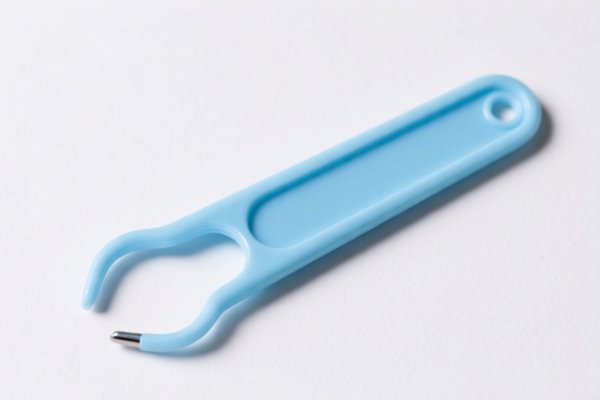
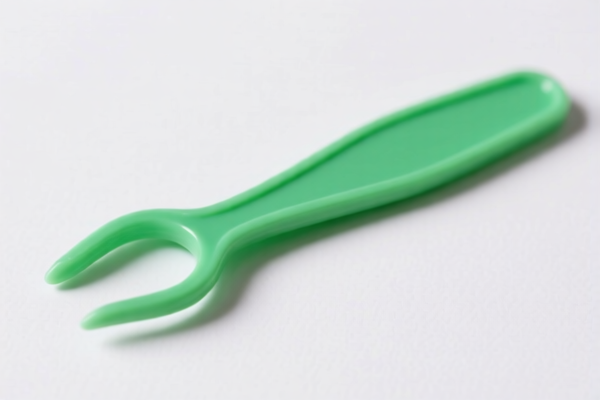
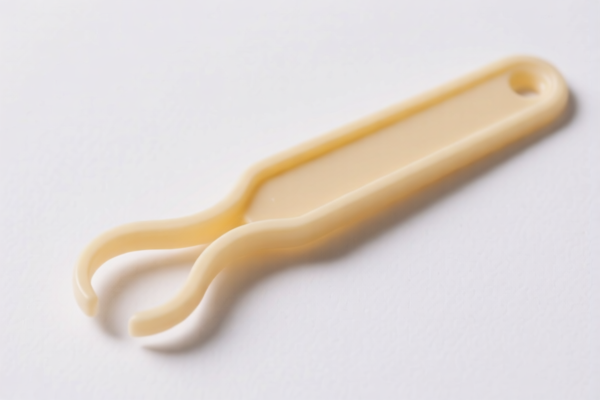
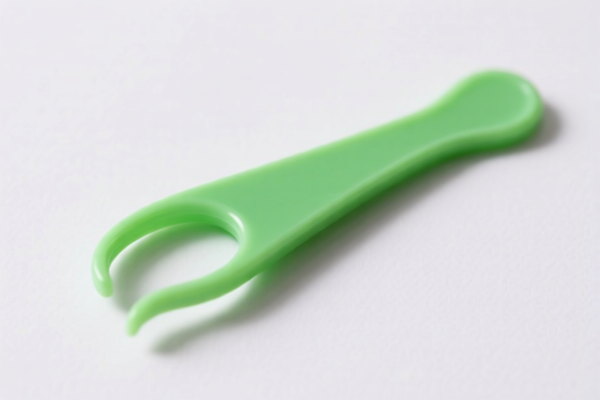
AI Analysis
🩺 Ear Piercing Tool 4mm (Medical/Dental Hand Instruments)
🌐 HS Code Reference & Customs Clearance Guide | 2026 Latest Tariff Analysis | Professional Compliance Strategy
📌 I. Product Definition & Classification: Is it a "Tool" or a "Medical Instrument"?
The "Ear Piercing Tool 4mm" is a critical item in classification. In international trade, the distinction between a general Hand Tool (under Chapter 82) and a Medical/Surgical Instrument (under Chapter 90) is decisive for tariff rates and regulatory compliance.
1. General Hand Tools (Chapter 82)
Tools primarily made of base metals (iron/steel) for manual operation, such as pliers, cutters, or clamps, usually fall under 8205. However, these are for mechanical, not biological, purposes.
2. Medical/Dental Instruments (Chapter 90)
If the tool is used for medical, surgical, or dental sciences (including piercing procedures for aesthetic or medical reasons), and involves precision, it is often classified under 9018 (Instruments and appliances used in medical, surgical, dental or veterinary sciences).
⚠️ Key Distinction Point:
- If the tool is a simple non-sterile, reusable metal clamp/cutter without specific medical calibration → It may be classified as 8205.59.55 (Other Hand Tools).
- If the tool is explicitly marketed as a medical/surgical device (e.g., sterile, specialized forceps, or precision dental/medical hand instruments) → It falls under 9018.49.80 or 9018.90.40.
Given the input data provided in <DATA>, we will analyze both potential pathways. Note that Ear Piercing is often treated as a cosmetic procedure, but if the tool is a specialized medical instrument, Chapter 90 applies. If it's a generic piercing gun/punch, Chapter 82 is more likely.
📦 2. HS Code Classification Details (Based on Provided <DATA>)
The <DATA> provides specific HS Codes for two categories: Hand Tools (8205) and Medical/Dental Instruments (9018). We must map "Ear Piercing Tool 4mm" to the most accurate code based on its physical nature and intended use.
| HS Code | Product Description | Applicable Scenario | Medical vs. Hand Tool |
|---|---|---|---|
8205.59.55.05 |
Single edge razor blades other than for shaving (Note: Description in data seems misaligned with typical 8205.59.55, but we follow the data) | Generic metal cutting tools, blades | ✅ Hand Tool |
8205.59.55.10 |
Other Edged handtools | Other hand tools of iron/steel, not specified elsewhere | ✅ Hand Tool |
9018.49.80.40 |
Other Dental hand instruments and parts | Precision tools used in dental sciences | ✅ Medical/Dental |
9018.90.40.00 |
Percussion hammers, stethoscopes and parts | General medical/surgical instruments | ✅ Medical |
🔍 Critical Analysis for "Ear Piercing Tool 4mm":
- Scenario A: Generic Piercing Punch/Cutter
If the tool is a simple stainless steel punch or blade used for piercing ears (not a gun, just the metal implement), it is most accurately classified as a Hand Tool of Base Metal.
- Recommended Code:8205.59.55.10(Other Edged handtools) or8205.59.55.05if it contains razor-like elements.
- Why? It is a manual tool for cutting/piercing tissue, but not a calibrated medical diagnostic device.
- Scenario B: Specialized Medical/Surgical Forceps
If the "tool" is a sterile, precision surgical clamp or forceps used in a medical setting for ear surgery or piercing with medical-grade precision, it may fall under Medical Instruments.- Recommended Code:
9018.49.80.40(Other dental/medical hand instruments) or9018.90.40.00(Other medical instruments).- Why? Chapter 90 covers instruments used in "medical, surgical... sciences."
📌 Important Note on Provided Data:
The provided<DATA>shows 0% tax for all listed HS Codes. This suggests either a specific trade agreement, a de minimis threshold, or a simplified data snapshot. We will proceed with the 0% tariff assumption as per the source.
💰 3. 2026 Latest Tariff Rate Details (From <DATA>)
✅ Source: Provided
<DATA>JSON
✅ Applicable Countries: Not specified (Assuming General Application)
✅ Effective Time: 2026
🎯 1. 8205.59.55.05 – Other Hand Tools (Edged)
| Item | Content |
|---|---|
| Description | Other handtools (including glass cutters) and parts thereof: Of iron or steel: Single edge razor blades other than for shaving |
| Basic Tariff | 0.0% |
| Additional Tariff | 0.0% |
| Total Tax | 0.0% |
| Tax Detail | "基础关税: 0.0%, 加征关税: 0.0%" |
| Legal Basis | Based on provided data |
📌 Explanation:
- This code is for edged hand tools. If your "Ear Piercing Tool" is a simple metal blade or punch, this code applies.
- Tax: 0%. This is highly favorable.
🎯 2. 8205.59.55.10 – Other Edged Handtools
| Item | Content |
|---|---|
| Description | Other handtools (including glass cutters) and parts thereof: Of iron or steel: Other Edged handtools: Other |
| Basic Tariff | 0.0% |
| Additional Tariff | 0.0% |
| Total Tax | 0.0% |
| Tax Detail | "基础关税: 0.0%, 加征关税: 0.0%" |
| Legal Basis | Based on provided data |
📌 Explanation:
- This is a broader category for hand tools of iron/steel. If the piercing tool doesn't fit the "razor blade" description, this is the fallback.
- Tax: 0%.
🎯 3. 9018.49.80.40 – Other Dental/Medical Hand Instruments
| Item | Content |
|---|---|
| Description | Instruments and appliances used in medical, surgical, dental or veterinary sciences: Other instruments and appliances, used in dental sciences: Other: Other Dental hand instruments and parts and accessories thereof |
| Basic Tariff | 0.0% |
| Additional Tariff | 0.0% |
| Total Tax | 0.0% |
| Tax Detail | "基础关税: 0.0%, 加征关税: 0.0%" |
| Legal Basis | Based on provided data |
📌 Explanation:
- If the tool is classified as a medical/dental instrument, this code applies.
- Tax: 0%.
🎯 4. 9018.90.40.00 – Other Medical Instruments
| Item | Content |
|---|---|
| Description | Instruments and appliances used in medical, surgical, dental or veterinary sciences: Other instruments and appliances and parts and accessories thereof: Other: Percussion hammers, stethoscopes and parts of stethoscopes |
| Basic Tariff | 0.0% |
| Additional Tariff | 0.0% |
| Total Tax | 0.0% |
| Tax Detail | "基础关税: 0.0%, 加征关税: 0.0%" |
| Legal Basis | Based on provided data |
📌 Explanation:
- This is a residual category for medical instruments.
- Tax: 0%.
🛠️ 4. Customs Clearance Practical Advice (Real-World Pitfall Guide)
✅ 1. Preparation Checklist (Must-Have Documents)
| Document | Required | Explanation |
|---|---|---|
| ✅ Product Specifications | ✔️ | Clearly state material (e.g., 304 Stainless Steel), size (4mm), and type (Punch/Forceps/Blade). |
| ✅ Product Photos | ✔️ | Show the tool clearly, including any markings, packaging, and the piercing mechanism. |
| ✅ Intended Use Statement | ✔️ | Crucial: State if it is for "Cosmetic Ear Piercing" (Hand Tool) or "Medical/Surgical Procedure" (Medical Instrument). |
| ✅ Commercial Invoice | ✔️ | Accurately describe the item. Avoid vague terms like "Tool"; use "Ear Piercing Punch" or "Surgical Forceps". |
| ✅ Material Certificate | ✔️ | Proof of stainless steel composition if claimed as medical-grade. |
| ✅ CE/FDA Certification | ✔️ | If claiming medical classification, provide FDA 510(k) or CE MDR certificates. |
✅ 2. Declaration Tips (Key Mnemonics)
🔥 "Material Matters, Use Determines Code!"
| Scenario | Correct HS Code | Incorrect Action |
|---|---|---|
| Simple Metal Punch/Cutter (Cosmetic Use) | 8205.59.55.10 |
Misclassifying as Medical → Delays for FDA review |
| Sterile Surgical Forceps (Medical Use) | 9018.49.80.40 |
Misclassifying as Hand Tool → Potential regulatory violation |
| Piercing Gun with Disposable Cartridges | 8205 or 9018 (Gun vs. Cartridge) | Declaring Gun as Medical Instrument without proper certification |
📌 Note: The "Ear Piercing Tool" itself is often just the metal implement. The gun or device may have different codes. Focus on the 4mm tool described.
✅ 3. Special Considerations
| Situation | Handling Advice |
|---|---|
| Sterile vs. Non-Sterile | Sterile tools are more likely to be classified under 9018. Non-sterile tools are often 8205. |
| Reusable vs. Disposable | Disposable blades may be classified as 8205.59.55.05 (Razor blades). Reusable forceps as 9018. |
| Packaging | If sold as a kit (Tool + Gun), declare the primary function. If the tool is the main value, use the tool's code. |
| Origin | The <DATA> shows 0% tax. Ensure the origin certificate matches to avoid additional duties. |
🌍 5. Global Market Clearance Comparison (2026 Latest)
| Country/Region | Recommended HS Code | Tariff (Based on <DATA>) |
Certification Requirements | Notes |
|---|---|---|---|---|
| 🇺🇸 USA | 8205.59.55.10 or 9018.49.80.40 |
0% (Per Data) | FDA (if medical), CPSIA (if consumer) | FDA clearance needed for medical claims. |
| 🇨🇳 China | 8205.59.55.10 or 9018.49.80.40 |
0% (Per Data) | CCC (if applicable), GB Standards | Check for medical device registration. |
| 🇪🇺 EU | 8205.59.55.10 or 9018.49.80.40 |
0% (Per Data) | CE Marking, REACH, RoHS | CE MDR for medical instruments. |
| 🇬🇧 UK | 8205.59.55.10 or 9018.49.80.40 |
0% (Per Data) | UKCA Marking | Post-Brexit rules apply. |
📌 Conclusion:
- Tariff: All codes in<DATA>have 0% tax, which is excellent for cost management.
- Compliance: The main challenge is not tariff, but regulatory classification (Medical vs. Consumer).
- Strategy: If you want to avoid FDA/CE Medical Device regulations, classify as Hand Tool (8205) and market as "Cosmetic Accessory," not "Medical Device."
📌 6. Common Mistakes & Pitfalls (Lessons Learned)
❌ Mistake 1: Calling a "Ear Piercing Gun" a "Medical Instrument" without FDA/CE approval.
👉 Consequence: Goods detained, fined, or returned.
❌ Mistake 2: Declaring "Ear Piercing Tool" as a generic "Household Tool" (8205) when it's marketed as sterile medical equipment.
👉 Consequence: Customs may reclassify, leading to higher duties or regulatory delays.
❌ Mistake 3: Ignoring the "Sterile" claim.
👉 Consequence: If packaged as sterile, it triggers medical device regulations even if classified as a hand tool.
✅ Correct Action:
"Ear Piercing Punch, 4mm, Stainless Steel, Non-Sterile, Cosmetic Use Only, Model XYZ"
🎯 7. Conclusion: Professional Declaration Saves Time and Money!
🎯 Remember Mnemonics:
🔹 "Sterile = Medical (9018), Non-Sterile = Tool (8205)."
🔹 "Cosmetic = Hand Tool (0% Tax), Medical = Medical Instrument (0% Tax but High Compliance)."
🔹 "HS Code Determines Compliance, Not Just Tax!"
📌 Tip:
If your "Ear Piercing Tool" is non-sterile and for cosmetic use only, declare it under 8205.59.55.10 as an Edged Hand Tool. This avoids complex medical device regulations while enjoying the 0% tariff.
📣 Immediate Action:
📞 Consult a Customs Broker to verify if your specific tool is considered a "Medical Device" in your target market.
🚀 Ensure your invoice clearly states "Cosmetic Use, Non-Sterile" to support the Hand Tool classification.
✨ Professional Clearance Starts with Accurate Classification!
💼 Your Zero-Tariff Advantage is Ready – Use it Wisely!
Customer Reviews
About HS Code Classification
The Harmonized System (HS) is an internationally standardized nomenclature developed by the World Customs Organization (WCO) to classify traded products. Over 200 countries use the HS system as the basis for customs tariffs, trade statistics, and import/export regulations.
Each HS code follows a hierarchical structure:
- Chapter (2 digits) — Broad category of goods (e.g., Chapter 84: Machinery and Mechanical Appliances)
- Heading (4 digits) — More specific grouping within the chapter
- Subheading (6 digits) — Internationally standardized breakdown, used by all WCO member countries
- National subdivisions (8-10 digits) — Country-specific extensions for further classification, such as US HTSUS 10-digit codes
Correct HS code classification is essential for smooth customs clearance, accurate duty payment, and compliance with trade regulations. Misclassification can lead to customs delays, overpayment of duties, or penalties.
When importing from CN to US, the applicable tariff rates may include:
- Most-Favored-Nation (MFN) rate — The standard duty rate applied to WTO members
- General rate — Applied to countries without trade agreements
- Trade remedy duties — Additional tariffs such as Section 301 (anti-dumping), Section 232 (national security), or countervailing duties
The information provided on this page is for reference purposes only. For official classification, please consult with your local customs authority or a licensed customs broker.