Ear Tag
CN → US| HS Code | Tariff Rate | Origin | Destination | Doc |
|---|---|---|---|---|
| 4205008000 | 35.0% | CN | US | Official Doc |
| 7326908688 | 87.9% | CN | US | Official Doc |
| 7326190080 | 87.9% | CN | US | Official Doc |
Product Images
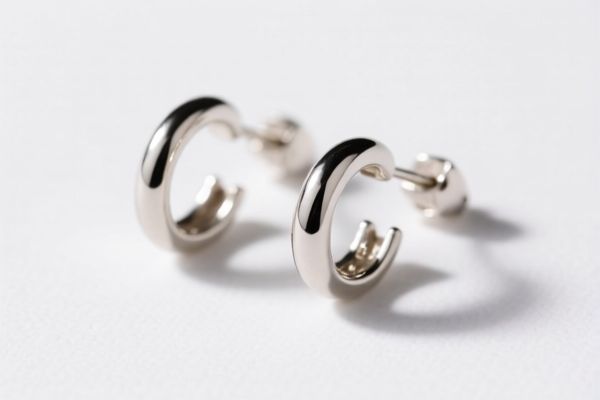



AI Analysis
🐮 Ear Tag (Livestock Identification Tags)
🌐 HS Code Reference & Clearance Guide | 2026 Latest Tariff Analysis | Professional Compliance Strategy
📌 I. Product Definition & Classification: What is an "Ear Tag"?
Ear tags are identification devices attached to the ears of livestock (cattle, sheep, goats, pigs) for tracking, health monitoring, and regulatory compliance. In international trade, their classification strictly depends on the primary material.
Key Material Distinction: * Plastic Tags: Usually classified under Chapter 39 (Plastics) or Chapter 73 (Iron/Steel) if metallic components dominate. * Metal Tags (Steel/Iron) Classified under Chapter 73 (Articles of Iron or Steel). * Leather/Composite Tags: Classified under Chapter 42 (Articles of Leather).
⚠️ Critical Classification Point:
- If the tag is primarily Plastic → Often falls under 7326 (Other articles of iron/steel) if it has metal fasteners/pins, OR 3926 (Other plastic articles). Note: The provided data implies a specific interpretation where plastic/metal hybrid tags fall under steel articles due to functional components. - If the tag is primarily Leather → Falls under 4205 (Other articles of leather). - If the tag is primarily Metal (Steel/Iron) → Falls under 7326 (Other articles of iron/steel).
📦 II. HS Code Classification Details (Based on Provided Data)
The following classifications are derived from the provided dataset, focusing on the material composition and functional description.
| HS Code | Product Description | Material Inference | Key Characteristics |
|---|---|---|---|
7326.19.00.80 |
Other articles of iron or steel (Non-specific form) | Plastic or Metal | Described as "non-specific form" 'other' articles. No conflict with "other steel products." Likely includes tags with metal pins/fasteners where the steel component is deemed dominant for classification purposes. |
4205.00.80.00 |
Other articles of leather | Leather or Composite Leather | Falls under "other" sub-category for leather goods. No material conflict. Used for leather-based identification tags. |
7326.90.86.88 |
Other articles of iron or steel (Non-specific) | Plastic or Metal | Fits the "bottom-up" category of "other" articles for iron/steel. Used for metal tags or mixed-material tags where steel is the primary structural element. |
🔍 Important Note:
- The dataset indicates that7326codes are applied even when plastic is inferred, suggesting that metal fasteners/pins may drive the classification under "Articles of Iron or Steel" in this specific regulatory context. -4205is exclusively for leather tags.
💰 III. 2026 Latest Tariff Rate Breakdown (Including Surcharges)
✅ Applicable Country: United States (US)
✅ Country of Origin: China (CN) (Implied by "122 Clause" and specific surcharge patterns)
✅ Effective Date: 2025 onwards
🎯 1. 7326.19.00.80 & 7326.90.86.88 — Steel/Plastic Mixed or Steel-Dominant Tags
These codes attract the highest tariffs due to Section 232 (Steel/Aluminum) and Section 301 (China) duties.
| Item | Details |
|---|---|
| Base Duty Rate | 2.9% (Ad Valorem) |
| Section 301 Surcharge | +25.0% (Trade Remedies) |
| Section 232 Surcharge | +50.0% (Steel/Aluminum/Copper Products - "122 Clause") |
| Total Effective Rate | 87.9% |
| Tax Calculation | CIF Value × 87.9% |
| De Minimis Exemption | ❌ NOT Eligible (High tariff rates exclude small packages from $800 exemption) |
| Legal Basis | Section 232: Steel/Aluminum → Section 301: China → HS 7326 |
📌 Explanation:
- The 50% Section 232 duty applies because the tag contains significant steel components (pins, plates, or full metal construction). - The 25% Section 301 duty applies due to Chinese origin. - Combined Rate: 87.9%. This is a critical cost driver. Importers must calculate if the value of the tag justifies the high duty cost.
🎯 2. 4205.00.80.00 — Leather Ear Tags
These tags have a significantly lower tariff burden.
| Item | Details |
|---|---|
| Base Duty Rate | 0.0% |
| Section 301 Surcharge | +25.0% (Trade Remedies) |
| Section 232 Surcharge | N/A (Leather is not steel/Aluminum) |
| Total Effective Rate | 35.0% |
| Tax Calculation | CIF Value × 35.0% |
| De Minimis Exemption | ❌ NOT Eligible (Still subject to $800 rule exclusion for high-duty items? Note: Even 35% is high, but typically Section 301 applies.) |
| Legal Basis | Section 301: China → HS 4205 |
📌 Explanation:
- Leather is exempt from the 50% Section 232 steel/aluminum duties. - However, the 25% Section 301 duty still applies due to Chinese origin. - Combined Rate: 35.0%. This is much more cost-effective than steel-based tags.
🛠️ IV. Clearance Practical Advice (Pitfall Avoidance Guide)
✅ 1. Documentation Checklist (Mandatory)
| Document | Required | Purpose |
|---|---|---|
| ✅ Product Material Composition Sheet | ✔️ | Must explicitly state % of Steel, Plastic, Leather. Critical for 7326 vs 4205 classification. |
| ✅ Product Photos (Close-up) | ✔️ | Show pin material (steel vs plastic), tag body material, and any leather texture. |
| ✅ Commercial Invoice | ✔️ | Clearly describe item: "Livestock Ear Tag, Steel Pin, Plastic Body" OR "Leather Ear Tag." |
| ✅ Origin Declaration | ✔️ | Confirm country of origin (China triggers 301 duties). |
| ✅ Customs Bond | ✔️ | Required for entries with duties > $0 and commercial imports. |
✅ 2. Classification Strategy (Key Tips)
| Scenario | Recommended HS Code | Reason |
|---|---|---|
| Steel Pin + Plastic Body | 7326.19.00.80 or 7326.90.86.88 |
If steel pin is considered essential for function, US Customs may classify under Chapter 73. Expect 87.9% duty. |
| Full Steel Tag | 7326.19.00.80 or 7326.90.86.88 |
Clearly steel article. Expect 87.9% duty. |
| Leather Tag | 4205.00.80.00 |
Clearly leather article. Expect 35.0% duty. |
| 100% Plastic Tag (No Metal) | Not in provided data | Likely 3926 (Plastic articles). May have lower duties but needs separate verification. |
⚠️ Risk Alert:
- Misclassification Risk: Declaring a steel-pin tag as "Plastic" (3926) to avoid steel duties is high-risk. Customs may reclassify and levy 87.9% + penalties. - Leather Verification: Ensure tags labeled as "leather" are not actually "faux leather" (PU/PVC), which would fall under plastics and potentially face different rules.
✅ 3. Cost-Saving Suggestions
- Material Substitution: If feasible, switch from steel-pin plastic tags to leather tags or fully plastic tags (if legal for your market) to reduce duty from 87.9% to 35.0% (or lower).
- Third-Country Origin: Consider sourcing ear tags from Vietnam, Mexico, or Thailand to avoid Section 301 (25%) and Section 232 (50%) duties.
- Advance Ruling: Apply for an IS Ruling (Import Security Filing Ruling) or Binding Tariff Information to get a pre-determined classification from CBP.
🌍 V. Global Market Comparison (2026)
| Market | Recommended HS Code | Estimated Duty (China Origin) | Notes |
|---|---|---|---|
| 🇺🇸 USA | 7326.19.00.80 |
87.9% | High steel/aluminum surcharges. |
| 🇺🇸 USA | 4205.00.80.00 |
35.0% | Leather exemption from steel duties. |
| 🇨🇳 China | 7326.90 |
~5-10% | Lower base duties, no Section 301/232. |
| 🇪🇺 EU | 7326.90 |
~2.7% | No Section 301/232 equivalent. |
| 🇬🇧 UK | 7326.90 |
~2.7% | Post-Brexit tariffs similar to EU. |
📌 VI. Common Mistakes & Pitfalls
❌ Mistake 1: Ignoring the steel pin in a plastic tag.
👉 Consequence: Customs may classify the entire product under 7326 (Steel) due to the essential function of the pin, leading to 87.9% duty instead of a potentially lower plastic rate.
❌ Mistake 2: Assuming all "Ear Tags" are the same.
👉 Consequence: Using one HS code for all types. Must classify by material.
❌ Mistake 3: Overlooking Section 232.
👉 Consequence: Only checking Section 301 (25%) and missing the 50% steel surcharge. Total duty is 87.9%, not 25%.
❌ Mistake 4: Declaring leather tags as "plastic" to avoid leather duties.
👉 Consequence: If proven to be real leather, retroactive duties and penalties apply.
🎯 VII. Conclusion: Smart Classification Saves Money
🔥 Key Takeaway:
- Steel/Plastic Tags: 87.9% Duty (7326)
- Leather Tags: 35.0% Duty (4205)
- Difference: 52.9% in duty savings!📌 Recommendation:
1. Verify Material: Confirm if tags are steel-pin, plastic, or leather.
2. Calculate Cost: Compare total landed cost with 87.9% vs 35.0% duties.
3. Consider Alternatives: Explore leather tags or third-country origins to mitigate high US tariffs.
4. Consult Customs Broker: Always seek professional advice for high-duty items.
📣 Immediate Action:
📞 Contact your customs broker with product photos and material specs.
📋 Request an HS Code Pre-Ruling from CBP.
💡 Don’t let 87.9% duty erase your profit margin!
✨ Precision in Classification, Profit in Clearance!
💼 Every percentage point matters in international trade.
Customer Reviews
About HS Code Classification
The Harmonized System (HS) is an internationally standardized nomenclature developed by the World Customs Organization (WCO) to classify traded products. Over 200 countries use the HS system as the basis for customs tariffs, trade statistics, and import/export regulations.
Each HS code follows a hierarchical structure:
- Chapter (2 digits) — Broad category of goods (e.g., Chapter 84: Machinery and Mechanical Appliances)
- Heading (4 digits) — More specific grouping within the chapter
- Subheading (6 digits) — Internationally standardized breakdown, used by all WCO member countries
- National subdivisions (8-10 digits) — Country-specific extensions for further classification, such as US HTSUS 10-digit codes
Correct HS code classification is essential for smooth customs clearance, accurate duty payment, and compliance with trade regulations. Misclassification can lead to customs delays, overpayment of duties, or penalties.
When importing from CN to US, the applicable tariff rates may include:
- Most-Favored-Nation (MFN) rate — The standard duty rate applied to WTO members
- General rate — Applied to countries without trade agreements
- Trade remedy duties — Additional tariffs such as Section 301 (anti-dumping), Section 232 (national security), or countervailing duties
The information provided on this page is for reference purposes only. For official classification, please consult with your local customs authority or a licensed customs broker.