Earphone Pocket
CN → US| HS Code | Tariff Rate | Origin | Destination | Doc |
|---|---|---|---|---|
| 3923210095 | 38.0% | CN | US | Official Doc |
| 6307909875 | 24.5% | CN | US | Official Doc |
| 6307909891 | 24.5% | CN | US | Official Doc |
| 4202322000 | 55.0% | CN | US | Official Doc |
| 4202329300 | 52.6% | CN | US | Official Doc |
Product Images
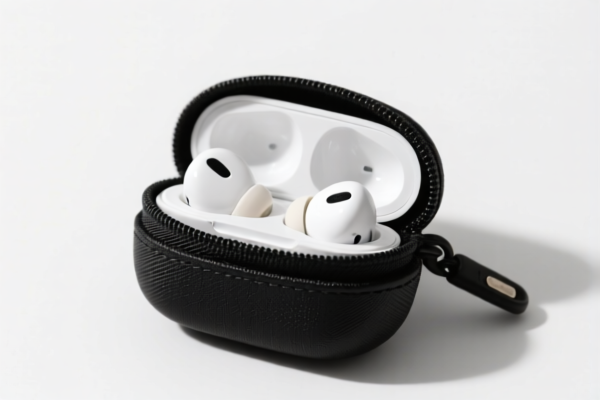
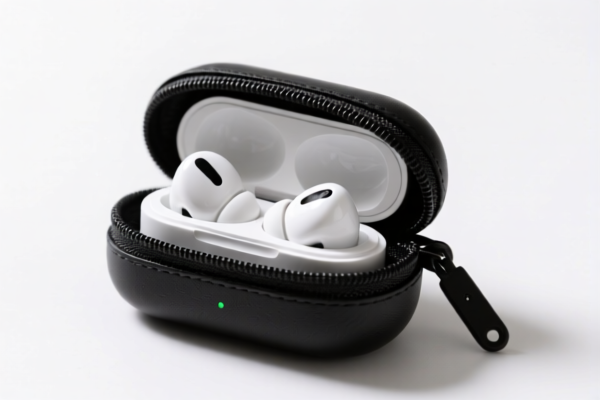
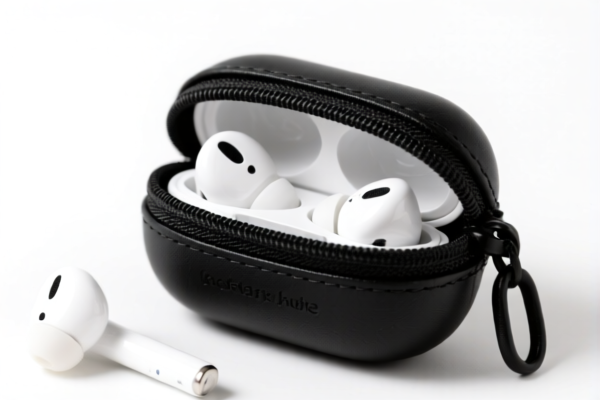
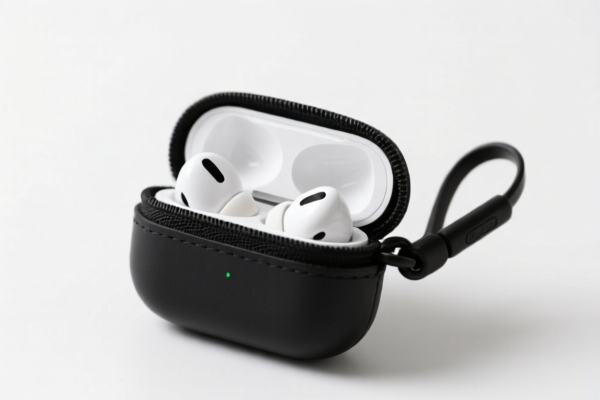
AI Analysis
🎧 Earphone Pocket (Earphone Cases & Pouches)
🌐 HS Code Reference & Customs Clearance Guide | 2026 Latest Tariff Analysis | Professional Entry Strategy
📌 I. Product Definition & Classification: Do You Really Understand "Earphone Pockets"?
An "Earphone Pocket" (often referred to as an earphone case, pouch, or carry case) is a small container designed specifically to protect and store audio accessories such as headphones, earbuds, charging cables, and dongles. In international trade, the classification depends heavily on the material composition and the specific nature of the outer surface.
Two Main Categories: 1. Plastic/Vinyl Based: Rigid or semi-rigid cases made primarily of PVC, EVA, or other plastic sheets/materials. These are often categorized under Chapter 42 (Articles of Leather; similar articles) if they resemble containers of leather goods, or Chapter 39 if strictly plastic articles. Note: US Harmonized Tariff Schedule (HTS) often places specific plastic containers under 4202 or 3923 depending on the "container" definition. 2. Textile Based: Soft pouches made of nylon, polyester, canvas, or other fabrics. These generally fall under Chapter 63 (Other made up textile articles).
⚠️ Key Distinction Point:
- If the outer surface is plastic sheeting, vinyl, or PVC → Look at Chapter 42 (specifically 4202) or Chapter 39 (3923).
- If the outer surface is textile fabric (nylon, polyester, etc.) → Look at Chapter 63 (specifically 6307).
📦 II. HS Code Classification Details (2026 Latest HTS Authority Comparison)
| HS Code | Product Description | Application Scenario | Outer Surface Material |
|---|---|---|---|
3923.21.00.95 |
Plastic sacks and bags, including cones and rolls, suitable for packaging | Rigid or semi-rigid plastic earphone cases; PVC bags; Zip-lock style plastic pouches | ✅ Plastic (Vinyl/PVC/PE) |
6307.90.98.75 |
Other made up articles, including dress patterns | Textile earphone pouches, nylon cases, fabric covers; generic "other" textile accessories | ✅ Textile (Nylon/Polyester) |
6307.90.98.91 |
Other made up articles, including dress patterns | Soft textile earphone pockets not classified elsewhere; general textile storage bags | ✅ Textile |
4202.32.20.00 |
Articles of apparel and clothing accessories, with outer surface of plastic sheeting or of textile material | Small plastic-covered earphone cases; cases resembling leather goods but made with plastic/textile composite | ✅ Plastic or Textile Composite |
4202.32.93.00 |
Other articles of apparel and clothing accessories, with outer surface of textile materials | High-end fabric earphone cases; textile pouches classified under apparel accessories categories | ✅ Textile |
🔍 Key Reminder:
- Plastic Cases: If the case is essentially a "bag" or "pouch" made of plastic sheets,3923.21.00.95is a strong candidate for simple plastic packaging. However, if it has a structured "container" form resembling leather goods,4202.32.20.00may apply.
- Textile Cases: Soft fabric pouches are typically classified under6307.90.98.75or6307.90.98.91.
- Composite Cases: If the case mimics a leather accessory (like a small briefcase or pouch) but uses plastic or textile,4202.32.20.00or4202.32.93.00is often preferred by customs to align with "articles of apparel/accessories."
💰 III. 2026 Latest Tariff Rate Breakdown (Including Additional Taxes & Policy Surcharges)
✅ Applicable Country: United States (US)
✅ Country of Origin: China (CN)
✅ Effective Date: November 10, 2025 (and subsequent imports)
🎯 1. 3923.21.00.95 —— Plastic Sacks and Bags (Plastic Earphone Pouches)
| Item | Content |
|---|---|
| Base Tariff Rate | 3.0% (ad valorem) |
| Section 301 Additional Tariff | +25% |
| 122 Clause Tariff (IEEPA) | +10% (For products from China/HK) |
| Total Tariff Rate | 38.0% |
| Tax Calculation | CIF Value × 38.0% |
| De Minimis Eligibility | ❌ No (deny_de_minimis) |
| Legal Basis Path | IEEPA:9903.01.25 → IEEPA:9903.01.24 → USITC:3923.21.00.95 → FOOTNOTE:9903.88.01 |
📌 Explanation:
- "Section 301 Additional Tariff 25%" comes from US Trade Act Section 301;
- "IEEPA 10%" is the additional tariff for Chinese products under the International Emergency Economic Powers Act;
- Total 38%, considered a high tariff for simple plastic packaging. Must be accounted for in pricing!
🎯 2. 6307.90.98.75 & 6307.90.98.91 —— Other Made Up Textile Articles (Textile Earphone Pouches)
| Item | Content |
|---|---|
| Base Tariff Rate | 7.0% (ad valorem) |
| Section 301 Additional Tariff | +7.5% |
| 122 Clause Tariff (IEEPA) | +10% (For products from China/HK) |
| Total Tariff Rate | 24.5% |
| Tax Calculation | CIF Value × 24.5% |
| De Minimis Eligibility | ❌ No (deny_de_minimis) |
| Legal Basis Path | IEEPA:9903.01.25 → IEEPA:9903.01.24 → USITC:6307.90.98.75 → FOOTNOTE:9903.88.01 |
📌 Note:
- Both textile sub-codes share the same tariff structure;
- Whether it’s a nylon pouch, polyester case, or fabric earphone holder, as long as it’s textile-based, this rate applies.
- Savings Tip: Compared to plastic cases (38%), textile cases (24.5%) offer a 13.5% tariff advantage.
🎯 3. 4202.32.20.00 & 4202.32.93.00 —— Articles of Apparel Accessories (Structured/Leather-like Cases)
A. 4202.32.20.00 (Outer Surface: Plastic Sheet/Textile)
| Item | Content |
|---|---|
| Base Tariff Rate | 20.0% (ad valorem) |
| Section 301 Additional Tariff | +25% |
| 122 Clause Tariff (IEEPA) | +10% (For products from China/HK) |
| Total Tariff Rate | 55.0% |
| Tax Calculation | CIF Value × 55.0% |
| De Minimis Eligibility | ❌ No (deny_de_minimis) |
| Legal Basis Path | IEEPA:9903.01.25 → IEEPA:9903.01.24 → USITC:4202.32.20.00 → FOOTNOTE:9903.88.01 |
B. 4202.32.93.00 (Outer Surface: Textile Material)
| Item | Content |
|---|---|
| Base Tariff Rate | 17.6% (ad valorem) |
| Section 301 Additional Tariff | +25% |
| 122 Clause Tariff (IEEPA) | +10% (For products from China/HK) |
| Total Tariff Rate | 52.6% |
| Tax Calculation | CIF Value × 52.6% |
| De Minimis Eligibility | ❌ No (deny_de_minimis) |
| Legal Basis Path | IEEPA:9903.01.25 → IEEPA:9903.01.24 → USITC:4202.32.93.00 → FOOTNOTE:9903.88.01 |
📌 Warning:
- Highest Risk Category: If customs classifies your earphone case as an "article of apparel/accessory" (e.g., a structured leather-style case), the tariff jumps to 52.6% - 55%.
- This is significantly higher than simple plastic (38%) or textile (24.5%) bags.
- Avoid this classification unless the product is explicitly designed as a fashion accessory (e.g., branded luxury pouch).
🛠️ IV. Customs Clearance Practical Advice (Real-World Pitfall Avoidance Guide)
✅ 1. Preparation Checklist (All Required)
| Material | Must Provide | Explanation |
|---|---|---|
| ✅ Product Specifications | ✔️ | Dimensions, material (plastic vs. textile), capacity, weight |
| ✅ Material Composition Certificate | ✔️ | Explicitly state % of plastic vs. fabric; crucial for distinguishing between 3923, 6307, and 4202 |
| ✅ Product Photos | ✔️ | Clear images of the case from all angles, showing seams, zippers, and material texture |
| ✅ Commercial Invoice | ✔️ | Describe as "Earphone Pouch" or "Earphone Case," avoid vague terms like "Container" |
| ✅ Packing List | ✔️ | Detail contents: earphones + case as a set, or case only |
| ✅ Material Test Report | ✔️ | If claiming textile, provide fabric composition report; if plastic, provide material type (e.g., PVC, EVA) |
✅ 2. Declaration Tips (Key Mantras)
🔥 "Material Defines Code, Structure Defines Class!"
| Scenario | Correct Declaration | Wrong Practice |
|---|---|---|
| Simple plastic zip-lock pouch | 3923.21.00.95 (38%) |
Declare as "Leather Case" → 55% |
| Soft nylon earphone pouch | 6307.90.98.75 (24.5%) |
Declare as "Plastic Bag" → 38% |
| Structured leather-style case | 4202.32.93.00 (52.6%) |
Undeclared risk; high scrutiny |
| Case + Earphones Sold Together | Declare Set | Split declaration → Higher total tax |
✅ 3. Special Situation Handling
| Scenario | Handling Suggestion |
|---|---|
| OEM Custom Cases | Provide design sketches + material spec sheet to prove textile/plastic nature |
| Mixed Material Cases | Declare based on principal material or outer surface material; provide breakdown |
| Gift Sets (Earphones + Case) | Declare as a set under the principal item (earphones, usually 0-3%), but ensure the case value is not disproportionately high to avoid reclassification |
| Luxury/Fashion Pouches | If marketed as fashion accessory, expect 52.6%+; consider pricing strategy accordingly |
🌍 V. Global Market Clearance Comparison (2026 Latest)
| Country/Region | Recommended HS Code | Tariff (China Origin) | Certification Req. | Notes |
|---|---|---|---|---|
| 🇺🇸 USA | 6307.90.98.75 |
24.5% | No special | Lowest Tariff Option for textile cases |
| 🇺🇸 USA | 3923.21.00.95 |
38.0% | No special | Plastic cases face higher tariffs |
| 🇨🇳 China | 6307.90.98.75 |
5-7% | CCC (if applicable) | Low tariff, easy entry |
| 🇪🇺 EU | 6307.90.98 |
6.0% | CE/RoHS | No Section 301 equivalent |
| 🇬🇧 UK | 6307.90.98 |
6.0% | UKCA | Post-Brexit alignment with EU |
📌 Conclusion:
- USA imposes significant additional tariffs on Chinese-origin earphone cases;
- Textile cases (24.5%) are more cost-effective than Plastic (38%) or Structured (52.6%);
- Consider supply chain diversification (e.g., Vietnam, Bangladesh) for US exports to mitigate 25% Section 301 tariffs.
📌 VI. Common Errors & Pitfall Guide (Lessons Learned)
❌ Mistake 1: Classifying a textile pouch as a plastic bag
👉 Consequence: Tariff increases from 24.5% to 38% → Loss of 13.5% margin!
❌ Mistake 2: Classifying a plastic case as an apparel accessory (4202.32.20.00)
👉 Consequence: Tariff jumps from 38% to 55% → Loss of 17% margin!
❌ Mistake 3: Not providing material composition
👉 Consequence: Customs may guess incorrectly, leading to delays, reclassification, or penalties.
❌ Mistake 4: Using vague terms like "Case" or "Bag"
👉 Consequence: Ambiguity triggers manual review → Customs delays!
✅ Correct Approach:
“Soft Nylon Earphone Pouch, Zipper Closure, 100% Polyester Outer, For Wireless Earbuds”
Use precise material and functional descriptions!
🎯 VII. Conclusion: Professional Declaration, Save Money, Ensure Smooth Clearance!
🎯 Remember the Mantra:
🔹 "Textile Wins: 24.5%, Plastic: 38%, Structured: 55%! Choose Wisely!"
🔹 "Material Matters: Be Specific, Avoid Ambiguity, Save Thousands!"
📌 Pro Tip:
If your earphone cases are originating from Vietnam, Bangladesh, or Thailand, you may qualify for preferential tariffs or Section 301 exemptions, reducing the rate to 0%-5%.
Recommendation: Apply for Advance Rulings and consider supply chain relocation for large-volume US imports.
📣 Take Action Now:
📞 Contact a Professional Customs Broker + Provide Product Photos + Request HS Code Advance Ruling
🚀 Ensure Your Earphone Cases Clear Smoothly, Maximize Profit, and Expand Globally!
✨ Professional Customs Clearance Starts with Precise Classification!
💼 Every Cent of Cost Deserves Accurate Calculation!
Customer Reviews
About HS Code Classification
The Harmonized System (HS) is an internationally standardized nomenclature developed by the World Customs Organization (WCO) to classify traded products. Over 200 countries use the HS system as the basis for customs tariffs, trade statistics, and import/export regulations.
Each HS code follows a hierarchical structure:
- Chapter (2 digits) — Broad category of goods (e.g., Chapter 84: Machinery and Mechanical Appliances)
- Heading (4 digits) — More specific grouping within the chapter
- Subheading (6 digits) — Internationally standardized breakdown, used by all WCO member countries
- National subdivisions (8-10 digits) — Country-specific extensions for further classification, such as US HTSUS 10-digit codes
Correct HS code classification is essential for smooth customs clearance, accurate duty payment, and compliance with trade regulations. Misclassification can lead to customs delays, overpayment of duties, or penalties.
When importing from CN to US, the applicable tariff rates may include:
- Most-Favored-Nation (MFN) rate — The standard duty rate applied to WTO members
- General rate — Applied to countries without trade agreements
- Trade remedy duties — Additional tariffs such as Section 301 (anti-dumping), Section 232 (national security), or countervailing duties
The information provided on this page is for reference purposes only. For official classification, please consult with your local customs authority or a licensed customs broker.